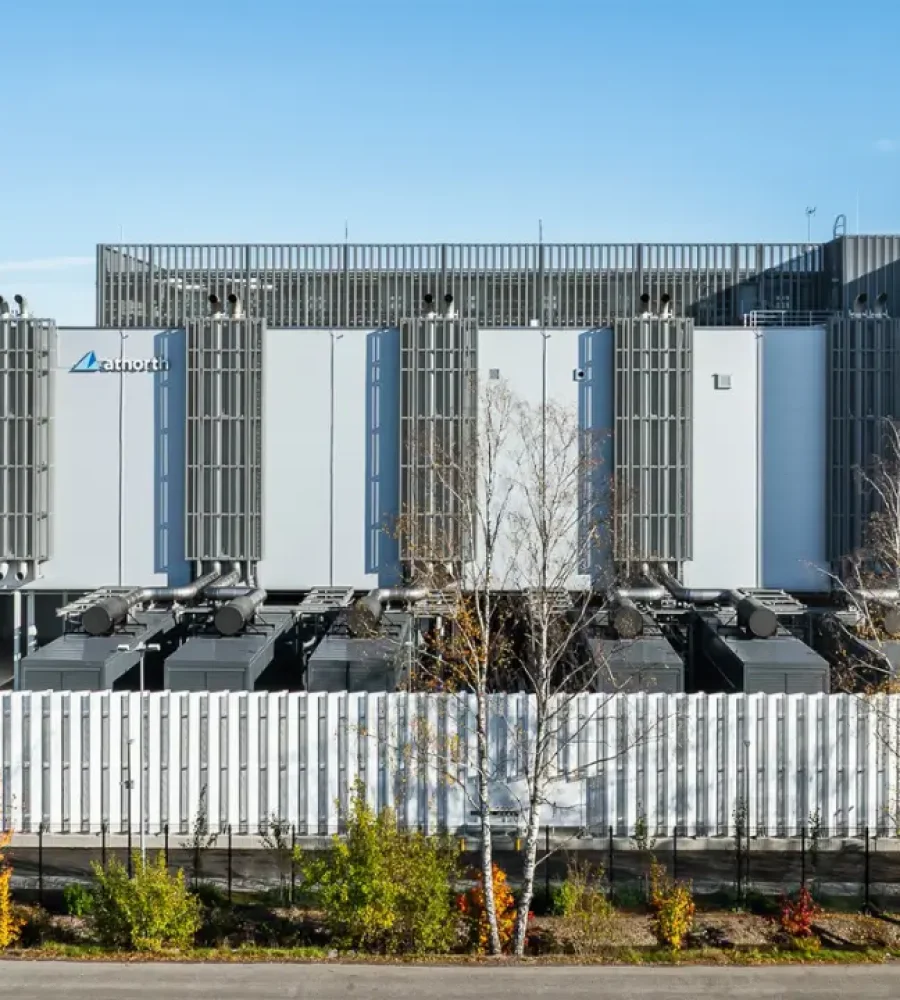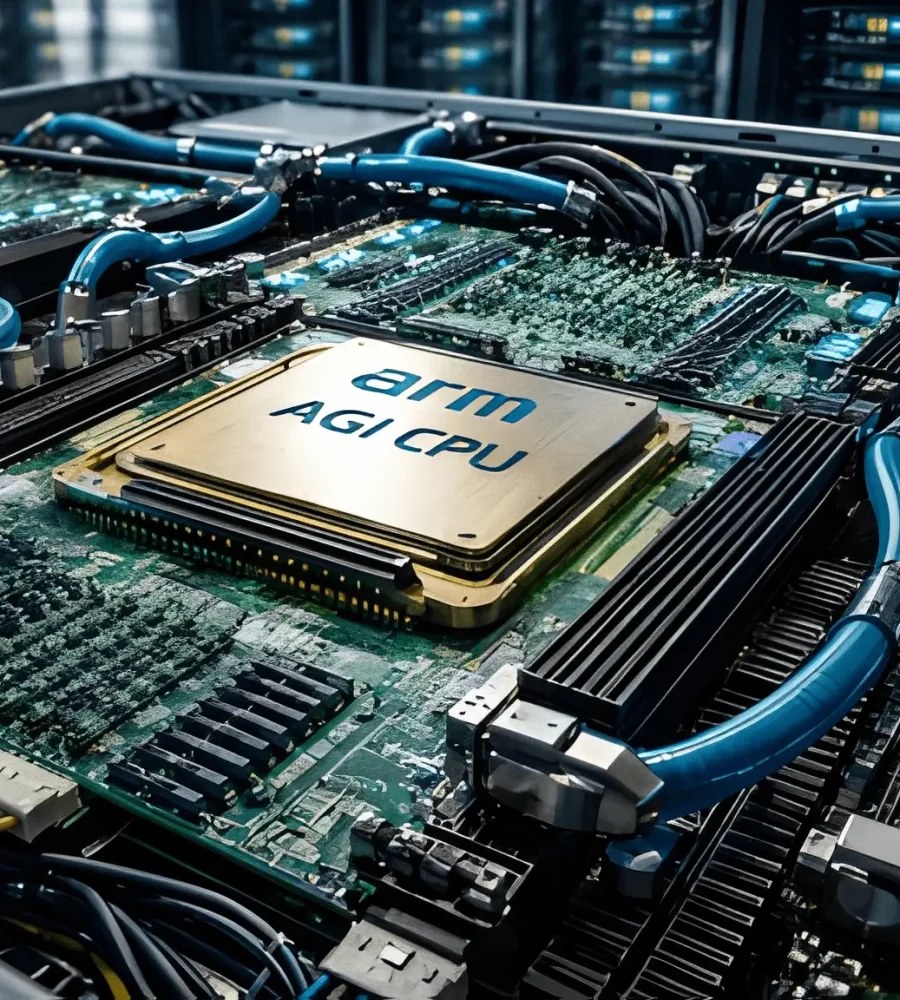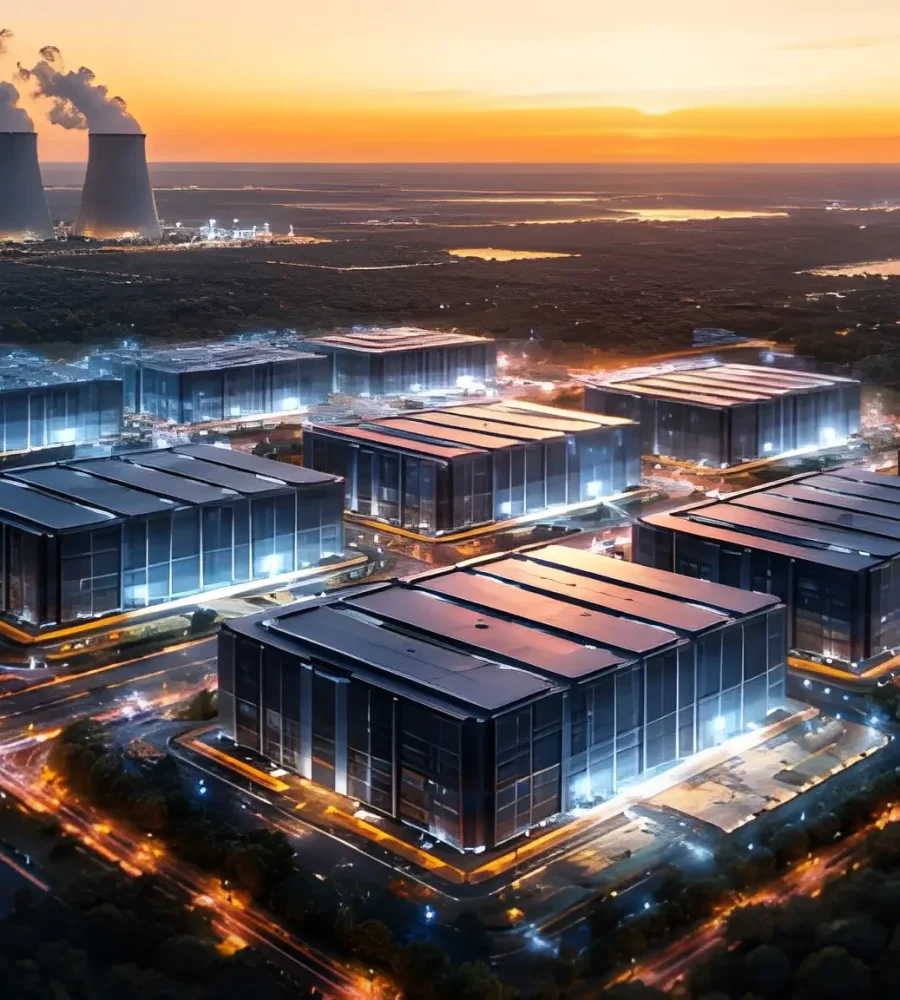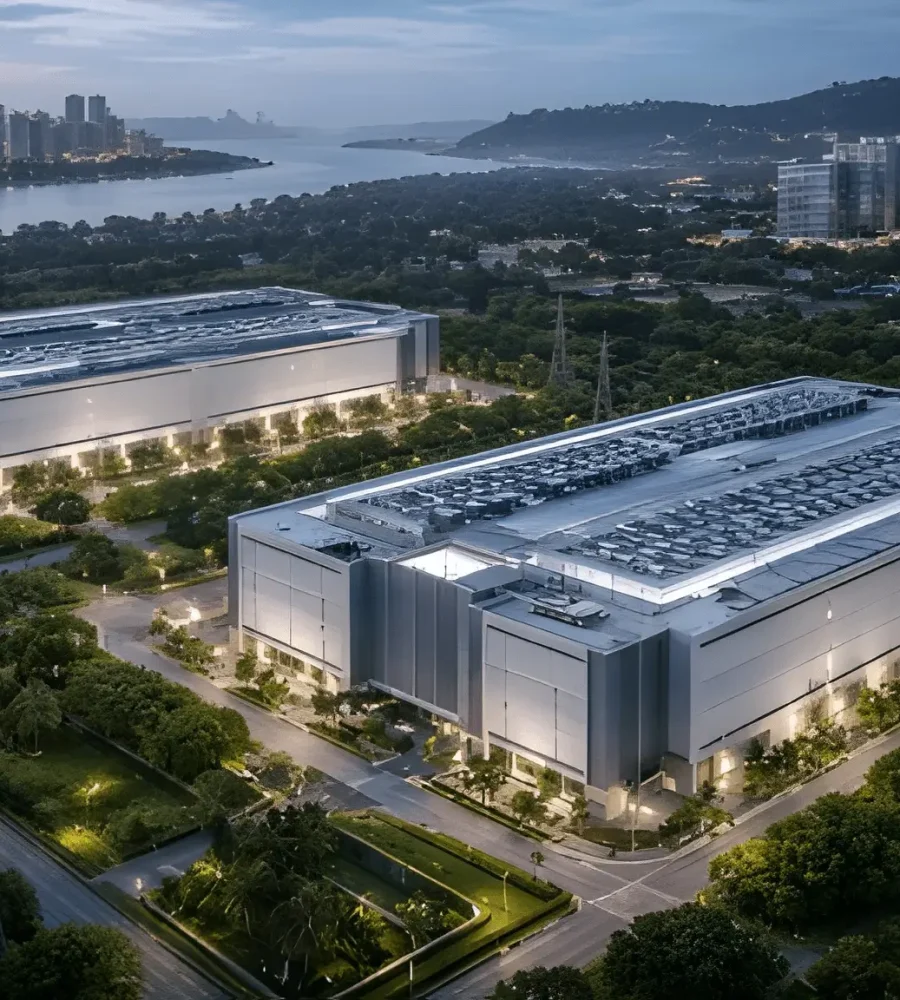
Artificial intelligence, particularly large-scale model training and inference, does not behave like traditional industrial demand. It does not peak in the morning or soften overnight. It consumes electricity relentlessly, mathematically, and without tolerance for interruption. In that reality, training models and running inference pipelines require near-perfect uptime; even brief outages translate into disproportionate financial and operational losses.
This is where nuclear power re-enters the strategic conversation.
Unlike wind or solar, which are constrained by weather and daylight, nuclear plants operate with availability rates exceeding 90%. Renewables, by comparison, often deliver less than half of their theoretical capacity over time. For AI workloads that cannot pause or downscale, that difference is decisive.
Increasingly, the most important variable in data center siting is no longer land cost or fiber access, but proximity to uninterrupted power.
For more than a decade, major technology firms publicly anchored their energy strategies around renewables. That approach satisfied sustainability targets when computing demand was elastic. Now, AI has changed that completely.
Forecasts now suggest data center electricity consumption could rise by 165% by 2030. This surge is not merely about scale; it reflects escalating model complexity and continuous operation. As a result, companies such as Microsoft, Google, Amazon, and Meta are expanding their energy procurement frameworks to include nuclear power, not as a symbolic gesture, but as a reliability hedge.
Gas still dominates U.S. data center supply today, but projections indicate that nuclear and other clean baseload sources will claim a larger share after 2030, as new capacity comes online and policy constraints ease.
Washington’s Strategic Reawakening
The policy response has been unusually explicit. The United States has set a target to quadruple nuclear capacity by mid-century, recognizing that AI leadership is inseparable from energy security. Regulatory barriers to co-locating data centers with nuclear facilities are being dismantled, including on federally controlled land.
Federal financing is also back on the table. Hundreds of millions of dollars have been committed to advancing small modular reactor (SMR) projects through public–private partnerships.
Diverging Global Playbooks: The U.S. and China
The international nuclear landscape reveals two distinct models.
In the United States, momentum is building around extending the life of existing assets and even reviving facilities once considered permanently retired. The planned restart of Michigan’s Palisades plant, backed by substantial federal loans, marks a symbolic and practical shift. Beyond that, former coal sites represent a vast, underutilized opportunity: they already have grid connections, workforces, and local acceptance, dramatically shortening development timelines.
China, by contrast, is pursuing expansion at scale. It continues to approve new reactors at a pace unmatched globally, relying entirely on domestically developed designs. Its upcoming deployment of the Linglong One marks the first commercial onshore SMR anywhere in the world, positioning China as the frontrunner in next-generation nuclear technology. With roughly half of all reactors under construction located within its borders, China is on track to become the world’s largest nuclear power market before the decade ends.
Why Small Modular Reactors Matter
SMRs sit at the center of the nuclear-AI convergence for practical reasons. Traditional reactors are monumental projects with long lead times and immense capital requirements. SMRs invert that logic.
They can be deployed incrementally, scaled to demand, and located closer to consumption centers. Their modularity lowers financial risk, allows for standardized manufacturing, and aligns more naturally with the phased expansion of AI infrastructure. Importantly, many SMR designs also support load-following, enabling them to adjust output as computational demand fluctuates, something legacy nuclear plants were never built to do.
A New Nuclear Business Model
AI is quietly reshaping nuclear economics. Instead of selling electricity into volatile wholesale markets, nuclear operators increasingly see opportunities for long-term, premium-priced contracts with AI companies desperate for reliability. These agreements can span decades, offering revenue certainty rare in modern energy markets.
At the same time, AI is feeding back into nuclear operations themselves. Machine learning tools are improving predictive maintenance, optimizing fuel use, and enhancing safety monitoring. The relationship is reciprocal: AI needs nuclear power, and nuclear plants are becoming more efficient through AI.
The Hard Problems Haven’t Disappeared
None of this removes the sector’s persistent challenges. Waste disposal, regulatory complexity, cybersecurity, and public trust remain unresolved at scale. Integrating nuclear facilities with data centers also introduces new security and grid-management risks, particularly as digital systems become more tightly coupled with physical infrastructure.
Advanced simulation tools and digital twins are helping operators model these risks before deployment, but governance frameworks will need to evolve just as quickly as technology.
Three Futures for Nuclear and AI
By 2030, the market could plausibly settle into one of three trajectories. In a high-growth scenario, SMRs achieve commercial scale, nuclear capacity expands aggressively, and nuclear-AI partnerships become standard practice. In a more restrained outcome, nuclear serves only the most critical AI workloads, competing with improved storage and renewables. A conservative path would see delays, regulatory friction, and incremental change rather than transformation.
The convergence of artificial intelligence and nuclear power is not a niche energy story. It is a signal that the digital economy is forcing a rethink of how societies provision electricity itself. AI does not adapt to energy systems; energy systems must adapt to AI.
Nations that succeed in delivering reliable, carbon-free power to support advanced computation will gain more than stable grids. They will secure a structural advantage in technological competitiveness, economic growth, and strategic autonomy.