 Skip to content
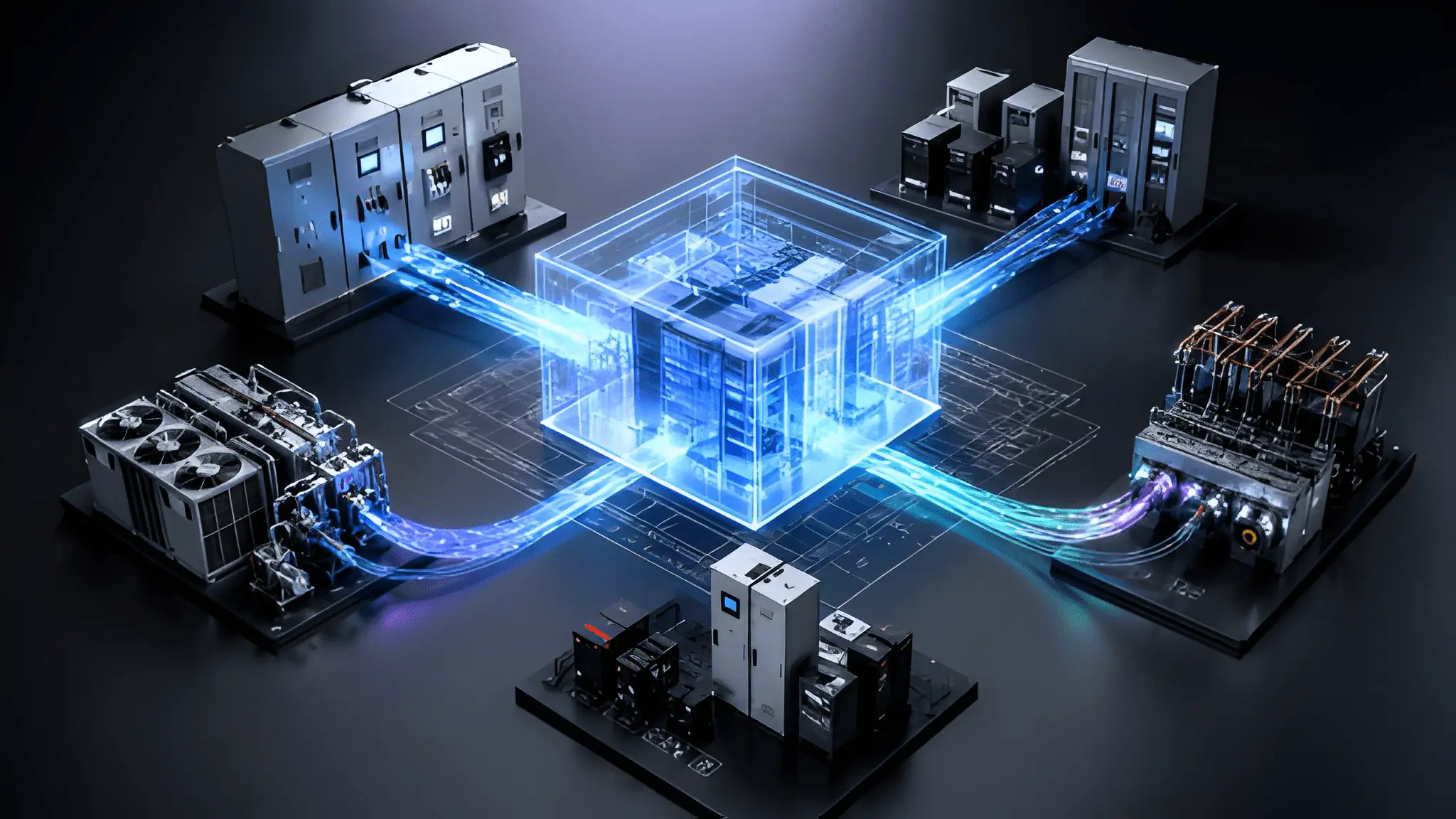
AI projects now begin with conversations that would have seemed unusual only a few years ago. Before a contractor marks the site, teams often sit with switchgear manufacturers, cooling specialists, and power system engineers to determine what the finished facility can realistically become. Those discussions shape structural dimensions, equipment layouts, commissioning strategy, and manufacturing timelines long before excavation starts. The organizations producing critical infrastructure no longer wait for finalized drawings because their engineering decisions influence the drawings themselves. That evolution reflects a practical response to increasingly integrated infrastructure rather than a change in terminology alone. This shift reflects broader adoption of integrated project delivery practices in which engineering coordination extends across design, manufacturing, procurement, construction, and commissioning.

AI infrastructure delivery now depends on aligning manufacturing capability with engineering intent from the earliest planning stages. Electrical distribution, thermal management, controls, and digital monitoring have become interconnected systems whose performance depends on how they function together rather than how each component performs independently. Manufacturers therefore contribute engineering expertise throughout planning, integration, testing, logistics, commissioning, and lifecycle support instead of participating only during procurement. That expanded role broadens engineering collaboration because system performance depends on successful integration across multiple infrastructure disciplines rather than the installation of individual products alone. Meanwhile, executive teams evaluating project risk must assess engineering collaboration with the same rigor as construction execution. Organizations that engage manufacturers during early engineering phases create additional opportunities to improve design coordination, integration planning, and delivery preparedness for large AI infrastructure projects.
The Blueprint Now Starts in the Factory, Not the Trailer
Many large AI infrastructure programs now include manufacturer-led engineering activities before major site construction begins, particularly for prefabricated electrical and mechanical systems. Switchgear, cooling, power distribution, and controls manufacturers now participate in early design sessions because their production methods directly influence structural layouts, equipment spacing, maintenance access, and installation sequencing. Their engineering teams evaluate physical constraints, transportation limits, lifting requirements, service clearances, and interface compatibility before project drawings reach a final stage. That collaboration allows design teams to resolve integration challenges while changes remain relatively inexpensive instead of discovering conflicts during construction. The result is a design process that reflects manufacturing feasibility alongside architectural and operational objectives from the beginning. Engineering decisions therefore incorporate manufacturing constraints, validated assembly methods, and production capabilities before equipment reaches the project site.
Traditional construction workflows often separated design, procurement, fabrication, installation, and commissioning into distinct phases with limited overlap between participating organizations. Many AI infrastructure projects now overlap engineering, manufacturing, procurement, and construction activities to support integrated deployment of high-density computing environments. Manufacturers now develop integrated assemblies, validate control sequences, coordinate software interfaces, and prepare commissioning documentation while civil work continues at the project site. Consequently, production schedules and engineering reviews progress alongside site preparation rather than waiting for one phase to conclude before another begins. This approach reduces field modifications because factory-built systems reach the site with validated interfaces and documented performance expectations already established. The planning process incorporates manufacturing practices such as standardized assembly, documented quality procedures, and coordinated engineering to improve deployment consistency.

The Witness Test That Became More Important Than The Site Walk
Factory acceptance testing provides an established opportunity to verify integrated infrastructure performance before equipment is shipped for installation. Electrical distribution equipment, thermal systems, automation platforms, protection schemes, and monitoring technologies can now undergo coordinated validation under controlled manufacturing conditions. Project teams observe operational behavior, verify control logic, confirm communications between systems, and document performance before equipment leaves the production facility. That level of verification provides evidence that integrated infrastructure functions as designed instead of assuming successful interaction after installation. The process also allows engineering teams to resolve software configuration issues, interface inconsistencies, and operational anomalies without disrupting construction schedules. These activities make manufacturing facilities an important part of project quality assurance by enabling integrated validation before field deployment.
Site inspections remain essential because they confirm installation quality, environmental readiness, utility connections, and commissioning preparation before operational turnover occurs.Their role focuses on confirming installation quality, commissioning readiness, and successful implementation after integrated factory testing has already been completed. Manufacturers, commissioning specialists, contractors, and owner representatives therefore rely on documented factory testing to reduce uncertainty before equipment reaches the project location. Furthermore, digital records generated during manufacturing provide traceability for configuration settings, operational parameters, protective devices, firmware versions, and system documentation throughout deployment. Those records improve continuity between production, installation, commissioning, and ongoing operations because every stakeholder works from a verified technical baseline. Integrated factory testing allows engineering teams to validate system functionality before shipment while field commissioning confirms successful installation and operation.
When Performance Warranty Replaced Parts Warranty
Infrastructure owners commonly evaluate manufacturers using technical performance, lifecycle support, service capability, and system integration in addition to equipment specifications. High-density computing environments require electrical distribution, thermal management, automation, and monitoring platforms to operate as an interconnected ecosystem where each subsystem directly influences overall reliability. Manufacturers therefore participate more deeply in system integration because performance expectations extend beyond delivering compliant hardware. Engineering organizations collaborate with consultants, contractors, and commissioning specialists to validate interoperability, operational sequences, and service readiness before infrastructure enters production use. Many infrastructure agreements now address operating performance, software support, commissioning responsibilities, and lifecycle services alongside traditional equipment warranty provisions. This broader scope of engagement supports alignment between system integration activities and the operational objectives established during project planning.
This collaborative delivery approach defines responsibilities across manufacturers, designers, contractors, and owners throughout the project lifecycle according to contractual scope. Manufacturers increasingly remain engaged during commissioning, startup, software validation, operational optimization, and post-handover support because system performance depends upon coordinated execution rather than isolated product quality. Contractors continue to manage installation activities, while consulting engineers oversee compliance and design intent, yet manufacturers contribute operational expertise that directly influences final outcomes. Likewise, owners gain greater visibility into technical accountability because responsibilities become tied to integrated system behavior instead of individual hardware packages. The delivery model encourages earlier collaboration among engineering disciplines, reducing ambiguity when complex infrastructure moves from factory testing into operational service. Success therefore depends less on the condition of individual components and more on how effectively every engineered system performs together after deployment.
Your Next Data Center Was Manufactured, Not Just Constructed
Describing AI infrastructure solely as a construction project no longer captures how much of its technical value originates inside controlled manufacturing environments. Integrated electrical rooms, prefabricated power modules, cooling assemblies, control panels, and monitoring systems often undergo fabrication, assembly, quality assurance, and functional validation before reaching the project site. Manufacturing processes emphasize dimensional precision, repeatable production methods, documented testing, and standardized workflows that improve consistency across multiple deployments. Construction activities then focus on installing, connecting, commissioning, and validating systems that already exist as engineered products instead of building every subsystem from raw materials on location. This distinction matters because manufacturing disciplines prioritize process control and repeatability while traditional construction naturally accommodates greater variation between individual projects. Understanding that difference helps executive teams evaluate delivery strategies through the lens of industrial production rather than conventional building schedules.
Industrialized delivery also supports long-term operational consistency because standardized production creates repeatable infrastructure across expanding computing portfolios. Engineering documentation, quality procedures, factory testing, logistics planning, and configuration management become integral elements of manufacturing instead of isolated construction deliverables prepared near project completion. Organizations pursuing multiple deployments benefit from consistent engineering practices that simplify maintenance, operational training, lifecycle planning, and future capacity expansion. Repeatability does not eliminate project-specific engineering, but it establishes a reliable foundation that reduces variability across similar infrastructure programs. Manufacturing principles therefore strengthen operational resilience by creating predictable technical outcomes before systems arrive for installation. Viewing infrastructure through that perspective reflects how increasingly sophisticated computing environments are engineered, produced, delivered, and operated today.
Stop Calling Them Vendors If You Want Them to Build Like Partners
AI infrastructure programs increasingly succeed because engineering organizations, manufacturers, contractors, and owners contribute to a shared delivery model instead of operating within isolated contractual boundaries. The organizations producing electrical, cooling, automation, and power systems now influence planning decisions that affect structural design, manufacturing schedules, commissioning readiness, and long-term operational performance from the earliest project stages. Their contribution extends well beyond supplying equipment because production capability, integration expertise, factory validation, and lifecycle knowledge have become essential inputs to successful infrastructure delivery. Treating those organizations as strategic engineering partners encourages earlier technical collaboration, clearer accountability, and more coordinated decision-making across every phase of execution. That perspective also improves project resilience because critical design assumptions receive validation from the teams responsible for manufacturing and supporting the systems throughout their operational life. Recognizing this role reflects the practical realities of delivering increasingly complex AI facilities rather than simply adopting different procurement languages.
Organizations planning future AI capacity should evaluate manufacturing expertise, integration capability, testing methodology, engineering participation, and long-term service support alongside traditional procurement considerations. Early engagement with infrastructure manufacturers enables technical decisions to mature before production begins, reducing uncertainty as projects advance from engineering into deployment. Clear alignment between design intent and manufacturing execution also creates stronger continuity from factory assembly through commissioning and operational turnover. Executive teams therefore benefit from viewing manufacturers as contributors to delivery strategy instead of organizations responsible only for supplying finished equipment. Successful AI infrastructure increasingly reflects coordinated engineering across the complete project lifecycle rather than excellence within any single discipline. That collaborative model positions every participant to deliver infrastructure with greater predictability, consistency, and operational confidence as computing requirements continue to evolve.












