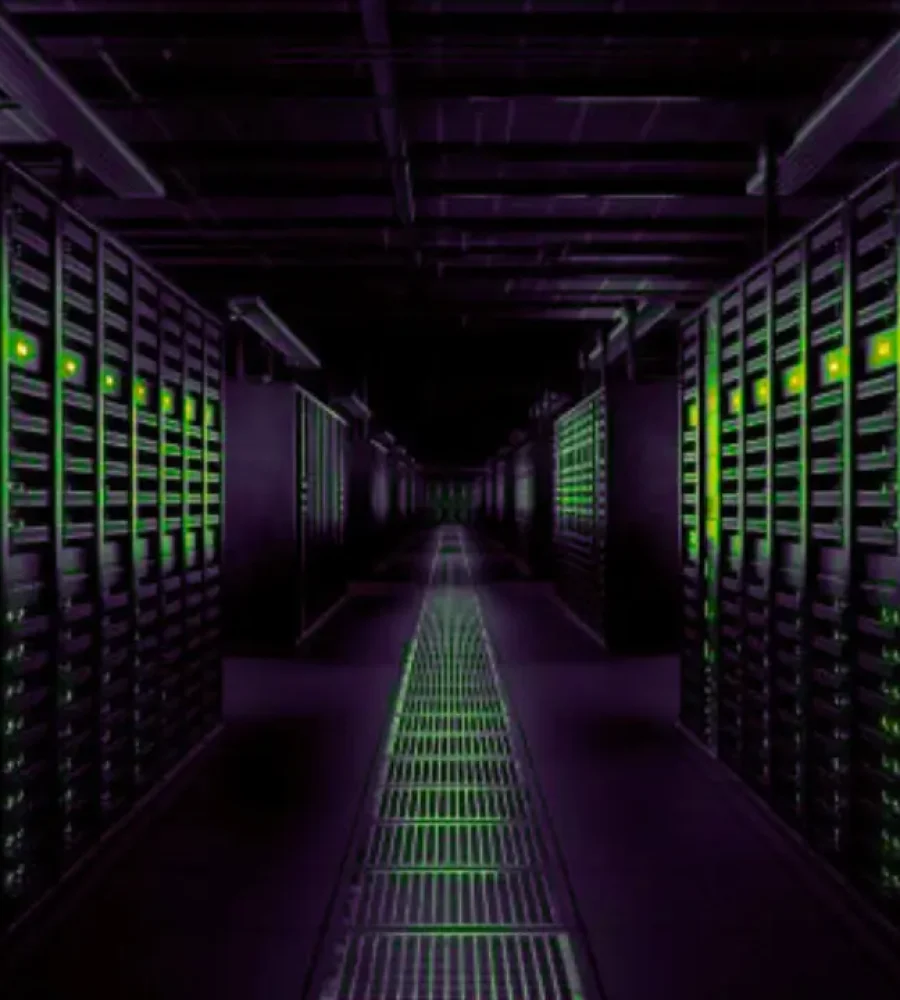
The next wave of artificial intelligence will not be limited by silicon or software, but by something far more fundamental and tangible: electricity. Across global markets, executives no longer debate compute density in isolation because the availability of stable energy now frames every expansion conversation. Boardrooms once centered on latency and fiber routes, yet they now open with grid capacity maps and substation timelines. Although land acquisition once dominated feasibility studies, power feasibility has emerged as the decisive filter before any real estate transaction moves forward. Consequently, artificial intelligence growth corridors increasingly mirror transmission corridors rather than urban tech clusters. This shift underscores how AI infrastructure power strategy now shapes digital expansion decisions from the very first planning conversation.
Grid Access Is the New Land Rush
Developers once competed for parcels near fiber backbones, but today they compete for proximity to substations with available headroom. Transmission corridors now attract more strategic attention than central business districts because immediate interconnection opportunities shorten development risk. As a result, due diligence teams conduct power flow assessments before negotiating land contracts. In several regions, projects pause indefinitely when transmission upgrades face multiyear approval processes. Consequently, industrial zones with pre-existing grid infrastructure gain renewed relevance in digital master plans. Rural areas near renewable generation sites attract interest because they often offer clearer grid pathways than saturated metro hubs.
Grid access has therefore evolved into a strategic land rush shaped by megawatts rather than acreage. Teams now evaluate transformer availability and breaker capacity with the same urgency once reserved for zoning approvals. Infrastructure planners increasingly prioritize brownfield industrial sites where existing substations reduce construction lead times. Because utilities manage interconnection queues carefully, early engagement secures competitive advantage in crowded markets. Speculative land banking without confirmed power pathways exposes capital to prolonged uncertainty. Thus, grid adjacency now dictates not only where facilities rise but also when they realistically enter service.
The Utility Relationship Becomes Strategic
Energy providers once acted as transactional service partners, yet the dynamic now resembles long-term strategic collaboration. Executives increasingly meet utility leadership early in conceptual design phases to align expectations on capacity planning. Rather than submit connection requests after site acquisition, teams now coordinate multi-year load growth projections directly with grid operators. Such engagement builds transparency around upgrade costs and sequencing, which stabilizes investment modeling. The joint planning workshops enable utilities to anticipate concentrated AI-driven load clusters. This shift transforms the provider relationship into a co-development framework anchored in infrastructure synchronization.
Forward-looking operators even embed regulatory specialists who understand tariff structures and grid codes within expansion teams. By doing so, they reduce friction during public utility commission reviews and interconnection hearings. The utilities explore dedicated substations and customized service agreements tailored to high-density compute campuses. Because artificial intelligence workloads can fluctuate sharply, load forecasting collaboration becomes essential for grid stability. Consequently, the partnership evolves beyond billing and into shared infrastructure stewardship. In this environment, trust and long-term coordination often matter more than marginal rate differences.
Clean Energy Commitments Reshape Expansion Plans
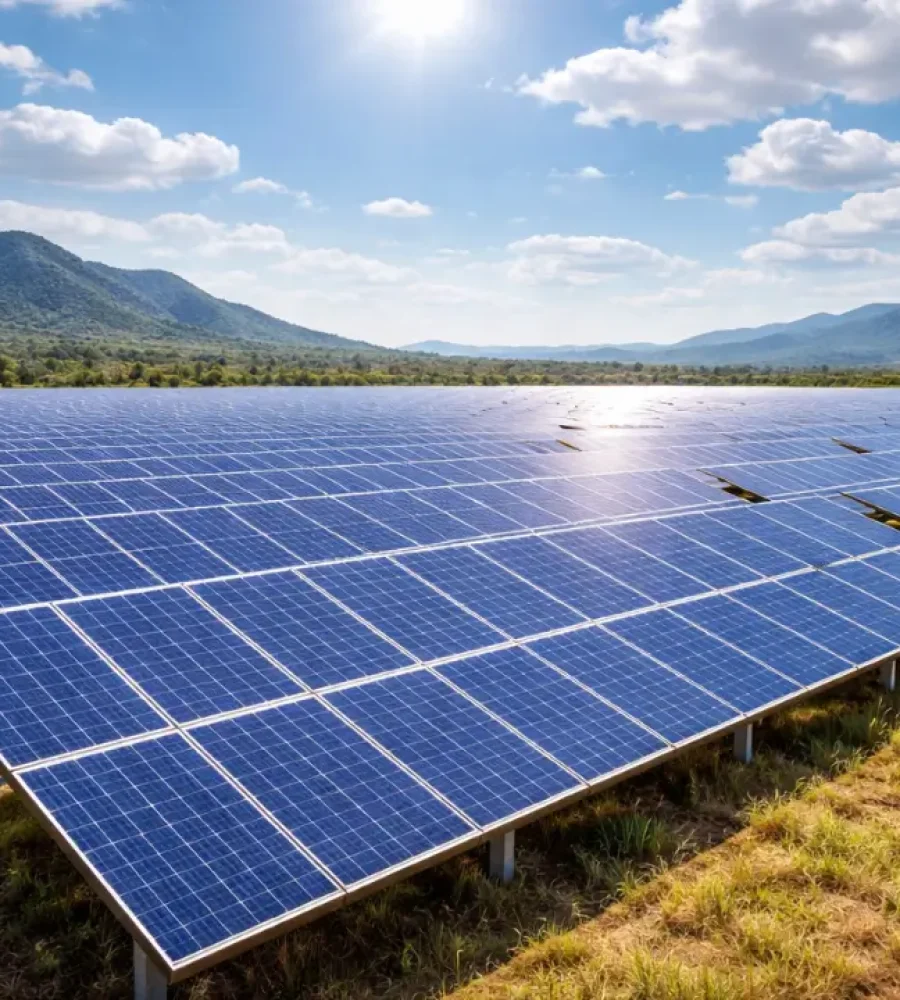
Sustainability expectations increasingly influence where and how new facilities break ground. Corporate climate commitments require alignment between electricity sourcing and decarbonization pathways. As a result, procurement teams negotiate power purchase agreements simultaneously with grid interconnection discussions. Regions with accessible renewable portfolios therefore attract heightened strategic interest. Regulatory bodies also scrutinize environmental impact assessments more closely when large energy loads enter regional systems. In turn, sustainability strategy now shapes geographic expansion decisions at the earliest stage.
Hybrid energy models that combine grid supply with on-site generation continue gaining traction. Battery storage integration enhances resilience while supporting renewable variability. Moreover, renewable procurement often improves stakeholder relations in host communities concerned about grid strain. However, developers must align renewable timelines with commissioning schedules to avoid project delays. Therefore, environmental commitments influence not only brand positioning but also sequencing logic. In practice, energy sourcing now forms a structural pillar of expansion strategy rather than a peripheral objective.
Interconnection Delays Redefine Timelines
Interconnection queues in several markets stretch longer than initial financial models anticipated. Because grid operators must evaluate system impacts thoroughly, approval cycles often extend across multiple planning horizons. Project managers therefore build contingency buffers into construction sequencing. Delays in transmission upgrades can shift market entry strategies toward secondary regions with available capacity. Meanwhile, phased deployment approaches allow partial energization while awaiting full capacity. Such flexibility demands modular design thinking from the outset.
Capital allocation committees increasingly factor queue risk into investment prioritization. Executives scrutinize interconnection agreements with the same rigor applied to lease contracts. Moreover, supply chain coordination must align with revised energization milestones. Because AI infrastructure depends on synchronized commissioning, misaligned grid approvals can cascade across project phases. Consequently, scenario planning becomes essential to manage uncertainty. In this landscape, patience and adaptive sequencing shape competitive resilience.
Power Procurement Moves to the Boardroom
Energy sourcing decisions have migrated from facilities departments to executive strategy forums. Chief executives now recognize that compute roadmaps depend directly on reliable supply commitments. As a result, procurement frameworks integrate long-term hedging, renewable contracting, and infrastructure co-investment. Boards evaluate energy exposure alongside semiconductor supply risks. Furthermore, investor communications increasingly reference energy readiness as a growth enabler. This executive visibility elevates power strategy into a defining governance theme.
Strategic committees often assess geographic diversification through an energy lens. Load forecasting models now inform corporate capital planning cycles. Because artificial intelligence workloads scale rapidly, procurement must anticipate nonlinear demand trajectories. Leadership teams align expansion announcements with confirmed supply frameworks. Energy negotiations therefore influence merger discussions and joint venture structuring. In practical terms, electricity strategy now anchors corporate AI ambition.
Designing Infrastructure Around Energy Reality
Facility architects increasingly design around confirmed capacity rather than aspirational projections. Electrical distribution layouts reflect realistic load allocations approved by grid operators. Engineers prioritize efficiency to maximize compute output within allocated supply envelopes. Cooling strategies adapt to regional energy profiles and climate considerations. The redundancy planning balances resilience with grid constraints. Thus, infrastructure realism guides technical decision-making from blueprint to commissioning.
Developers also evaluate distributed generation options to supplement constrained grids. Microgrid integration offers localized resilience during transmission disruptions. However, such systems require careful synchronization with utility operations. Design teams therefore coordinate protection schemes and load shedding protocols collaboratively. Meanwhile, capacity expansion plans remain modular to accommodate future approvals. Through this approach, infrastructure evolves in harmony with available energy pathways.
AI Growth Will Follow Power Certainty
As artificial intelligence accelerates across industries, energy coordination increasingly shapes its geographic footprint. Regions that demonstrate grid clarity, regulatory predictability, and infrastructure alignment attract sustained digital investment. Investors now interpret transparent energy frameworks as signals of long-term operational stability. Executives align compute ambition with realistic supply planning rather than speculative forecasts. Infrastructure planners collaborate across public and private sectors to ensure synchronized capacity development. The trajectory of artificial intelligence expansion will continue to converge with regions that provide dependable, coordinated, and forward-looking energy ecosystems.