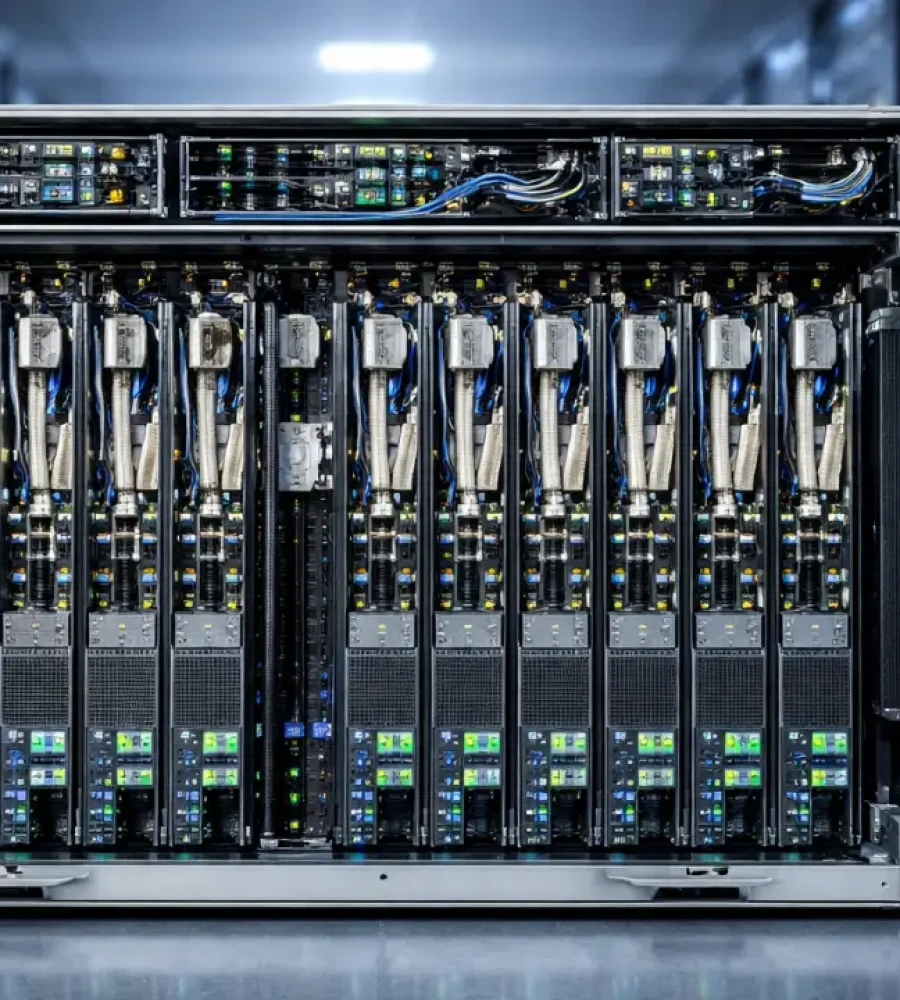
Reducing carbon impact of short-lifecycle compute hardware has emerged as a defining sustainability challenge for modern digital infrastructure. As artificial intelligence, high-performance computing, and real-time analytics accelerate hardware refresh cycles, the environmental footprint of compute infrastructure is increasingly shaped not only by energy consumption during operation, but also by emissions embedded in manufacturing, logistics, and end-of-life processes. Industry attention is shifting toward lifecycle-aware sustainability strategies as hardware turnover accelerates across cloud, enterprise, and edge environments.
Accelerated Hardware Refresh Cycles
Compute hardware refresh cycles have shortened significantly over the past decade. GPUs, AI accelerators, and high-density servers are frequently replaced within three to five years, and in some specialized workloads even sooner. Performance improvements, architectural changes, and efficiency gains drive rapid obsolescence, making older systems less competitive despite remaining functional.
AI and High-Density Workloads as Key Drivers
The rapid expansion of AI model training and inference has intensified demand for specialized hardware. New generations of accelerators deliver step-change improvements in throughput and efficiency, encouraging early retirement of prior systems. This dynamic is particularly visible in hyperscale and enterprise data center deployments, where competitive advantage is closely tied to compute capability.
As operational energy efficiency improves, embodied carbon associated with hardware manufacturing has become a larger share of total lifecycle emissions. Semiconductor fabrication, raw material extraction, and component assembly are energy-intensive processes. For short-lifecycle hardware, the carbon cost of production may outweigh emissions generated during years of operation.
Supply Chain Complexity and Carbon Intensity
Compute hardware supply chains span multiple regions, each with distinct energy mixes and regulatory frameworks. Carbon intensity varies significantly across semiconductor fabrication plants, component suppliers, and assembly locations. Limited transparency across these supply chains complicates accurate lifecycle accounting and sustainability benchmarking.
New hardware generations typically offer higher performance per watt, which can reduce operational energy consumption. However, these gains may not offset the emissions associated with frequent replacement. The sustainability benefit of improved efficiency depends on workload characteristics, utilization rates, and regional power carbon intensity.
Short-lifecycle environments often involve aggressive overprovisioning to accommodate peak workloads or future demand. Underutilized hardware still carries full embodied carbon costs, amplifying the environmental impact when assets are retired early without achieving optimal utilization.
Reducing carbon impact of short-lifecycle compute hardware increasingly requires procurement decisions based on total carbon cost of ownership rather than acquisition price or peak performance alone. This approach accounts for manufacturing emissions, expected utilization, operational energy consumption, and end-of-life outcomes.
Supplier Transparency and Environmental Disclosure
Hardware buyers are placing growing emphasis on supplier disclosures related to manufacturing emissions, recycled material content, and renewable energy usage. Environmental product declarations and lifecycle assessments are becoming critical tools for comparing hardware options beyond technical specifications.
Modular server architectures allow components such as accelerators, memory, and networking to be upgraded independently. This approach reduces the need to replace entire systems when only specific components become obsolete, lowering overall material consumption and embedded emissions.
Matching hardware capabilities more precisely to workload requirements can extend effective service life. Not all workloads require the latest generation accelerators, and strategic workload placement can delay hardware retirement without compromising performance objectives.
Secondary markets for compute hardware are expanding, particularly for enterprise and edge deployments with less demanding performance requirements. Redeployment extends asset lifespans and distributes embodied carbon over a longer operational period, improving overall sustainability outcomes.
Refurbishment and Component Recovery
Refurbishment programs that recover and reuse functional components can significantly reduce demand for new manufacturing. Component-level recovery, including memory and storage devices, supports circular economy principles while maintaining reliability standards.
Advanced compute hardware contains complex materials and tightly integrated components that are difficult to disassemble. High recovery rates for precious metals and rare earth elements remain challenging, limiting the effectiveness of recycling as a sustainability solution.
Geographic Disparities in Recycling Infrastructure
Recycling capabilities vary widely by region, influencing end-of-life outcomes for retired hardware. Inadequate infrastructure can result in lower recovery rates and increased environmental harm, particularly when hardware is exported for processing.
Governments are introducing stricter regulations governing electronic waste handling, reporting, and recycling. Compliance requirements are pushing organizations to improve asset tracking and lifecycle documentation, indirectly encouraging longer hardware utilization.
Carbon Reporting and Scope 3 Accountability
Expanding carbon disclosure frameworks increasingly include Scope 3 emissions, encompassing upstream manufacturing and downstream disposal. Short-lifecycle compute hardware plays a significant role in these emissions categories, elevating its strategic importance in sustainability reporting.
Advanced virtualization and workload orchestration techniques improve hardware utilization rates, increasing the productive output achieved per unit of embodied carbon. Higher utilization delays replacement timelines and improves lifecycle efficiency.
Energy-Aware Scheduling and Optimization
Operational strategies that align compute-intensive workloads with periods of lower grid carbon intensity can reduce overall emissions. While this does not eliminate embedded carbon, it improves the environmental profile of short-lifecycle hardware during its operational phase.
Traditional metrics focused on performance and power efficiency are being supplemented by lifecycle-based sustainability indicators. Carbon intensity per unit of compute delivered is emerging as a more holistic measure of infrastructure efficiency.
Long-Term Implications for Infrastructure Planning
As compute demand continues to rise, reducing carbon impact of short-lifecycle compute hardware will remain a central challenge. Sustainable infrastructure strategies increasingly require coordination across procurement, architecture, operations, and end-of-life management to balance innovation with environmental responsibility.
Short-lifecycle compute hardware reflects the pace of technological progress driving the digital economy. However, the environmental cost of rapid hardware turnover is reshaping sustainability priorities across the industry. By adopting lifecycle-aware procurement, modular design principles, circular economy models, and utilization focused operations, organizations can reduce the carbon impact of fast-refresh compute environments while supporting continued innovation. The challenge is no longer limited to energy efficiency alone, but extends across the full lifecycle of compute hardware in a carbon-constrained world.