
Water the era of AI being pushed into the spotlight as global growth accelerates. Artificial intelligence is re shaping industries, populations are expanding, and demand for energy and natural resources is being intensified. As a result, water is no longer a background input. Instead, it is being treated as a limiting factor for economic and technological progress.
By 2050, the global population is expected to rise by 30%. At the same time, energy demand is projected to increase by 47%. However, a different pressure is approaching sooner. By 2030, a 56% freshwater shortfall is expected worldwide. That imbalance is being viewed as both a risk and an opportunity. Growth can continue, but only if water is managed differently.
Rather than being feared, the freshwater gap is being framed as a leadership moment. Action, however, is required now.
Why Water in the Era of AI Is Under Rising Pressure
Water in the era of AI is being strained by forces that extend beyond population growth. While water supports every industry, its physical limits remain unchanged. In fact, all freshwater on Earth could fit inside a sphere just 35 miles wide. Despite that reality, demand continues to climb.
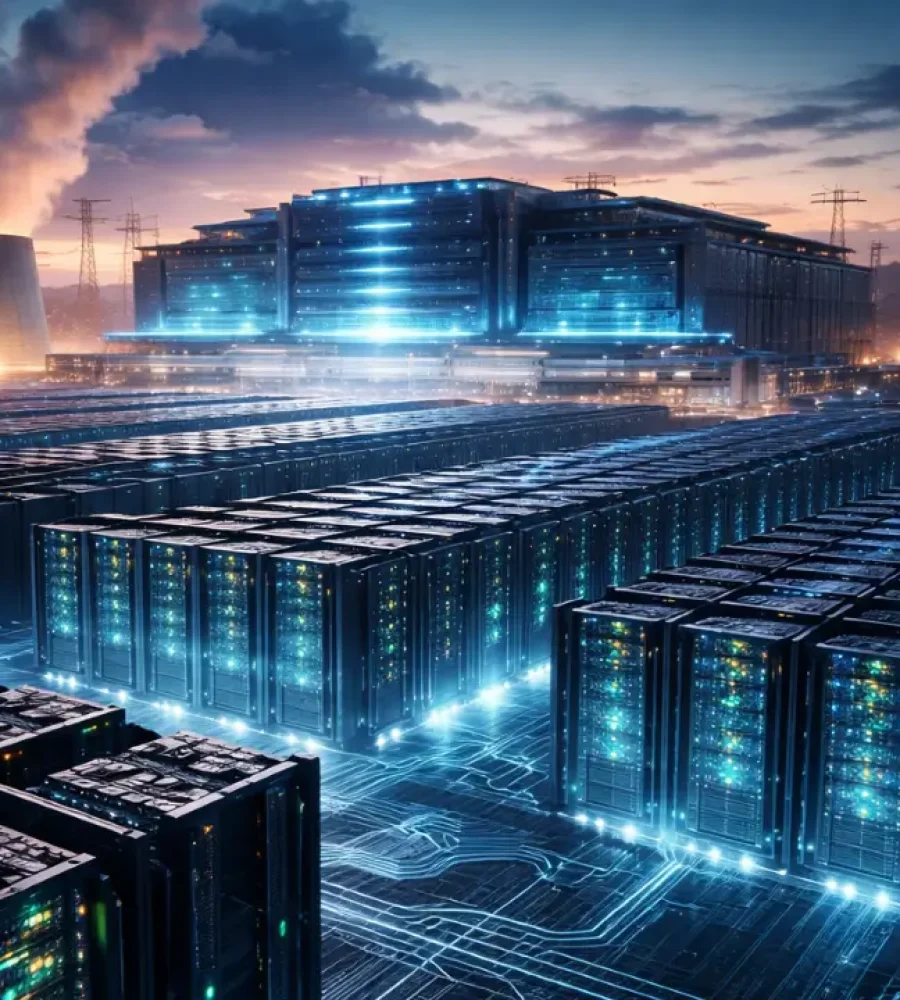
According to Ecolab analysis, AI’s annual electricity use is projected to approach that of India. Meanwhile, its water consumption is expected to match the yearly drinking water needs of the United States by 2030. Each new data center and semiconductor facility adds to that burden.
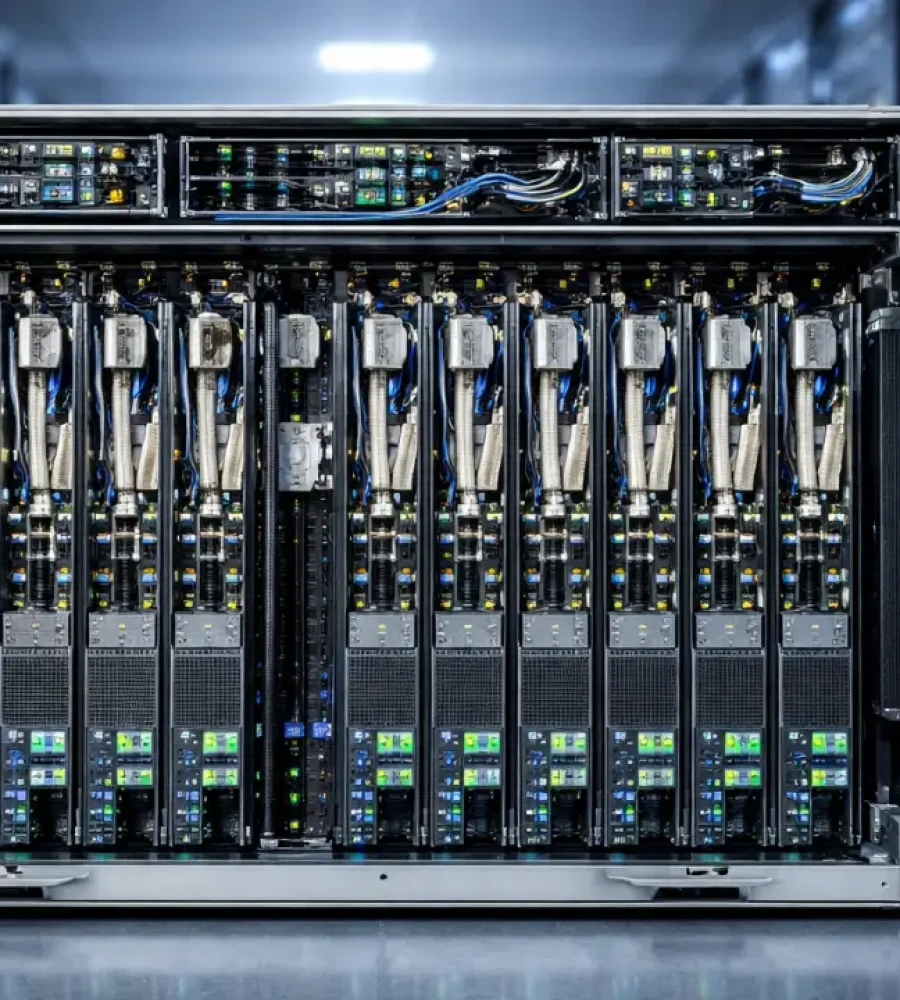
Importantly, power generation alone is not the issue. Heat is created when power is used. To control that heat, water is relied upon to cool servers, racks, and chips. Without effective cooling, systems cannot operate safely.
Semiconductor manufacturing increases the challenge further. Chip production requires ultra-pure water that is 1,000 times cleaner than pharmaceutical-grade standards. As a result, water has become the hidden link between energy, performance, and reliability.
AI may be transforming industries. However, its progress can be slowed if water scarcity is not addressed. While more water cannot be created, usage can be redesigned.
Why Circular Water Solutions Matter in the Era of AI
Today, less than 12% of industrial wastewater is reused. In microelectronics, reuse rates are even lower. As a result, wastewater is increasingly being described as an engineering failure rather than an inevitability.
In response, circular water solutions are being promoted. These systems treat, reuse, and recirculate water, much like natural cycles do. Through circularity, operating costs are reduced and resilience is improved. According to Ecolab research, up to 75% of a production facility’s energy use is tied to water management. Therefore, when water is saved, energy is saved as well.
Public awareness, however, remains uneven. The Ecolab Watermark Study shows that while many consumers recognize AI’s power demands, fewer understand its water footprint. In the United States, 55% of respondents acknowledge AI’s electricity use. Only 46% recognize its water use.
Still, expectations are clear. Most consumers believe water reuse and recycling should be a top business priority. Yet confidence in corporate and government action remains low, hovering near 40% in most regions. That trust gap is becoming harder to ignore.
Transparency and results are being demanded together. Companies that deliver both are more likely to earn trust and sustain growth.
How Water in the Era of AI Is Delivering Business Results
Despite the challenge, impact is achievable. Just 150 companies influence roughly one-third of global water use. As a result, meaningful change is within reach.
Several examples highlight what circular water strategies can deliver:
- In Brazil, Nestlé reduced freshwater use by 175,000 cubic meters through a partnership with Ecolab. That volume equals the annual drinking water needs of more than 159,000 people. At the same time, annual cost savings of $253,000 were achieved.
- In the United States, Digital Realty is piloting AI-enabled water systems across its data centers. Once fully deployed, water use is expected to drop by up to 15%. In addition, up to 126 million gallons of potable water per year could be preserved. Equipment life is also expected to be extended.
These outcomes show that circular solutions can scale. Environmental gains are being paired with lower costs, stronger performance, and reduced risk.
To move beyond pilots, execution frameworks are required. Ecolab’s Best-in-Class program is designed to do exactly that. Performance is benchmarked across sites. High performers are identified. Successful practices are then replicated across operations.
At the center of this approach are circular water solutions. Water is recovered, reused, and optimized. Digital tools and operational expertise are applied together. As a result, efficiency is increased while risk is reduced.
The benefits are measurable. Margins improve. Resilience strengthens. Environmental pressure eases. For communities, strain on shared resources is reduced. For ecosystems, long-term water security becomes more achievable.
Water in the Era of AI Will Shape Sustainable Growth
By 2030, freshwater scarcity is expected to disrupt supply chains, increase costs, and heighten community risk. Because of that, sustainable growth must begin with water.
Without dependable access to water, AI systems cannot scale. Cooling fails, semiconductor production slows, and growth is limited by physical resources rather than technical ambition. Current trends leave little room for complacency. Population growth, rising energy demand, and a widening freshwater gap are converging at the same moment AI adoption accelerates. While new water cannot be created, its use can be redesigned.
For business leaders, water strategy is now inseparable from AI strategy.