 Skip to content
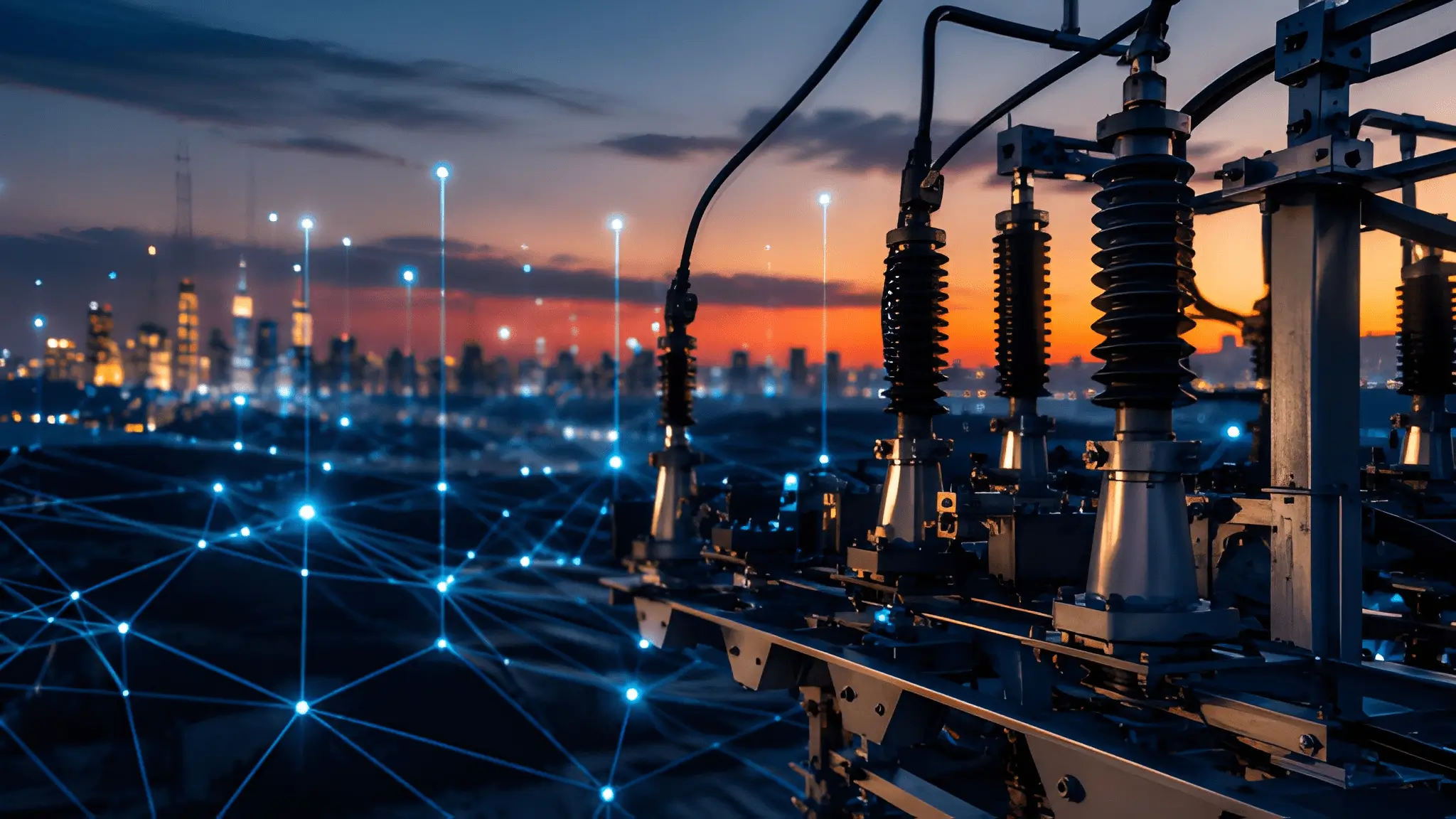
Electricity infrastructure has always influenced industrial development, but AI has compressed planning assumptions that once unfolded across much longer investment cycles. High-density compute clusters require dependable electrical capacity, predictable connection pathways, and infrastructure that can sustain continuous operation without introducing unnecessary uncertainty into deployment schedules. National conversations frequently emphasize semiconductor manufacturing, cloud expansion, and model innovation because those topics capture attention more easily than switchyards, substations, or transmission planning. Infrastructure specialists, however, increasingly recognize that electrical interconnection now determines whether ambitious AI strategies become operational realities or remain planning documents. This shift changes how governments, investors, and developers evaluate national competitiveness because timing has become inseparable from physical access to energy.

Australia illustrates this transition with unusual clarity because demand for new electricity connections increasingly intersects with renewable integration, transmission expansion, industrial electrification, and growing digital infrastructure requirements. Each proposed project enters a broader ecosystem where connection studies, engineering assessments, and network planning must balance reliability across the entire electricity system. That process rarely produces immediate outcomes because network operators must evaluate technical impacts before approving substantial new loads or generation resources. Infrastructure developers therefore compete not only for land or capital but also for time within a complex sequence of engineering decisions that cannot simply be accelerated through additional financial investment. The resulting environment rewards preparation, site quality, and electrical readiness more consistently than ambitious announcements alone.
The 18-Month Clock No One Can Accelerate
Australia’s AI ambitions increasingly intersect with a constraint that receives far less public attention than semiconductor supply or software innovation. Electrical connection timelines now influence deployment decisions because every major compute project ultimately depends on secure integration with the broader power network. Network studies, technical assessments, protection reviews, and system planning require engineering rigor that cannot simply disappear under commercial pressure. Additional investment may improve project preparation, but it cannot remove every stage of technical evaluation that protects grid reliability for all connected users. Development schedules therefore begin to reflect the pace of electrical readiness rather than the pace of hardware procurement. That shift has elevated grid connection timing into one of the defining variables shaping Australia’s practical AI capability.
Infrastructure planning once treated electrical connection as a downstream activity that followed land acquisition, financing, and construction design. AI infrastructure has changed that sequence because electrical feasibility now shapes site selection before architectural planning reaches maturity. Developers increasingly examine available substations, transmission capacity, network topology, and connection pathways before they finalize broader investment decisions. Technical certainty surrounding energization often carries greater operational value than theoretical expansion potential without confirmed electrical access. Reliable schedules matter because advanced computing environments depend upon synchronized delivery of power systems, cooling infrastructure, networking equipment, and specialized processors. Projects that achieve early electrical certainty generally reduce execution risk across every subsequent construction phase.

Queue Position Is Becoming Strategic Capital
Electrical connection queues increasingly function as strategic infrastructure because they determine the sequence through which major projects can progress toward operation. Every proposed development enters an engineering process that evaluates technical compatibility with the surrounding transmission network before physical connection can proceed. Those studies examine system strength, protection coordination, voltage performance, fault behavior, and broader operational impacts that influence the reliability of the entire network. Developers cannot bypass these technical obligations because each new connection affects existing infrastructure and neighboring electricity users. Early preparation therefore creates value by reducing uncertainty before formal applications reach advanced assessment stages. Organizations that recognize this dynamic increasingly integrate electrical strategy into the earliest phases of project development rather than treating it as a late-stage engineering exercise.
The significance of queue position extends well beyond administrative sequencing because it influences financing, procurement, construction planning, and operational scheduling across entire infrastructure programs. Equipment suppliers, engineering contractors, and technology partners all depend upon realistic energization expectations before aligning manufacturing and deployment activities. Uncertain electrical timelines create cascading effects that complicate coordinated execution even when every other project component appears ready for deployment. AI infrastructure magnifies these challenges because specialized hardware frequently arrives within tightly managed delivery windows that assume supporting infrastructure will also become operational on schedule. Electrical readiness therefore becomes a coordinating framework for every parallel workstream associated with large-scale digital infrastructure. The value of technical certainty often exceeds the value of optimistic forecasting because dependable schedules support informed decisions across the complete project lifecycle.
Time Determines Capability Before Compute Arrives
The AI industry often discusses processor availability as though hardware alone determines national technological capability. Physical infrastructure tells a different story because advanced processors remain idle until dependable electrical systems support continuous operation under demanding workloads. Construction teams may complete buildings, install cooling equipment, and prepare networking infrastructure long before permanent electrical service becomes available through approved interconnection pathways. Hardware procurement therefore represents only one milestone within a much broader sequence that depends upon successful energization. Electrical timing ultimately establishes the moment when theoretical computing capacity becomes practical national capability. Nations that appreciate this relationship increasingly evaluate infrastructure readiness through operational timelines rather than purely through announced investment intentions.
Australia’s experience demonstrates that national AI capability increasingly depends upon infrastructure decisions that receive comparatively little public attention despite their strategic significance. Switchyards, substations, transformers, protection systems, and transmission assets collectively establish the physical conditions required for advanced computing to operate reliably. Their importance extends beyond engineering because they define the practical pace at which digital capability can expand within national borders. Discussions surrounding AI leadership therefore benefit from greater recognition of the electrical systems that quietly determine operational reality. Grid connection timing has become a defining measure of infrastructure preparedness because it governs the transition from construction plans to functioning compute environments. The countries that understand this relationship will likely shape future AI deployment through infrastructure discipline rather than hardware acquisition alone.
Owning the Gate, Not Just the Campus
Ownership within AI infrastructure increasingly extends beyond land, buildings, and computing hardware because electrical interconnection now defines the practical boundary between infrastructure that exists on paper and infrastructure that operates in production. A modern AI campus cannot establish sustained computing capability until it secures a dependable pathway through the network assets that connect the site to the wider electricity system. That reality shifts strategic attention toward substations, switching equipment, protection systems, and the point of common coupling where electricity enters the campus under approved operating conditions. Australia’s evolving electricity planning reflects this transition as regulators and network operators devote increasing attention to the technical requirements associated with large electricity users, including AI-oriented data centers. Recent regulatory proposals specifically acknowledge that growing AI and cloud demand requires stronger technical standards for large data center connections in order to preserve system security while supporting expansion.
The strategic value of interconnection also changes how long-term national capability should be interpreted because operational sovereignty begins where dependable electricity enters controlled infrastructure. Every transformer, protection relay, switching arrangement, and high-voltage connection contributes to the resilience of the digital systems operating behind it. Infrastructure planning therefore becomes less concerned with the visual scale of a campus and more focused on the electrical architecture that sustains continuous operation under changing network conditions. Large AI deployments increasingly succeed because engineers design resilient electrical pathways rather than because architects maximize building footprints alone. Australia’s infrastructure landscape demonstrates that future competitiveness depends upon strengthening these physical gateways as demand for high-density computing continues to accelerate alongside broader electrification across the National Electricity Market.
The Point of Common Coupling Has Become a Strategic Asset
The point of common coupling has traditionally represented an engineering boundary where responsibility transfers between the electricity network and the customer installation. AI infrastructure transforms that boundary into a strategic asset because it determines how quickly electrical capacity becomes available to productive computing environments. Every operational decision beyond that interface depends upon the successful completion of protection studies, commissioning activities, compliance testing, and coordinated energization with the relevant network operator. Those engineering activities rarely receive public attention, yet they determine whether sophisticated computing systems operate reliably throughout their expected service life. Stable electrical integration therefore carries strategic importance that extends well beyond conventional project commissioning. The transition from transmission infrastructure to private electrical systems ultimately marks the moment where theoretical AI capability becomes an operational resource within national borders.
Control over this interface also influences future flexibility because substations frequently accommodate expansion pathways that shape the long-term evolution of an AI campus. Engineers who anticipate future electrical growth can incorporate switching arrangements, transformer configurations, and protection philosophies that simplify later development without compromising operational reliability. Such preparation supports phased deployment strategies that align infrastructure investment with practical demand rather than speculative expansion. Electrical planning consequently becomes an iterative process that balances immediate operational needs against future technological evolution. This perspective encourages infrastructure that remains adaptable without sacrificing engineering discipline. Strategic ownership therefore increasingly reflects control over expandable electrical architecture instead of simply controlling additional real estate.
Infrastructure Control Begins Before Compute Control
Conversations surrounding AI sovereignty frequently concentrate on processors, software platforms, and model development because those elements appear closest to technological innovation. Physical infrastructure introduces a more practical sequence because electrical systems must operate successfully before computational systems can produce meaningful outcomes. Every inference request, training workload, and storage operation ultimately depends upon dependable electrical supply delivered through carefully engineered infrastructure. That dependence shifts attention toward the physical systems that quietly enable digital capability rather than toward visible computing equipment alone. Infrastructure control therefore precedes compute control in every meaningful operational sense. National capability emerges through the successful integration of both disciplines instead of emphasizing one at the expense of the other.
Australia offers an increasingly relevant illustration because planners now evaluate digital demand alongside broader changes occurring across the electricity sector. Expanding renewable generation, transmission investment, storage deployment, industrial electrification, and rapidly growing AI demand all compete for engineering attention within the same interconnected network. Decision makers therefore benefit from viewing substations and connection infrastructure as long-term strategic assets instead of isolated engineering components. Electrical resilience strengthens digital resilience because every operational AI environment inherits the characteristics of the infrastructure supporting it. Planning decisions made during electrical design consequently influence digital performance long after construction activities conclude. Infrastructure ownership therefore extends beyond property boundaries into the electrical systems that make sustained computation possible.
Where Electrons Turn Into Autonomy
Artificial intelligence becomes strategically meaningful only after dependable electrical infrastructure supports continuous computation under controlled operating conditions. Processors may execute complex inference workloads, yet every operation still depends upon electricity delivered through substations, transformers, switchgear, and carefully engineered protection systems. Those components establish the operational boundary where digital capability transitions from procurement plans into functioning infrastructure. Australia’s electricity sector increasingly recognizes that rapidly expanding digital demand requires stronger coordination between transmission planning and large electricity users because electrical reliability directly influences future computing capacity. The substation therefore represents more than an engineering asset because it defines the location where national infrastructure enables autonomous digital capability within domestic borders. As AI workloads continue expanding across research, manufacturing, and advanced digital services, electrical infrastructure increasingly determines whether those workloads remain locally executable or depend upon capacity located elsewhere.
The conversation surrounding AI sovereignty therefore benefits from shifting away from software alone toward the infrastructure that enables sustained digital independence. Nations cannot exercise meaningful operational control over advanced computing without dependable domestic electrical systems capable of supporting high-density workloads under predictable conditions. Electrical infrastructure provides the continuity that allows AI services to remain available despite changing operational environments across the wider grid. Strategic resilience consequently emerges through infrastructure that remains physically controllable, technically reliable, and operationally maintainable over decades rather than through hardware generations that evolve every few years. Australia’s future digital competitiveness will therefore depend upon how effectively electrical infrastructure continues supporting increasingly sophisticated computational demand without compromising wider system stability. The point where electricity enters an AI campus ultimately becomes the point where national capability begins operating in practical rather than theoretical terms.
Operational Sovereignty Begins at the Substation
Modern substations increasingly function as operational control points rather than passive electrical assets because every downstream digital process depends upon the stability established at this interface. Protection systems continuously evaluate network conditions, transformers regulate voltage for downstream equipment, and switching arrangements provide the operational flexibility required to maintain reliable service during maintenance or unexpected disturbances. AI infrastructure relies upon this coordinated electrical architecture because high-performance processors demand exceptionally stable operating environments throughout continuous computational workloads. Software resilience alone cannot compensate for inconsistent electrical performance because every interruption propagates upward into storage systems, networking equipment, and computational resources. Infrastructure engineers therefore prioritize redundancy, protection coordination, and operational visibility before digital workloads ever begin executing. This engineering philosophy explains why substations increasingly occupy a central position within discussions about national AI readiness rather than remaining hidden within conventional utility planning.
Australia’s electricity transformation further reinforces the strategic role of substations because expanding renewable generation, new transmission corridors, and growing digital demand all require more sophisticated coordination across the National Electricity Market. AI developments entering this environment inherit both the opportunities and responsibilities associated with increasingly dynamic network conditions. Engineers therefore design interconnection strategies that preserve grid security while supporting reliable long-term growth for electricity-intensive infrastructure. This balanced approach strengthens national capability because resilient electrical integration benefits both individual developments and the broader power system supporting them. Infrastructure maturity consequently reflects the successful alignment of engineering discipline with long-term digital strategy instead of emphasizing rapid deployment without adequate technical preparation. The substation ultimately becomes the operational foundation upon which every subsequent layer of AI capability depends.
Infrastructure Reliability Shapes Digital Independence
Digital independence depends upon continuous service rather than isolated moments of computational performance because AI systems increasingly support applications that expect uninterrupted availability. Electrical infrastructure therefore becomes inseparable from operational resilience because every computational process ultimately reflects the stability of the power systems supporting it. Reliable substations, coordinated protection, and carefully engineered switching arrangements create conditions where advanced processors can operate without unnecessary electrical disruption. Infrastructure investment consequently produces value that extends well beyond immediate energization because dependable electrical architecture supports multiple generations of digital technology over extended operational lifecycles. National capability therefore develops through infrastructure continuity instead of isolated technology procurement decisions. Long-term planning increasingly recognizes that resilient electrical assets retain strategic importance regardless of how rapidly computing hardware evolves.
Behind every successful AI deployment exists an electrical design philosophy that emphasizes operational predictability over short-term optimization. Engineers evaluate maintenance strategies, equipment redundancy, fault tolerance, protection selectivity, and future expansion pathways because resilient infrastructure must remain dependable throughout changing operational requirements. This preparation reduces lifecycle risk while supporting continuous adaptation as computational demand evolves over time. AI infrastructure consequently benefits from electrical systems designed for sustained flexibility instead of narrowly defined present-day requirements. Infrastructure resilience therefore represents an ongoing engineering commitment rather than a one-time construction milestone. Strategic autonomy grows stronger when electrical systems continue supporting new generations of digital capability without requiring fundamental redesign.
Behind the Meter Is Inside the Border
Behind-the-meter electrical architecture increasingly represents a strategic design choice because it determines how AI infrastructure continues operating when conditions across the broader electricity network become less predictable. Traditional discussions often describe behind-the-meter systems as mechanisms for improving reliability or optimizing energy consumption, yet their significance now extends much further. Modern AI environments depend upon uninterrupted computation, predictable electrical quality, and carefully coordinated operational control that remains independent of short-term fluctuations beyond the site boundary. Australia’s evolving electricity landscape reinforces this perspective because large electricity users increasingly evaluate how onsite electrical resilience complements the wider National Electricity Market rather than replacing it. The resulting infrastructure philosophy focuses on maintaining operational continuity while respecting the technical requirements of the interconnected grid. Behind-the-meter capability therefore becomes an important component of national digital resilience because it strengthens local operational certainty without reducing broader system stability.
The importance of behind-the-meter infrastructure also reflects a broader shift in how nations evaluate digital capability because operational independence increasingly depends upon infrastructure that remains locally controllable. AI workloads supporting domestic services derive strategic value from the ability to continue operating through resilient electrical systems designed and maintained within national jurisdiction. Local infrastructure therefore supports confidence that essential computational capacity remains available when external conditions become more demanding. Engineers achieve this outcome through coordinated electrical architecture rather than isolated hardware investments because dependable operation requires every supporting system to function together. Australia’s continued investment in transmission modernization and distributed energy integration complements this approach by encouraging stronger coordination between onsite resilience and network reliability. Behind-the-meter design consequently represents an important layer within the broader architecture of sovereign digital infrastructure rather than merely an enhancement to conventional electrical engineering.
Operational Continuity Depends on Local Electrical Control
Operational continuity begins with the ability to manage electrical resources inside the site boundary without introducing unnecessary complexity into the wider electricity network. Engineers increasingly integrate intelligent switchgear, battery energy storage, standby generation, advanced monitoring systems, and automated control platforms into AI campuses because these technologies improve operational flexibility during changing electrical conditions. Each component contributes to a coordinated architecture that prioritizes mission-critical computing while maintaining compliance with broader network operating requirements. AI infrastructure benefits from this layered approach because different electrical resources can respond according to predefined operational priorities rather than improvised decision-making during unexpected events. Local electrical control therefore supports resilience through preparation instead of reactive intervention. Infrastructure maturity increasingly reflects how effectively these systems operate together rather than the individual performance of any single technology.
This design philosophy also supports long-term adaptability because AI workloads continue evolving much faster than conventional infrastructure planning cycles. Electrical systems capable of accommodating changing demand profiles allow operators to introduce new generations of computing hardware without fundamentally redesigning the supporting power architecture. Engineers therefore emphasize modular electrical distribution, scalable protection systems, and expandable energy management capabilities that remain useful throughout multiple technology refresh cycles. Such preparation reduces operational disruption while preserving flexibility for future infrastructure development. Behind-the-meter resilience consequently becomes a strategic investment in long-term operational capability instead of a response to isolated reliability concerns. Infrastructure planning increasingly values adaptability because electrical systems must continue supporting digital innovation across decades rather than individual procurement cycles.
Infrastructure Resilience Defines Domestic AI Capability
National AI capability depends upon infrastructure that remains dependable throughout changing operational conditions because critical digital services increasingly require uninterrupted computational availability. Behind-the-meter systems contribute to this resilience by providing controlled electrical pathways that support continuity without compromising the integrity of the broader electricity network. Engineers design these systems around operational discipline, protection coordination, equipment redundancy, and intelligent monitoring rather than assuming constant external operating conditions. This approach strengthens confidence that AI infrastructure can continue supporting domestic priorities while remaining fully integrated with Australia’s interconnected electricity system. Electrical resilience therefore becomes an essential characteristic of digital sovereignty because dependable infrastructure underpins every computational service operating behind it. Local control complements national infrastructure by reinforcing stability where computation actually occurs.
Infrastructure resilience also supports responsible long-term planning because dependable electrical systems encourage sustainable expansion rather than rapid deployment without adequate engineering preparation. Operators who understand lifecycle performance increasingly evaluate maintenance strategies, equipment health monitoring, and future scalability alongside initial energization requirements. Those considerations ensure that today’s infrastructure remains capable of supporting tomorrow’s computational demands without introducing avoidable operational constraints. Electrical architecture consequently becomes a living system that evolves with technology while preserving dependable performance across successive generations of AI hardware. Long-term resilience therefore reflects continuous engineering stewardship instead of one-time construction achievement. Strategic capability grows strongest where infrastructure remains adaptable, observable, and operationally dependable over extended periods.
Land With Permission Is Worth More Than Land With Promise
AI infrastructure development increasingly demonstrates that the strategic value of land depends less on its physical size and more on its readiness for dependable electrical integration. Large undeveloped sites may appear attractive during early planning discussions, yet they frequently require extended environmental reviews, transmission studies, network upgrades, and complex approval processes before energization becomes possible. Industrial locations with established electrical infrastructure, existing network interfaces, and proven development histories often provide a more practical foundation for advanced computing because they reduce uncertainty across multiple stages of project execution. Australia’s evolving energy and planning landscape reinforces this distinction as developers increasingly prioritize locations that combine electrical maturity with realistic construction pathways. Readiness increasingly carries greater strategic significance than theoretical development potential because operational capability depends upon infrastructure that can move from planning into execution with fewer unknowns.
Established industrial precincts also offer advantages that extend beyond electrical infrastructure because they frequently possess transportation access, workforce familiarity, utility coordination, and planning histories that reduce implementation uncertainty. Those characteristics contribute to stronger project predictability by allowing infrastructure teams to focus on engineering integration rather than resolving entirely new development conditions. Communities that already possess experience with industrial activity often provide a more informed foundation for discussions surrounding additional infrastructure investment because planning frameworks have evolved alongside previous development. This history does not eliminate regulatory review or technical assessment, but it frequently creates a more mature environment for evaluating future proposals. Infrastructure developers therefore increasingly recognize that historical operational context contributes tangible value alongside physical land characteristics. Australia’s industrial transformation illustrates how embedded infrastructure and accumulated planning experience together influence the practical readiness of locations intended for future AI deployment.
Existing Infrastructure Creates Strategic Momentum
Infrastructure maturity develops gradually through decades of coordinated investment, engineering refinement, operational experience, and network expansion rather than appearing immediately after land acquisition. Locations that already support industrial activity frequently inherit substations, transmission corridors, road access, water services, communications infrastructure, and planning mechanisms that collectively reduce development complexity. AI infrastructure benefits from these accumulated assets because project teams can concentrate on integrating advanced computing systems instead of creating every supporting utility from the beginning. Engineers therefore approach mature industrial locations with greater confidence because many foundational requirements already exist within an established operational framework. This inherited capability creates strategic momentum that extends well beyond the physical characteristics of the land itself. Infrastructure planning increasingly values these cumulative advantages because they reduce uncertainty while supporting more predictable project execution.
Existing network relationships also simplify coordination between developers, electricity providers, engineering consultants, and regulatory authorities throughout successive phases of project delivery. Organizations working within established industrial environments often possess greater familiarity with technical expectations, operational procedures, and long-term infrastructure planning priorities. That experience improves communication while reducing avoidable delays associated with unfamiliar development conditions. AI infrastructure particularly benefits from this collaborative environment because successful deployment requires close coordination across electrical engineering, construction management, cooling systems, communications networks, and commissioning activities. Predictable collaboration therefore becomes an operational advantage rather than merely an administrative convenience. Mature infrastructure ecosystems create conditions where technical excellence can remain the primary focus throughout project development.
Social License Strengthens Infrastructure Readiness
Infrastructure projects operate most effectively when long-term planning reflects constructive engagement with surrounding communities and established regional development priorities. Social acceptance contributes practical value because successful infrastructure depends upon enduring relationships alongside engineering excellence. Communities familiar with industrial activity frequently possess a stronger understanding of infrastructure planning processes, environmental oversight, and long-term operational expectations. That familiarity encourages more informed discussion while supporting transparent evaluation of future developments within existing planning frameworks. Infrastructure readiness therefore extends beyond physical assets into the institutional experience that develops through sustained interaction between developers, regulators, technical specialists, and local stakeholders. AI infrastructure increasingly benefits from this broader foundation because long-term operational success depends upon stability across both engineering and planning environments.
Planning certainty becomes especially valuable where multiple infrastructure sectors continue expanding simultaneously across energy, manufacturing, logistics, communications, and digital services. Established industrial regions often possess governance structures capable of coordinating these overlapping priorities through experience gained over many years of infrastructure development. Such coordination improves the efficiency of technical review while preserving the engineering standards required for dependable long-term operation. Developers consequently encounter environments where infrastructure planning follows familiar processes supported by institutional knowledge rather than entirely new administrative pathways. This accumulated experience contributes directly to project confidence because fewer uncertainties remain unresolved during implementation. Strategic land therefore represents a combination of physical readiness, engineering capability, and planning maturity rather than geographic availability alone.
Time Is the New Sovereignty
Artificial intelligence infrastructure has traditionally been evaluated through discussions surrounding compute capacity, electrical availability, and technology investment, yet deployment timelines increasingly determine whether those advantages translate into operational capability. Infrastructure that becomes available years after demand emerges cannot deliver the same strategic value as infrastructure capable of supporting advanced workloads when national requirements actually arise. Australia now faces an environment where electrical planning, transmission development, and connection sequencing increasingly influence the pace at which AI infrastructure enters service. This shift encourages a broader understanding of readiness because operational capability depends upon the interaction between engineering schedules and technological ambition rather than either factor in isolation. Time therefore becomes a measurable infrastructure resource that shapes every subsequent investment decision across the AI ecosystem. Nations that understand this relationship increasingly evaluate readiness through predictable energization pathways instead of viewing electrical capacity as an isolated planning objective.
The importance of deployment timing extends well beyond individual projects because synchronized infrastructure development allows electricity systems, digital networks, cooling technologies, and computing hardware to become operational as a coordinated whole. Delays affecting one component inevitably influence every connected workstream regardless of the maturity of surrounding infrastructure. Engineering teams therefore devote increasing attention to sequencing activities that reduce uncertainty across construction, commissioning, and energization without compromising technical quality. Australia’s evolving electricity system demonstrates why disciplined planning remains essential as transmission expansion, renewable integration, distributed energy resources, and digital infrastructure continue advancing simultaneously. Infrastructure readiness consequently reflects the quality of coordination rather than the scale of individual investments alone. Time becomes strategically valuable because it preserves alignment between infrastructure that must operate together from the first day of production.
Energization Timelines Have Become Strategic Infrastructure
Electrical energization marks the transition where infrastructure moves from construction into sustained operational service under real network conditions. Every preceding activity ultimately exists to support this milestone because AI hardware, cooling systems, communications infrastructure, and operational software all depend upon dependable electrical supply before delivering practical value. Engineers therefore structure projects around commissioning sequences that verify equipment performance, protection coordination, network compatibility, and operational safety before continuous service begins. These technical activities require deliberate execution because each contributes directly to long-term infrastructure reliability throughout the operational lifecycle. Infrastructure maturity consequently reflects successful commissioning as much as successful construction because dependable performance begins only after energization occurs. Strategic planning increasingly recognizes this milestone as one of the defining measures of national AI readiness.
Predictable energization timelines also strengthen investment confidence because infrastructure participants can coordinate manufacturing, logistics, installation, workforce planning, and operational transition around dependable engineering schedules. Equipment suppliers benefit from realistic deployment expectations while construction teams reduce unnecessary disruption associated with uncertain commissioning windows. Technology providers similarly align hardware delivery with infrastructure readiness rather than storing valuable computing resources before electrical systems become available. This coordination reduces execution risk while supporting more efficient use of technical expertise across multiple infrastructure disciplines. Project success therefore depends upon synchronized engineering instead of isolated optimization within individual workstreams. Time emerges as an organizing principle that connects every phase of AI infrastructure delivery from initial planning through long-term operation.
Planning Discipline Creates Long-Term Capability
Long-term digital capability emerges from disciplined infrastructure planning because resilient electrical systems require careful coordination across engineering, construction, commissioning, and operational management. AI infrastructure succeeds when each supporting system reaches operational maturity according to realistic technical schedules rather than optimistic commercial expectations. Engineers therefore prioritize design verification, equipment testing, operational training, maintenance preparation, and future scalability before infrastructure enters continuous service. This methodical approach strengthens lifecycle performance because infrastructure remains dependable long after construction activities conclude. Planning discipline consequently contributes directly to operational resilience instead of merely extending development schedules. Strategic capability develops through engineering confidence rather than accelerated implementation.
Infrastructure planning also gains strategic value because today’s electrical decisions influence multiple future generations of digital technology. Substations, transmission interfaces, protection systems, and distribution architecture frequently remain in service while computing hardware evolves through several replacement cycles. Decisions affecting these foundational assets therefore require perspectives extending well beyond immediate deployment objectives. Engineers increasingly evaluate adaptability alongside present-day requirements because future AI systems will continue demanding dependable electrical infrastructure regardless of technological change. Long-term capability consequently depends upon infrastructure that accommodates evolution without sacrificing operational reliability. Planning discipline creates flexibility by ensuring that foundational systems remain technically robust throughout changing digital requirements.
From Model Race to Ground Race
For much of the past decade, discussions surrounding artificial intelligence centered on processor performance, model architecture, and computational scale because those elements represented the most visible indicators of technological advancement. That conversation now extends toward a more fundamental question concerning where advanced computing can operate reliably within the physical constraints of modern electricity infrastructure. Every AI model ultimately requires a location capable of sustaining continuous electrical supply, thermal management, digital connectivity, and long-term operational resilience before software delivers practical value. Australia’s infrastructure planning increasingly illustrates this transition because electrical integration, site readiness, and transmission access now influence deployment decisions alongside technology procurement. Strategic advantage therefore shifts toward locations capable of supporting dependable computation rather than merely acquiring advanced hardware. The competitive landscape increasingly rewards organizations that secure operationally mature infrastructure instead of focusing exclusively on computational capability.
Ground readiness also reflects the broader relationship between national infrastructure planning and long-term digital resilience because successful AI deployment depends upon coordinated progress across multiple engineering disciplines. Electrical systems, communications networks, transport infrastructure, cooling technologies, and construction logistics must all reach operational maturity through carefully synchronized implementation. Weakness within any supporting system can delay practical deployment regardless of advances occurring elsewhere within the technology ecosystem. Infrastructure therefore becomes the common foundation linking every stage of AI development from planning through sustained production. Australia’s evolving infrastructure landscape demonstrates why strategic preparation increasingly outweighs isolated technological achievements when evaluating future digital capability. National competitiveness consequently depends upon securing the physical environments where advanced computation can continue operating reliably throughout successive generations of technological change.
Physical Readiness Determines Digital Readiness
Digital infrastructure begins with physical readiness because advanced processors require dependable electrical, mechanical, and communications systems before computational workloads can execute consistently. Engineers therefore approach AI campuses as integrated infrastructure environments where substations, cooling systems, electrical distribution, fiber connectivity, and operational monitoring function as interdependent components rather than independent technologies. This perspective recognizes that resilient computation depends upon coordinated engineering across every supporting discipline instead of isolated excellence within individual systems. Infrastructure maturity consequently becomes a prerequisite for digital maturity because operational capability emerges only after foundational systems achieve dependable performance. Site readiness therefore represents a strategic characteristic that influences every subsequent phase of AI deployment. The physical environment ultimately establishes the limits within which computational innovation can succeed.
Ground preparation also creates opportunities for long-term adaptability because thoughtfully designed infrastructure accommodates changing computational requirements without requiring continuous reconstruction of foundational systems. Expandable substations, modular electrical distribution, scalable cooling architecture, and resilient communications pathways allow AI campuses to evolve alongside rapidly advancing technology. Engineers increasingly emphasize flexibility because future hardware generations will inevitably demand different operating characteristics while continuing to depend upon reliable infrastructure. This planning philosophy strengthens long-term investment value because foundational assets remain useful throughout multiple technology refresh cycles. Infrastructure therefore supports innovation not by remaining static but by providing dependable platforms capable of accommodating continuous evolution. Strategic readiness consequently reflects the capacity to support future technological change rather than present-day operational requirements alone.
Infrastructure Endures Longer Than Technology Cycles
Technology evolves rapidly through successive generations of processors, storage systems, networking equipment, and software platforms, yet the infrastructure supporting those technologies frequently remains operational for decades. This difference in lifecycle encourages decision makers to prioritize long-term engineering resilience because foundational assets continue influencing digital capability long after individual hardware platforms become obsolete. Electrical substations, transmission interfaces, distribution systems, and cooling infrastructure therefore represent strategic investments whose value extends across multiple generations of computational innovation. Engineers increasingly evaluate infrastructure according to adaptability, maintainability, and operational reliability rather than immediate performance alone. These characteristics allow future technologies to integrate successfully without requiring fundamental reconstruction of supporting systems. Infrastructure consequently becomes the enduring platform upon which successive waves of AI innovation continue developing.
Long-lived infrastructure also strengthens national resilience because dependable electrical systems provide continuity during periods of rapid technological change. Organizations may replace processors, update software, and redesign computational architectures many times while continuing to rely upon the same substations, switchgear, and transmission connections established years earlier. This continuity reduces lifecycle risk because foundational engineering remains stable despite evolving digital requirements. Infrastructure planning therefore emphasizes durability alongside flexibility to ensure that today’s investments continue supporting tomorrow’s innovations. Long-term capability emerges where engineering decisions anticipate change without sacrificing operational dependability. The infrastructure supporting AI increasingly reflects strategic thinking measured across decades rather than procurement cycles.
Sovereignty Lives in the Switchyard
The progression from grid connection to sustained AI operation reflects a sequence of engineering decisions that collectively determine long-term national capability. Land selection, transmission access, substation readiness, protection coordination, behind-the-meter resilience, and disciplined commissioning all contribute to infrastructure capable of supporting future generations of digital technology. Each element reinforces the others because resilient computation depends upon the successful integration of multiple engineering systems rather than isolated technological excellence. Australia’s continued modernization of electricity infrastructure provides an opportunity to strengthen this relationship by aligning long-term energy planning with the practical requirements of advanced digital infrastructure. Infrastructure strategy therefore becomes inseparable from AI strategy because operational readiness emerges only after dependable electrical systems reach sustained service. The countries that understand this relationship will increasingly define technological leadership through infrastructure discipline rather than technology acquisition alone.
Switchyards rarely appear in discussions surrounding artificial intelligence because they lack the visibility associated with processors, software platforms, or cloud services, yet they quietly determine whether those technologies can operate within national borders. Every transformer, circuit breaker, protection relay, and high-voltage connection contributes to the stability required for continuous computational performance across increasingly demanding AI workloads. Infrastructure therefore represents far more than physical support because it establishes the practical framework within which national digital capability develops over decades. Australia’s recent energy planning and grid modernization initiatives demonstrate that dependable electrical infrastructure has become an essential consideration for future AI deployment alongside advances in computing technology. The switchyard represents the physical point where electricity enters the infrastructure that enables AI systems to operate, underscoring the essential role of power infrastructure in supporting long-term national digital capability.












