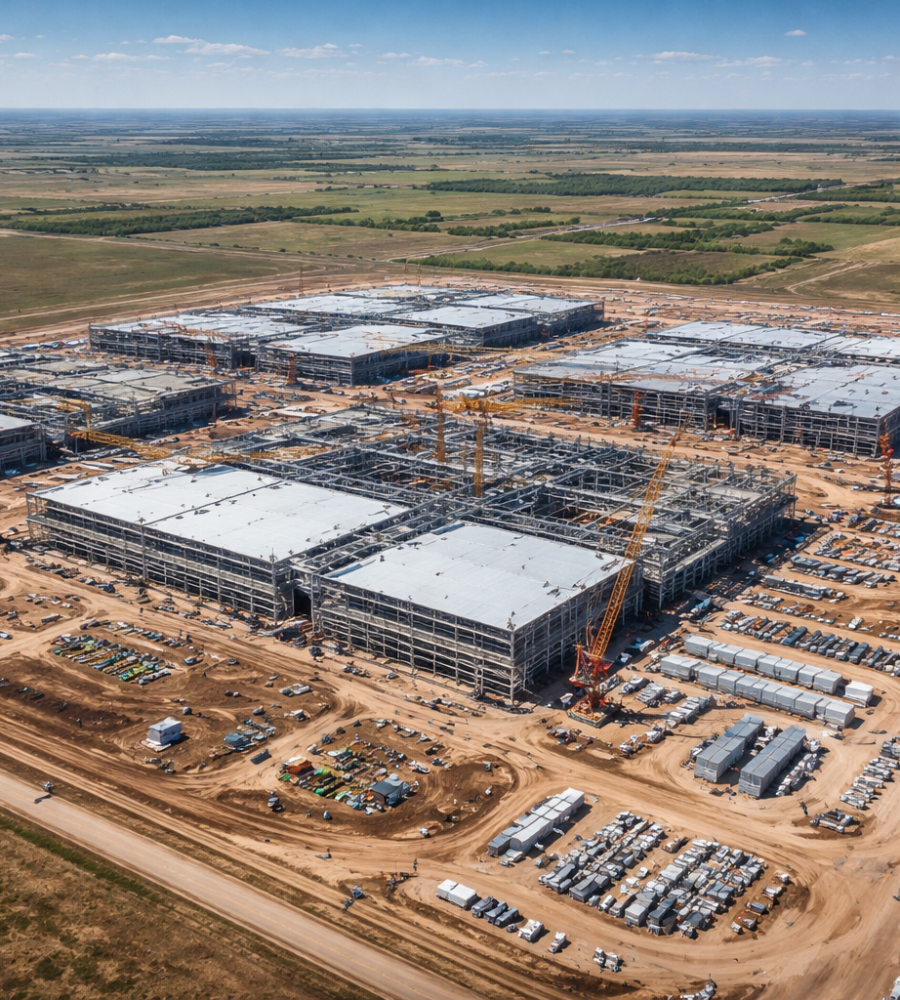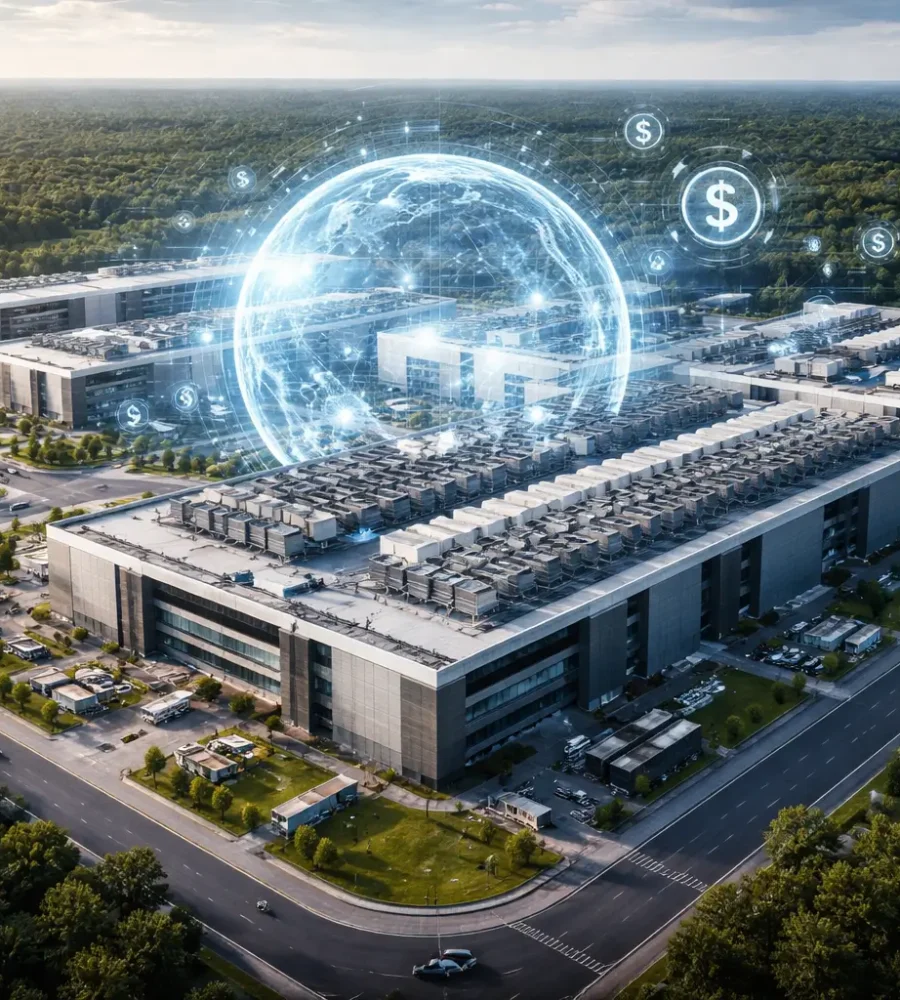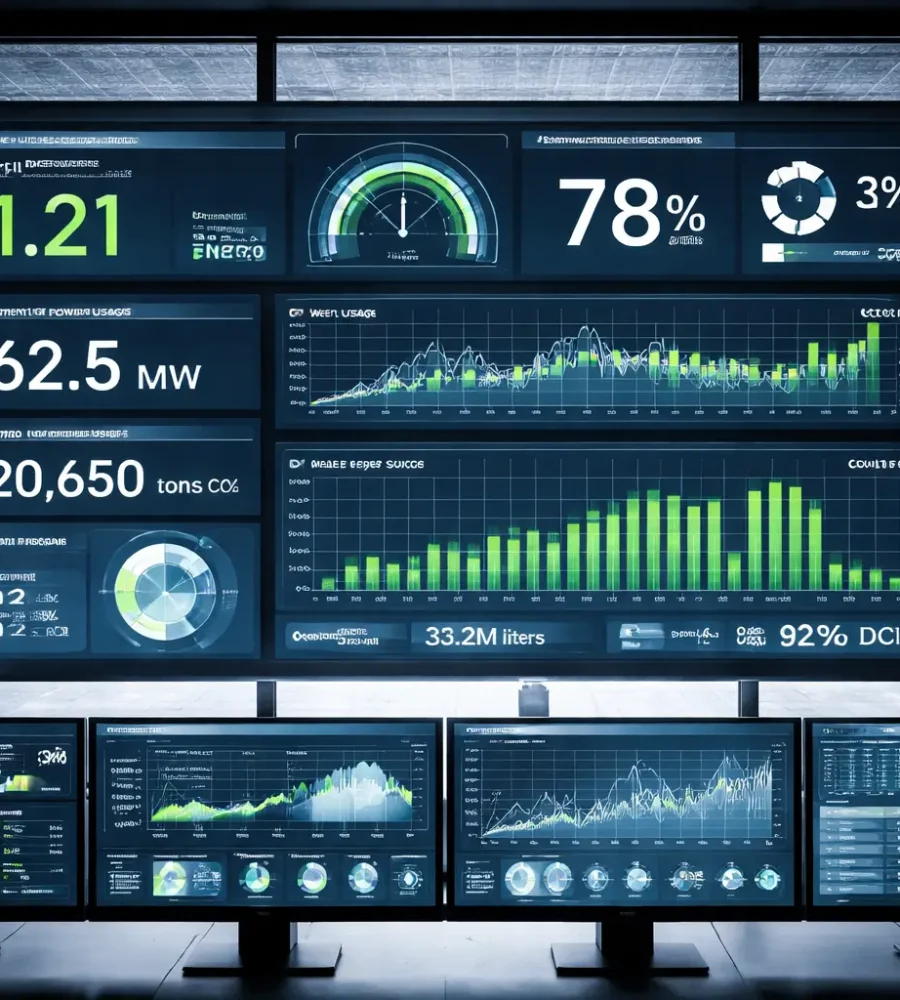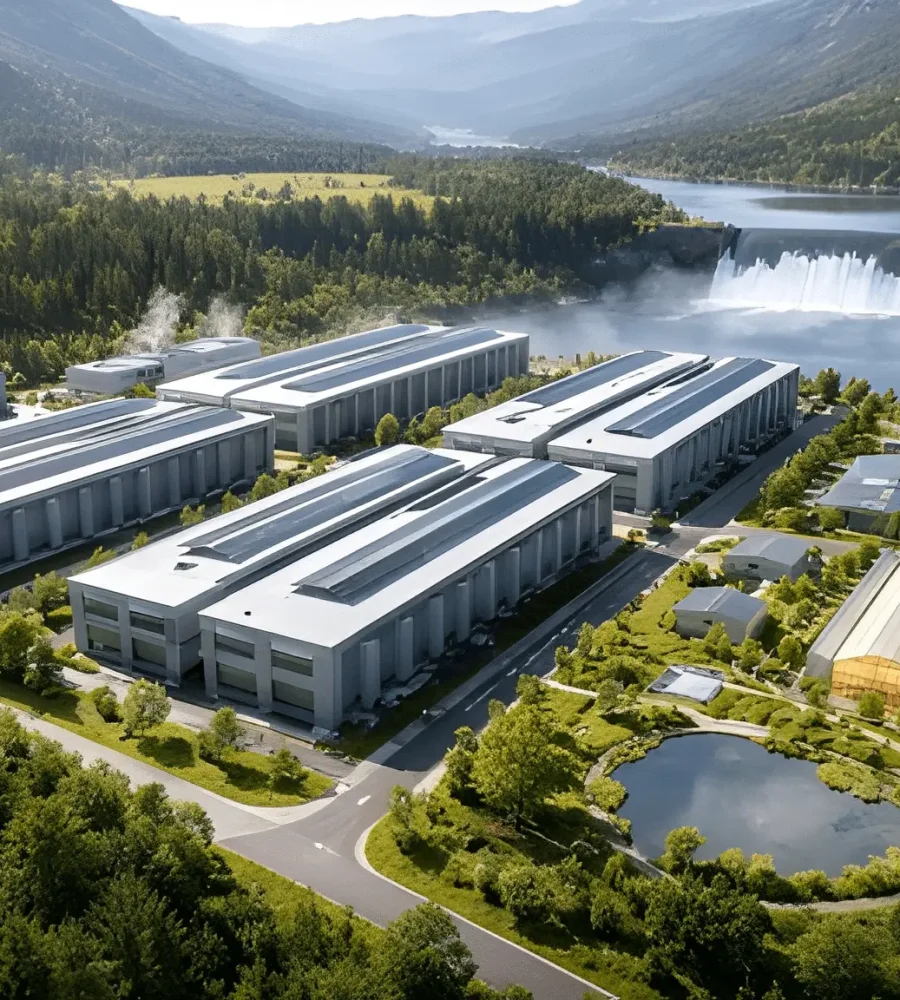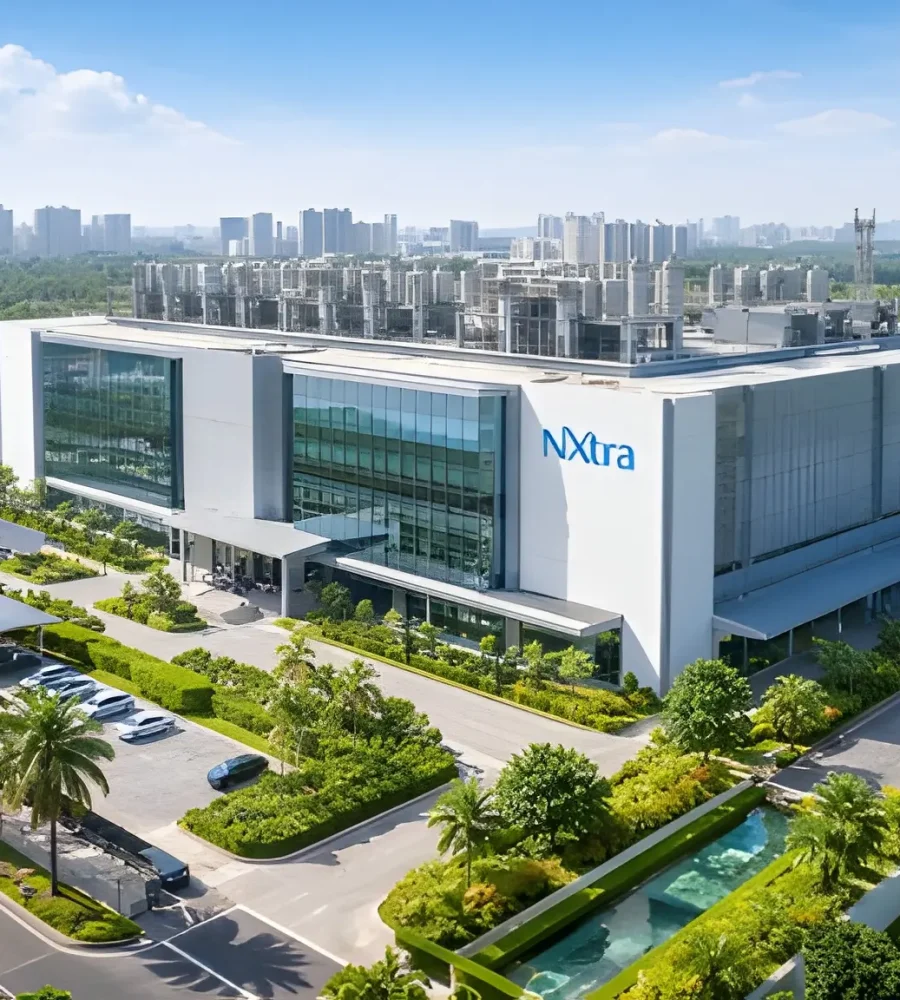

Colocation once operated as a clearly bounded layer where infrastructure ownership and workload intent aligned with high visibility and operational clarity. Operators provisioned deterministic environments while tenants mapped applications directly to physical resources with full visibility into constraints. That alignment begins to fracture as cloud control planes abstract infrastructure decisions away from the physical layer. Workloads now shift based on orchestration logic that rarely considers facility-level context or constraints. The physical environment continues to anchor compute, yet it no longer dictates how compute behaves. This separation introduces a structural shift where colocation persists but evolves into a less explicitly defined layer within the stack.
Ownership vs Abstraction: Where Colocation Loses Control
Historically, Colocation provided a direct mapping between infrastructure ownership and workload execution boundaries. Tenants controlled hardware placement, network topology, and scaling decisions within clearly defined physical limits. Cloud orchestration layers now intercept that control through schedulers and APIs that treat infrastructure as fluid capacity. Workloads move across zones, regions, and hybrid endpoints without exposing the physical decisions underneath. This abstraction reduces the operational relevance of fixed placement within a colocation facility. Control shifts upward into software layers that operate independently of physical ownership.
In practice, control planes increasingly govern workload behavior through scheduling policies, health checks, and resource allocation logic. These systems evaluate constraints such as latency and availability without referencing facility-level design parameters. Colocation operators continue to supply power, cooling, and connectivity, yet they lose insight into workload intent and behavior. This disconnect can limit the ability to optimize infrastructure for specific application patterns. The infrastructure becomes reactive rather than prescriptive in how it supports workloads. The shift introduces asymmetry between those who orchestrate workloads and those who host them.
Deterministic placement once allowed operators to predict load distribution across racks and power domains. Abstracted environments reduce that predictability through dynamic allocation driven by orchestration policies. Workloads may cluster unpredictably, creating localized stress on power and cooling systems. Operators must design for variability rather than stable distribution patterns. This requirement increases complexity in capacity planning and facility design. The reduced determinism in placement can weaken one of the foundational advantages of colocation environments.
Why Rack-and-Power Models Break Under AI Load Variability
Colocation pricing and design models traditionally rely on stable rack density and predictable power consumption. AI workloads introduce variability that can challenge those assumptions at both compute and electrical levels. Training clusters can generate periods of elevated power demand, while inference workloads often sustain fluctuating loads across distributed nodes. These patterns create uneven stress across power distribution units and cooling systems. Static allocation models fail to accommodate the dynamic nature of GPU-driven workloads. This mismatch is prompting operators to rethink how capacity aligns with evolving workload behavior.
High-density GPU deployments generate concentrated heat zones that exceed traditional air-cooling design thresholds. Thermal gradients form within racks, creating uneven cooling requirements across adjacent systems. Operators increasingly deploy liquid cooling or hybrid cooling strategies to maintain stability under these conditions. Cooling infrastructure shifts from uniform airflow models to adaptive thermal management systems. This transition complicates facility design and increases operational sensitivity to workload placement. The standardization that once defined colocation environments begins to erode under these pressures.
AI workloads can produce less uniform power draw patterns that challenge traditional electrical distribution systems. Sudden spikes in demand can stress power delivery infrastructure beyond expected thresholds. Operators must design systems that accommodate rapid fluctuations without compromising stability. This requirement introduces additional redundancy and dynamic load balancing mechanisms. Electrical infrastructure becomes more complex as variability replaces predictability. The traditional rack-and-power model struggles to represent this evolving reality.
From Megawatts to Managed Stacks: The Colo Expansion Pressure
Colocation providers historically focused on delivering physical infrastructure components as discrete services. Modern workloads demand integrated environments that include orchestration, monitoring, and automation capabilities. Tenants expect infrastructure that aligns with cloud-native deployment models rather than isolated physical resources. This expectation pushes operators toward managed service layers that extend beyond traditional offerings. The transition requires new expertise in software systems and lifecycle management. Infrastructure alone is increasingly insufficient to fully define the value proposition of colocation.
Operators begin integrating orchestration frameworks directly into their environments to support hybrid deployments. These integrations enable tenants to manage workloads across colocation and cloud environments through unified interfaces. The approach aligns infrastructure with cloud-native operational models while maintaining physical control. However, integration introduces dependencies on external platforms and APIs. Operators must balance interoperability with independence to avoid losing strategic positioning. This shift moves colocation closer to platform territory without fully transitioning into it.
The introduction of managed services blurs the distinction between infrastructure and platform layers within colocation environments. Monitoring, automation, and orchestration tools become embedded within the facility ecosystem. Tenants interact with these tools rather than directly with physical infrastructure components. This interaction model reduces the visibility of the underlying hardware layer. Colocation becomes an integrated part of a broader system rather than a standalone offering. The boundary between infrastructure and software continues to narrow.
Hybrid Isn’t Transitional—It’s Locking in Infrastructure Complexity
Hybrid architectures persist due to latency, regulatory constraints, and workload-specific requirements. These environments distribute applications across multiple infrastructure layers with interdependent relationships. These dependencies tend to increase the complexity of network design and workload orchestration. Operators must support these patterns without introducing additional latency or failure points. Hybrid models no longer represent transitional states but stable configurations within modern infrastructure. The persistence of hybrid architectures can sustain infrastructure complexity rather than fully resolving it.
Interconnection infrastructure determines how effectively hybrid environments operate across distributed systems. Low-latency connectivity between cloud and colocation nodes becomes critical for workload performance. Operators must invest in high-capacity network fabrics that support dense interconnection requirements. Network design shifts from optional enhancement to core infrastructure component. The value of colocation increasingly depends on its connectivity ecosystem. Interconnect density becomes a defining characteristic of modern facilities.
Latency-sensitive workloads require proximity between compute resources and network endpoints. Colocation facilities must position themselves within network topologies that minimize transmission delays. This requirement influences site selection and infrastructure design decisions. Operators must consider latency as a primary factor rather than a secondary optimization. Network topology becomes tightly coupled with workload performance characteristics. The relationship between physical location and application behavior strengthens under hybrid models.
Cloud Owns the Interface, Colocation Owns the Constraint
Cloud platforms define how infrastructure gets consumed through APIs, orchestration layers, and control abstractions that shield users from physical realities. Users provision compute, storage, and networking through declarative interfaces that translate intent into distributed execution across regions and zones. Colocation facilities still anchor the physical execution of those workloads, yet they remain invisible within the interaction layer. This separation places colocation in a position where it primarily reflects physical constraints without directly influencing consumption patterns.Power density limits, cooling thresholds, and spatial design boundaries shape what cloud platforms can deliver, even when those limits remain hidden from users. The control interface belongs to the cloud, while the physical constraint layer remains anchored within colocation environments.
Constraints within colocation environments surface indirectly through performance degradation, resource throttling, or placement limitations enforced by orchestration systems. Cloud schedulers adapt to these constraints without exposing their origin, which prevents users from associating behavior with physical infrastructure. Operators must manage these limitations while lacking influence over how workloads approach them. This dynamic reduces the strategic role of colocation to one of silent enforcement rather than active participation. Infrastructure becomes a boundary condition rather than a design variable in application development. The invisibility of constraints reinforces the dominance of cloud interfaces.
Virtualized environments create the perception of unlimited scalability, yet physical infrastructure defines the actual limits of that scalability. Colocation facilities determine how much power, cooling, and space exist to support expanding workloads. Cloud platforms stretch these limits through abstraction, but they cannot eliminate them. Operators must anticipate growth patterns driven by external orchestration systems without direct coordination. This disconnect introduces planning challenges that require overprovisioning and adaptive design strategies. The illusion of abundance depends on the stability of underlying constraints.
Platform Ambitions vs Asset Reality: Where Colos Get Stuck
Colocation providers are increasingly incorporating platform-like capabilities by integrating orchestration and service layers. This ambition reflects the need to remain relevant within ecosystems dominated by software-defined infrastructure. Physical assets, however, impose constraints that limit how far this transformation can extend. Facilities require long-term capital planning, fixed layouts, and deterministic engineering decisions that contrast with the fluid nature of software platforms. Operators must reconcile these opposing characteristics while maintaining reliability and performance. The result creates tension between platform aspirations and asset-bound realities.
Software platforms iterate rapidly through updates, feature releases, and architectural shifts driven by evolving workload demands. Colocation infrastructure evolves on significantly longer cycles due to construction timelines, regulatory approvals, and capital investment structures. This mismatch creates friction when operators attempt to align with cloud-native ecosystems. Features introduced at the software layer may require physical adjustments that cannot occur at the same pace. Operators must design infrastructure with enough flexibility to absorb future changes without constant redesign. The gap between software velocity and infrastructure cycles remains a persistent constraint.
Physical infrastructure introduces rigidity that limits the adaptability required for platform evolution. Rack layouts, power distribution paths, and cooling systems cannot change dynamically in response to shifting workload patterns. Operators must anticipate future requirements during initial design phases, which introduces uncertainty into planning. This rigidity contrasts with the elasticity expected from modern platforms. The inability to reconfigure assets quickly restricts how colocation environments can respond to new demands. Platform ambitions remain constrained by the fixed nature of infrastructure.
Interconnection Density Is Replacing Space as the Core Metric
Colocation once measured value through available space and power capacity, reflecting its role as a hosting environment for physical infrastructure. Modern workloads increasingly prioritize connectivity alongside physical footprint, elevating the importance of interconnection density. Facilities that provide access to diverse network providers, cloud on-ramps, and exchange points gain strategic importance. This shift reflects the increasing dependence of applications on distributed architectures. Interconnection enables low-latency communication across hybrid and multi-cloud environments. Space remains necessary, but connectivity defines relevance.
Dense network ecosystems, therefore, create environments where data flows efficiently between interconnected systems. Consequently, colocation facilities that host multiple carriers, cloud providers, and exchange points become critical hubs within global infrastructure. As a result, these ecosystems reduce latency and improve performance for distributed workloads. Accordingly, operators must invest in network infrastructure that supports high-capacity interconnection without bottlenecks. In turn, the presence of a rich connectivity fabric becomes a competitive differentiator. Ultimately, infrastructure value shifts toward network centrality rather than physical scale.
Applications increasingly span multiple cloud environments, requiring seamless connectivity between them. Colocation facilities act as neutral points where these connections can occur with minimal latency. Operators must support cross-cloud routing, traffic optimization, and secure interconnection frameworks. This capability transforms colocation into an integration layer rather than a standalone environment. Connectivity becomes essential for maintaining application performance across distributed systems. The facility evolves into a network exchange hub within the broader infrastructure landscape.
AI Infrastructure Is Forcing Customization Beyond Colo Standardization
Standardization once allowed colocation providers to scale efficiently by offering uniform rack configurations and power envelopes. AI infrastructure introduces requirements that place pressure on this model through high-density compute, specialized cooling, and custom hardware configurations.GPU clusters demand tailored environments that differ significantly from traditional enterprise workloads. Operators must accommodate these requirements without compromising overall facility stability. Customization becomes necessary to support advanced compute workloads. The standardized model gives way to bespoke infrastructure design.
High-density AI systems generate heat levels that exceed the capabilities of traditional air-cooling systems. Liquid cooling technologies provide more efficient heat transfer and enable higher compute density within limited space. Operators must integrate these systems into facility design while maintaining compatibility with existing infrastructure. This integration introduces new operational challenges related to maintenance and reliability. Cooling systems evolve from supporting components to central infrastructure elements. The shift reflects the growing influence of AI workloads on facility design.
AI workloads require configurations tailored to specific performance and efficiency goals. Operators must support custom rack layouts, power distribution schemes, and network topologies. This requirement contrasts with the uniform offerings that defined traditional colocation environments. Custom deployments are increasingly complementing uniform offerings.Facilities must balance flexibility with standardization to maintain efficiency. The evolution toward bespoke deployments changes how colocation services are structured and delivered.
Hyperscaler Demand Is Distorting Colo Design Priorities
Hyperscale cloud providers increasingly anchor colocation capacity through large, pre-committed deployments that reshape facility design from the outset. Operators align site selection, power provisioning, and layout decisions with the requirements of a small number of high-volume tenants. This alignment introduces concentration risk while reducing flexibility for smaller or diverse workloads. Facilities begin to reflect the operational patterns of hyperscalers rather than a broad tenant base. Design priorities shift toward scalability and efficiency at large deployment scales instead of adaptability across varied use cases. The influence of hyperscalers extends beyond tenancy into the architectural DNA of colocation environments.
Operators increasingly adopt build-to-suit strategies that tailor infrastructure to specific hyperscaler requirements before construction begins, although not universally across all deployments. These deployments optimize power density, network topology, and cooling systems for predefined workload patterns. This approach reduces uncertainty for large tenants while limiting flexibility for future reconfiguration. Facilities designed under this model struggle to accommodate workloads that deviate from initial assumptions. The infrastructure becomes tightly coupled to a narrow set of operational expectations. Build-to-suit strategies redefine how capacity gets planned and allocated within colocation ecosystems.
Large tenants secure significant portions of available capacity, leaving fragmented space for smaller deployments. This allocation pattern changes how operators manage utilization and expansion planning. Infrastructure decisions prioritize the needs of anchor tenants, which can marginalize other use cases. Operators must balance long-term commitments with the need for operational diversity. The dominance of hyperscaler demand reshapes the economic structure of colocation facilities. Capacity becomes a strategic asset influenced by a limited number of actors.
Neutrality Is Fading as Cloud Dependencies Deepen
Colocation traditionally positioned itself as a neutral environment where multiple providers could coexist without preference. Deep integration with cloud platforms introduces dependencies that can influence how neutrality is maintained in practice. Facilities often prioritize connectivity and optimization for dominant cloud providers to meet tenant expectations. This prioritization creates implicit hierarchies within what once operated as neutral ecosystems. Operators must navigate these dynamics without alienating other participants. Neutrality evolves from a defining principle into a conditional characteristic.
Multi-cloud architectures enable distribution of workloads across multiple providers, although practical implementations may sometimes concentrate activity around specific platforms depending on workload requirements. Colocation facilities reflect this imbalance through connectivity patterns and resource allocation. Operators must support multiple providers while recognizing uneven demand distribution. This dynamic influences how infrastructure gets provisioned and optimized. The theoretical neutrality of multi-cloud environments does not fully translate into operational neutrality. Power concentration persists within distributed architectures.
Proximity to major cloud regions becomes a critical factor in colocation site selection and facility design. Operators prioritize locations that enable low-latency connections to dominant cloud platforms. This emphasis shapes network topology and interconnection strategies. Facilities increasingly function as extensions of cloud ecosystems rather than independent environments. Design decisions align with cloud adjacency requirements rather than neutral positioning. The shift reflects the growing influence of cloud platforms on infrastructure design.
Colocation Is Becoming an Invisible Layer in Cloud Architectures
Colocation is less explicitly represented as a distinct layer in many modern infrastructure diagrams. Cloud-native architectures abstract physical infrastructure to the point where its presence becomes implicit rather than explicit. Workloads interact with APIs and orchestration systems without referencing the underlying environment. Colocation continues to host significant portions of this infrastructure, yet it operates without direct visibility to users. This reduced visibility reflects its integration into broader systems rather than its absence. The role of colocation shifts from visible choice to embedded foundation.
Embedded Infrastructure Replaces Explicit Choice
Developers and operators increasingly deploy workloads without selecting specific physical environments. Orchestration systems determine placement based on policy and availability, removing manual decision-making from the process. Colocation facilities become one of many possible execution environments within these systems. This shift reduces the need for explicit infrastructure selection. The infrastructure layer integrates seamlessly into automated workflows. Colocation becomes part of a continuous execution fabric rather than a discrete option.
Despite reduced visibility, dependence on colocation infrastructure continues to grow as workloads expand in scale and complexity. High-density compute, interconnection hubs, and hybrid deployments all rely on physical facilities to function effectively. The lack of visibility does not reduce importance but changes how that importance gets perceived. Operators must maintain reliability without direct recognition from end users. Infrastructure becomes critical yet backgrounded within the system. This paradox defines the evolving role of colocation in cloud architectures.
Colocation Doesn’t Decline—It Gets Absorbed Into the Stack
Colocation does not disappear under cloud dominance, but it no longer operates as an independent layer with clear boundaries and control. The rise of abstraction, orchestration, and distributed architectures integrates colocation into broader infrastructure systems. Its role shifts toward enforcing constraints, enabling interconnection, and supporting high-density compute environments. Operators must adapt to reduced visibility while managing increasing complexity across physical and virtual layers. The identity of colocation evolves from standalone service to embedded infrastructure component. This transformation reflects absorption into the stack rather than decline within it.