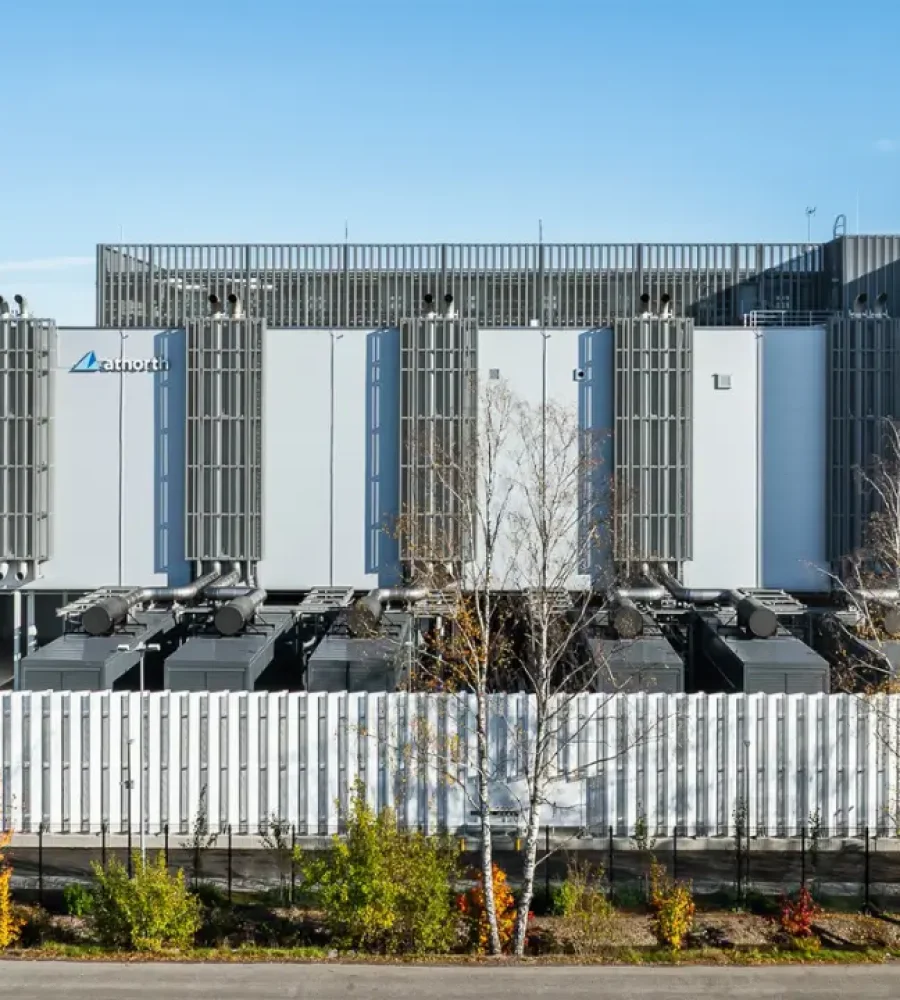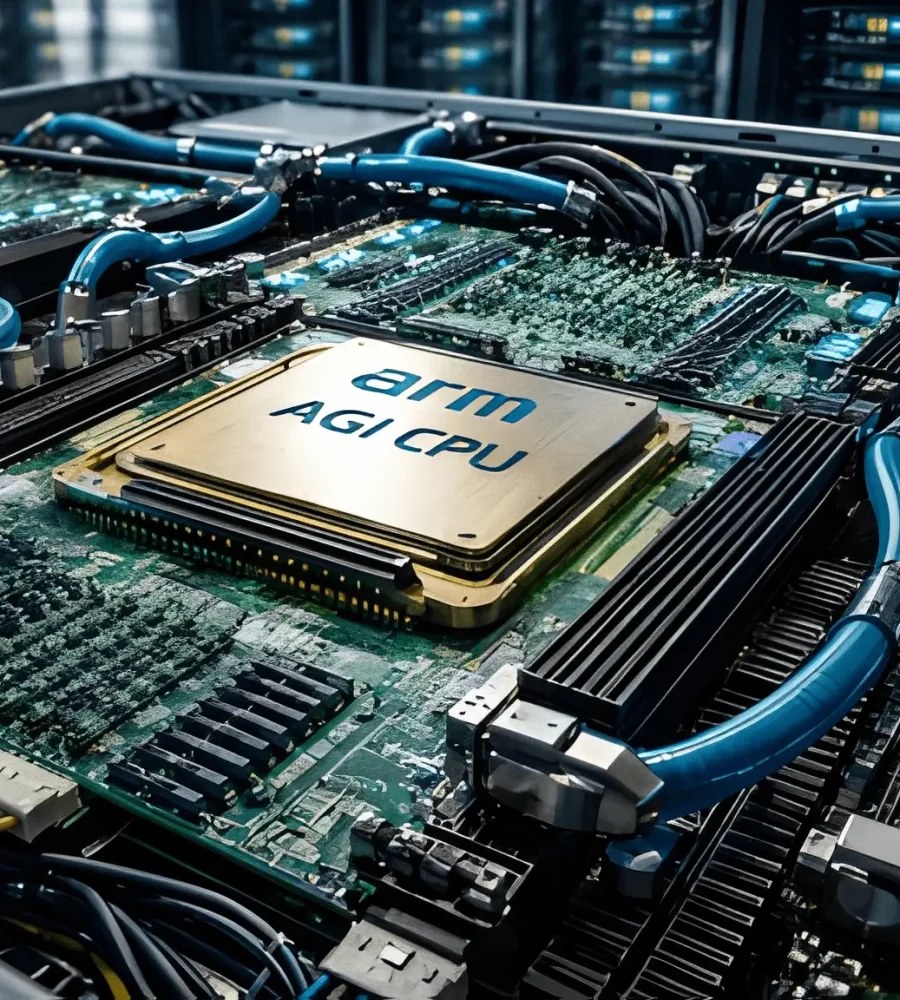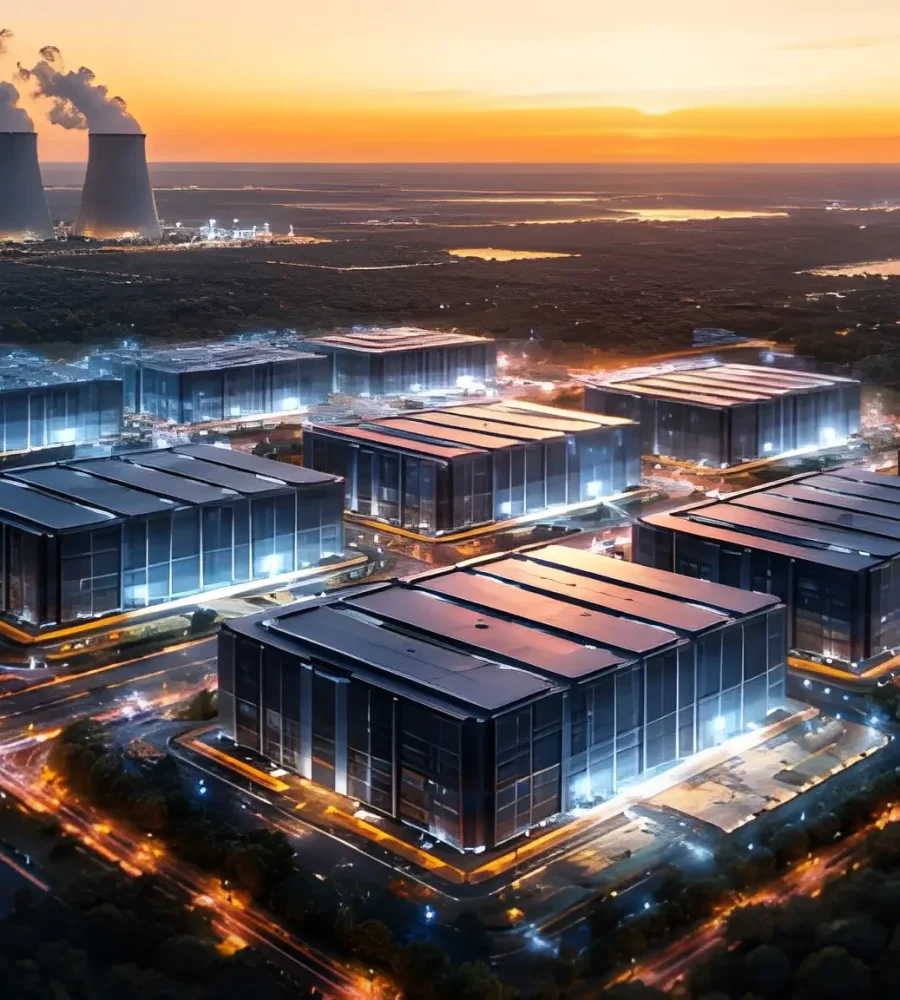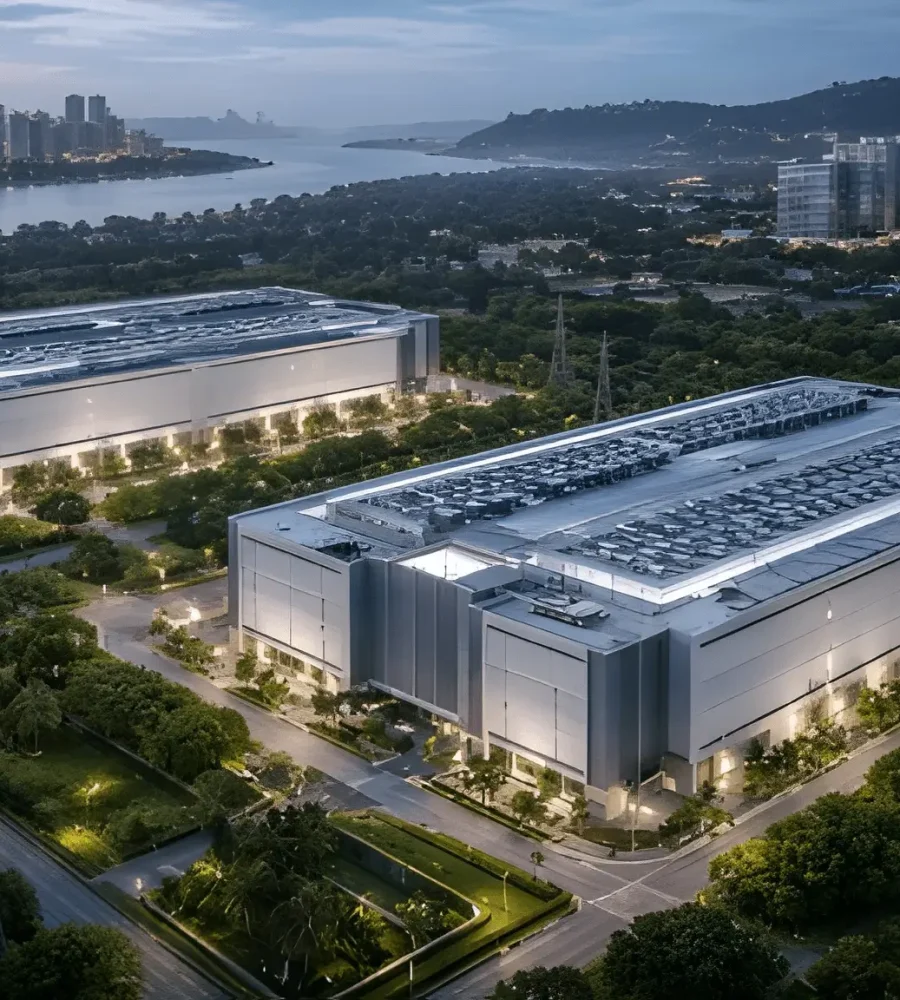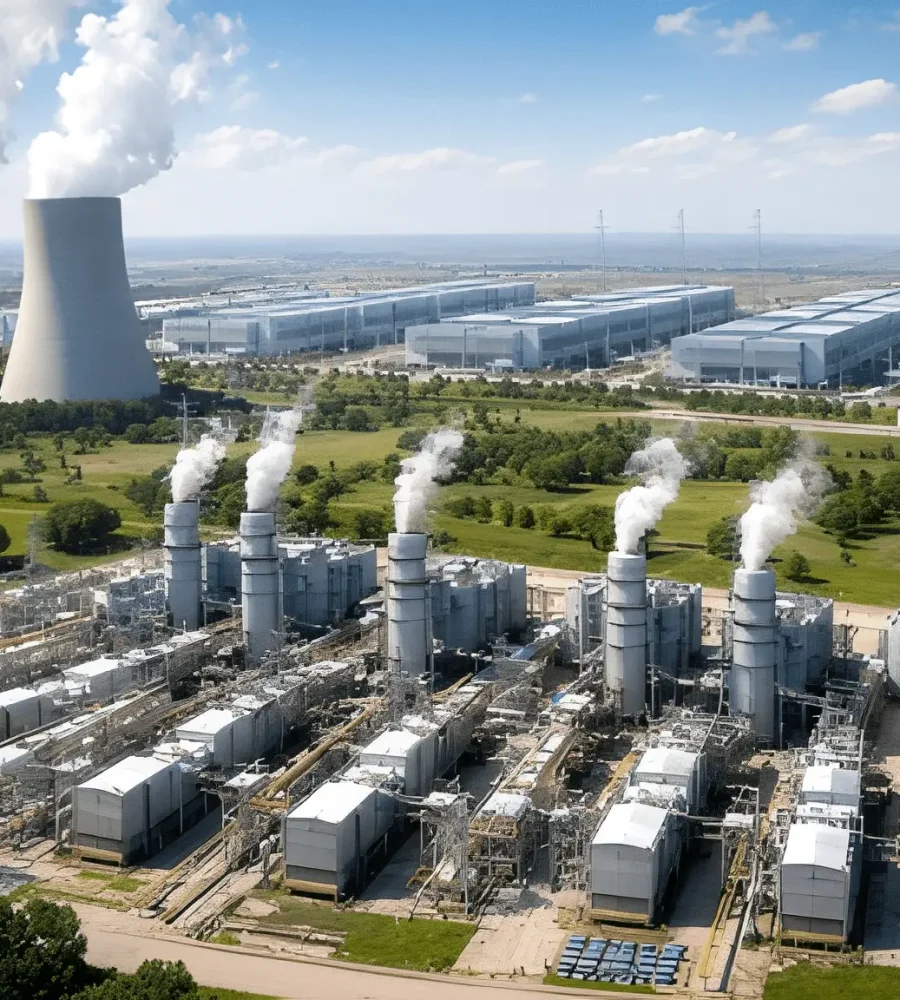
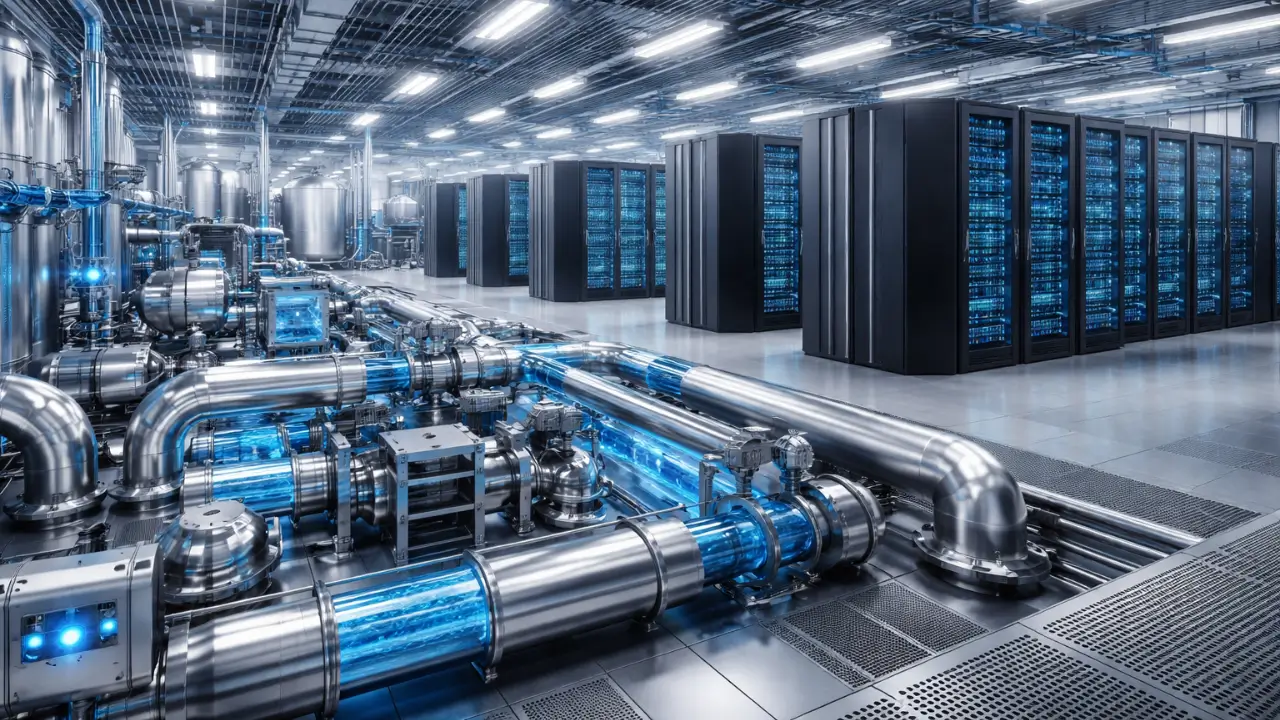
The era of data center design where cooling was an afterthought has ended; cooling now drives the very blueprint of modern compute environments with as much gravity as power delivery and structural integrity. As computing densities rise with AI, HPC, and cloud services, the thermal loads generated by servers far exceed the capabilities of legacy air‑based approaches, forcing architects and engineers to collaborate from the earliest planning stages. Cooling decisions now shape where walls go, how ceilings rise, and where fluid and airflow corridors run, making thermal strategy a defining architectural constraint rather than a facility trade‑off.
This transformation stems from the intrinsic limitations of traditional air cooling as power densities escalate above thresholds that air simply cannot manage efficiently at scale. When cooling challenges are treated as architectural rather than operational issues, entire design paradigms for data centers evolve from spatial zoning to material choices and fluid infrastructure layout. Today’s data centers reflect cooling first in planning, rather than an add‑on after the walls go up, fundamentally altering the architectural logic of these mission‑critical facilities.
From Mechanical Add-On to Architectural Data Center Blueprint
Cooling once lived in the mechanical rooms, considered largely secondary to the IT deployment itself, but escalating thermal challenges have propelled it into the core of architectural planning. In traditional designs, cooling infrastructure was planned after the architectural shell and rack layout, creating installations that later struggled to adapt as rack densities and thermal loads grew beyond expectations. Recent research emphasizes that high heat fluxes and rising computational power dramatically reduce the margin where air cooling remains effective, necessitating early stage decisions on fluid distribution, thermal zoning, and heat exchange infrastructure.
As liquid cooling, cold plate technologies, and immersion systems become more mainstream, they impose unique spatial requirements that ripple through floor plans and structural considerations. Architects now work with computational fluid dynamics (CFD) models and thermal load predictions from day one to align building geometry with thermal management needs, flattening the gap between architecture and mechanical engineering. This converged design process redefines functional adjacencies, placing ductwork, coolant supply lines, and containment zones as primary spatial drivers rather than hidden utilities.
The Shift from Reactive to Proactive Cooling
The traditional sequence of “architecture first, mechanical next” has inverted in modern compute facilities, particularly in high‑performance and hyperscale contexts. With rack densities now capable of generating thermal loads several times greater than two decades ago, there is little tolerance for retroactive thermal mitigation. This has led to architectural paradigms where mechanical and thermal considerations are folded into the initial building design, elevating cooling to the level of spatial blueprint rather than mechanical add‑on.
The shift reflects not only energy management concerns but also regulatory, sustainability, and operational reliability imperatives that demand early integration of cooling strategies. Modern data center architecture now anticipates heat paths, fluid conduits, and containment systems well before IT hardware is selected, ensuring that the space itself accommodates thermal demands with structural grace. These integrated efforts ensure that cooling does more than manage heat; it harmonizes with architectural design from the very inception of a project.
Designing for Heat Before Designing for Hardware
Thermal load now guides architectural planning before rack density. Engineers and architects analyze anticipated heat generation to determine airflow, containment, and cooling requirements. Teams use CFD simulations and thermal mapping to predict hotspots and optimize equipment placement. Early planning ensures that floor layouts, ceiling heights, and power distribution support high-density cooling. Designers balance cooling capacity with energy efficiency to prevent over-provisioning and wasted resources. Integrating thermal load first reduces retrofitting costs and improves long-term operational reliability.
Teams plan containment strategies and service access in parallel with hardware layout. By simulating heat behavior, they adjust rack spacing, aisle configurations, and cooling loops proactively. Operators monitor workloads and dynamically adapt cooling zones to maintain thermal stability. Early thermal consideration prevents hotspots and ensures safe operation of next-generation processors. Architects and engineers collaborate to align floor plans with mechanical infrastructure efficiently. This proactive design transforms thermal planning from reactive to foundational
The Death of “Later”: Why Retrofitting Has Limits
Retrofitting cooling systems often creates structural and operational challenges. Engineers face floors that cannot support heavier liquid-cooled racks or immersion tanks. Ceiling heights and corridor widths restrict pipe installation and maintenance access. Existing HVAC and electrical systems require upgrades to accommodate new cooling loops. These obstacles increase downtime, costs, and complexity. Organizations recognize that delaying cooling planning limits future scalability.
Teams design fluid distribution carefully to avoid leaks and maintain accessibility. They install custom supports, reroute pipes, and implement containment zones where space is constrained. Thermal zoning becomes harder when retrofits force uniform cooling across high- and low-density areas. Even successful retrofits rarely achieve the efficiency of purpose-built designs. Decision-makers weigh the trade-offs between retrofit complexity, operational impact, and energy efficiency. Early integration of cooling strategy prevents these retrofitting limitations
Predictive Thermal Modeling in Modern Data Centers
In many retrofit scenarios, traditional raised floors and overhead air handlers are ill‑suited for modern cooling technologies like direct‑to‑chip liquid cooling or immersion systems, which require dedicated piping networks and containment measures. Air‑cooled systems depend on structured airflow, cold aisles, hot aisle containment, and precision airflow balancing which legacy designs are rarely optimized for, leading to inefficiencies that cannot be fully overcome by iterative upgrades. Liquid cooling infrastructures rely on fluid loops with pumps, heat exchangers, and manifold systems that demand robust support and access spaces, often absent in older buildings; retrofitting these elements frequently necessitates disruptive demolition and rework of existing architecture.
In addition, integrating immersion tanks or cold plate distribution into an existing compute hall requires careful planning around floor loading capacities, waterproof containment zones, and service access aisles considerations that when neglected can lead to structural failures or safety hazards. As a result, retrofit projects become constrained not only by budgets but by the lease life and usable lifespan of the building itself, often making it economically unattractive relative to new builds. The structural and operational limitations encountered in these retrofit efforts make a compelling case for treating cooling as a foundational architectural decision from the earliest design stages.
Floor Plans, Fluid Paths, and Structural Reinforcement
Designing for liquid and immersion cooling systems transforms how architects and engineers conceive floor plans, fluid paths, and structural reinforcement within data center facilities. Whereas air‑cooled data centers focused on optimizing room layouts for airflow distribution, cold and hot aisle placement, raised floor plenums, and CRAC placement liquid systems demand clear routing for pipes, coolant distribution units (CDUs), and containment infrastructure that often extend well beyond the white space itself. Planning fluid paths early ensures that coolant supply and return lines are logically and safely routed without interfering with power distribution or introducing leak risks near critical IT equipment. Immersion cooling setups further require mapping of tank footprints, spill containment zones, access for maintenance, and floor reinforcement to support heavier liquid loads that far exceed traditional raised flooring capacities.
Structural engineers must also account for point loads from tanks, piping racks, and service corridors when calculating slab strengths and support beam placements; these loads can alter foundational designs and increase seismic or vibration considerations for sensitive equipment. Factoring these elements into the architectural blueprint from project inception minimizes costly redesigns later and enhances integration with electrical and mechanical systems. Moreover, fluid path planning influences ceiling heights, rack spacing, and service access routes, demonstrating how cooling infrastructure permeates every dimension of data center spatial logic.
Integrating Pipes, Pumps, and Containment Zones
Fluid‑integrated cooling systems also impose new demands on building infrastructure beyond just physical space; they require robust mechanical support systems such as pumps, chillers, heat rejection loops, and sensor networks that are seamlessly woven into the architectural fabric of a facility. Unlike air cooling, which relies on distributing conditioned air through underfloor plenums or overhead ducts, liquid systems necessitate controlled fluid distribution to each rack or immersion tank, creating a web of interconnected piping that interacts with electrical raceways, fire suppression systems, and structural supports.
Early design coordination ensures that these systems do not conflict with one another and that redundancy and serviceability are preserved, even in high‑density deployments. It also allows for integrated monitoring and control systems, often leveraging building automation and IoT sensors to be embedded into the construction rather than bolted on later. These proactive measures reduce the risk of leaks, pressure imbalances, and maintenance challenges that are common in poorly planned retrofits. By considering fluid paths alongside the architectural blueprint, data centers can achieve higher performance, lower total cost of ownership, and easier scalability over their operational life.
Air Is Architecture, Liquid Is Infrastructure
Airflow now shapes architecture as much as a mechanical system. Designers position cold and hot aisles, containment barriers, and room geometry to manage airflow effectively. Modern studies show precise airflow management improves thermal uniformity and reduces energy use. Engineers use computational fluid dynamics (CFD) to simulate airflow patterns during early planning. They ensure that structural choices, such as ceiling height, aisle width, and raised flooring, support thermal performance. These proactive decisions prevent hotspots and minimize energy waste.
Liquid cooling requires dedicated infrastructure, including fluid loops, heat exchangers, and manifolds. Unlike air, it removes heat efficiently at higher densities. Architects and engineers design containment and service access early to integrate the system safely. Fluid distribution interacts with electrical and structural components, requiring careful coordination. Teams plan sensor networks and control systems to monitor flow, temperature, and pressure. This integration ensures reliability and makes liquid cooling a permanent architectural element.
Thermal Zoning Strategies for Architectural Data Centers
Thermal zoning divides data center spaces based on predicted heat loads. Designers group racks with similar thermal outputs to optimize cooling efficiency. Zones allow targeted cooling, reducing energy waste in low-density areas. Engineers use CFD and thermal mapping to plan zones before construction. Zoning also supports future scaling by isolating high-density modules. By integrating zones early, teams prevent hotspots and ensure stable operation.
Teams apply adaptive control with IoT sensors to adjust cooling dynamically. Each zone receives only the cooling it needs. This strategy saves energy and improves performance predictability. Operators upgrade zones independently without impacting adjacent spaces. Thermal zoning balances cooling across the facility, supporting energy efficiency and reliability. CFD and monitoring allow teams to visualize airflow and detect imbalances early.
Immersion as an Architectural Commitment
Immersion cooling represents the pinnacle of integrated cooling design, where thermal management dictates nearly every architectural decision from tank placement to service access and maintenance workflows. Unlike air or hybrid systems, immersion requires specialized containment tanks, dielectric fluids, and distribution manifolds that impose significant structural and spatial demands on the facility. Floor slabs and support structures must be designed to accommodate the considerable weight of fluid-filled tanks, while ceiling heights and clearance zones are dictated by serviceability rather than merely human or equipment movement.
Planning immersion systems late in a project is rarely feasible; doing so often necessitates wholesale reconfiguration of power delivery, monitoring networks, and mechanical loops to ensure operational safety and maintainability. Moreover, maintenance considerations, such as fluid replacement, pump servicing, and leak mitigation, require dedicated access corridors and integrated spill containment strategies, emphasizing the architectural impact of what might otherwise appear purely mechanical systems. Immersion cooling thus embodies a holistic architectural commitment, demanding alignment across structural engineering, mechanical design, and IT planning to deliver predictable and high-performance outcomes.
Planning Tank Footprints and Access Corridors
The adoption of immersion also reflects broader trends in high-density compute environments, where energy efficiency, power per rack, and space utilization are critical metrics for both cost and sustainability. By placing thermal load at the center of design, architects and engineers can optimize tank positioning to reduce fluid path lengths, enhance natural convection within the tanks, and minimize the footprint of auxiliary mechanical systems. Early-stage planning also allows for zoning of adjacent infrastructure to prevent heat migration and protect sensitive equipment, reinforcing the need for a facility-wide perspective.
Additionally, immersion systems benefit from integrated monitoring and automation, necessitating embedded sensor networks, fluid flow control, and connectivity with building management systems, all considerations that influence architectural decisions from the outset. The resulting designs are fundamentally different from traditional air-cooled data centers, reflecting a seamless integration of thermal, structural, and operational priorities. By committing to immersion early, organizations can achieve unprecedented rack density, energy efficiency, and operational resilience, illustrating why thermal strategy is now inseparable from architectural design.
Mechanical Rooms Are Becoming Strategic Assets
Mechanical rooms now host critical components like chillers, pumps, heat exchangers, and fluid distribution units. These spaces directly influence energy efficiency and scalability. Engineers design mechanical rooms for easy access and future expansion. They deploy modular chillers and pumping loops to simplify maintenance. Proper layout reduces pressure losses and improves redundancy. Strategic design transforms mechanical rooms from peripheral spaces into architectural anchors.
Teams coordinate with structural engineers to reinforce floors for heavy equipment. They plan access for pumps, heat exchangers, and monitoring systems. Automation controls energy use and monitors performance continuously. Designers align rooms with thermal zoning and rack placement for efficiency. These mechanical hubs support liquid and immersion cooling systems seamlessly. Early integration prevents costly retrofits and operational disruptions.
Optimizing Layouts for Redundancy and Modularity
Redesigning mechanical rooms as strategic assets also involves rethinking redundancy, layout, and system modularity to match evolving IT loads. Engineers increasingly adopt modular chiller banks, scalable pumping loops, and segregated heat rejection circuits, ensuring that each subsystem can be maintained or upgraded independently without affecting overall performance. The positioning of these components is critical: proximity to compute zones reduces pipe runs and pressure losses, while isolation from vibration-sensitive equipment preserves operational integrity.
Architectural considerations, including ceiling heights, access for heavy equipment, and integration with fire suppression systems, now influence the placement and sizing of mechanical rooms. Furthermore, mechanical rooms serve as the interface for innovative cooling methods, including direct-to-chip liquid systems and immersion technologies, making them central to thermal architecture. Strategic planning of these spaces ensures not only energy efficiency and reliability but also resilience against future increases in thermal demand, underscoring their transition from supporting utility to architectural cornerstone.
When Legacy Buildings Resist Liquid Evolution
Legacy data center buildings often resist the integration of high-density liquid cooling due to structural, spatial, and infrastructural limitations that were not envisioned in their original designs. Floors designed for standard rack densities frequently cannot bear the additional weight of liquid-cooled racks or immersion tanks without extensive reinforcement, creating barriers to retrofitting advanced cooling systems. Ceiling heights, corridor widths, and existing pipe and cable trays can also obstruct the installation of new coolant distribution systems, forcing complex engineering interventions that significantly increase costs. In addition, older HVAC and electrical infrastructures may lack the capacity to support fluid-based systems, requiring either partial replacement or major upgrades to ensure safe and efficient operation.
Beyond structural limitations, legacy buildings also challenge fluid distribution design, as the routing of chilled water, dielectric fluids, or immersion systems must navigate spaces not originally intended for such infrastructure. Pipes may require custom supports, increased floor penetrations, or additional manifold connections, introducing both cost and risk factors. Leak detection, containment, and service access become increasingly complex in retrofit scenarios, amplifying operational vulnerability.
Additionally, older buildings often lack the flexibility to implement effective thermal zoning, limiting the ability to segment high- and low-density areas efficiently. Even when feasible, retrofits rarely achieve the same energy efficiency or performance levels as new-build facilities designed from the ground up with liquid cooling in mind. As a result, organizations with legacy data centers must weigh the trade-offs between retrofit complexity and operational efficiency, often finding that integrated architectural planning from the outset is the more sustainable path.
Designing for the Next Chip, Not the Current One
Modern cooling architecture anticipates the next generation of processors. Rapid increases in power density and thermal output outpace traditional design assumptions. Advanced CPUs, GPUs, and AI accelerators generate heat fluxes exceeding 40–50 kW per rack. These loads push air and conventional liquid cooling methods to their limits. Architects and engineers integrate thermal systems early to ensure floors, ceilings, fluid loops, and containment strategies handle future heat without expensive retrofits. Operators use modular cooling designs to adapt to successive hardware generations while maintaining efficiency and reliability. Predictive modeling tools, including thermal simulations and heat flux mapping, guide spatial and infrastructural decisions. Designing for the next chip keeps cooling infrastructure durable and long-term.
Interdisciplinary Collaboration: Architects, Engineers, and Thermal Strategists
Modern data center cooling requires collaboration among architects, engineers, and IT planners. Architects analyze thermal loads and fluid distribution to design floor plans, ceiling heights, and structural supports. Mechanical engineers develop fluid loops, chillers, pumps, and manifolds. Their designs fit seamlessly with structural and spatial constraints. Thermal strategists map heat fluxes, airflow, and liquid dynamics to inform decisions. Cross-disciplinary teams optimize energy efficiency, reliability, and scalability. Early collaboration produces facilities operators can maintain and scale efficiently. Cooling becomes a core architectural function.
Teams use digital twins, IoT sensors, and AI monitoring to simulate thermal behavior. They predict operational outcomes and identify hotspots or flow restrictions before construction. Integration supports modular designs. Teams upgrade facility zones independently with minimal disruption. Collaboration aligns cooling strategies with sustainability goals, renewable energy, and optimized PUE. This approach ensures cooling performs efficiently and fits building aesthetics.
Cooling as the Framework, Not the Fixture
Cooling shapes modern data center architecture. It guides floor plans, supports, fluid distribution, and operational workflows. High-density workloads demand early integration of cooling strategy. This approach keeps data centers efficient, reliable, and scalable. Liquid and immersion systems require precise space, structural alignment, and maintenance access. Thermal zoning, predictive modeling, and interdisciplinary collaboration allow facilities to handle evolving workloads. Mechanical rooms now serve as strategic assets. Cooling defines the design, construction, and long-term viability of compute environments.