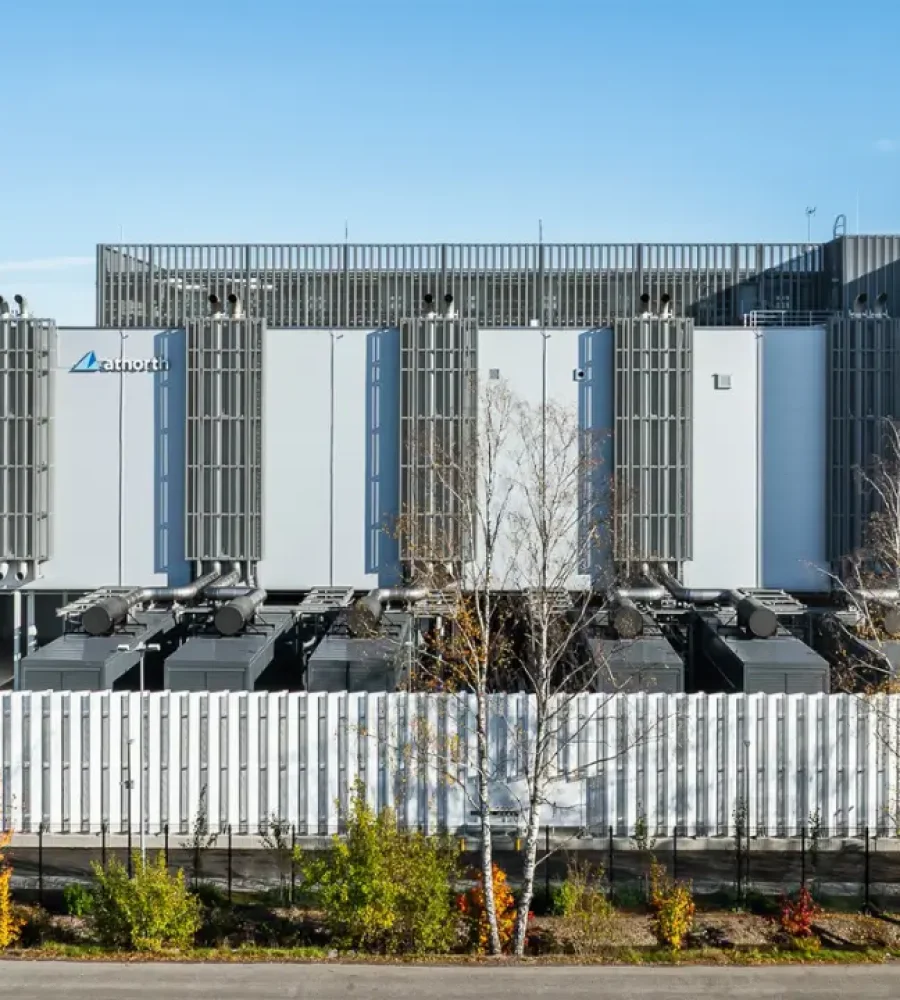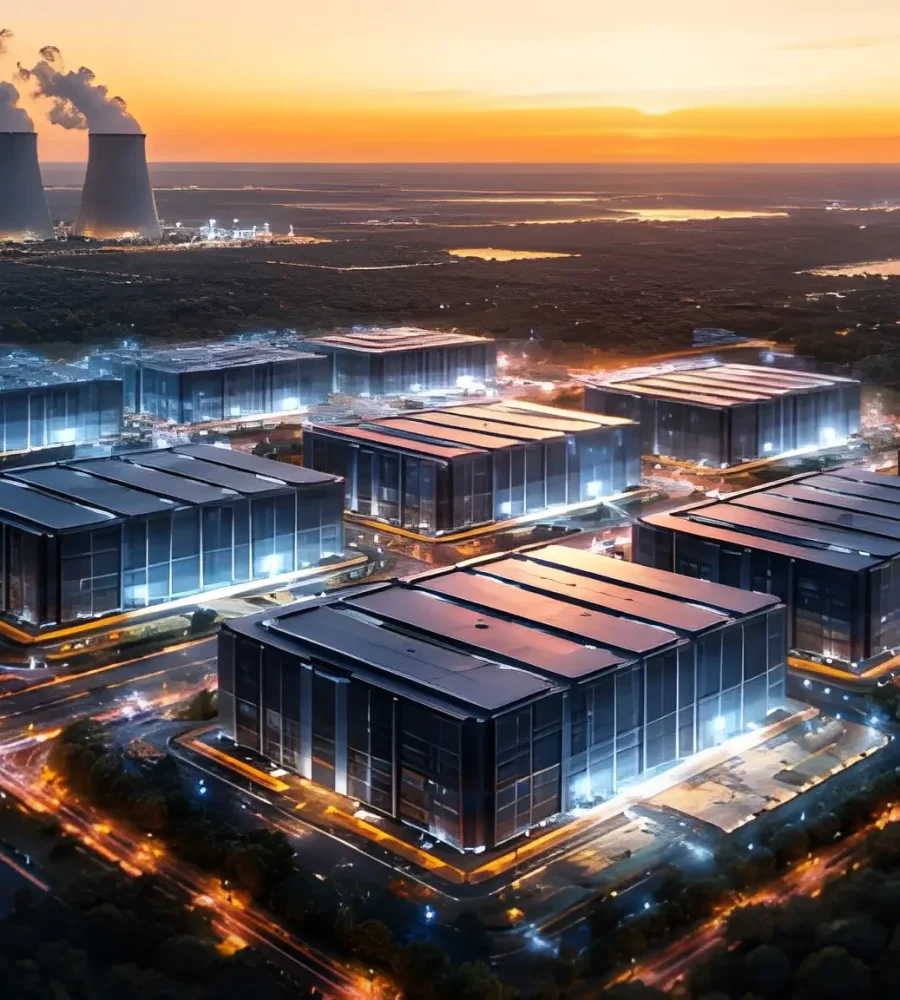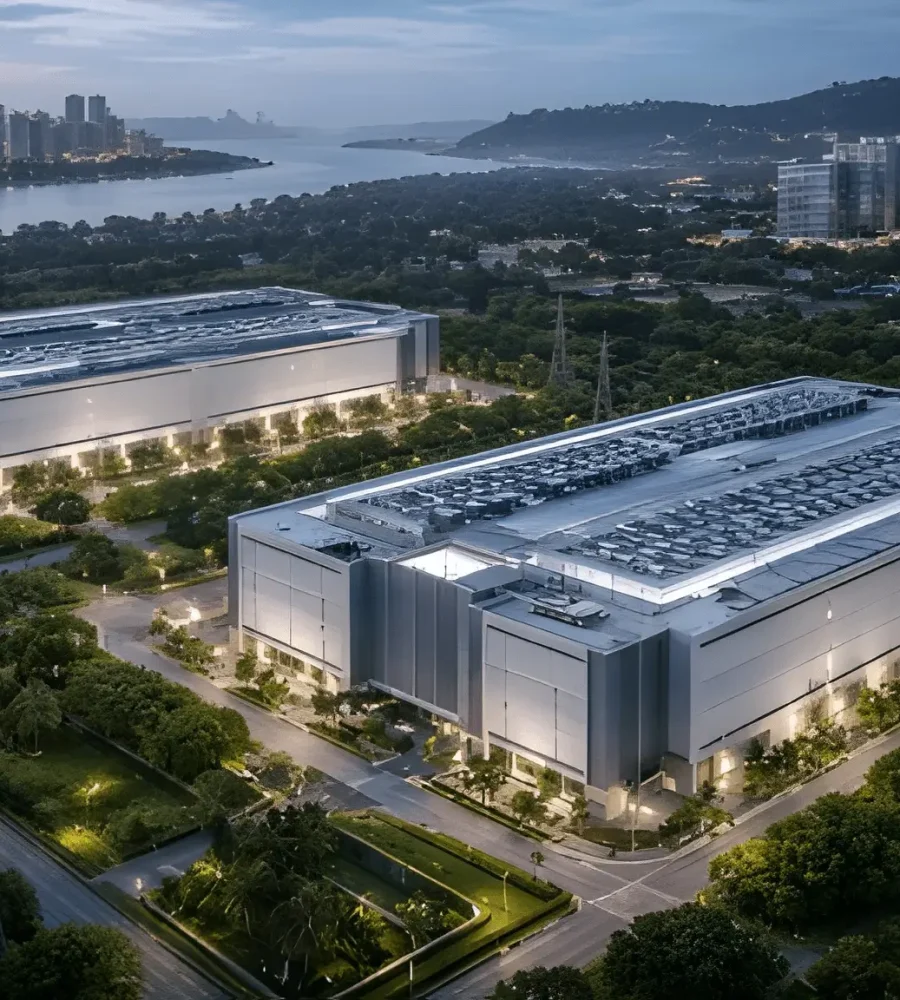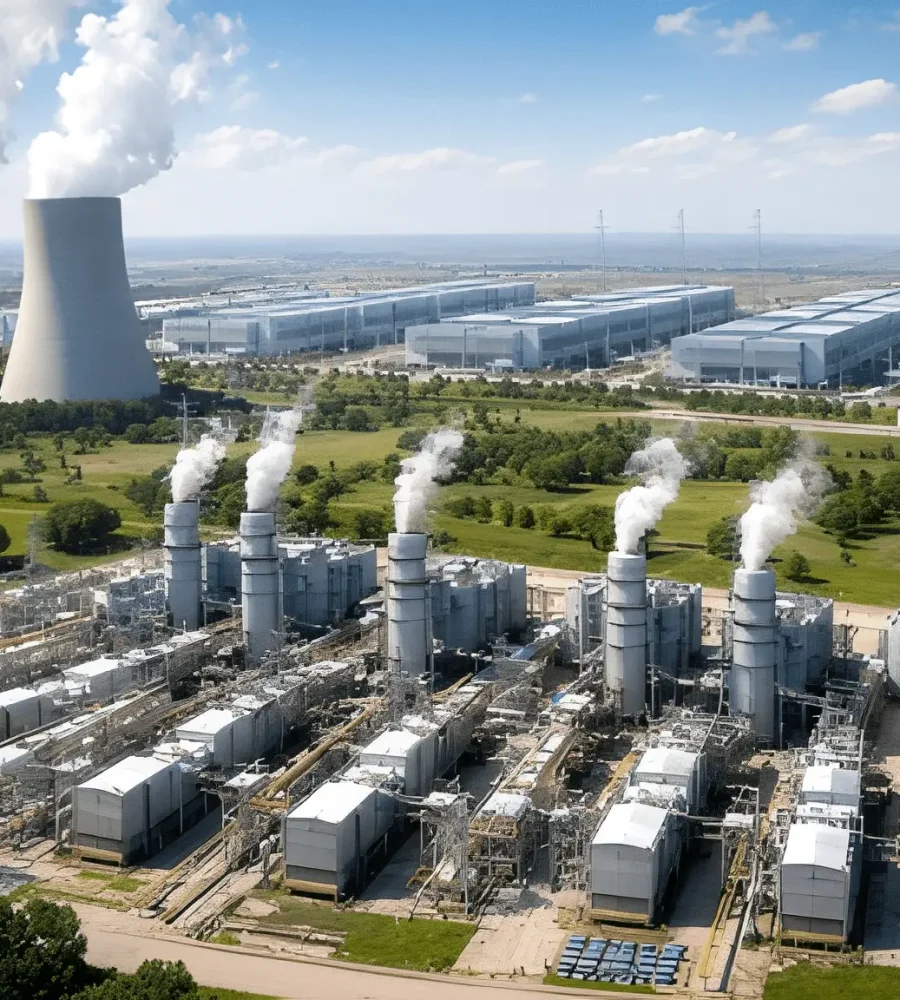
Every time you ask an artificial intelligence system a question- whether it is crafting an email or analyzing medical imaging- an invisible infrastructure springs into action. Thousands of graphic processing units fire up simultaneously, their circuits racing through trillions of calculations per second. Yet there is a problem rarely discussed at product launches: these systems generate extreme heat. That heat has become so intense that cooling systems now matter as much to AI’s future as the chips themselves. Today, liquid cooling and green AI infrastructure represent the only viable path forward for managing the thermal intensity of modern artificial intelligence workloads.
The scale of this challenge is staggering. Global data centers already consume approximately 415 terawatt-hours of electricity annually, accounting for roughly 1.5 percent of worldwide electricity demand. What sets the AI era apart is this: conventional air-cooled systems: the fans, vents, and air handlers that have quietly done their job for decades, are fundamentally inadequate for today’s thermal densities. Cooling alone now absorbs 30 to 40 percent of total data center energy use, and that share continues to rise as chip densities climb toward unprecedented levels.
As a result, this convergence has sparked an infrastructure revolution. Over the past two years, the world’s largest technology companies have moved beyond asking whether liquid cooling will be adopted. Instead, they are asking how fast it can be scaled. That answer carries enormous implications for climate impact, water resources, and the economic viability of artificial intelligence itself.
Understanding the Thermal Crisis: Why Liquid Cooling & Green AI Infrastructure Matter Now
To understand why this moment is critical, it helps to look at what has changed. Earlier generations of computing operated within manageable heat limits. A typical server rack might dissipate 20 kilowatts of thermal energy, which remained well within the capabilities of well-designed air-handling systems. Modern AI accelerators, however, tell a very different story.
NVIDIA’s newest Blackwell GPU generates roughly 2,000 watts of heat per unit. Advanced AI models require dense packing of these accelerators to deliver acceptable inference speeds and training times. Consequently, server racks now routinely exceed 50 kilowatts. Hyperscalers are targeting 100-kilowatt racks, and industry discussions have already begun around approaching one megawatt per rack in the near future.
Air, unfortunately, moves heat slowly. Humans rely on air for thermal comfort in buildings and vehicles, but physics is unforgiving. Air has relatively poor heat conductivity. Cooling a one-megawatt rack with forced air may be theoretically possible, yet it is practically nonsensical. Such a system would require enormous fans, massive energy consumption, intolerable noise, and still struggle to maintain safe operating temperatures.
This is where liquids enter the equation. Water absorbs heat roughly 3,000 times more effectively than air. A liquid medium can transport thermal energy from a hot source to a cold sink with striking efficiency. This basic physical reality, that water is a superior thermal conductor, has opened a path toward AI infrastructure that does not overwhelm the electrical grid.
The Liquid Cooling & Green AI Infrastructure Spectrum: Technology Approaches
Not all liquid cooling approaches are created equal. Across the industry, three primary strategies have emerged. Each comes with tradeoffs that matter for different deployment scenarios.
Direct-to-Chip Cooling: Precision at the Source
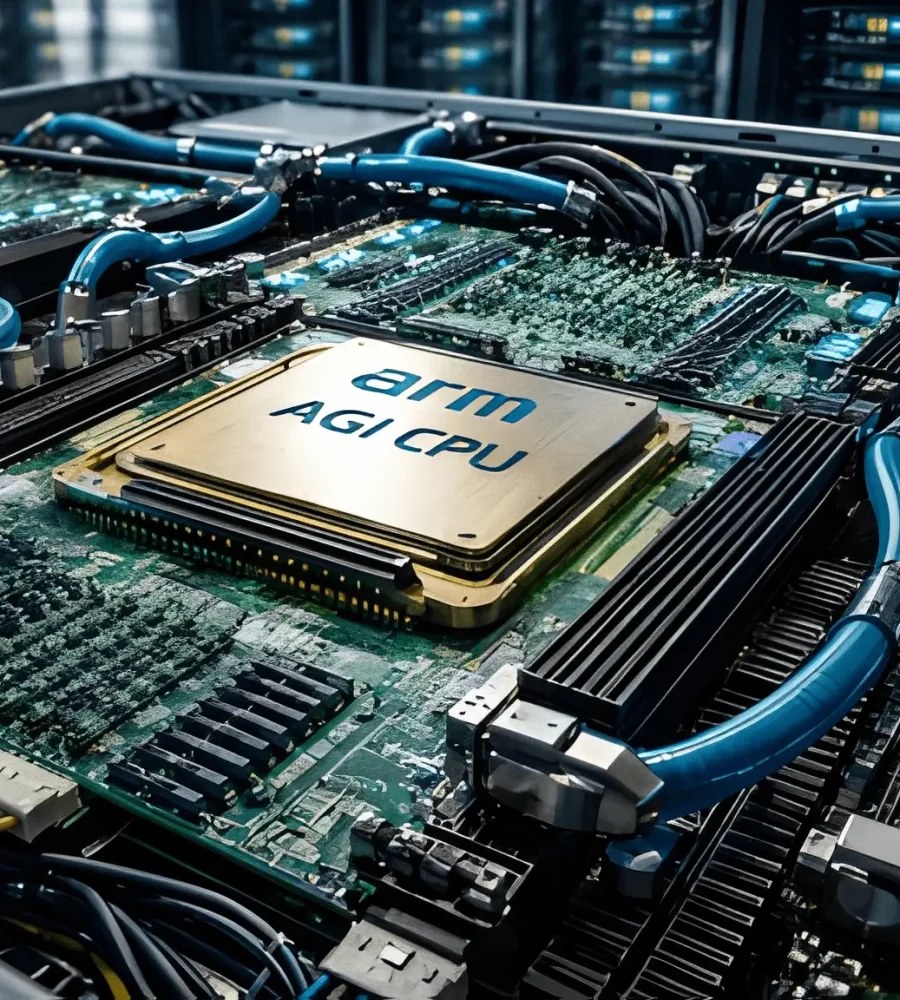
Direct-to-chip (DTC) cooling has become the most widely adopted approach today. Instead of cooling an entire server through air, cold plates, flat metal components filled with circulating liquid, are mounted directly onto the components that generate the most heat. These typically include CPUs and GPUs. By removing heat at the source, thermal transport distances are minimized, and efficiency improves dramatically.
The benefits are immediately visible. Direct-to-chip systems reduce cooling energy consumption by roughly 10 to 50 percent compared to air cooling, depending on optimization. At the same time, server fan power drops by 41 to 80 percent as mechanical fans shoulder less of the cooling burden. Integration challenges remain modest relative to alternatives, since many data centers can retrofit existing infrastructure without rebuilding entire facilities.
Still, limitations remain. Only the components beneath the cold plates benefit from optimal cooling. Memory modules, power supplies, and storage controllers continue to rely on ambient air or secondary cooling loops. For this reason, data centers relying solely on DTC often achieve liquid cooling coverage for about 75 percent of their computational load, with the rest still dependent on air systems.
Two-Phase Immersion: The Ultimate Efficiency in Liquid Cooling & Green AI Infrastructure
For operators willing to pursue a more radical redesign, two-phase immersion cooling approaches the limits of thermal efficiency. Entire servers are submerged in a specially engineered, electrically non-conductive fluid. As waste heat warms the liquid, a phase change occurs. The fluid transitions from liquid to vapor, absorbing large amounts of energy through latent heat.
Efficiency gains are dramatic. Two-phase immersion cooling can reduce cooling-related energy use by as much as 90 percent compared to air cooling. Power usage effectiveness (PUE), calculated as total facility power divided by IT equipment power, can drop to between 1.02 and 1.04 in optimized systems. By comparison, air-cooled data centers typically operate with PUE values between 1.5 and 1.7.
However, this efficiency demands tradeoffs. Immersion cooling requires purpose-built hardware. Standard motherboards, power supplies, and storage devices are not designed for submersion. They often need conformal coatings or complete redesign. The dielectric fluids themselves are expensive, and their handling, disposal, and environmental impact require specialized expertise.
Single-Phase Immersion and Hybrid Approaches in Liquid Cooling Systems
Between these extremes lies a range of hybrid solutions. Single-phase immersion relies on non-conductive liquids that remain liquid throughout the cooling cycle. This approach delivers uniform thermal distribution without managing phase transitions. Hybrid systems combine direct-to-chip cooling for the hottest components with carefully engineered air handling elsewhere, capturing much of the efficiency gain without full facility redesign.
The Numbers That Matter: Measuring Liquid Cooling & Green AI Infrastructure Efficiency
Measuring cooling efficiency requires careful metrics. Power Usage Effectiveness has long served as the industry standard. A PUE of 1.0 would indicate perfect efficiency, though that remains impossible in practice. Most facilities fall between 1.1 and 1.7, with the most efficient hyperscale data centers occasionally dipping below 1.08.
When liquid cooling is deployed at scale, PUE becomes less revealing. Facility power drops because cooling systems consume less electricity. At the same time, IT power also falls because servers no longer rely on energy-hungry internal fans. As a result, the ratio may only improve slightly, even when real operational gains are substantial.
This limitation has fueled interest in alternative metrics. Total Usage Effectiveness (TUE) measures total facility power more transparently. Research suggests optimized liquid cooling deployments can achieve TUE improvements of 15.5 percent compared to air-cooled facilities. In practical terms, fully liquid-cooled data centers can reduce facility power by 18.1 percent while cutting total data center power by 10.2 percent.
The Hyperscaler Playbook: How Giants Deploy Liquid Cooling & Green AI Infrastructure
The strongest validation of liquid cooling comes from hyperscale deployments. Leading technology firms are no longer experimenting. They are standardizing liquid cooling across global operations.
Google stands out as one of the most transparent adopters. Roughly half of its global data center footprint now supports liquid cooling. The company reports achieving one gigawatt of liquid cooling capacity across approximately 2,000 TPU pods, with uptime reaching 99.999 percent. Those results have addressed early reliability concerns.
Over time, Google’s approach has matured. Its fifth-generation cooling distribution unit, Project Deschutes, isolates rack-level liquid loops from facility water systems using redundant components and uninterruptible power supplies. The company has committed these specifications to the Open Compute Project to encourage broader adoption.
Meta has pursued a different path. Its Catalina rack supports densities up to 140 kilowatts and is optimized for NVIDIA Blackwell chips. Rather than treating this as a one-off solution, Meta is now exploring double-wide rack designs that improve footprint efficiency across its data center fleet.
Microsoft, meanwhile, has prioritized modularity. Its liquid cooling sidepod can be installed in existing facilities without direct connection to building water systems. This design supports retrofits, which remain critical for operators managing large legacy estates.
Most notably, Google, Meta, and Microsoft are collaborating on the Mount Diablo project. The initiative aims to standardize power racks capable of approaching one megawatt densities. Such cooperation among competitors signals conviction that liquid cooling is no longer optional.
The Environmental Equation: When Liquid Cooling & Green AI Infrastructure Becomes Sustainability
Energy efficiency is only part of the sustainability equation. Carbon emissions, water use, waste heat recovery, and regional impacts must also be considered.
Energy and Emissions in Green AI Infrastructure
Carbon intensity varies widely by geography. Data centers powered by renewable energy generate minimal operational emissions. Facilities tied to fossil fuels can emit hundreds of grams of CO₂ per kilowatt-hour. Estimates suggest data centers already produce more than 300 million tons of emissions annually, with that figure expected to rise unless efficiency improves.
Liquid cooling reduces emissions in proportion to energy savings. A shift from fully air-cooled systems to 75 percent liquid cooling can lower site power demand by more than 15 percent. For a 10-megawatt facility, that translates into thousands of tons of avoided emissions each year.
The Water Paradox in Liquid Cooling & Green AI Infrastructure
At first glance, liquid cooling appears water-intensive. These systems circulate large volumes of fluid through facilities. The reality, however, is more nuanced.
Traditional air-cooled data centers often rely on evaporative cooling towers. These systems consume massive quantities of freshwater. In some cases, a single data center can match the daily water use of a small city.
By contrast, liquid cooling systems frequently operate in closed loops. Coolant is recycled indefinitely, transferring heat through exchangers without evaporation. When paired with dry coolers, freshwater consumption drops dramatically.
Still, tradeoffs exist. Closed-loop systems are less efficient in hot climates. In water-rich regions, operators must weigh energy efficiency against conservation. Leading hyperscalers now deploy geographically tailored strategies that reflect local water availability, grid composition, and climate conditions.
Waste Heat Recovery: From Problem to Asset
Nearly all electricity consumed by data centers becomes heat. Rather than discarding it, forward-looking operators are capturing this energy for productive use.
District heating provides the most established model. Several European cities now route data center waste heat into municipal heating networks. In these systems, heat that would otherwise be rejected warms homes and businesses.
Microsoft and Meta have both partnered with utilities in Finland and Denmark to implement such systems. These projects reduce emissions, lower heating costs, and improve overall energy efficiency. Challenges remain, including capital costs, seasonal mismatches, and retrofit complexity. Even so, waste heat recovery is increasingly viewed as a core sustainability strategy.
Addressing the Challenges: What’s Actually Hard About Liquid Cooling & Green AI Infrastructure
Despite strong momentum, liquid cooling adoption faces real obstacles. Capital costs, fluid chemistry, and operational risks must be managed carefully.
Capital Costs and Economics of Liquid Cooling
Retrofitting facilities with direct-to-chip cooling can cost hundreds of thousands of dollars per section. Immersion cooling requires even greater investment, often two to three times the cost of air-cooled hardware. For hyperscalers, payback periods of two to four years justify the expense. Smaller operators face more difficult decisions.
Fluid Chemistry and Environmental Concerns in Advanced Cooling
Some dielectric fluids used in immersion cooling rely on fluorinated compounds with environmental concerns. In response, manufacturers are developing PFAS-free alternatives that preserve thermal performance while reducing ecological risk. Adoption is gradual, but progress is clear.
Leak Management and Operational Risk in Liquid Cooling Systems
Liquid cooling introduces new failure modes. Leaks can damage equipment. However, redundant designs, leak detection systems, and isolation mechanisms have improved reliability. Google’s reported uptime demonstrates that these risks can be managed at scale.
The Market Inflection: When Liquid Cooling & Green AI Infrastructure Becomes Mandatory
Analysts project the liquid cooling market will grow to $1.88 billion between 2024 and 2029, with a compound annual growth rate exceeding 30 percent. This growth reflects more than market enthusiasm. It reflects physical limits.
Air cooling cannot support one-megawatt racks. There is no practical path forward without liquid cooling. Hardware design, facility planning, and software optimization are now aligned around this reality.
Looking Forward: The Convergent Future of Liquid Cooling & Green AI Infrastructure
Within five years, liquid cooling will be standard for high-density AI deployments. The remaining questions concern speed, configuration, and geographic variation.
The Hybrid Cooling Landscape for Green AI Infrastructure
No single solution will dominate. Operators will deploy portfolios optimized for climate, water availability, and grid composition. Flexibility will define next-generation data centers.
Integration With Renewable Energy and Green AI Infrastructure
Cooling efficiency and renewable energy adoption are increasingly linked. Facilities that reduce cooling demand make renewable procurement more feasible. Some hyperscalers now set cooling and renewable targets in tandem.
Waste Heat as Strategic Infrastructure Asset
Future applications for waste heat include agriculture, aquaculture, and industrial processes. Thermal storage may allow heat generated in summer to be used during winter months, transforming data centers into year-round energy assets.
The Quantum and Edge Wild Cards for Advanced Cooling
Quantum computing and edge AI introduce new thermal challenges. Cryogenic systems and compact liquid cooling designs are advancing in parallel, adding complexity to future infrastructure planning.
The Verdict: Why Liquid Cooling & Green AI Infrastructure Matters
Artificial intelligence is accelerating just as climate pressure and water scarcity intensify. The cooling systems deployed today will shape energy demand and resource use for decades.
Liquid cooling is not flawless. It requires investment and careful design. Still, it enables efficiency gains of 40 to 90 percent, making AI growth economically and environmentally viable. Hyperscalers have already committed capital at scale, signaling confidence in the approach.
For the broader industry, the question has shifted. Adoption is no longer optional. The remaining challenge is execution—choosing the right configurations, aligning incentives, and ensuring cooling infrastructure supports long-term sustainability goals.
Cooling may lack glamour, but it underpins the entire AI ecosystem. These thermal decisions will quietly determine whether artificial intelligence can scale responsibly. Fortunately, physics, economics, and industry incentives are finally aligned toward solutions that work.