Summary
The transition in global infrastructure from 2025 into 2026 marks a definitive shift in how capital and engineering teams prioritize environmental impact. For much of the past decade, net zero functioned as the primary benchmark for corporate and governmental sustainability commitments. However, the rapid scaling of generative artificial intelligence and high performance computing has placed unprecedented stress on global power grids and watersheds. As a result, the limitations of the net zero framework have become increasingly visible.
Net zero has often drawn criticism as an accounting exercise that relies heavily on carbon offsets and delayed mitigation. In response, the market is moving toward a more ambitious and physically grounded paradigm known as net positive infrastructure. Under this model, infrastructure assets are designed and operated to contribute more to the energy grid, the local watershed, and the surrounding ecosystem than they consume.
This report analyzes the economic, regulatory, and technical drivers enabling this transition. Its focus is specifically on digital and energy infrastructure, where artificial intelligence has created the most acute demand shock. Current projections indicate that global data center power demand will increase by 17 percent annually through 2026. At this pace, consumption could reach 2,200 terawatt-hours by 2030. That figure is equivalent to the total electricity consumption of India.
This growth is unfolding against a backdrop of aging transmission networks and a widening reliability gap. The retirement of firm baseload power plants has intensified that gap. Consequently, the industry is shifting toward decentralized energy production. Operators are deploying small modular reactors, fuel cell microgrids, and virtual power plants. In this model, data centers act as active grid stabilizers rather than passive consumers.
In parallel, the report examines the engineering necessity of thermal symbiosis.
As server rack densities approach and exceed 100 kilowatts, traditional air cooling has reached a physical threshold known as the thermal wall. Because of this constraint, operators are accelerating the move to liquid cooling. Liquid systems are nearly 25 times more efficient at heat transfer. More importantly, they enable the capture and export of waste heat to municipal district heating networks. This approach converts a byproduct of computation into a valuable social and economic resource.
The report also details the shift toward a circular hardware economy. Major operators have established circular centers to harvest and refurbish components. Through these programs, reuse and recycling rates now exceed 90 percent.
Geographic analysis further shows that regions such as the Nordics and Singapore are setting the benchmark for this net positive evolution. They are doing so through aggressive regulation and innovative infrastructure design. Finally, the report introduces emerging performance metrics tied to the tokens per watt economy. Under this framework, performance is no longer measured solely by facility efficiency. Instead, it reflects how effectively energy converts into computational intelligence. For infrastructure investors and operators, the transition to net positive has become a strategic imperative. It is essential for ensuring long term asset resilience in a resource constrained world.
Net Zero Fatigue and the Regulatory Context
Momentum behind net zero as a primary sustainability goal has begun to slow. Stakeholders are now demanding greater transparency and tangible environmental outcomes. Net zero fatigue reflects a growing realization that carbon neutrality achieved through credit purchases does not resolve resource scarcity or grid instability. In today’s market, investors and regulators place higher value on audited and measurable physical impacts. Speculative carbon accounting no longer carries the same credibility.
The Corporate Sustainability Reporting Directive and Mandatory Disclosure
The most significant regulatory driver behind the shift to net positive infrastructure is the European Union’s Corporate Sustainability Reporting Directive. The directive entered full effect for a broad group of large and listed companies across 2025 and 2026. Unlike earlier voluntary frameworks, this regulation places environmental, social, and governance reporting on equal footing with financial disclosures. It also requires mandatory independent assurance and high levels of data accuracy.
The directive applies to more than 42,500 companies within the European Union. In addition, it affects thousands of global firms with a material commercial presence in the region.
The framework is built around the European Sustainability Reporting Standards. These standards define detailed requirements across five core environmental dimensions:
ESRS E1 (Climate Change) requires disclosure of Scope 1, 2, and 3 emissions, transition plans aligned with 1.5°C targets, and exposure to climate related risks.
ESRS E2 (Pollution) covers emissions to air, water, and soil, including hazardous substances as well as noise and light pollution.
ESRS E3 (Water and Marine Resources) requires detailed data on water consumption and withdrawal, impacts on water stressed regions, and conservation policies.
ESRS E4 (Biodiversity and Ecosystems) addresses impacts on sensitive sites, land use change, and specific actions taken to restore ecosystems.
ESRS E5 (Resource Use and Circular Economy) requires disclosure of material inflows and outflows, waste management practices, and product lifecycle redesign.
Together, these standards shift corporate accountability away from mitigation alone. Instead, they emphasize restorative action. Under ESRS E4, for example, infrastructure operators must describe concrete steps to restore degraded land and limit further land conversion. This requirement directly aligns with the net positive objective of leaving ecosystems in better condition than before development.
Transition Finance and Selective Capital Flows
The financial sector is increasingly embracing transition finance to support decarbonization in hard to abate sectors. In 2026, capital is moving with greater selectivity. Investors now demand projects that demonstrate durability and long term strategic impact. To meet this demand, blended finance vehicles are gaining traction. These structures combine concessional capital from development finance institutions with private investment. They are being deployed to fund resilient infrastructure across emerging markets.
At the same time, investors are expanding their focus from climate readiness to climate adaptation. This evolution includes technologies such as drought resistant seeds and AI powered irrigation systems. It also encompasses resilient data center architectures designed to operate under extreme heat and water stress. Projects that deliver clear environmental, social, and governance outcomes benefit from lower costs of capital. In contrast, assets that fail to demonstrate impact face an increasing risk of becoming stranded as institutional mandates tighten.
Common financial instruments supporting net positive objectives in 2026 include transition bonds, blue bonds, green loans, and sustainability linked loans. Alongside these tools, the validation of corporate sustainability claims has become a critical safeguard against greenwashing. As reporting requirements grow more detailed, legal and governance teams are deploying discovery platforms to manage auditable data trails. These systems support claims related to both net zero and net positive performance. This convergence of legal scrutiny and environmental data ensures that net positive commitments rest on verifiable operational reality.
Pillar I: Energy Production and Decentralized Grids
Electricity demand in the United States and globally is accelerating rapidly. Two forces are driving this surge: transport electrification and the training of frontier artificial intelligence models. After decades of modest growth, electricity demand entered a sharp upward trajectory in 2025. This shift is now testing the limits of existing grid infrastructure.
Industry analysts project that peak electricity demand could grow by 26 percent by 2035. Data centers alone could require as much as 176 gigawatts of capacity. This scale of load growth is unprecedented in recent history. At the same time, the nation’s transmission infrastructure is aging. Interconnection queues are also severely backlogged, with more than two terawatts of capacity awaiting approval. Together, these constraints are forcing a fundamental rethink of how power is produced and delivered.
Microgrids and Fuel Cell Technology
To navigate these bottlenecks, infrastructure operators are increasingly deploying onsite microgrids. A microgrid is a self contained energy system capable of generating, storing, and distributing power independently of the main utility grid. This localized model provides data centers and industrial hubs with protection against grid volatility and extreme weather events.
By 2026, microgrids have moved well beyond their original role as emergency backup systems. They now function as primary power sources. Operators can disconnect them from the main grid whenever conditions require.
Modern microgrids frequently rely on solid oxide fuel cells. These systems generate electricity through an electrochemical reaction that uses natural gas or hydrogen. Unlike traditional combustion generators, fuel cells deliver clean, quiet, and firm power with minimal emissions. In addition, microgrids often integrate onsite renewable resources such as solar and wind. Smart control systems continuously assess conditions to select the most efficient energy mix in real time.
These control platforms operate on a second by second basis. They respond far faster than human operators. As a result, they optimize efficiency while reducing strain on the traditional grid.
The Small Modular Reactor Renaissance
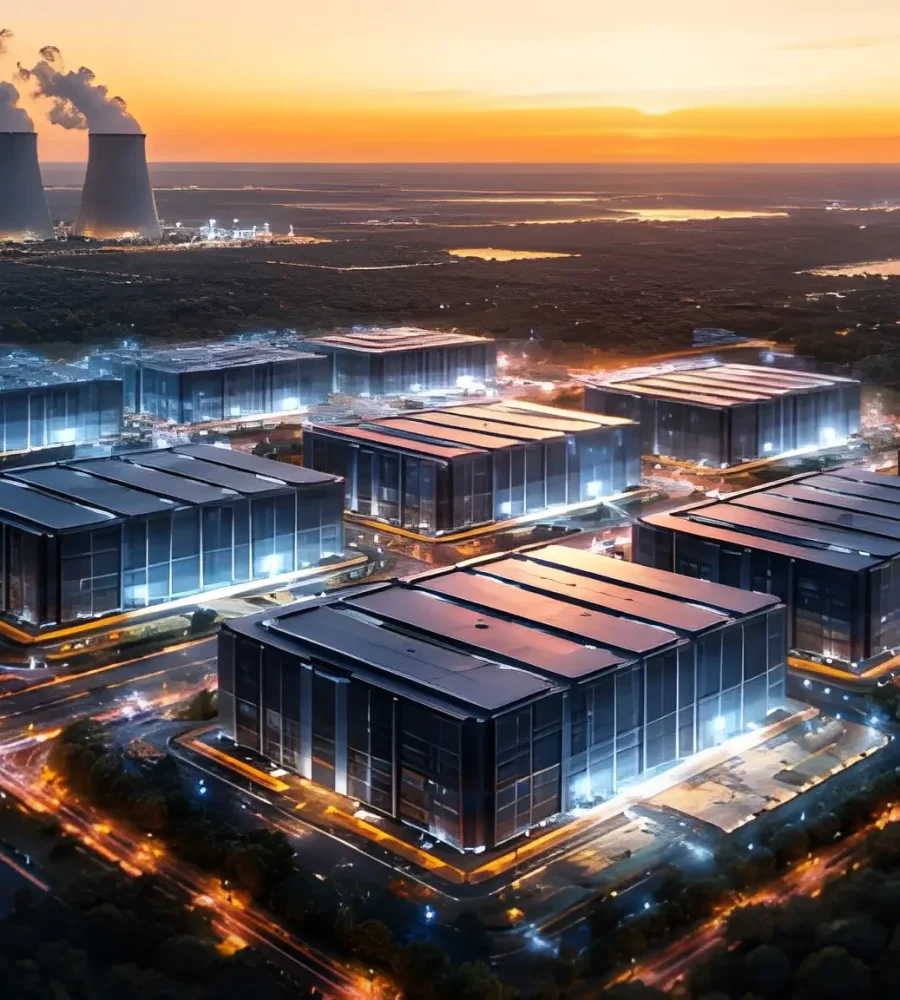
Demand for stable, carbon free baseload power has triggered a renewed interest in nuclear energy. This revival is centered on small modular reactors. Major technology companies now recognize that wind and solar generation are inherently intermittent. Without massive storage capacity, these sources cannot meet the continuous power demands of AI infrastructure.
As a result, hyperscalers are entering long term agreements to deploy SMRs. Amazon and X-energy are targeting 5 gigawatts of capacity by 2039, with an initial plant planned for central Washington. Microsoft and Constellation Energy are preparing to restart the Three Mile Island nuclear plant to power AI data centers by 2028. Google and Kairos Power are developing 500 megawatts of molten salt reactors with a target completion date of 2035. Meanwhile, utility applicants across the United States are pursuing construction permits through companies such as NuScale.
At the policy level, governments in the United States and Europe are actively supporting this nuclear resurgence. They are doing so through billions of dollars in funding and streamlined permitting processes. The US Department of Energy has allocated nearly $1 billion to accelerate SMR development. The stated objective is to have multiple reactors operating within the next decade.
This policy shift reframes nuclear energy as a foundational component of a decarbonized energy system. Within this model, nuclear power complements renewable deployment. Together, these resources support the emergence of net positive infrastructure.
Virtual Power Plants and Grid Stability
Virtual power plants are emerging as a critical solution for modern power systems focused on sustainability and resilience. A virtual power plant integrates decentralized energy resources such as solar arrays, wind turbines, battery storage, and demand response systems. Advanced software platforms coordinate these assets.
Through aggregation, these resources function as a single power plant. This structure enables them to deliver grid services previously reserved for large centralized facilities.
The global market for virtual power plants is projected to reach $6.7 billion in 2026. Analysts expect the sector to grow at a compound annual rate of nearly 22 percent. Within this ecosystem, data centers are becoming essential participants. They contribute battery storage capacity and flexible compute loads as grid balancing resources.
During peak demand periods, data centers can shed load or discharge stored energy. By doing so, they help utilities avoid activating fossil fuel peaker plants. They also enhance overall grid stability. This active role in grid management forms a core pillar of net positive infrastructure, positioning data centers as stabilizing assets for surrounding communities.
Pillar II: Thermal Symbiosis and Next-Gen Cooling
As AI workloads continue to densify, the industry has reached a thermal wall. Traditional air cooling systems can no longer manage the heat generated by high performance chips. In most facilities, air cooled racks reach their practical limit between 15 and 25 kilowatts. By contrast, modern AI server racks routinely demand 85 kilowatts or more. Looking ahead, next generation workloads are projected to reach 200 kilowatts per rack.
This widening gap between heat generation and cooling capacity is driving a rapid transition toward liquid cooling technologies. The shift reflects physical necessity rather than preference.
Liquid Cooling and Immersion Efficiency
Liquid cooling delivers nearly 25 times greater heat transfer efficiency than air based systems. Depending on water volume, it can move heat up to 3,500 times more effectively. As a result, adoption is accelerating quickly. By 2026, analysts expect liquid cooled AI servers to represent 76 percent of the market. This marks a sharp increase from just 15 percent in 2024.
However, this transition is not solely an engineering decision. It is also a financial one. For high density racks, liquid cooling reduces dependence on large mechanical systems such as chillers and air handling units. At the same time, it lowers the overall real estate footprint required for each facility.
In 2026, operators are deploying several major cooling technologies:
Air Cooling: Uses forced air through fans and chillers. It serves as the efficiency baseline but remains physically constrained to racks below 25 kilowatts.
Rear Door Heat Exchanger: Uses liquid cooled coils mounted on rack doors. It provides moderate efficiency gains and is often selected for hybrid retrofit deployments.
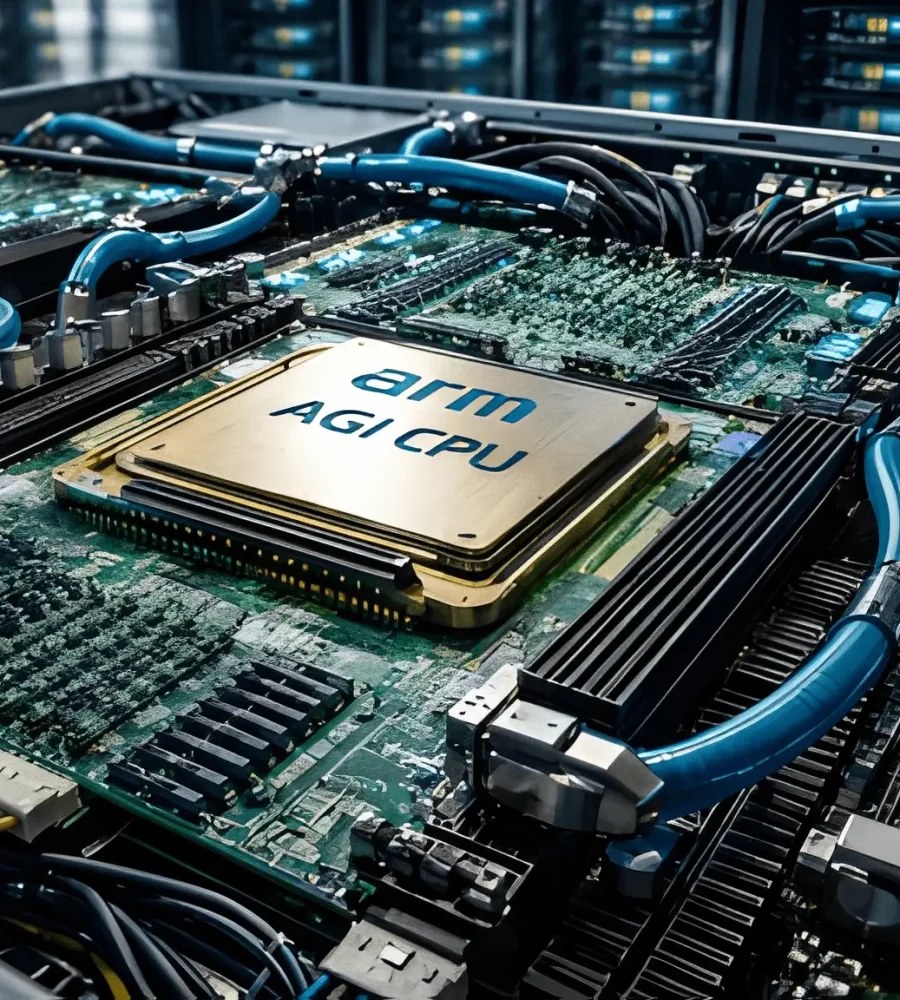
Direct-to-Chip: Circulates coolant through cold plates attached directly to processors. It delivers high efficiency and has become the mainstream choice for GPU clusters.
Immersion Cooling: Fully submerges servers in dielectric fluid. It provides the highest thermal efficiency, with a partial Power Usage Effectiveness of 1.01.
Among these options, immersion cooling delivers the strongest performance. It dramatically reduces the energy overhead required for thermal management. In addition, these systems eliminate the need for high speed fans. This design choice reduces noise levels and lowers ongoing maintenance costs.
Exporting Heat to Municipal Networks
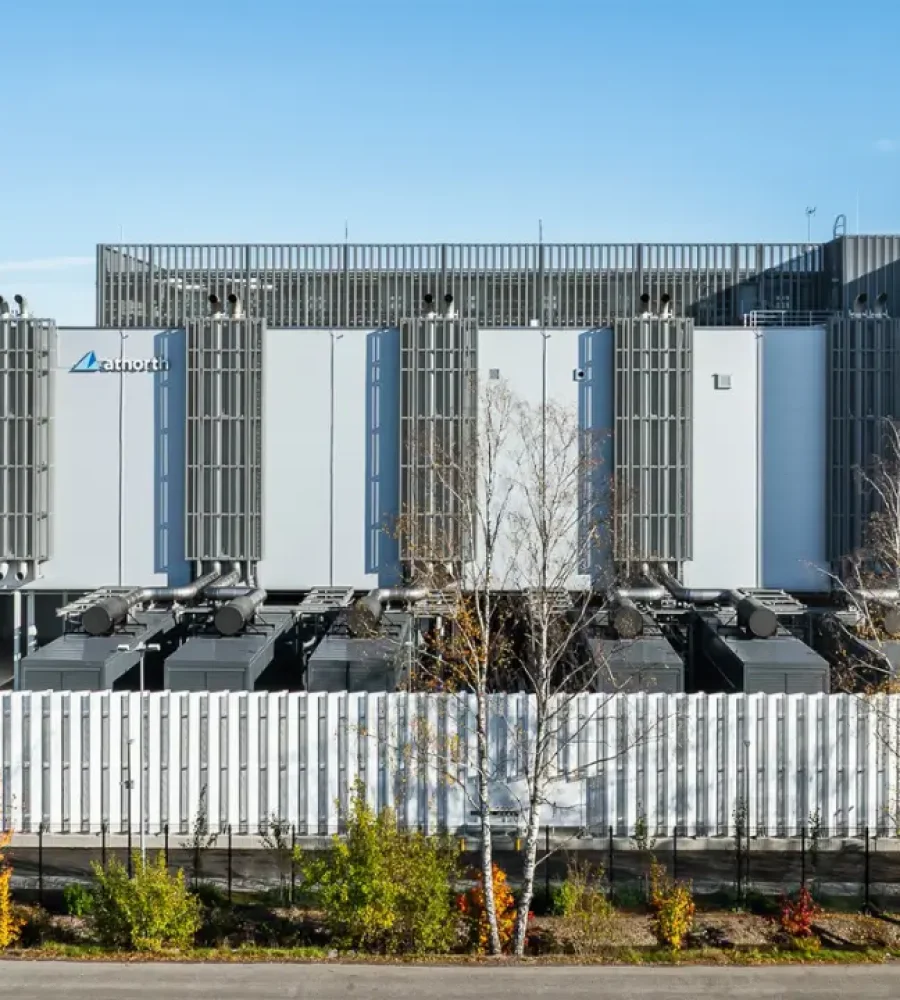
The adoption of liquid cooling also enables higher quality waste heat capture. Operators can then integrate this heat into municipal district heating networks. Through this model of thermal symbiosis, data centers export excess thermal energy to heat homes, offices, and greenhouses. In effect, the facility functions as a distributed heating plant for the surrounding community.
Stockholm offers a leading example of this approach. Through its Open District Heating initiative, the city allows companies with surplus heat to sell energy back to the utility. Under this framework, Stockholm Exergi pays approximately two million Swedish Krona per year for heat deliveries of 1 megawatt. The rate reflects the cost of producing an equivalent amount of heat in its own facilities.
By 2030, Stockholm aims to generate 100 percent of its district heating from renewable and recovered energy sources. Data centers are expected to play a central role in meeting this target. This circular energy flow exemplifies net positive infrastructure. Within this model, waste becomes a measurable social and economic asset rather than a byproduct to be discarded.
Pillar III: Water Stewardship and Biodiversity
Water has become a critical constraint on the expansion of digital infrastructure. Communities and regulators are increasingly responding to the scale of water consumption required for cooling. A 1 megawatt data center can consume up to 25 million liters of water each year. Looking further ahead, water stress is projected to affect 45 percent of existing sites by 2050.
At the upper end of the spectrum, large scale facilities can consume as much as five million gallons of water per day. This level of usage is comparable to the daily consumption of roughly 15,000 households. As a result, water availability is now shaping where and how digital infrastructure can grow.
The Transition to Water Positive
In response, leading technology firms are adopting water positive strategies. These approaches aim to support long term growth while maintaining community trust. A water positive model combines operational efficiency with watershed replenishment. The objective is clear. Facilities seek to return more water to local watersheds than they withdraw.
Operators track progress using Water Use Effectiveness metrics. WUE measures the volume of water consumed per unit of IT energy. This metric allows firms to quantify performance improvements and benchmark sites across regions.
Replenishment initiatives return water to stressed ecosystems through several approaches:
Wetland and Prairie Restoration: Projects in regions such as Wisconsin focus on restoring hundreds of acres near data center campuses.
Flood to Drip Irrigation: Deployed in areas like Arizona, this method reduces water use while limiting runoff in vulnerable river basins.
Longleaf Pine Ecosystem Projects: In Georgia, these initiatives filter and store approximately 44 million gallons of fresh water each year.
Flow Restoration Projects: In New Mexico, these efforts deliver fresh water to ecologically significant river locations, returning more than 80 million gallons annually.
Alongside replenishment, operators are improving efficiency at the facility level. Many are using recycled wastewater and rainwater harvesting systems. Amazon Web Services currently relies on recycled wastewater at 21 locations. The company plans to quadruple this footprint by 2030. Meanwhile, Microsoft uses rainwater to partially offset cooling demand at its European data centers.
Integrating Biodiversity into Infrastructure Design
Regulatory frameworks such as the European Union’s Corporate Sustainability Reporting Directive are reshaping how companies approach biodiversity. These rules require firms to disclose ecosystem impacts and document the steps taken to mitigate harm. As a result, infrastructure planning is shifting away from narrow site selection decisions. Instead, companies are adopting broader landscape level management strategies.
New projects increasingly incorporate native plant species to reduce irrigation demand. At the same time, designers are improving stormwater management to prevent runoff and protect surrounding land. Together, these measures help limit ecosystem degradation linked to infrastructure development.
In parallel, operators are prioritizing brownfield locations. These sites were previously developed but often contaminated by industrial use. By building on brownfields, companies can avoid converting undeveloped natural land. In some cases, projects go further by delivering direct public benefits. At one site in Idaho, an operator invested $70 million in a wastewater treatment facility. The company later gifted the facility to the city to serve residents for generations.
This approach ensures that infrastructure projects deliver value beyond their immediate operational footprint. It also aligns closely with the principles of net positive impact.
Pillar IV: The Circular Economy for Hardware
Digital infrastructure relies on large volumes of materials. This material intensity makes the sector a strong candidate for circular economy practices. A circular economy is restorative by design. It seeks to keep products and materials at their highest possible value for as long as possible.
Within the data center industry, this approach requires a rethinking of hardware lifecycles. Operators are redesigning how servers, storage systems, and networking equipment are manufactured, used, and retired. The goal is to eliminate waste while maximizing resource recovery.
Component Harvesting and Circular Centers
Major hyperscale operators have built dedicated circular centers to process decommissioned hardware. Microsoft operates six such facilities. These centers helped the company achieve a reuse and recycling rate of 90.9 percent in 2024.
At these sites, teams route retired servers through structured processing workflows. They harvest high value components and evaluate them for internal reuse or resale in secondary markets. This systematic approach allows companies to recover value that would otherwise be lost.
Common disposition strategies for hardware components include:
CPUs and Memory (DIMMs): Refurbished components are returned to inventory, generating hundreds of millions of dollars in annual cost avoidance.
Hard Drives and SSDs: Devices undergo secure data erasure before resale or shredding. Shredding enables the recovery of rare earth elements.
Server Chassis: Units are dismantled and de-kitted. Usable parts are reclaimed to reduce reliance on virgin materials.
Networking Equipment: Devices are remarketed to secondary buyers, extending their useful life in less demanding environments.
In 2024 alone, Microsoft’s circular centers reused more than 3.2 million components. These centers also fulfilled 85 percent of demand for obsolete spare parts using harvested inventory. This strategy reduces electronic waste. It also strengthens supply chains by lowering dependence on new manufacturing.
Designing for Longevity and Repairability
A functional circular economy begins at the design stage. Engineers are increasingly developing hardware with regeneration in mind. Their goal is to ensure that products can be refurbished, repaired, and upgraded with minimal disruption.
Modular design plays a central role in this shift. Standardized components allow operators to replace specific aging parts, such as memory modules or flash storage, without retiring the entire server. This approach reduces material throughput and extends asset life.
Software also contributes to lifespan extension. Predictive maintenance algorithms now anticipate hardware failures before they occur. These insights allow teams to perform targeted repairs that keep equipment in service longer. As the industry approaches 2030, sustainable sourcing is becoming standard practice. Recycled materials are increasingly used as primary inputs. At the same time, urban mining initiatives are recovering valuable metals from existing e-waste streams.
Legacy vs. Next-Gen Retrofitting
In many markets, building new facilities is constrained by land availability, power access, and capital requirements. As a result, operators are turning to retrofits of legacy air cooled data centers. These sites, often referred to as brownfields, play a critical role in supporting modern AI workloads.
Retrofitting presents significant engineering challenges. Operators must integrate heavy liquid cooled systems into facilities never designed to support them. Despite these obstacles, retrofits remain one of the most viable paths to scale.
Engineering Challenges of Brownfield Sites
Older data centers often suffer from structural limitations. Common constraints include low ceiling heights, limited floor loading capacity, and narrow corridors. These conditions complicate the installation of new piping and cooling equipment.
To overcome these issues, engineers are applying finite element analysis. This method allows teams to design custom support systems that distribute weight across aging structures without overstressing them.
Key components commonly used in retrofit projects include:
Variable Spring Hangers: These manage vertical thermal movement in piping and reduce stress on older ceiling structures.
Low-Profile Pipe Shoes: These allow pipes to be mounted flush against ceilings or beneath raised floors, preserving headspace in low clearance areas.
Compact Expansion Joints: These absorb pipe expansion in confined layouts and eliminate the need for large expansion loops.
Seismic Bracing: These systems stabilize heavy cooling lines. They are especially important for facilities located on upper floors.
Custom engineered supports enable dense pipe routing near ceilings or under raised floors. This approach preserves valuable headroom. In addition, pressure balanced expansion joints prevent high pressure cooling loops from transferring damaging forces to existing building anchors.
The ROI of Cooling Retrofits
Retrofitting can significantly enhance the performance of legacy facilities without expanding their physical footprint. Case studies show that replacing traditional AC motors with advanced EC technology in cooling fans can reduce energy consumption by as much as 25 percent.
One large data center in the United States reported annual savings exceeding $100,000 after implementing an EC fan retrofit. In that case, the operator recovered the initial investment within 12 to 24 months.
To minimize risk, many operators adopt a phased implementation strategy. Projects are divided into clearly defined stages. This approach allows teams to validate performance incrementally while keeping most of the facility operational. Through phased upgrades, legacy data centers can extend the value of existing assets. At the same time, they can layer in new technologies capable of supporting higher rack densities and AI training workloads.
Geographic Case Studies: The Nordics and Singapore
Regions that have successfully aligned environmental constraints with economic policy are leading the shift toward net positive infrastructure. The Nordics and Singapore illustrate two distinct paths toward this outcome.
The Nordic Model: Energy Export and Heat Recovery
Nordic countries, particularly Sweden, have leveraged extensive district heating networks to build circular energy systems. Stockholm Data Parks exemplifies this approach. The initiative brings together the city, Stockholm Exergi, and power distribution companies to attract large scale data centers capable of exporting waste heat.
This model depends on an existing district heating network. In Stockholm, more than 3,000 kilometers of pipes run beneath city streets. By 2022, the program had partnered with 20 suppliers. Together, they recovered enough heat to warm 30,000 modern apartments each year.
For operators, the financial incentive is clear. Utilities pay for delivered heat capacity, which improves overall project returns while supporting sustainability objectives. The Nordic experience demonstrates that data centers can function as productive elements of urban ecosystems rather than isolated industrial assets.
The Singapore Model: Sustainability in a Tropical Climate
Singapore represents one of the most resource constrained data center markets globally. Limited land availability and high humidity make traditional cooling approaches difficult. Following a three year moratorium on new data center construction, the government introduced a selective approval regime. Known as the Data Centre Call for Applications 2, the program launched in late 2025.
Key requirements under the DC-CFA2 framework include:
Power Usage Effectiveness: Facilities must achieve a PUE of 1.25 or lower at full IT load.
Green Energy Mandate: At least 50 percent of power must come from approved pathways such as hydrogen or biomethane.
Efficiency Certification: Projects must achieve BCA-IMDA Green Mark Platinum certification.
IT Equipment Standards: Operators must comply with SS 715:2025 energy efficiency baselines.
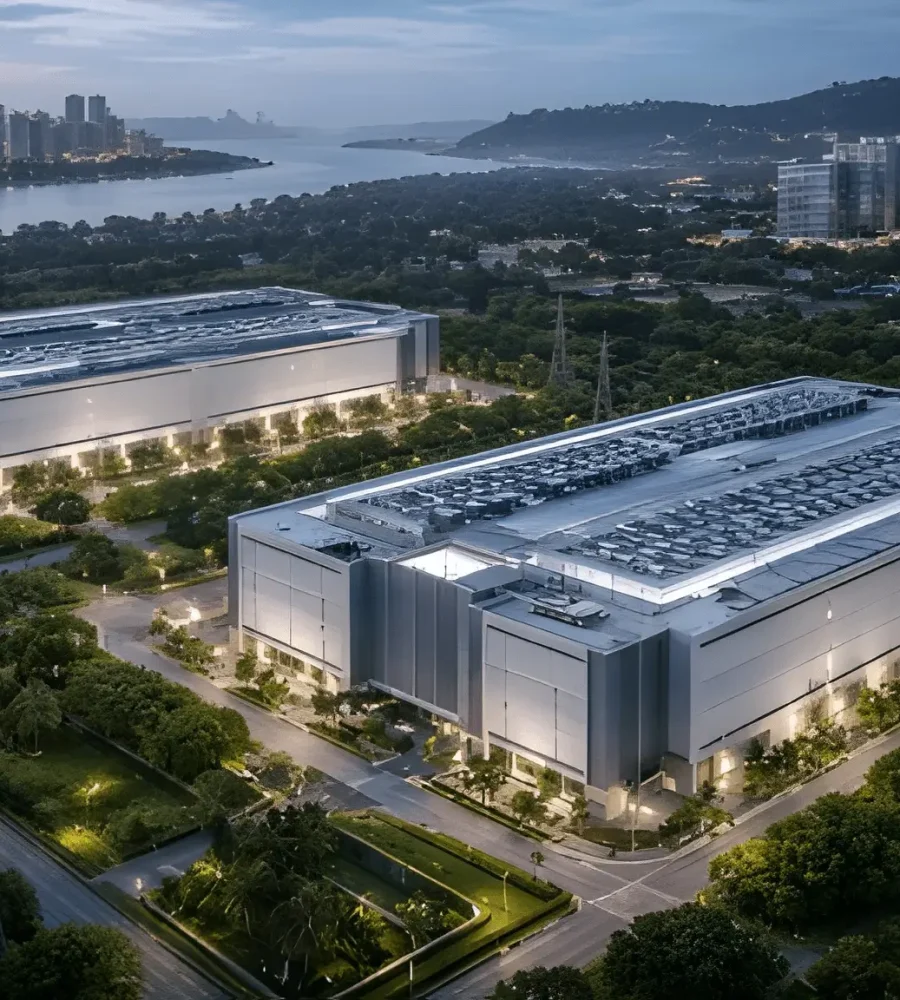
To meet these thresholds, the Singapore market is rapidly shifting from air cooling to liquid cooling. At the same time, developers are exploring innovative concepts such as floating data center parks. These designs use seawater for cooling and could improve efficiency by as much as 80 percent. Singapore’s approach shows that even under extreme constraints, targeted regulation can drive innovation and deliver sustainable, net positive outcomes.
Pillar V: The Tokens-per-Watt Economy
By 2026, success metrics for digital infrastructure are undergoing a fundamental shift. The focus is moving away from basic facility efficiency and toward computational effectiveness. For decades, Power Usage Effectiveness served as the dominant benchmark for data centers. PUE measures the ratio of total facility power to IT equipment power.
In the AI era, however, PUE has lost relevance. The metric ignores what occurs inside the server. Instead, it focuses only on facility level energy losses. As a result, PUE fails to capture how effectively power is converted into useful computation.
Power Compute Effectiveness and ROIP
To address this gap, industry leaders are adopting Power Compute Effectiveness as a new benchmark. PCE measures how efficiently electrical capacity is transformed into usable compute output. This reframing closes the visibility gap that emerges when highly optimized facilities encounter hard power limits that restrict growth.
Alongside PCE, operators are also adopting Return on Invested Power. Power availability has become the primary bottleneck for AI infrastructure. In several regions, grid connection wait times now range from 24 to 72 months. Under these conditions, ROIP helps organizations evaluate how productively they are using the power they already control.
Together, these metrics shift the central question facing operators and investors. The focus is no longer on how efficient a facility appears. Instead, it centers on how much intelligence and revenue each kilowatt can produce.
The Inference Inversion and Strategic Deployment
In 2026, the industry reaches a historic inflection point known as the inference inversion. For the first time, the volume of inference tokens surpasses the number of tokens consumed during model training. This transition carries major implications for infrastructure architecture.
Training workloads still depend on massive, centralized clusters with extreme power demands. In contrast, inference workloads are increasingly distributed. They are moving closer to the edge, where data is generated and consumed. This shift is reshaping deployment strategies across the enterprise.
As a result, many organizations are adopting a 90/10 approach. Under this model, open source small language models deliver roughly 90 percent of the performance of frontier models at just 10 percent of the cost. This strategy enables companies to assemble modular AI stacks. These stacks rely on private and sovereign infrastructure for core business operations.
Consequently, the ability to optimize PCE across an entire server fleet has become a strategic differentiator. Demonstrating a strong return on energy investment now defines competitive positioning. Operators that achieve higher token per watt output than their peers are best positioned to succeed in an increasingly power constrained environment.
Conclusion
The shift from net zero to net positive infrastructure reflects the physical and economic realities of the AI driven expansion of the mid 2020s. Research shows that carbon mitigation strategies based on offsets alone cannot address the combined pressures of energy scarcity and water stress. In 2026, the most resilient infrastructure assets extend beyond footprint reduction. They actively restore and contribute to the systems in which they operate.
This report has shown how that transition is unfolding across energy production, thermal management, water stewardship, and the circular economy. Fuel cell microgrids and small modular reactors allow infrastructure to supply firm, carbon free power to the grid. Liquid cooling and thermal symbiosis convert computation into a usable heat source for cities. Water positive strategies and circular hardware centers ensure that digital expansion does not deplete essential natural resources.
For infrastructure investors and policymakers, the implications are straightforward. Assets that fail to demonstrate net positive impact face rising regulatory exposure and higher costs of capital. In contrast, facilities designed as active participants in grid stability and environmental restoration are better positioned to earn long term community support and operational resilience.
As artificial intelligence continues to accelerate the global economy, the efficient conversion of energy and water into computational intelligence will remain the defining benchmark for success. Net positive is now the operational requirement for the next generation of global infrastructure.