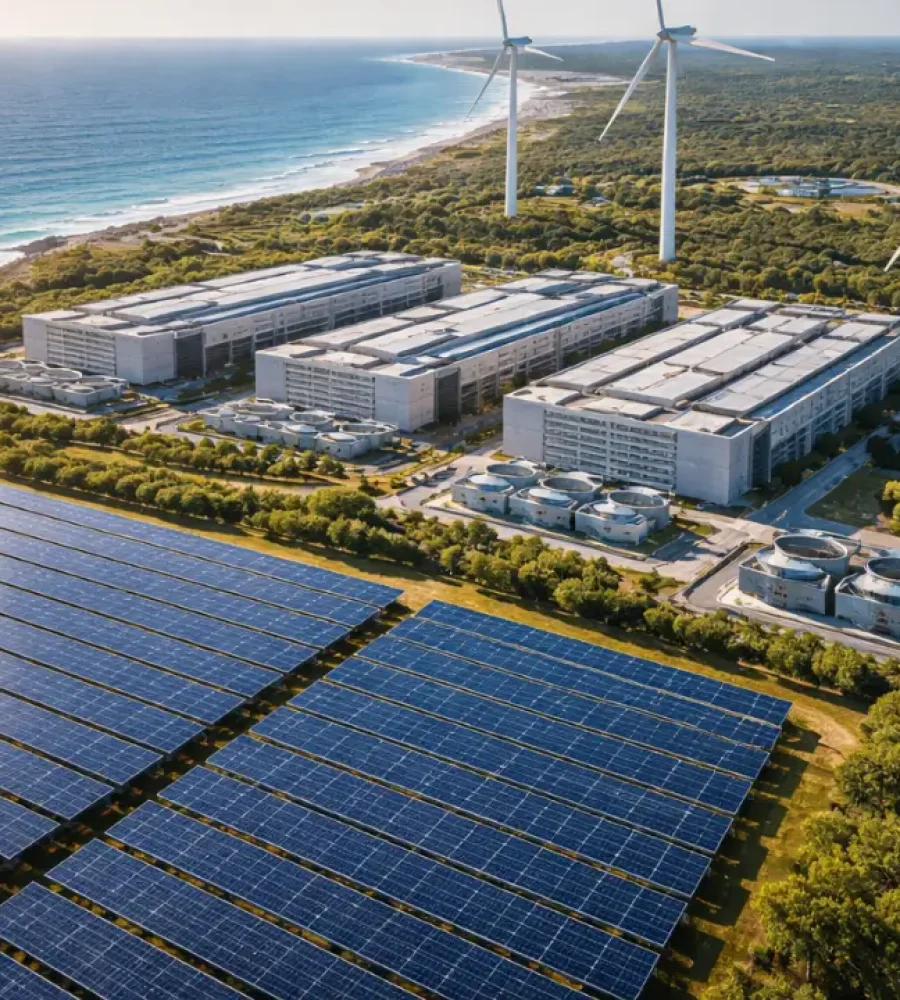
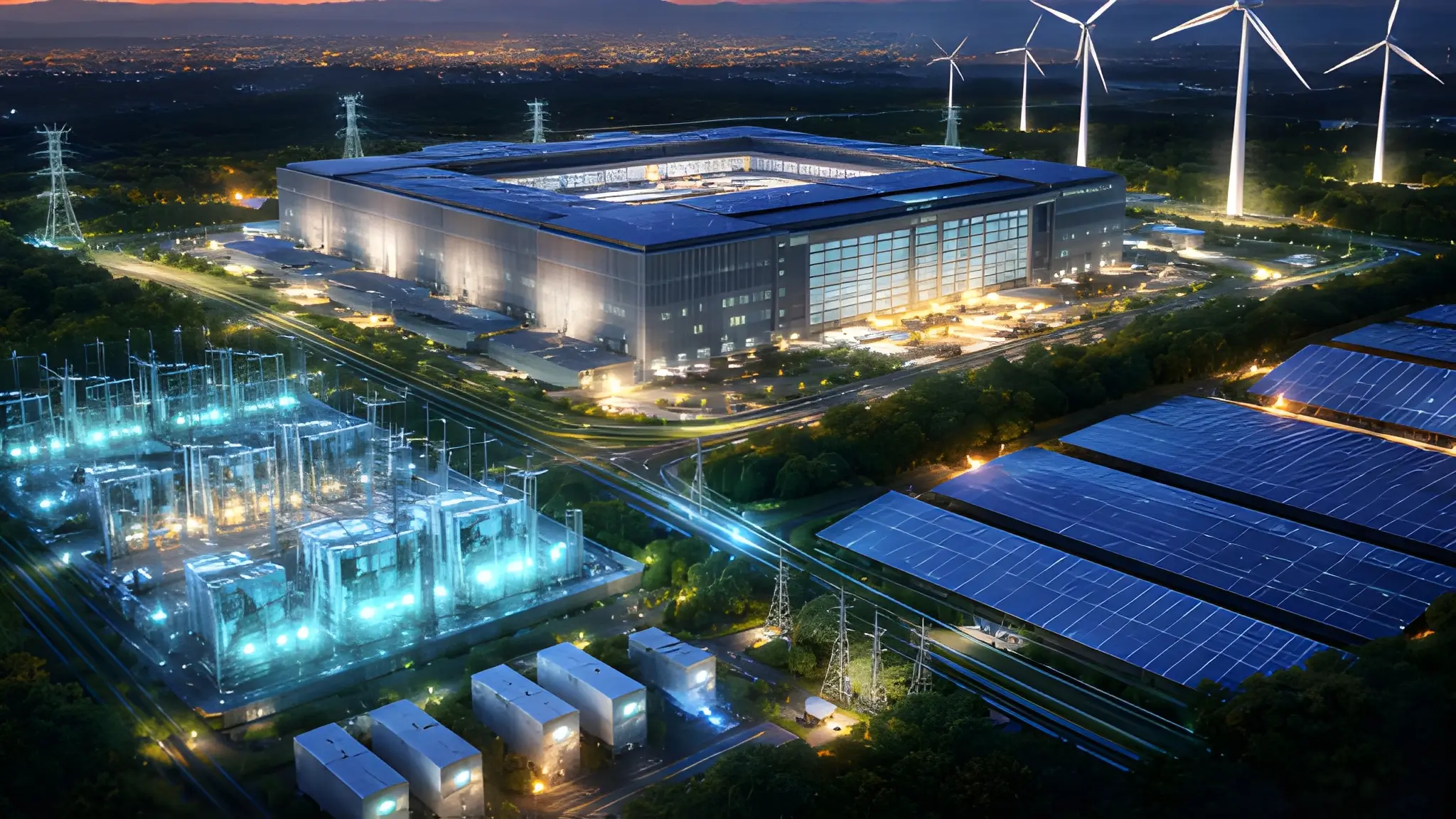
Semiconductor megafabs increasingly act as anchor loads within regional electricity systems because they demand continuous, ultra‑stable and large‑scale power that resembles the load of mid‑size cities. These facilities operate around the clock and require a constant supply of power not only for manufacturing process tools but also for environmental control systems, ultrapure water generation, and advanced HVAC infrastructure critical to maintaining cleanroom conditions suitable for nanometre‑scale fabrication. The combination of high‑capacity consumption and absolute reliability elevates these facilities to a status where utilities and regional planners must explicitly account for their electrical needs in long‑term capacity planning and grid reinforcement projects. Without this recognition, local grid operators may face bottlenecks and reliability challenges when large fab clusters come online, especially in regions where energy infrastructure was not originally sized to accommodate gigawatt‑scale loads.
Regional energy planners now treat semiconductor clusters as foundational industrial anchors, integrating their demand profiles into transmission expansion strategies and substation design criteria. This shift reflects a fundamental change in how regional power systems are planned: demand from a few megafabs can shape investment in high‑voltage transmission corridors, dedicated substations, and redundancy systems to ensure uninterrupted service. The result is a tighter coupling between industrial load growth and grid reinforcement planning, especially in semiconductor hotspots where multiple fabs co‑locate and compete for prioritized power delivery. Utilities often engage directly with fab developers early in the planning process to align on connection timelines, capacity reservations, and reliability standards that go beyond typical industrial customers.
Why Semiconductor Megafabs Redefine Power Infrastructure
The anchor‑load nature of these fabs affects industrial zoning as well because power availability and reserve margins become key determinants of where such facilities can feasibly operate. Regions that can promise lower grid constraints and dedicated energy corridors stand out in site selection assessments, while areas with limited power capacity find themselves at a disadvantage in attracting leading fab investments. This influence is also amplified by the interplay of other energy‑intensive facilities such as data centers and battery plants that often cluster in the same corridors and exert cumulative pressure on regional grids.
The scale of energy demand from a megafab fundamentally changes how local and regional grids must operate because producers cannot tolerate even a millisecond‑long disturbance in supply without risking costly production disruptions, tool damage, or entire wafer lots invalidated. This stringent requirement for continuous clean power elevates fabs above typical industrial loads and requires transmission and distribution networks to meet far stricter stability and quality thresholds.
To meet these criteria, grid operators must integrate design features such as voltage regulation technologies, redundant transmission feeds, and advanced monitoring systems that can pre‑emptively address instability before it affects facility operations. This integration ensures that semiconductor manufacturing hubs no longer sit on the fringe of industrial energy planning; instead, they define the trajectory of electrical infrastructure upgrades in many regions around the world.
From Industrial Plants to Power‑Sensitive Manufacturing Environments
Semiconductor manufacturing diverges sharply from conventional industrial plants in its power sensitivity because chip fabrication processes require electricity that is stable not only in quantity but also in quality, continuity, and purity. Traditional industrial operations tolerate brief voltage variances or supply fluctuations with limited impact on production outcomes, but in a fab environment even microsecond‑scale disturbances can lead to damaged tools, scrapped wafers, and compromised yield. This extreme sensitivity stems from the nature of semiconductor process tools such as photolithography steppers, etchers, and deposition systems, which rely on tightly regulated power profiles to maintain the precise physical and chemical conditions required for atomic‑scale patterning and layer formation. As a result, fabs cannot operate effectively on grids that merely meet conventional industrial standards, prompting a fundamental shift in how energy infrastructure and manufacturing environments intersect.
Minimizing Risk of Process Interruptions
Power‑sensitive manufacturing environments treat “clean power” as a baseline requirement. Clean power refers to electricity free from minor swings in voltage, frequency deviations, transient noise, or harmonic distortion that could disrupt precision fabrication sequences. For chip manufacturers, consistent voltage within narrow tolerances and strictly controlled frequency stability are prerequisites for maintaining the calibration and operation of ultra‑high‑precision equipment. Deviations beyond these tight margins risk halting production lines or triggering error states in process tools that can invalidate entire wafer lots, making power quality one of the principal determinants of operational continuity.
Unlike many industrial plants that can endure brief outages or tolerate momentary fluctuations, semiconductor fabs demand unbroken power supply because wafer processing comprises hundreds of sequential steps that must occur without interruption. Power sags, surges, or outages, even those lasting milliseconds can disrupt thermal cycles, displace delicate chemical processes, and damage sensitive circuitry within fabrication tools. Once interrupted, restarting production is often time‑intensive, potentially taking hours to fully synchronize environmental systems and process equipment back to nominal operational conditions.
Continuous Operation and Production Sequencing
Addressing these unique requirements necessitates an ecosystem of specialized electrical infrastructure within and around fab campuses that far exceeds what is typical in most manufacturing sectors. Redundancy systems such as uninterruptible power supplies (UPS), static voltage regulators, backup generators, and power conditioning hardware are integral to creating an energy‑secure environment capable of supporting uninterrupted production activity. Fabs intentionally design multiple layers of backup and conditioning to shield against both external grid disturbances and internal fluctuations, aiming to sustain continuous operation regardless of broader network disruptions.
This approach emphasizes power reliability as a core manufacturing vector rather than a peripheral utility service. Semiconductors are built through precise combinations of thermal, chemical, and physical manipulations that demand a power supply with predictable quality and resiliency. Where conventional industry might accept occasional supply irregularities, fabs require infrastructure that ensures supply continuity down to microsecond timescales, because even slight inconsistencies can cascade into manufacturing defects or costly downtime.
In this context, the power infrastructure of fabs must converge with advanced monitoring and control systems that track real‑time power conditions, anticipate disturbances, and mitigate anomalies before they impact core process tools. Real‑time energy analytics, power distribution monitoring, and predictive fault detection have become as vital to fab operations as the chemical process controls and environmental systems that maintain cleanrooms. Such integration reflects the transformation of electricity from a passive input into an actively managed element of the manufacturing architecture, underlining the heightened sensitivity of semiconductor environments to even the subtlest variances in supply quality.
The Hidden Electrical Ecosystem Inside a Semiconductor Fab
Within a semiconductor megafab, electricity is delivered through a multi-layered distribution and conditioning ecosystem designed to meet extreme operational requirements. The infrastructure begins at the substation level, where high-voltage transmission feeds are transformed and routed through dedicated switchgear before entering the fab’s internal power networks. From there, electricity passes through uninterruptible power supplies (UPS), static transfer switches, and power conditioning systems that ensure voltage and frequency remain within precise tolerances. This layered design prevents fluctuations, spikes, or harmonics from reaching sensitive process tools and environmental control systems, thereby safeguarding production continuity at every stage.
Beyond conventional distribution, fabs often implement segmented power grids internally, isolating sections of the facility to prevent localized disturbances from propagating across the campus. Critical process tools such as extreme ultraviolet (EUV) lithography machines and ion implanters receive power through dedicated circuits equipped with redundant feeds and high-speed monitoring. These sections are supplemented by auxiliary systems, including precision air handling units, ultrapure water generation pumps, and chemical delivery infrastructure, all of which rely on carefully regulated power to maintain environmental stability. Every layer of the electrical ecosystem contributes to a controlled environment that aligns with the exacting needs of semiconductor fabrication.
Redundant Systems and UPS Architecture
The control and monitoring framework within fabs integrates energy management with process oversight. Advanced sensors continuously measure voltage, current, and frequency, relaying data to centralized supervisory control systems. In real time, these systems detect anomalies, trigger automated corrective measures, and provide operational visibility for engineering teams. By linking power management with environmental control and process monitoring, fabs can anticipate potential disruptions before they affect production tools, ensuring that even transient disturbances are mitigated proactively rather than reactively.
In addition to internal systems, megafabs frequently interface with utility-managed infrastructure such as redundant high-voltage feeders and dedicated substations. Collaboration between fab operators and grid utilities ensures that capacity allocations, voltage regulation, and fault detection mechanisms are coordinated across the broader network. Utilities may also provide real-time data on load fluctuations, enabling fabs to adjust internal energy distribution to maintain balance across critical systems. This two-way interaction between facility and grid reinforces the reliability of the electricity supply and allows fabs to maintain uninterrupted operations even during regional load variations.
The hidden complexity of fab power extends to energy storage and microgrid integration. Many campuses deploy battery systems or small-scale captive generation to bridge gaps during maintenance or transient grid events. These systems are seamlessly integrated into the larger distribution network, offering instant response to voltage dips, frequency shifts, or unexpected outages. By maintaining this hidden electrical ecosystem, fabs secure operational continuity while ensuring environmental and process parameters remain stable, illustrating that electricity management is a core pillar of semiconductor manufacturing rather than a supporting function.
Cleanrooms, Precision Tools, and the Electricity Behind Chipmaking
The relationship between advanced manufacturing tools and the electrical systems that power them defines the core operational reality within a semiconductor fabrication campus and underscores how cleanrooms and precision equipment impose complex power demands that diverge significantly from those of general industrial environments. Chipmaking tools such as immersion lithography systems, ion implantation units, plasma etchers, and chemical vapor deposition chambers require not only stable voltage and frequency but also electrical environments free from transient noise and harmonic distortions that could impact nanometer‑scale patterning and material deposition processes.
Environmental Control Systems and Energy Deman
These tools operate with extreme sensitivity to electrical fluctuation because even minute power variations can alter the behavior of lasers, electron beams, or charged particles used in critical fabrication steps, causing defects that propagate through subsequent layers and compromise yield. Cleanrooms that house these tools maintain strict environmental controls for temperature, humidity, and particulate levels, and the electrical infrastructure feeding these environments must support precision cooling systems, air handling units, and filtration equipment that operate continuously to preserve cleanroom classifications. The integration of precision tools with environmental systems means that electrical demand is not isolated to process equipment but extends to support systems that maintain the very conditions in which chips can be manufactured reliably and consistently. This layered power demand creates a complex profile that electrical engineers must address at every design and operational stage to ensure uninterrupted, high‑quality manufacturing output.
Precision tools also rely on ancillary systems such as vacuum pumps, precision motion control, and closed‑loop feedback electronics that depend on clean power to function within their designed tolerances, making electrical quality a prerequisite for tool accuracy and reliability. Semiconductor fabs often require dedicated feed lines and power conditioning subsystems for these critical elements, isolating them from segments of the distribution network subject to greater variability. This segregation of power circuits ensures that essential functions remain stable and minimizes cross‑coupling between energy‑intensive support systems and sensitive manufacturing tools, reinforcing a layered approach to electrical infrastructure.
Cleanroom HVAC and Filtration Infrastructure
The interaction between precision tools and electrical infrastructure extends into how fabs implement backup power strategies to mitigate disruptions, as process continuity can hinge on instantaneous delivery of electricity when primary grid sources falter. Backup systems such as uninterruptible power supplies, industrial battery banks, and on‑site generators engage within milliseconds to preserve ongoing fabrication steps and maintain cleanroom environmental conditions, preventing the costly loss of work‑in‑progress wafers.
Because process tools often operate in tightly orchestrated sequences, the loss of electrical supply even briefly can desynchronize tool operations, requiring lengthy resets and recalibrations that translate into manufacturing downtime. Electrical architects design these systems with multiple layers of redundancy, segmenting critical load groups to ensure that no single point of failure can interrupt essential functions. This approach also includes real‑time monitoring and automated transfer switching that reroutes electrical flows without human intervention when disturbances occur, ensuring that precision tools and environmental systems seamlessly transition to alternative power paths. With these safeguards in place, fabs maintain production continuity and uphold the strict quality standards demanded by advanced semiconductor manufacturing.
Power demand for precision tools amplifies the complexity of thermal management within the fab environment because many manufacturing processes produce significant heat that must be removed to preserve tool performance and cleanroom stability. Chilled water systems, heat exchangers, and precision cooling units absorb and dissipate heat generated by both process tools and environmental control equipment, and these thermal management subsystems contribute notable electrical loads that fluctuate with manufacturing intensity. The electrical infrastructure must account for these dynamic loads, maintaining supply quality while balancing the variable demands posed by thermal control systems.
Tool-Specific Electrical Requirements
This necessity further reinforces the layered nature of fab electrical design, as power distribution networks need to anticipate and adapt to shifting load patterns without introducing instability into sensitive circuits. Power quality monitoring and adaptive control systems play a critical role in ensuring that thermal management does not impose undue stress on precision tool operations, harmonizing the interaction between tool power demands and environmental loads. The result is a tightly integrated system where electrical, thermal, and environmental controls operate in concert to support the nuanced requirements of semiconductor fabrication.
The culmination of these considerations illustrates why fabs require not just robust electrical supply but sophisticated orchestration of power quality, environmental systems, tool support, and grid coordination to sustain precision manufacturing environments. The complexity of chipmaking, combined with the unforgiving nature of semiconductor processing, means that electrical infrastructure becomes a central component of production viability rather than a peripheral utility service. Every aspect of power delivery, conditioning, redundancy, and monitoring operates under the premise that even marginal deviation in supply quality can lead to significant manufacturing setbacks. Consequently, the design and implementation of fab electrical systems represent an engineering discipline that integrates electrical, mechanical, and control systems expertise to meet the high standards of modern semiconductor manufacturing. This integration reflects how deeply intertwined electrical infrastructure has become with the technical and operational core of fab operations, shaping everything from environmental controls to tool performance and production continuity.
Regional Power Planning in the Age of Semiconductor Clusters
As semiconductor megafabs continue to concentrate in specific regions, their cumulative electrical demand has transformed how governments and utilities approach regional power planning. Industrial clusters featuring multiple fabs, data centers, battery manufacturing facilities, and advanced technology plants exert unprecedented pressure on local grids, requiring proactive coordination to ensure reliable power delivery. Utilities now assess regional transmission corridors, substation capacity, and reserve margins not only for residential and conventional industrial loads but also with the explicit intention of supporting high‑technology industrial clusters. Planners evaluate the interplay between peak demand periods, energy diversity, and redundancy options to prevent disruptions that could affect multiple facilities simultaneously. This forward‑looking strategy enables regions to attract new semiconductor investments by demonstrating an ability to provide consistent, high-quality electricity capable of sustaining complex manufacturing operations over decades.
Planning for Future Semiconductor Expansion
Regional power planning also involves dedicated infrastructure investments to accommodate the unique load profiles of semiconductor clusters. Utilities may construct specialized high-voltage substations, expand transmission capacity, and integrate flexible distribution systems that can dynamically respond to varying demand from multiple fab campuses. Coordination with industrial developers often begins during the early stages of site planning, allowing power system upgrades to align with projected facility commissioning timelines. Such collaboration ensures that grid capacity expansions, voltage regulation equipment, and redundancy measures are available as fabs begin operations, minimizing the risk of supply constraints or production delays. This level of integration between private industrial needs and public power infrastructure marks a significant evolution in energy planning practices.
Strategically, regions hosting semiconductor clusters must balance competing industrial demands while maintaining grid reliability. Emerging technology corridors frequently feature other high-energy users, including electric vehicle battery plants, chemical manufacturing facilities, and large-scale data centers. Each of these operations requires continuous, high-quality electricity, often with overlapping peak periods. Regional planners address these challenges by modeling load diversity, deploying smart grid technologies, and implementing demand response mechanisms to mitigate potential conflicts between facilities. By coordinating infrastructure upgrades across multiple industries, regions can maintain energy reliability while supporting economic growth and attracting further high-tech investments.
Coordinated Industrial Load Management
National governments also play a role in aligning energy policy with semiconductor industrial strategy. Policies encouraging grid resilience, renewable integration, and industrial energy efficiency often coincide with incentives for fab construction, creating an environment where energy availability and quality become decisive factors in site selection. Authorities may collaborate with utilities to prioritize transmission upgrades, reserve allocation, or interconnection agreements in regions designated for semiconductor development. This level of policy coordination ensures that semiconductor clusters benefit from stable, forward-looking energy infrastructure, reducing operational risk for manufacturers while supporting broader national technology and economic objectives.
Energy planning for semiconductor clusters also involves long-term reliability considerations. Unlike traditional industrial facilities, which can tolerate brief outages or minor fluctuations, semiconductor fabs require decades of uninterrupted, high-quality power. Utilities must anticipate changes in technology, production scale, and industrial growth when designing networks that will support these clusters. This includes planning for backup generation, microgrid integration, and emergency response systems to address contingencies such as grid failures, natural disasters, or unplanned maintenance events. Incorporating these elements into regional plans ensures that semiconductor clusters can operate continuously without compromising yield or tool performance.
Ultimately, regional power planning in the age of semiconductor clusters reflects a transformative approach to industrial energy management, where electricity provision is no longer reactive but strategic. Regions capable of providing consistent, resilient, and high-quality power become more attractive to semiconductor developers, influencing global investment flows and shaping the geographic distribution of advanced manufacturing. This strategic integration of energy infrastructure and industrial development positions electricity as a critical enabler of technology-driven economic growth, where reliable energy supply directly underpins the global chip economy.
Site Selection in the Era of Energy-First Industrial Development
Electricity availability and grid resilience have become central criteria in site selection for semiconductor megafabs, redefining traditional considerations such as land availability, logistics, and labor. Modern fabs operate under continuous, high-intensity energy loads that require not just sufficient capacity but also highly reliable power with stringent quality specifications. Developers evaluate regions based on the presence of dedicated transmission lines, redundant substations, and stable voltage profiles that can support continuous operation. Areas lacking robust energy infrastructure are often excluded from consideration because even short-term disruptions can result in multi-million-dollar losses and jeopardize complex fabrication sequences. Consequently, energy-first planning now shapes strategic industrial development, with regions actively investing in grid upgrades and resilience measures to attract or retain semiconductor investment.
The emphasis on energy-first site selection has intensified as fabs scale in size and technological sophistication. Developers assess local grid redundancy, examining whether multiple independent transmission paths and substation connections are available to mitigate risks from single points of failure. Regions with proactive utility support, advanced voltage regulation technologies, and dynamic load management capabilities are positioned to offer higher operational reliability, making them preferable for next-generation fabs. Site selection now involves detailed energy modeling that predicts how large-scale industrial consumption will interact with regional loads and contingency scenarios. This predictive approach allows fab operators to secure locations that can sustain stable, long-term operations without compromising production quality.
Grid Resilience and Risk Mitigation
Another critical aspect of energy-first development is integration with renewable and sustainable power sources. Many regions actively encourage semiconductor developers to incorporate renewable energy procurement strategies, often providing preferential grid access or incentives for facilities that commit to clean energy. Fabs benefit from this integration because renewable energy sources can be paired with advanced energy storage or microgrid configurations to maintain uninterrupted supply, reducing reliance on single-source electricity while supporting corporate sustainability goals. Energy-first site selection ensures that regions offering reliable and sustainable power not only meet operational requirements but also align with broader environmental and policy objectives.
Proximity to other high-tech industrial hubs also factors into site selection because the interaction between multiple energy-intensive facilities can influence grid stability. Developers analyze potential load competition between semiconductor plants, data centers, battery factories, and other advanced manufacturing sites, evaluating whether the existing or planned infrastructure can accommodate aggregate demand without degradation of power quality. Regions that proactively manage these challenges through coordinated energy planning and strategic grid reinforcement become more attractive because they minimize operational risk while supporting scalable growth. This collaborative energy approach ensures that industrial corridors remain capable of sustaining next-generation manufacturing technologies.
Moreover, site selection increasingly considers resilience to environmental and external factors that could impact energy supply. Factors such as regional weather patterns, seismic activity, and the likelihood of grid disruptions influence decisions about substation design, backup generation requirements, and internal power distribution strategies. Developers prioritize sites where regional planning has already addressed potential vulnerabilities, ensuring that contingency measures are in place and that critical fab operations can be sustained under adverse conditions. This proactive approach to energy-first site selection reduces the likelihood of costly interruptions and enhances the long-term viability of semiconductor investments.
Power Reliability as a Strategic Asset for Chip Manufacturing
For semiconductor megafabs, power reliability is not simply an operational concern, it is a strategic asset that directly affects production continuity, tool longevity, and financial performance. Fabrication tools operate on processes measured in nanometers and angstroms, where even microsecond interruptions in power can compromise wafer integrity or halt production cycles. As a result, fabs invest heavily in redundant power systems, including multiple feeds from separate substations, uninterruptible power supplies, on-site generators, and industrial microgrids. These systems provide layered protection that ensures continuous, high-quality electricity delivery, enabling fabs to sustain critical operations regardless of grid disturbances, maintenance events, or localized outages. By embedding reliability into the energy supply architecture, fabs transform electricity from a utility into a key operational enabler that underpins competitiveness and process precision.
The design of highly reliable energy systems involves multiple strategies to minimize exposure to both external and internal disruptions. Redundant transmission lines and feeder paths allow power to be rerouted instantaneously in the event of a fault, while UPS systems provide temporary buffering against voltage sags or micro-outages. High-speed monitoring and automated transfer mechanisms enable seamless switching between power sources, maintaining uninterrupted operation for sensitive process tools and environmental systems. These capabilities are essential because semiconductor manufacturing processes often involve sequential chemical, thermal, and physical steps that must proceed without deviation; an unplanned power event can compromise entire wafer lots, incurring significant financial and operational losses.
Mitigating Voltage Sags and Transients
Operational reliability also extends to the integration of predictive maintenance and energy analytics. Real-time monitoring systems track voltage stability, current loads, frequency, and power quality metrics, identifying potential anomalies before they impact production. Predictive algorithms analyze these data streams to forecast risks and optimize load distribution, enabling proactive intervention to prevent downtime. This continuous feedback loop transforms energy management from a reactive process into a dynamic operational capability, ensuring that the power system not only sustains current production needs but anticipates future challenges. By combining hardware redundancy with data-driven oversight, fabs reinforce the reliability of their energy infrastructure as a fundamental component of strategic manufacturing resilience.
Beyond the technical systems, organizational practices also treat power reliability as a strategic priority. Facilities implement operational protocols, emergency response plans, and cross-disciplinary coordination between engineering, facility, and utility teams to ensure rapid response to any energy anomaly. Simulated outage drills, coordinated with utility partners, validate that backup systems engage correctly and that production can continue uninterrupted. This culture of reliability elevates electrical infrastructure from a supporting service to a core operational asset, influencing decisions from site planning to process scheduling and long-term investment in equipment. Power reliability thus becomes inseparable from manufacturing strategy, shaping both operational excellence and competitive positioning in the global semiconductor landscape.
Integrating Dedicated Energy Infrastructure into Fab Campuses
Semiconductor companies increasingly integrate dedicated energy infrastructure into fab campuses to ensure operational continuity and optimize power quality. On-site substations, captive generation units, and industrial microgrids are becoming standard components, enabling fabs to operate semi-independently from the regional grid while maintaining high reliability. Dedicated substations provide direct connections to high-voltage transmission lines, allowing fabs to manage load distribution internally and isolate critical process tools from fluctuations affecting the wider network. Captive generation, often consisting of gas turbines, diesel generators, or combined heat and power systems, supplements grid power during peak demand or emergency conditions, providing instantaneous energy to maintain cleanroom and tool operations. Microgrid configurations allow seamless switching between sources, integrating utility power, on-site generation, and energy storage in a coordinated manner. This architectural approach transforms the fab into a self-reliant energy ecosystem capable of sustaining complex manufacturing processes under varying operational or grid conditions.
The deployment of on-site substations allows fabs to exercise fine-grained control over voltage regulation and load management, supporting sensitive process equipment and environmental systems. Substations often include redundant transformers, capacitor banks, and voltage regulation equipment to maintain continuous power within strict tolerances. By situating these systems within the fab perimeter, companies reduce dependency on external grid contingencies and can implement rapid reconfiguration in response to disturbances. This localization of infrastructure also facilitates proactive maintenance, enabling engineering teams to address faults without impacting production and minimizing downtime. The presence of dedicated substations exemplifies how fabs treat electricity not as a utility but as a critical operational resource, integrating energy delivery directly into manufacturing workflows.
Captive Generation and Backup Systems
Captive generation units provide another layer of energy security, allowing fabs to maintain uninterrupted operation even during utility outages. These generators can operate in parallel with the grid or independently in islanded mode, supplying consistent voltage and frequency tailored to the sensitive requirements of semiconductor equipment. Many installations include combined heat and power systems that recover thermal energy from generation processes, improving overall energy efficiency and supporting the cooling requirements of cleanrooms. The integration of captive generation with UPS systems and energy storage ensures that critical loads, including lithography machines, vacuum pumps, and environmental control systems, receive uninterrupted power during transient events, maintaining production continuity and protecting high-value assets.
Microgrids and Energy Management Integration
Industrial microgrids enhance fab energy resilience by linking multiple energy sources, storage systems, and distribution networks within a single coordinated framework. Microgrids allow fabs to optimize load distribution dynamically, engage backup generation during peak events, and isolate internal systems from grid disturbances. Sophisticated energy management platforms monitor real-time load conditions, anticipate supply fluctuations, and adjust power flows automatically, providing seamless protection for critical manufacturing systems. By embedding microgrid intelligence into fab operations, semiconductor companies gain operational flexibility, allowing them to respond quickly to emergencies, maintenance needs, or variable renewable energy input without impacting production schedules. This capability reinforces the strategic importance of electricity reliability in advanced manufacturing environments.
Integration of dedicated energy infrastructure also enables fabs to pursue renewable energy strategies more effectively. Solar, wind, or other renewable sources can be coupled with on-site storage and microgrid controls, allowing fabs to maintain power quality while meeting sustainability goals. These systems can be scheduled to supply auxiliary loads, offset grid demand, or provide supplemental energy to critical process tools. The combination of grid-sourced electricity, on-site generation, and renewable input ensures that fabs can maintain a consistent and high-quality power supply while meeting corporate environmental commitments. This integrated approach aligns operational reliability with sustainability, reflecting the dual imperatives of modern semiconductor manufacturing.
Semiconductor Manufacturing and the Transformation of Local Grids
The emergence of semiconductor megafabs has exerted profound influence on regional and local electricity grids, transforming traditional distribution patterns and prompting utilities to adapt infrastructure in ways that support high-demand, high-reliability industrial loads. When a large-scale fab is commissioned, it introduces continuous, high-capacity consumption that often rivals that of small cities, placing stress on existing transmission and distribution systems. Utilities are compelled to upgrade substations, reinforce transmission corridors, and implement advanced grid management technologies to handle these new loads without compromising service to residential or commercial customers. The result is a collaborative planning approach in which fab operators and grid managers coordinate closely on load profiles, capacity expansion timelines, and contingency protocols, ensuring that both local reliability and fab-specific operational needs are satisfied. This transformation reflects a departure from conventional industrial integration into a scenario where semiconductor demand actively drives grid modernization and influences regional energy planning strategies.
Smart Grid Adaptations for Industrial Clusters
One of the central challenges of integrating megafabs into local grids lies in managing variable but substantial peak loads associated with production cycles and environmental control systems. Cleanrooms, chilled water loops, and high-intensity process tools contribute to dynamic load profiles that fluctuate across short time scales. Utilities must deploy real-time monitoring, dynamic voltage regulation, and automated load-balancing technologies to maintain grid stability in the presence of these significant variations. In some regions, new high-voltage feeders are constructed exclusively to service fab clusters, reducing the risk of voltage sag, phase imbalance, or other instabilities that could propagate across the network. The transformation of the grid in response to semiconductor load profiles demonstrates how these industrial hubs function not only as energy anchors but also as catalysts for broader infrastructure modernization.
The concentration of multiple semiconductor fabs within the same industrial corridor amplifies the need for coordinated regional energy planning. When several high-demand facilities coexist, utilities and regional authorities must evaluate aggregate load, transmission limitations, and redundancy strategies to prevent overextension of the grid. Coordinated upgrades to substations, expansion of transmission corridors, and implementation of distributed generation resources ensure that these clusters can operate simultaneously without compromising energy quality or reliability. This level of integration transforms energy planning into a strategic discipline where industrial concentration drives infrastructure investment, and utilities adopt predictive modeling to accommodate long-term growth in demand. Such planning also accounts for future industrial expansion, ensuring that the grid evolves in step with regional economic development and technology deployment.
Fault Detection and Protection Systems
Semiconductor megafabs also interact with local energy markets, influencing pricing, demand response programs, and capacity allocation. Facilities with embedded generation and energy storage can participate in peak shaving or demand management schemes, reducing strain on the broader grid while maintaining uninterrupted operations. Utilities often structure agreements that guarantee power quality and availability while allowing fabs to leverage flexible supply options to optimize operational efficiency and costs. These arrangements highlight the role of megafabs not only as major energy consumers but also as active participants in shaping regional energy economics, demonstrating the interplay between industrial demand and local grid evolution.
The transformation of local grids extends to integration with renewable energy and sustainability strategies. Semiconductor companies frequently pursue renewable energy procurement, pairing on-site solar, wind, or other clean sources with storage solutions to meet environmental targets while preserving operational reliability. Utilities supporting these initiatives must design grid interfaces that accommodate intermittent generation without compromising voltage stability or power quality. This integration often involves microgrid controls, adaptive load management, and energy storage systems that buffer fluctuations, ensuring that renewable energy complements rather than disrupts fab operations. By requiring advanced grid capabilities, semiconductor megafabs accelerate the adoption of modern energy management solutions, effectively modernizing local electricity networks to meet the dual imperatives of high-reliability industrial demand and sustainability.
Smart Grid Adaptations for Industrial Clusters
The cumulative effect of these interventions is the creation of grids that are more resilient, intelligent, and responsive than those designed for conventional industrial consumption. Local networks supporting semiconductor hubs implement predictive analytics, real-time monitoring, automated fault response, and integrated generation management to sustain continuous operations. Utilities gain enhanced capabilities to balance load, anticipate disruptions, and optimize energy delivery, while fab operators benefit from a reliable, high-quality power supply capable of sustaining complex fabrication processes. This evolution underscores the reciprocal influence between semiconductor manufacturing and energy infrastructure, illustrating how high-tech industry demands can redefine the architecture, operation, and strategic planning of regional electricity systems.
Competing Industrial Loads in Emerging Technology Corridors
Emerging technology corridors present complex energy planning challenges as semiconductor megafabs compete for electricity with data centers, battery factories, and other advanced manufacturing facilities. Each of these industries requires high-quality, continuous electricity, and the simultaneous presence of multiple high-demand consumers places stress on regional grids. Utilities must balance allocation, prioritize reliability, and ensure voltage and frequency stability while minimizing the risk of outages. Load modeling, predictive analytics, and real-time monitoring allow planners to anticipate interactions between facilities and manage the cumulative demand efficiently. The coordination of energy delivery across diverse industrial users ensures that no single facility compromises the operational stability of others, creating an ecosystem of energy reliability that supports the technological ambitions of the entire corridor.
Competition for power also influences infrastructure investment priorities. Regions may prioritize transmission upgrades, substation reinforcement, and microgrid deployment to accommodate multiple energy-intensive facilities. Developers of semiconductor fabs actively engage with utilities to secure dedicated feeders, reserve capacity, and contingency arrangements, ensuring uninterrupted operations despite competing demands. In some cases, industrial clusters negotiate shared energy resources or collaborative demand management schemes to optimize efficiency and prevent overloads, creating a cooperative approach to energy planning that balances competitive interests with system-wide reliability.
Infrastructure Investment Priorities
Energy competition also drives innovation in on-site generation and storage solutions. Semiconductor fabs may deploy localized power systems capable of islanding from the main grid during peak demand, maintaining production continuity while relieving stress on regional transmission. Industrial microgrids and integrated battery systems allow fabs to manage internal load dynamically, ensuring critical tools and cleanrooms remain operational even during grid fluctuations. These capabilities transform energy from a static utility into a flexible operational asset, enabling fabs to coexist with other energy-intensive facilities while maintaining process reliability and tool precision.
Site selection, expansion planning, and regional energy strategies increasingly account for cumulative industrial demand, requiring a holistic perspective on corridor energy capacity. Utilities model load interactions, evaluate potential bottlenecks, and plan upgrades to prevent conflicts between semiconductor plants and other high-tech facilities. This integrated approach ensures that emerging corridors can sustain growth in advanced manufacturing while preserving grid stability, demonstrating the strategic interplay between industrial concentration and energy infrastructure development.
Competing loads also highlight the importance of predictive energy management. Real-time monitoring and control systems optimize energy distribution, anticipate peak events, and dynamically allocate resources to maintain operational continuity across multiple facilities. By leveraging advanced analytics and integrated control systems, technology corridors can accommodate diverse industrial demands without compromising production quality or reliability. This sophisticated energy orchestration reinforces the strategic role of electricity as a foundation for high-tech manufacturing and illustrates how semiconductor demand shapes broader regional energy ecosystems
Cross-Border Coordination and Agreements
National and regional governments frequently integrate semiconductor initiatives into broader energy planning to strengthen industrial competitiveness and technological sovereignty. By prioritizing regions with robust, reliable, and scalable power infrastructure, governments can incentivize multinational corporations to invest in domestic fabs rather than relocating production elsewhere. These policies may include subsidies for electricity infrastructure upgrades, streamlined permitting for energy projects, and guarantees of uninterrupted service for critical loads. Strategic alignment between energy planning and industrial policy allows countries to position themselves as preferred hosts for semiconductor investments while simultaneously ensuring that domestic grids can handle the operational demands of next-generation manufacturing.
Energy diplomacy also encompasses cross-border coordination and trade agreements related to electricity provision and infrastructure development. For countries dependent on imported energy or interconnected regional grids, securing reliable supply for semiconductor clusters may involve bilateral or multilateral agreements that define capacity, quality, and contingency provisions. This type of diplomatic engagement underscores the recognition that semiconductor production is highly sensitive to power reliability and that maintaining global supply chains requires proactive collaboration across borders. By integrating energy infrastructure into diplomatic strategy, governments can mitigate risks associated with political instability, supply interruptions, or regional grid constraints, ensuring continuity for critical technology sectors.
Renewable Energy Procurement in Semiconductor Manufacturing
Semiconductor companies increasingly pursue long-term renewable energy strategies to balance operational stability with sustainability goals. Renewable procurement allows fabs to reduce carbon footprint while maintaining the high power quality and reliability required for complex manufacturing processes. Fabs often enter into power purchase agreements (PPAs) with utility-scale solar or wind providers, integrating renewable generation with internal energy management systems to ensure consistent delivery. These systems, combined with battery storage and microgrid controls, create resilient power supply frameworks capable of sustaining uninterrupted operations while aligning with corporate environmental commitments. Renewable integration also supports regulatory compliance and enhances brand reputation, positioning semiconductor manufacturers as leaders in sustainable industrial development.
On-site renewable generation complements grid-supplied electricity, providing flexible capacity that can be routed to auxiliary loads, peak demand periods, or critical process systems. By leveraging renewable sources in combination with storage, fabs can reduce dependency on conventional energy sources without sacrificing reliability. This dual approach ensures that sensitive cleanroom environments, precision tools, and environmental control systems receive uninterrupted power, while simultaneously meeting corporate and societal sustainability objectives. The integration of renewable energy within fab operations demonstrates that high-tech manufacturing can achieve both operational resilience and environmental responsibility.
Designing Resilient Power Architectures for Next-Generation Fabs
Next-generation semiconductor fabs, including those producing advanced nodes and specialized logic chips, require power architectures designed for extreme resilience and precision. These facilities integrate multiple layers of redundancy, including dual or triple feeds from external grids, UPS systems, on-site generation, and microgrids to maintain uninterrupted operation. The architectures account for both predictable industrial loads and transient or dynamic energy demands associated with process tool cycling, environmental systems, and cleanroom requirements. Advanced monitoring and predictive control systems ensure voltage, frequency, and harmonic distortions remain within tight tolerances, minimizing risk to sensitive manufacturing equipment. By embedding redundancy, control, and segmentation into the electrical design, fabs ensure that next-generation processes are fully supported by a power infrastructure capable of maintaining reliability under any operational or environmental conditions.
Microgrids and energy storage systems are central to resilient architectures, allowing fabs to maintain operational independence in the event of external grid disturbances. These systems manage peak load, provide backup power, and integrate renewable energy resources, creating a self-contained energy ecosystem. Intelligent controls dynamically distribute electricity to critical loads, engage generators or batteries when necessary, and optimize energy efficiency without compromising process precision. The result is a robust electrical backbone that sustains the high-precision manufacturing requirements of next-generation semiconductor technologies.
Resilient power architectures also consider future scalability and technological evolution. As chip complexity grows and process steps become more energy-intensive, electrical systems are designed to accommodate increased load without requiring extensive retrofitting. Flexible distribution networks, modular UPS and generation units, and adaptable microgrid configurations allow fabs to evolve alongside technological advances. By integrating foresight into electrical planning, companies ensure that next-generation fabs remain operationally secure, technologically competitive, and energy-efficient over their operational lifecycle.
Conclusion: Energy Infrastructure as the Silent Engine of the Chip Economy
Semiconductor megafabs exemplify how energy infrastructure has become a foundational element of the global chip economy, transforming both industrial strategy and regional electricity systems. Continuous, high-quality power underpins precision manufacturing, supports cleanroom environments, sustains sensitive process tools, and enables operational continuity essential for high-value production. Energy considerations now drive site selection, influence industrial cluster planning, and shape utility investments, making electricity a strategic asset rather than a background utility. Integrated infrastructure, including substations, microgrids, captive generation, and renewable energy procurement, provides the resilience and flexibility necessary for next-generation fabs to operate reliably.
Governments, utilities, and companies coordinate energy policy, infrastructure development, and operational strategy to ensure that semiconductor manufacturing thrives, reflecting the centrality of power reliability and quality to global supply chains. As fabs continue to evolve in scale and complexity, energy infrastructure will remain the silent engine enabling the chip economy, illustrating that electricity is as critical to modern manufacturing as the technology it empowers.