Modern Data Centers Designed for Replacement in a Compressed Digital Era
For decades, modern data centers designed for replacement stood in contrast to earlier facilities engineered as permanent industrial assets. Engineers once planned data centers to operate reliably for 25 to 30 years, layering incremental technology upgrades onto largely static physical shells. Structural frames supported generous safety margins, electrical and mechanical systems allowed gradual expansion, and longevity served as a proxy for reliability, financial discipline, and operational maturity.
Today’s data center operates inside a radically compressed technological environment. Compute architectures change within years rather than decades. Power density escalates in step functions rather than gradual curves. Cooling methods shift from air to liquid. Grid access constrains deployment timelines. Sustainability metrics evolve faster than buildings can adapt.
In response, the industry has redefined what durability means. Modern data centers increasingly prioritize planned replacement, modular refresh, and infrastructure turnover over traditional longevity. Facilities no longer aim to endure unchanged; they aim to remain relevant.
This shift does not reflect reduced engineering rigor. Instead, it reflects a disciplined acceptance of technological reality. The modern data center has become an adaptive system, engineered around change rather than resistance to it.
The Legacy Longevity Model in Traditional Data Center Design
Historically, data center design followed principles borrowed from industrial infrastructure. Engineers prioritized durability, redundancy, and conservative over-provisioning. Buildings functioned as long-term shells capable of hosting multiple generations of IT equipment.
Several conditions supported this model. Server power density remained modest. Air cooling dominated thermal management. Electrical systems evolved slowly. Power availability rarely constrained deployment. Regulatory frameworks changed incrementally. Financial models amortized capital investment across decades.
Within this environment, retrofitting made economic sense. Operators expected facilities to absorb technological change through selective upgrades rather than structural reconfiguration. Longevity equates to value.
This paradigm persisted well into the early 2010s. However, structural pressures began accumulating beneath the surface.
Compute Density Acceleration Driving Replacement-Oriented Data Centers
The most visible driver of lifecycle compression is compute density escalation. Traditional enterprise racks averaged 3 to 5 kilowatts. Early cloud environments pushed densities toward 10 to 15 kilowatts. Today, many modern deployments exceed 25 kilowatts per rack, while artificial intelligence and accelerated computing routinely demand 40 to 80 kilowatts or more.
These increases do not represent incremental tuning. They introduce discontinuities that invalidate legacy assumptions.
High-density racks impose new requirements on floor loading, ceiling height, power delivery, and thermal management. Airflow patterns optimized for low-density environments collapse under extreme heat flux. Electrical distribution designed for uniform loads struggles to support heterogeneous consumption patterns.
Facilities designed for longevity often encounter physical ceilings they cannot economically overcome. At that point, replacement becomes a rational engineering response rather than a failure of foresight.
Power Infrastructure Limits Reshaping Modern Data Center Lifecycles
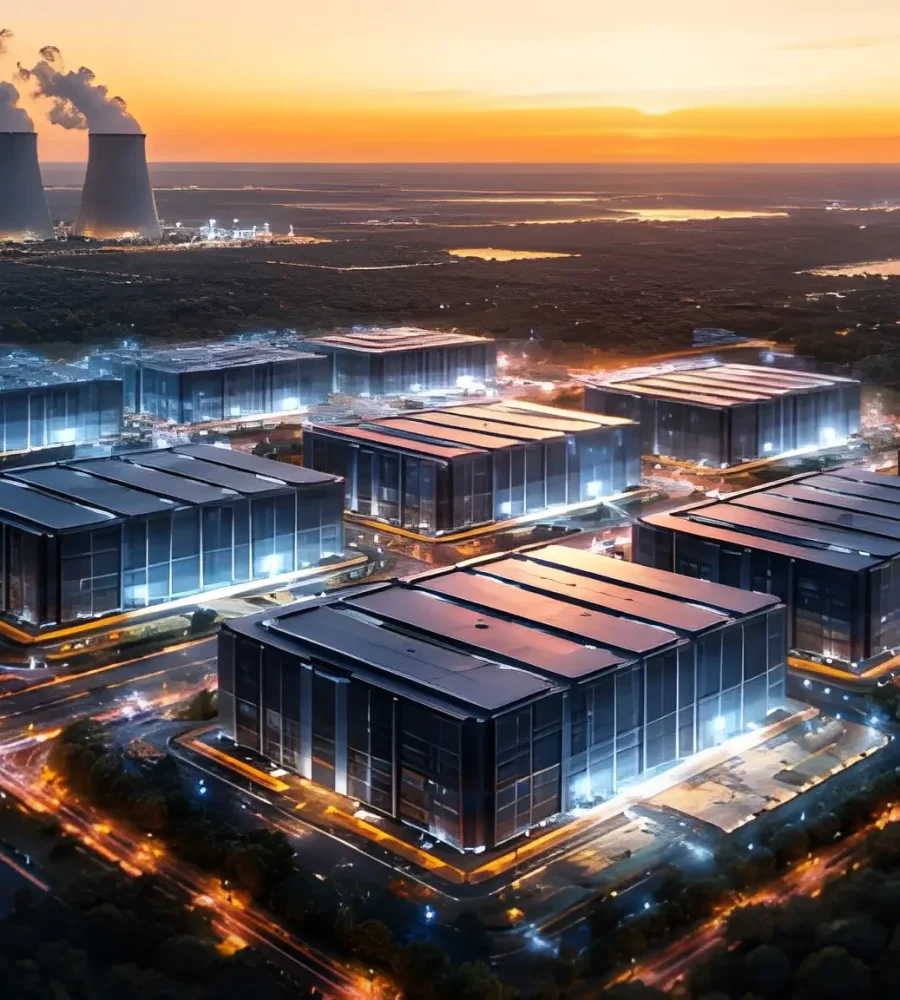
Power has emerged as the dominant limiter of data center deployment and expansion. In many regions, grid capacity lags demand by years. Interconnection timelines extend well beyond typical construction schedules. Utilities face competing pressures from electrification, decarbonization, and industrial growth.
Facilities built under earlier assumptions often possess fixed power envelopes that cannot scale with compute demand. Expanding electrical capacity may require substation upgrades, new transmission infrastructure, or regulatory approvals that exceed acceptable timelines.
Electrical equipment also ages rapidly relative to buildings. Switchgear, transformers, and UPS systems must align with evolving safety standards, efficiency requirements, and maintenance practices. Incremental replacement inside aging facilities compounds complexity and risk.
Designing for replacement allows operators to align power infrastructure refresh cycles with both grid realities and technology demand rather than forcing adaptation within constrained shells.
Cooling Architecture Transformation and Thermal Limits
Cooling strategies illustrate the limitations of longevity-centric design more clearly than any other subsystem.
Air cooling defined data center design for decades. Raised floors, perimeter CRAC units, and hot-aisle containment assumed predictable thermal profiles. These assumptions no longer hold for high-density workloads.
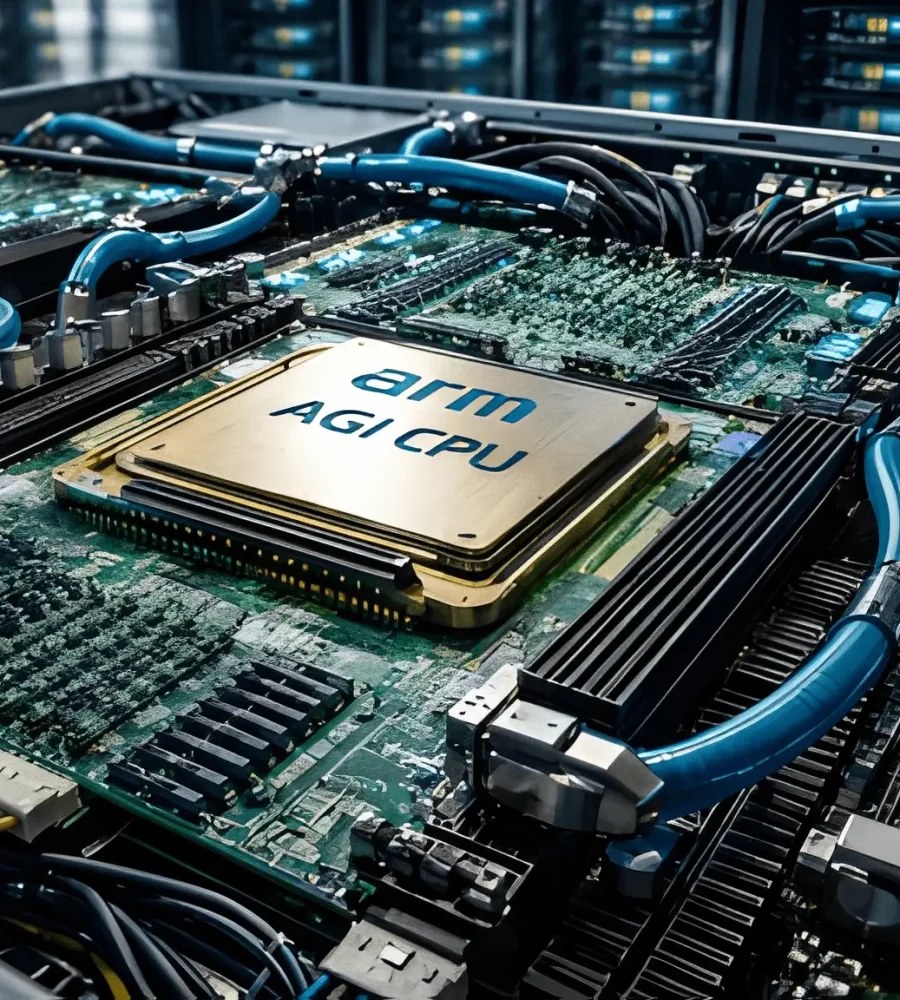
Liquid cooling introduces fundamentally different design requirements. Direct-to-chip systems require fluid distribution networks, leak containment strategies, and new heat rejection models. Immersion cooling imposes structural, material, and operational changes that air-optimized facilities rarely accommodate without major reconstruction.
Retrofitting liquid cooling into older buildings often proves technically possible but economically unjustifiable. Replacement offers a cleaner alignment between cooling architecture and workload reality.
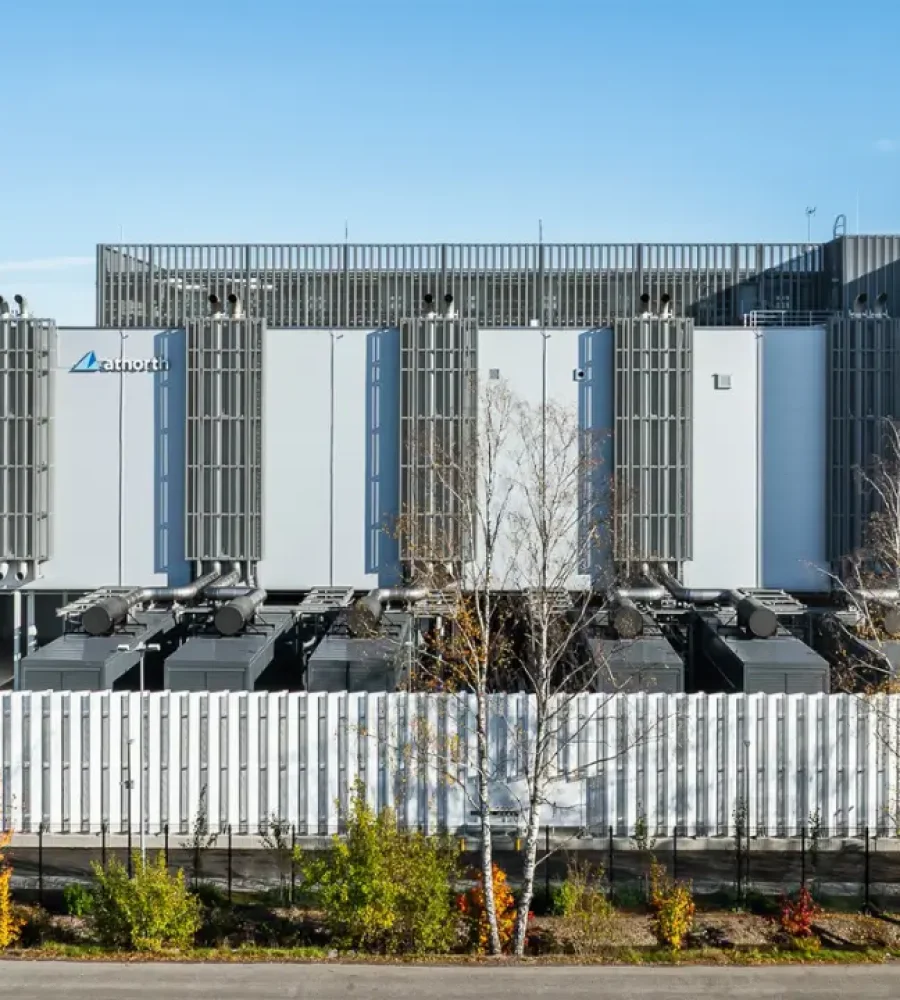
Modern facilities increasingly treat cooling plants as modular systems, designed for staged deployment, replacement, and retirement without disrupting the entire site.
Modularization as an Engineering Strategy
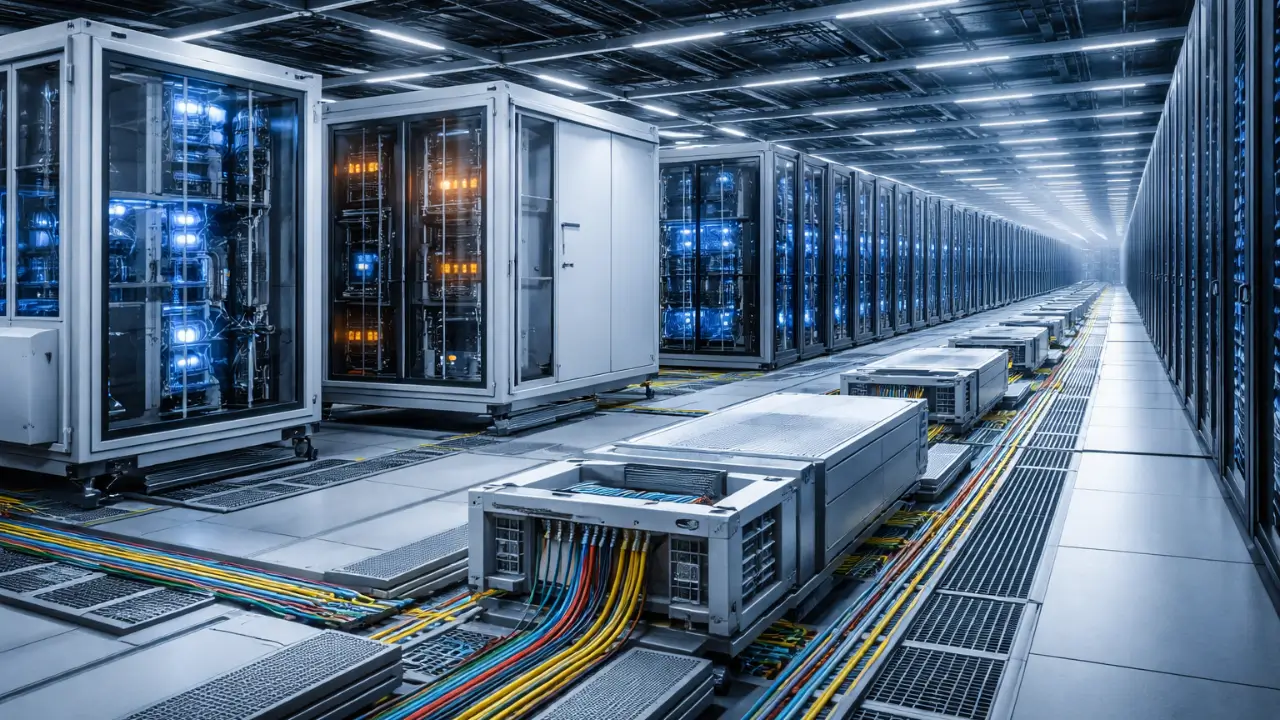
Modular construction now defines modern data center design philosophy. Prefabricated power modules, cooling skids, and data hall blocks reduce construction time, improve quality control, and standardize performance.
More importantly, modularity enables planned replacement.
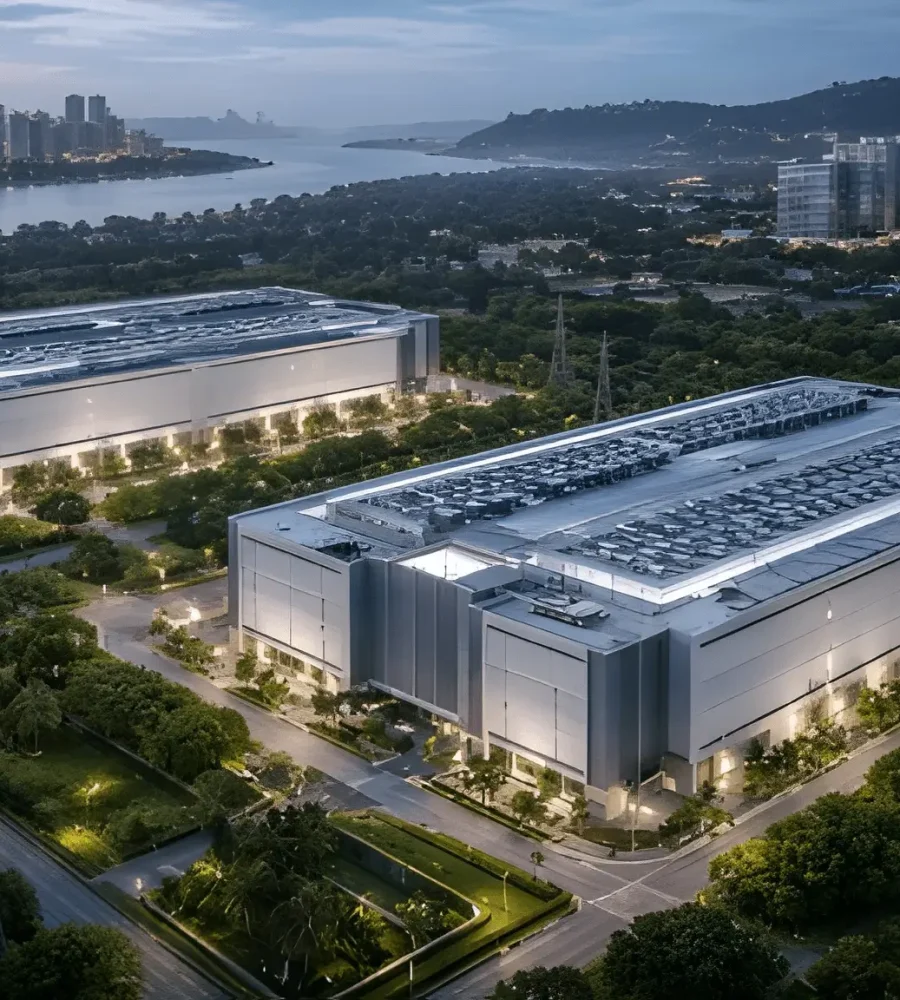
Operators can deploy capacity in phases, retire obsolete modules, and introduce new technologies without dismantling the broader facility. Standardized interfaces allow mechanical, electrical, and thermal systems to evolve independently.
This approach contrasts sharply with bespoke legacy designs, where tightly integrated systems have limited adaptability. Modularity reduces technical debt and extends relevance without demanding physical permanence.
Capital Models and the Economics of Relevance
Financial frameworks have evolved alongside engineering practice. Operators increasingly align depreciation schedules with realistic technical lifespans rather than structural durability.
Infrastructure now derives value from performance alignment rather than theoretical longevity. Assets that remain operational but misaligned with workload demand impose opportunity costs through inefficiency, delayed deployment, or constrained scalability.
Shorter amortization horizons reduce stranded-asset risk. They also encourage disciplined lifecycle planning rather than reactive retrofitting.
In this context, replacement represents financial prudence rather than waste.
Sustainability Beyond Static Longevity
Longevity does not guarantee sustainability. While long-lived structures reduce embodied carbon, inefficient operation over extended periods can offset those benefits.
Modern sustainability frameworks emphasize lifecycle performance. Energy efficiency, water usage, heat reuse, and carbon intensity evolve continuously. Facilities unable to adapt risk falling out of compliance or delivering poor environmental outcomes despite structural endurance.
Replacement-ready design supports circular economy principles. Modular components allow reuse, refurbishment, and recycling. Planned decommissioning enables responsible material recovery.
Sustainability increasingly favors adaptability over permanence.
Regulatory Evolution and Compliance Pressure
Energy efficiency standards, resilience requirements, and environmental regulations change faster than buildings. Facilities designed under older codes often struggle to comply without significant retrofits.
Shorter infrastructure lifecycles reduce regulatory exposure by synchronizing refresh cycles with policy evolution. This approach lowers compliance risk and avoids costly retroactive modifications.
Market expectations reinforce this trend. Customers prioritize speed, scalability, and efficiency over architectural permanence. Facilities designed for replacement align more closely with these demands.
Risk Management Through Planned Infrastructure Turnover
Aging infrastructure introduces operational risk. Maintenance complexity increases. Spare parts become scarce. Efficiency declines. Failure probability rises.
Planned replacement limits exposure to these risks. Operators schedule transitions proactively rather than responding to unplanned obsolescence.
Resilience strategies now emphasize geographic distribution over single-site durability. Multiple modular facilities provide redundancy without requiring extreme longevity from any individual asset.
Software-Defined Abstraction and Physical Decoupling
Advances in virtualization, containerization, and orchestration have reduced dependency on specific physical environments. Workloads migrate more easily across sites. Services decouple from hardware lifecycles.
This abstraction lowers the cost of physical replacement. Infrastructure becomes a replaceable layer within a broader digital system rather than a fixed foundation.
As software flexibility increases, physical permanence loses strategic importance.
Regional Variability and Global Convergence
Replacement-oriented design adoption varies globally. Power-constrained regions accelerate lifecycle compression. Markets with abundant energy may extend facility relevance selectively.
Despite regional variation, the trajectory converges. Flexibility consistently outweighs permanence as infrastructure priorities shift toward adaptability.
Emerging markets often leapfrog legacy paradigms entirely, deploying modular, replacement-ready facilities as default practice.
Redefining Longevity in the Modern Data Center
Longevity no longer describes physical endurance. It describes relevance.
A modern data center succeeds not by standing unchanged but by enabling continuous alignment with technology, power, and sustainability realities. Planned replacement reflects disciplined engineering, not disposability.
The industry now designs for transition as an expected state rather than an exceptional event.
Infrastructure Engineered for Change, Not Permanence
The shift from 25–30-year design lives to modular replacement cycles marks a fundamental transformation in data center engineering. Accelerated compute density, power constraints, cooling transitions, sustainability imperatives, regulatory evolution, and capital discipline collectively drive this change.
Modern data centers no longer function as static monuments. They operate as adaptive platforms engineered for continuous renewal.
In this environment, replacement represents foresight rather than failure. Infrastructure value now lies not in how long it lasts, but in how effectively it evolves.