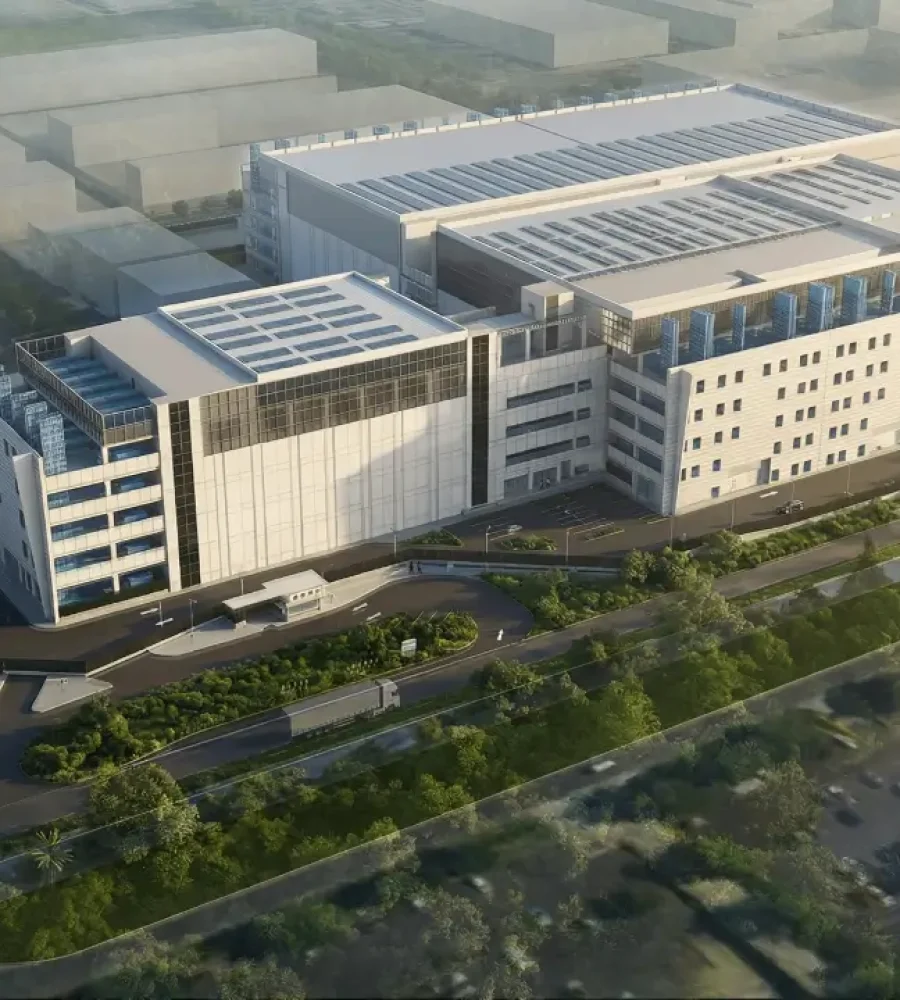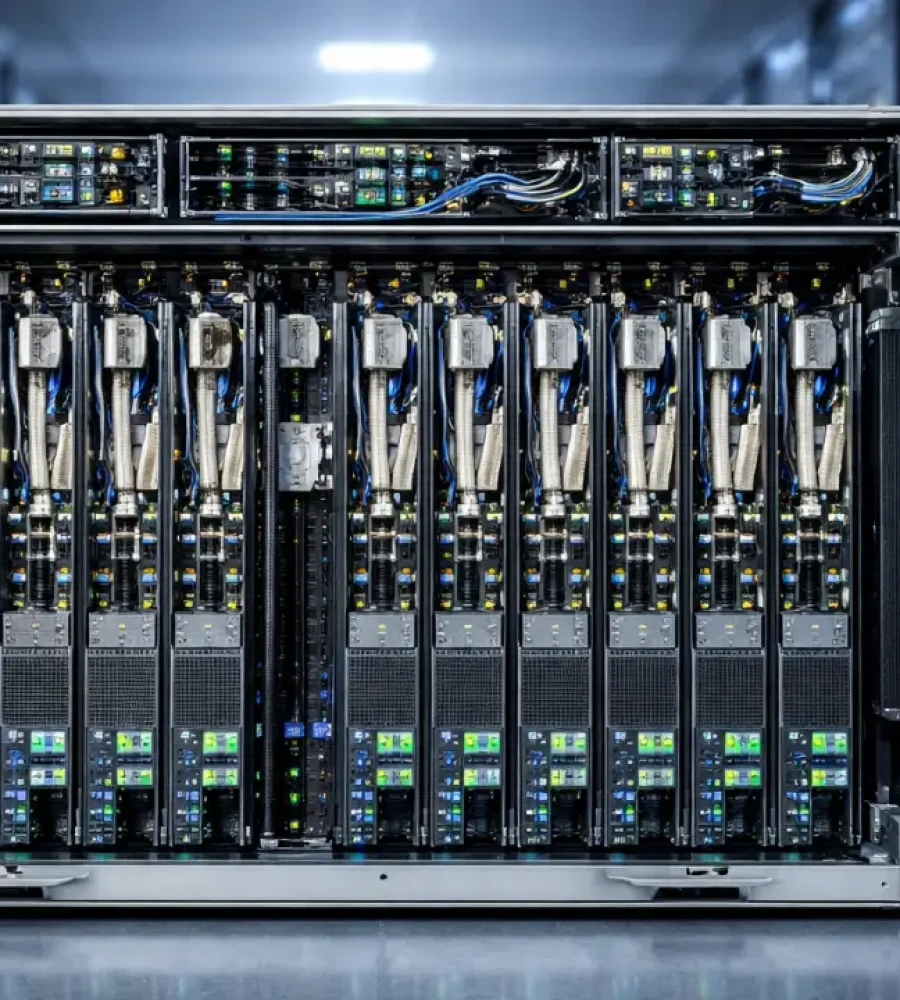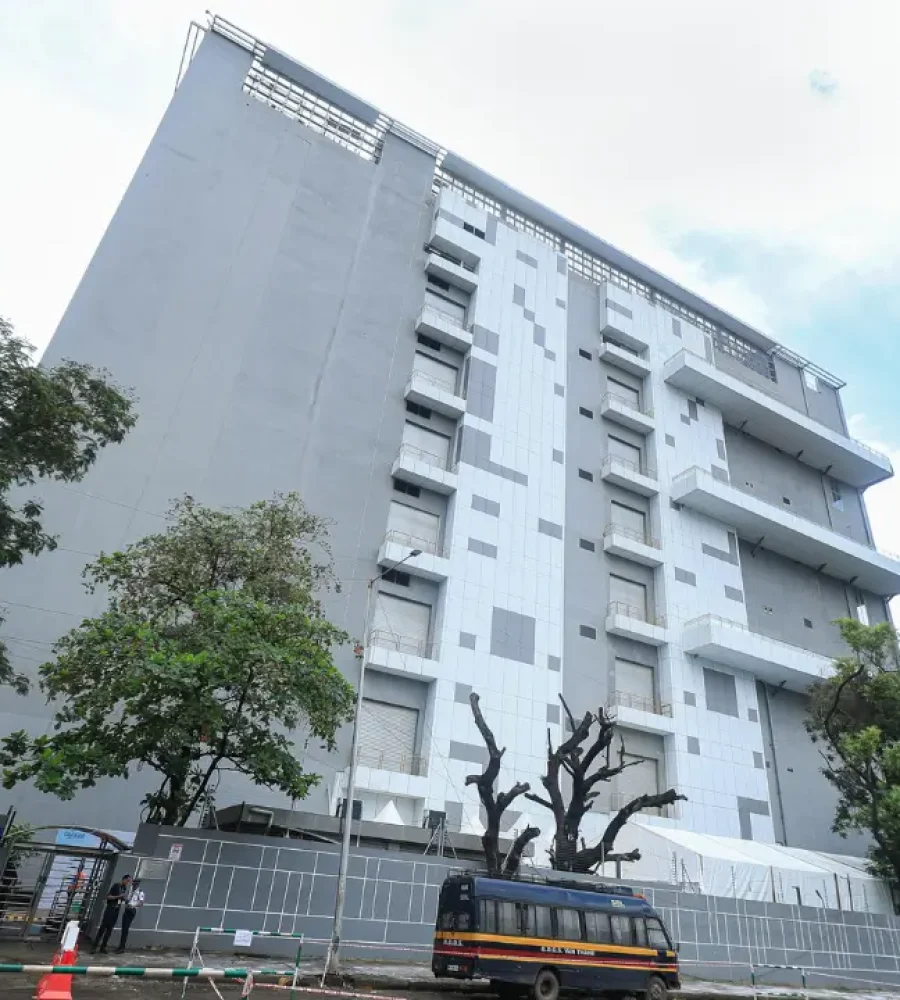
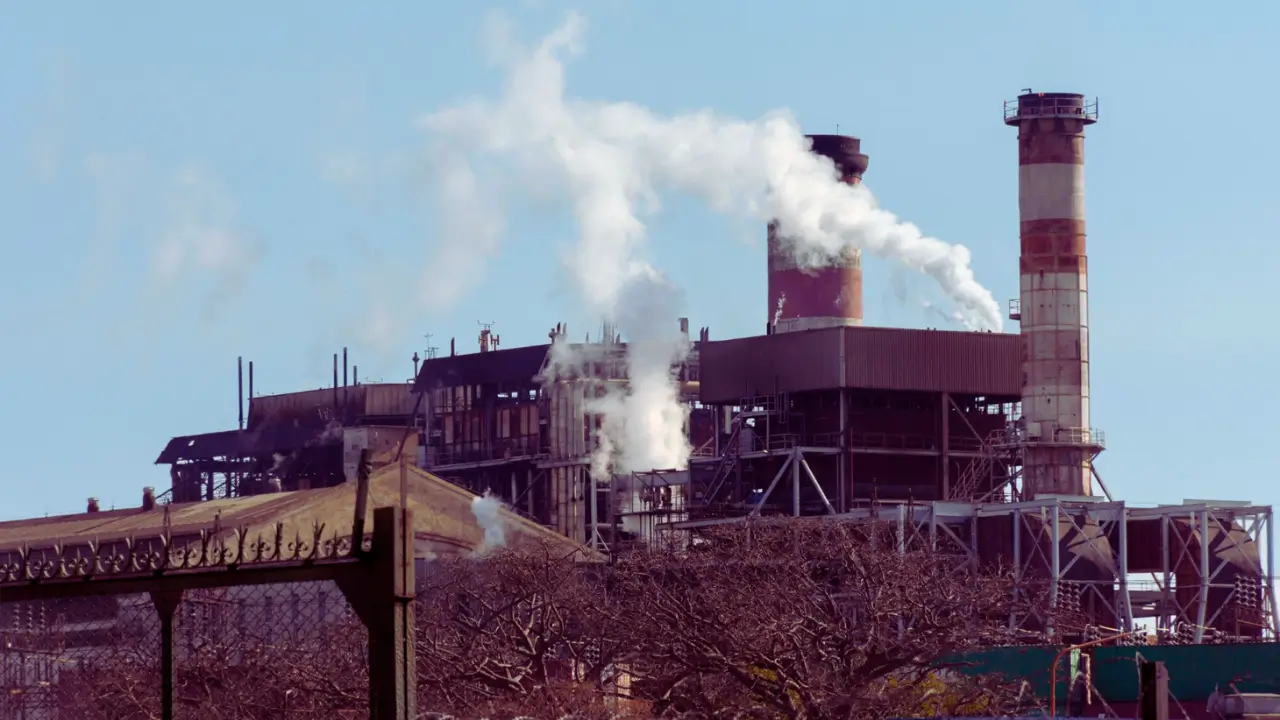
The AI data center boom is driving a sharp rise in electricity demand and pushing utilities to restart aging, inefficient power plants. As artificial intelligence workloads expand, power systems face mounting strain. Utilities now rely on plants that were once retired or lightly used to cover short-term gaps. While these moves protect reliability, they also raise concerns about emissions, grid stress, and delays to clean energy goals.
AI Data Center Boom Drives Unprecedented Power Demand
Across global markets, the rapid expansion of AI-driven data centers is fueling a surge in electricity use. Hyperscale facilities support AI training, cloud platforms, and digital services. Power demand is growing faster than grid upgrades and new generation can be delivered.
To meet immediate needs, utilities increasingly depend on existing assets. In several regions, decade-old power plants have restarted or increased output after years of low use. Many of these units were sidelined due to high costs, poor efficiency, or emissions that no longer met modern standards.
Aging Power Plants Return to Maintain Grid Stability
The return of older power plants reflects how quickly AI-driven demand is materializing. Advanced data centers require constant, high-quality electricity. Grid stability remains a top priority for both operators and utilities.
New generation capacity cannot come online fast enough. As a result, utilities are bringing retired or underused plants back into service. These facilities help avoid shortages, but they also expose weaknesses in long-term energy planning.
Environmental Costs Emerge from Short-Term Solutions
The restart of aging power plants has drawn environmental scrutiny. Many of these facilities burn coal or inefficient natural gas. As a result, they emit higher levels of carbon dioxide and other pollutants.
This trend puts climate commitments under pressure. Governments and corporations have pledged to cut emissions, yet older plants move systems in the opposite direction. While these units provide near-term reliability, they risk slowing progress toward clean energy targets.
Grid Constraints Exposed by AI Data Center Boom
The AI data center boom is also revealing long-standing grid limitations. Transmission bottlenecks persist. Permitting processes move slowly. Renewable energy and storage projects often face long development timelines.
Data center operators are pursuing long-term power purchase agreements, on-site generation, and dedicated transmission links. However, these solutions take years to complete. Until then, reliance on existing thermal generation continues.
Utilities and Regulators Rethink Energy Planning
Utilities are now reassessing capacity plans, retirement schedules, and investment strategies. Regulators are also reviewing reserve margins and reliability standards. Sustained high-load growth from AI no longer looks temporary.
Policymakers face a difficult balance. AI-driven growth supports economic expansion, but decarbonization goals must still be met. Restarting older plants stabilizes the grid in the short term. If prolonged, however, it could delay cleaner investments.
Long-Term Transition Still Expected
Over time, rising AI-related electricity demand is expected to accelerate spending on grid upgrades, renewables, advanced nuclear power, and energy storage. These investments will shape the next phase of power system development.
For now, the return of inefficient power plants serves as a warning. Without faster clean energy deployment, the digital economy risks running on higher emissions. As the AI data center boom continues, aligning grid growth with sustainability goals has become more urgent than ever.