The bullish rhetoric surrounding the AI boom is colliding violently with infrastructural reality. New analysis from Morgan Stanley highlights a startling shortfall that challenges the core assumption of endless compute expansion.
By 2028, the United States is projected to face a power shortage nearing 20% by 2028, directly attributable to the unchecked electricity demands of new Artificial Intelligence data centers. This is not conjecture; it is a calculation rooted in current build-out rates.
The financial firm estimates an energy gap spanning 13 to 44 gigawatts (GW). To contextualize that figure: the maximum shortfall of 44 GW equates to the total energy drawn by approximately 33 million US households. AI adoption is accelerating at a non-linear rate, representing a historic inflection point that is surpassing the limits of the nation’s utility infrastructure. A grid built for incremental growth is simply not ready for the magnitude of demand now emerging.
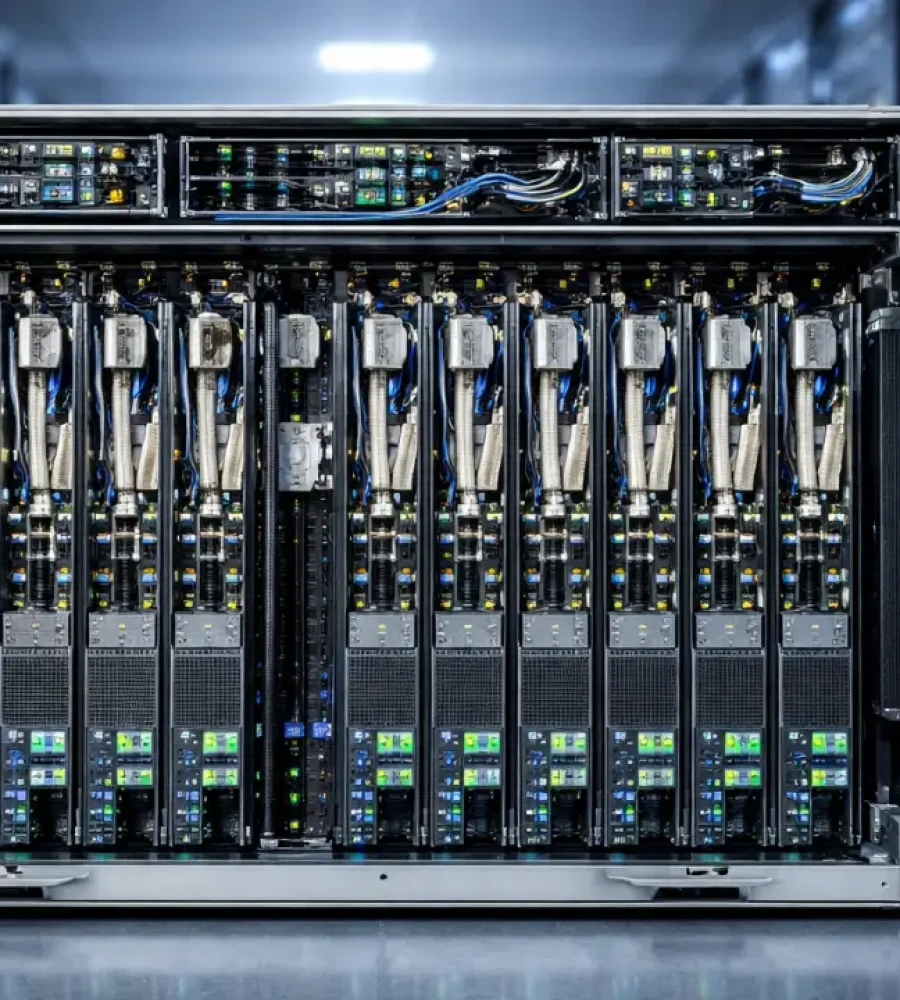
The Big Four: Microsoft, Google, Amazon, and Meta, are planning a near-$400 billion spending spree in 2025 alone to build out their AI infrastructure. The computing chips are plentiful, a testament to rapid innovation. But as Microsoft CEO Satya Nadella has starkly observed, the biggest bottleneck isn’t the compute; it’s the power to run it.
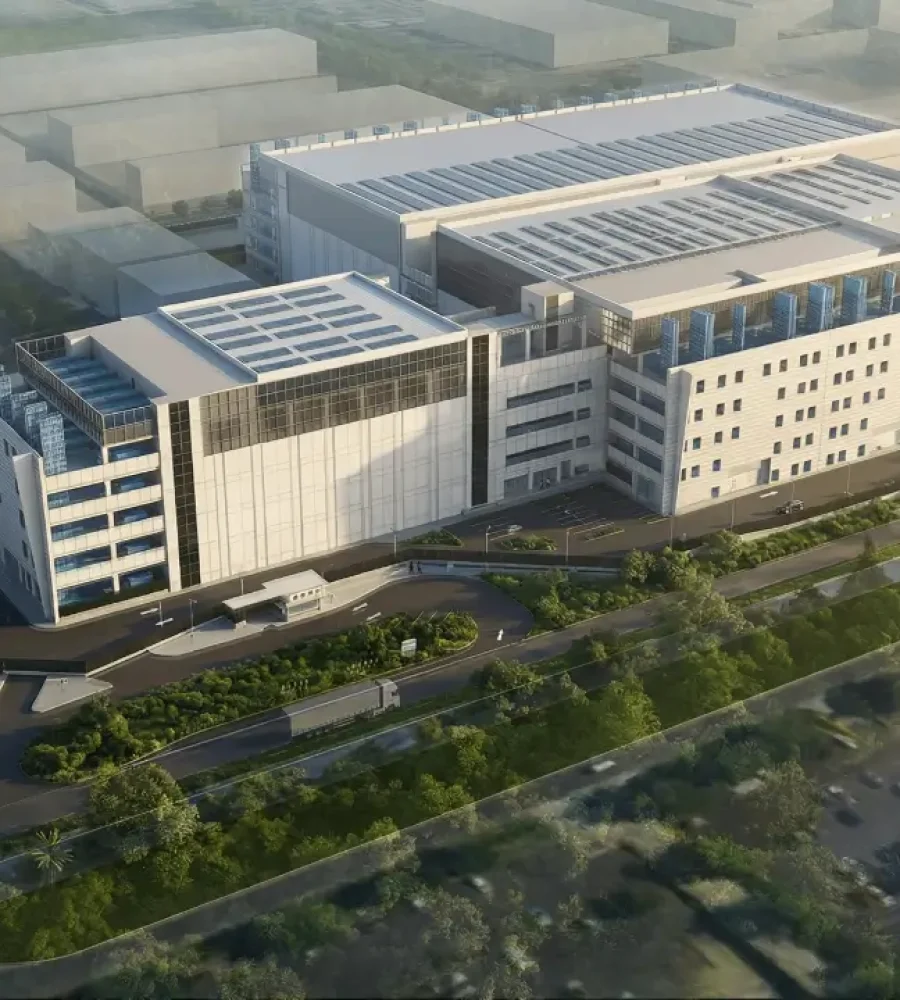
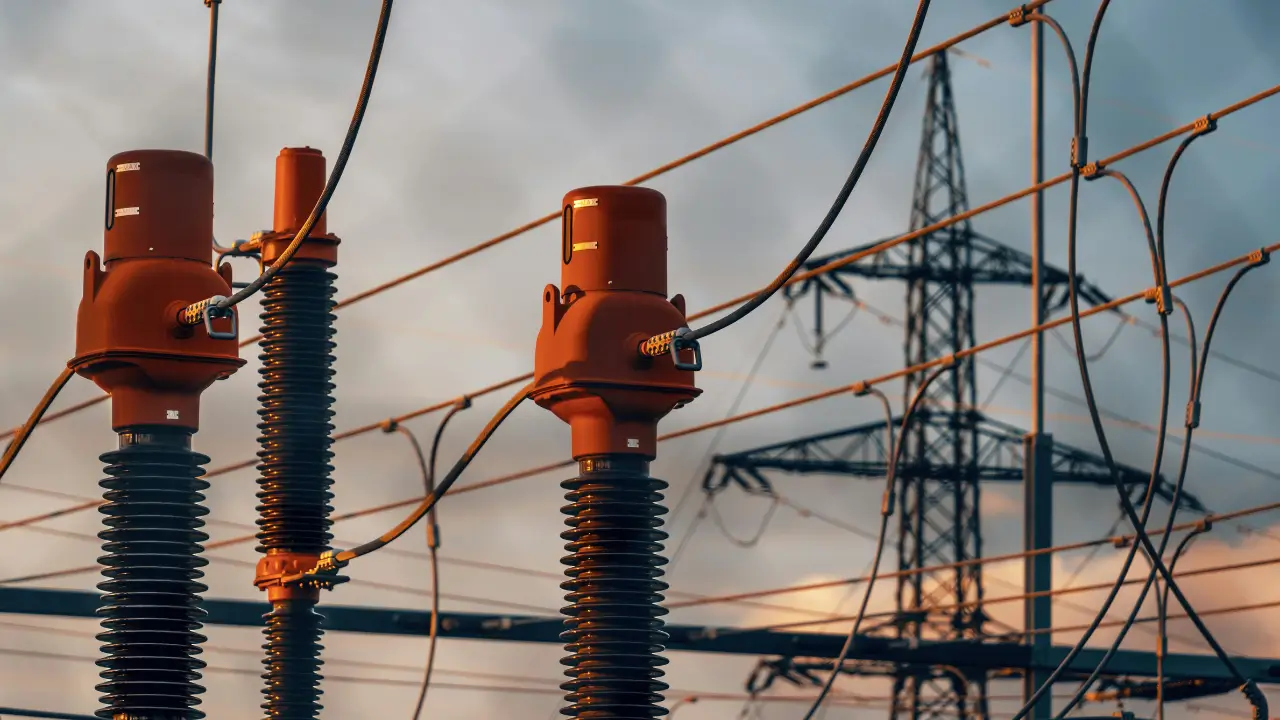
This is where the timeline mismatch becomes a catastrophic risk. A new, power-hungry data center can be erected in two years. A new high-voltage transmission line, the essential artery of the grid, takes up to ten years to complete, mired in permitting battles and regulatory red tape.
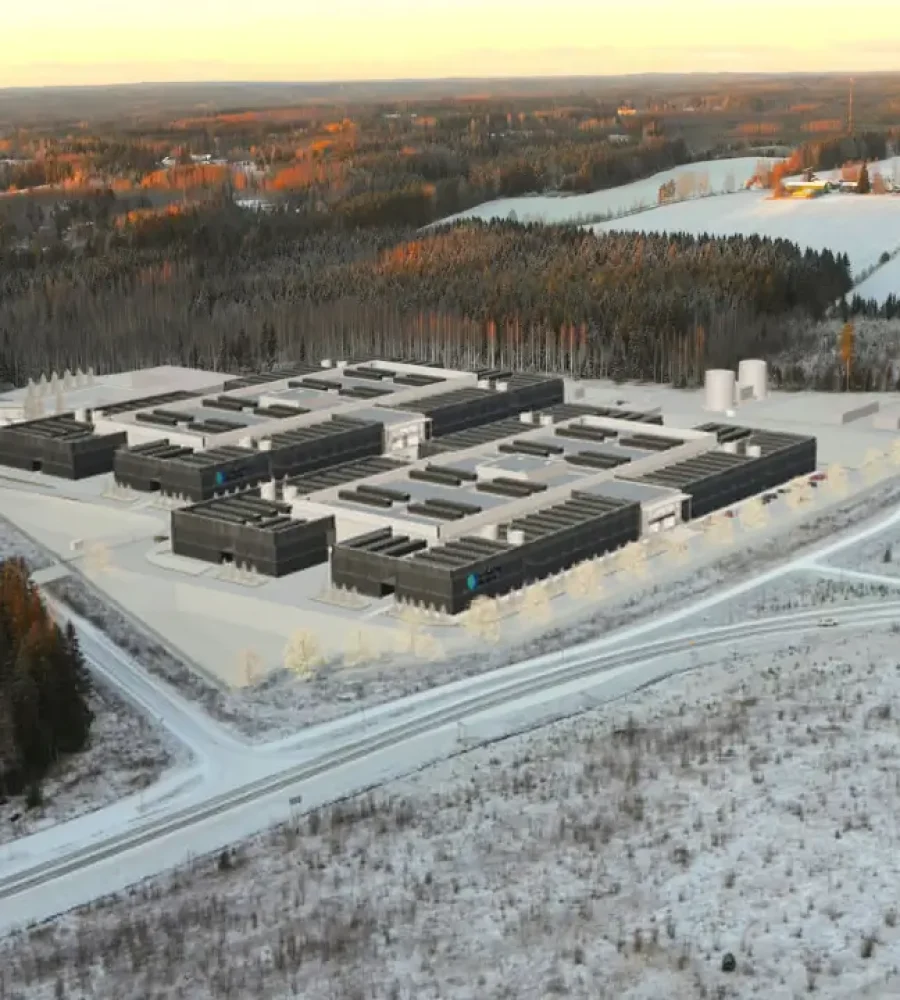
The consequences of this disparity are already visible in places like Virginia, the world’s largest data hub, where Dominion Energy’s data center order book has skyrocketed to 47 GW in a single year, the power output of 47 nuclear reactors. Data centers currently chew through 4% of U.S. electricity, but that figure could swell to a dizzying 12% by 2030. This isn’t sustainable growth; it’s an energy colonization of the grid. This marks a demand trajectory that is outstripping generation, transmission, and permitting timelines, creating a structural tension where data center needs begin to compete directly with residential, commercial, and industrial loads.
Dirty Power
To plug this widening gap, utilities are making difficult, and frankly, dangerous concessions. We are seeing a quiet but forceful backslide on climate commitments. Coal plant closures are being delayed, and the demand for quick-deploy natural gas, which already powers 40% of global data centers, is surging. States like Georgia are seeking approval for 10 GW of new gas turbines.
We are trading future climate security for immediate AI capability.
While long-term solutions like Small Modular Reactors (SMRs) are being explored by Google and Amazon, and Texas races ahead with 100 GW of expected solar and battery projects by the end of the decade, these solutions are simply not deploying fast enough to meet the near-term crisis. The sheer speed of AI development is overwhelming the stately, bureaucratic pace of energy infrastructure development.
If we don’t aggressively accelerate permitting reform and invest trillions in modernizing our grid today, the U.S. will not only lose the AI arms race but will do so having dirtied its energy system in the process.