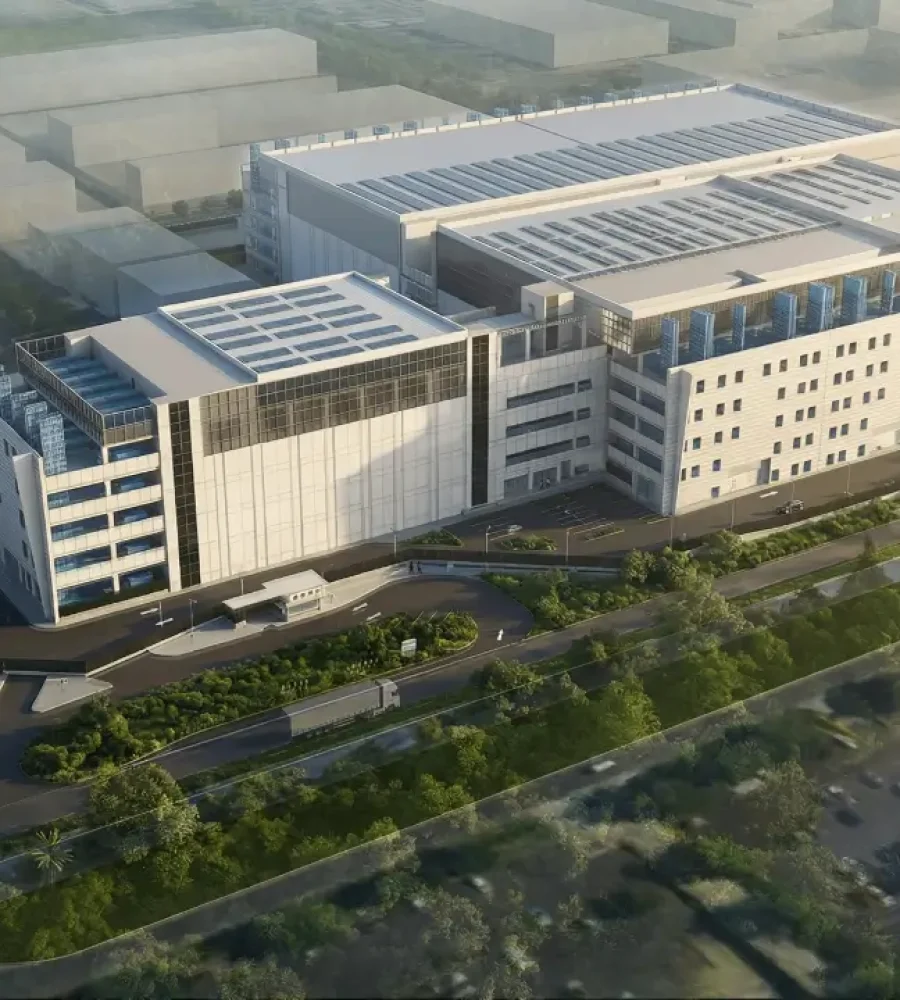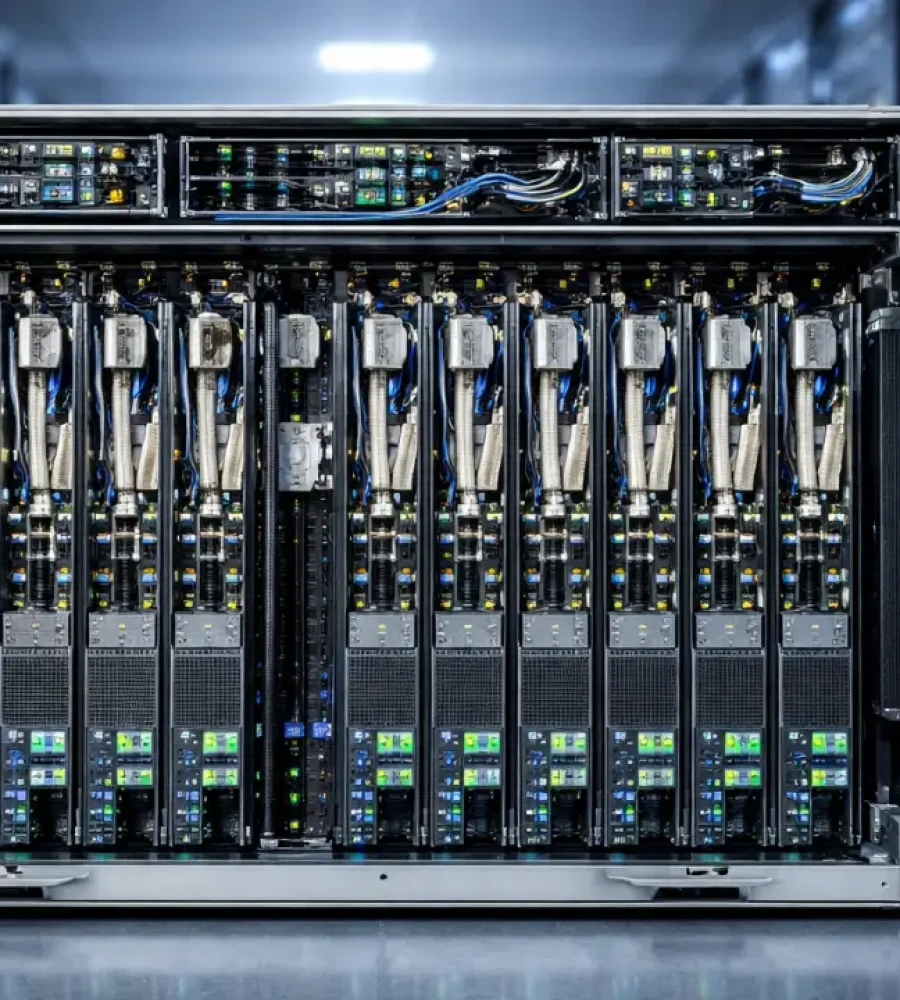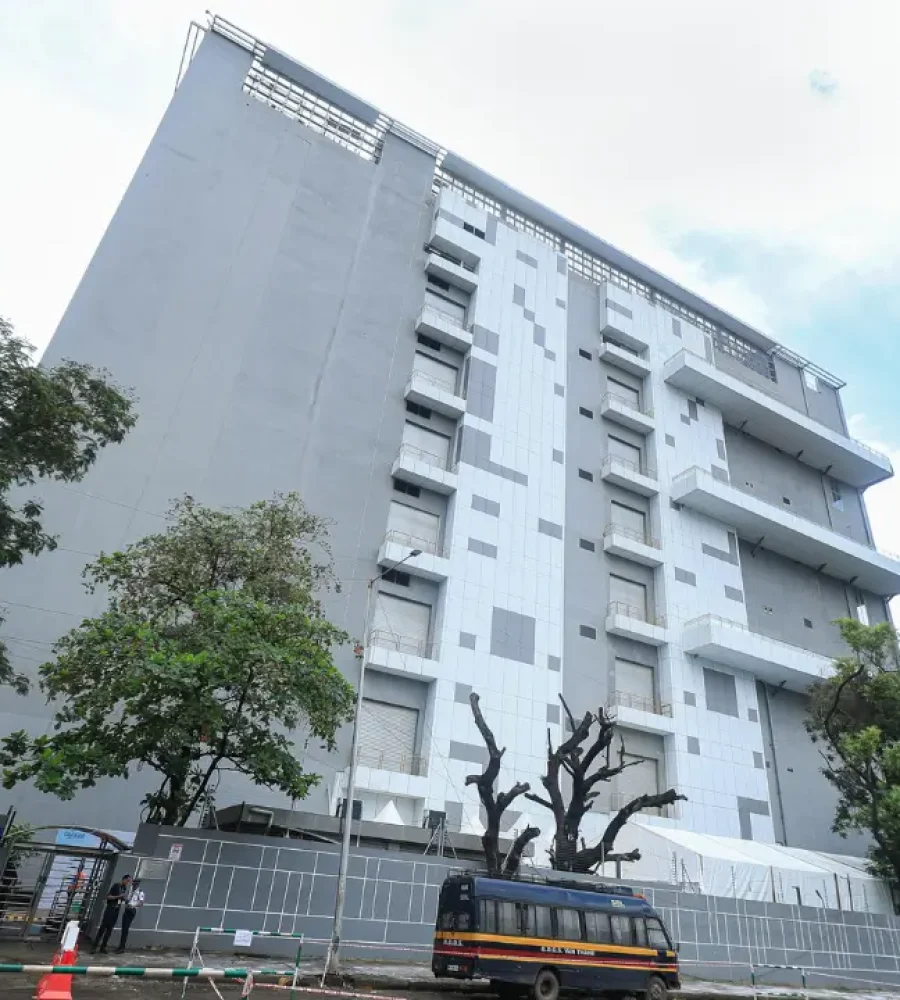
An Alberta data center project backed by European investors ranks among the largest digital infrastructure proposals ever put forward in the province. The plan carries an estimated value of up to €8 billion, or roughly $12.8 billion, spread across several years. Although developers have not finalized customer contracts, executives cite strong demand for high-performance computing that could support multiple tenants.
Data District, a unit of Swiss-based asset manager Alcral AG, leads the initiative in partnership with Technologies New Energy PLC (TNE). The companies have outlined a multi-phase buildout designed to support artificial intelligence-ready computing capacity across Alberta.
Alberta Data Center Project Launches With €780 Million First Phase
The Alberta data center project moved into its first phase in December with the announcement of a €780 million initial investment. Developers selected the town of Olds, about one hour north of Calgary, as the first construction site. Alcral and a UK-based investment firm are financing this stage.
Carlos Caldas, chief executive officer of Data District, said the project’s ambitions extend far beyond a single facility. If developers complete the full plan, total data center capacity across Alberta would reach as much as one gigawatt. That scale would place the effort among the province’s largest private-sector developments.
Caldas added that Asian sovereign investors have already shown interest, even though the company has not signed formal customer agreements.
Energy Access Positions Alberta Ahead of Rival Locations
Before committing to Alberta, the development team evaluated other North American locations, including Texas. After that review, the group selected Alberta as its primary destination.
“We were considering Texas for our North American roadmap,” Caldas said in written comments. “Alberta stood out because of its business environment and its openness to data center development.”
Access to low-cost natural gas played a central role in that decision. Alberta, long known as Canada’s energy hub, has actively marketed itself as a base for power-intensive computing tied to artificial intelligence workloads.
Natural Gas to Supply Majority of Power Needs
Julio Perez, chief executive officer of TNE, said the Alberta data center project will generate about 80 percent of its electricity on-site using natural gas. The remaining 20 percent will come from Alberta’s power grid.
This hybrid energy model aims to provide cost stability and operational reliability. However, Perez noted that drawing power from the grid could expose the project to a planned provincial hardware tax.
“Alberta has a clear advantage,” Perez said. “The gas is local, and the province now encourages its use for data centers.”
Policy Shifts Create Supportive Backdrop
The project announcement followed recent policy changes at both provincial and federal levels. About a month earlier, Alberta Premier Danielle Smith signed a memorandum of understanding with Prime Minister Mark Carney to advance major energy-related projects.
Under the agreement, Ottawa agreed to ease clean electricity rules and emissions limits that Alberta viewed as restrictive. In return, the province committed to raising its industrial carbon price and strengthening its carbon trading system. The federal government also pledged support for new oil pipelines, carbon capture projects, and data centers.
Customer Demand Seen as Strong Despite No Signed Tenants
Although the developers have not named anchor tenants, project executives said financing did not depend on signed occupancy agreements.
“There was no prerequisite to secure signed contracts,” Perez said. “The funding was already in place.”
He added that global demand for computing capacity, particularly for AI workloads, remains strong enough to attract multiple customers once the facilities open.
If developers complete the project at full scale, the Alberta data center initiative could reshape how energy-rich regions draw digital infrastructure investment by pairing local natural gas supplies with rising global demand for artificial intelligence computing.