ArcelorMittal has completed a $1.1 billion investment program in Brazil’s renewable energy sector, marking a decisive shift toward energy self-sufficiency as industrial players race to stabilize power costs and decarbonize operations.
The milestone comes with the commissioning of a new solar power plant at the Babilônia Centro complex in Bahia, a move that materially advances the company’s ambition to control a larger share of its electricity supply. The strategy reflects a broader recalibration across heavy industry, where energy volatility and sustainability targets now directly shape competitive positioning.
New Bahia Solar Plant Anchors Hybrid Energy Complex
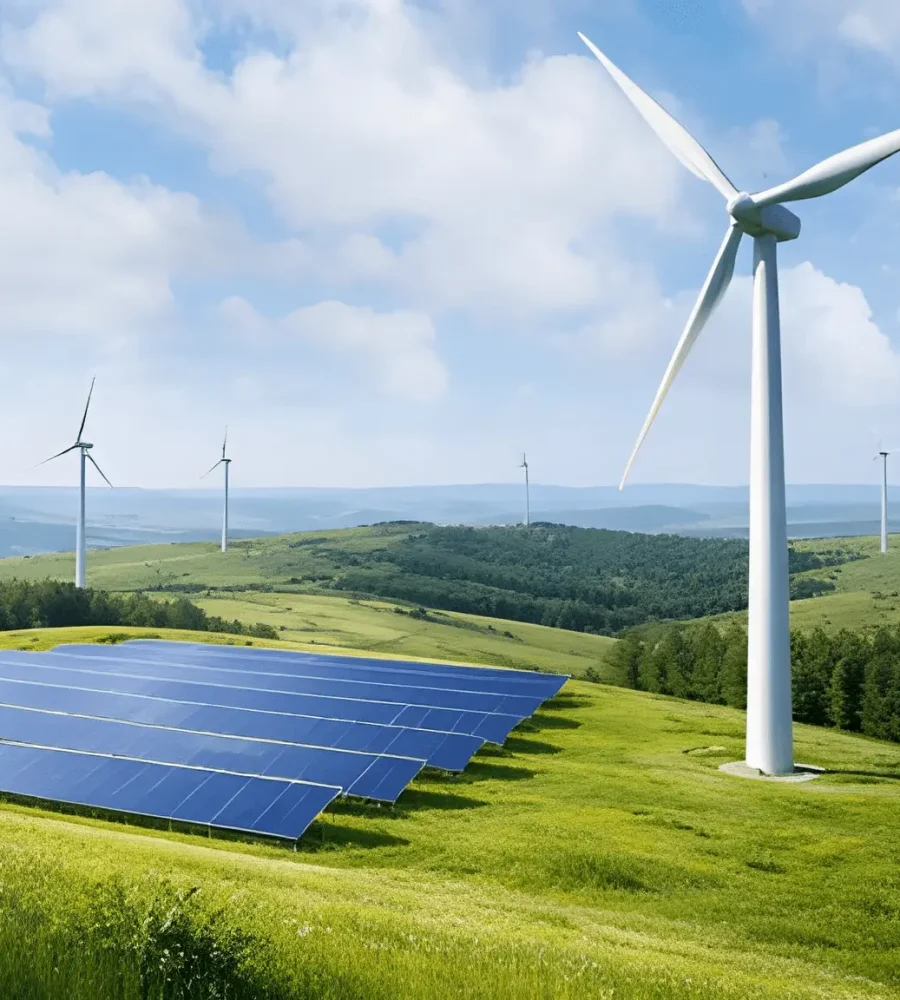
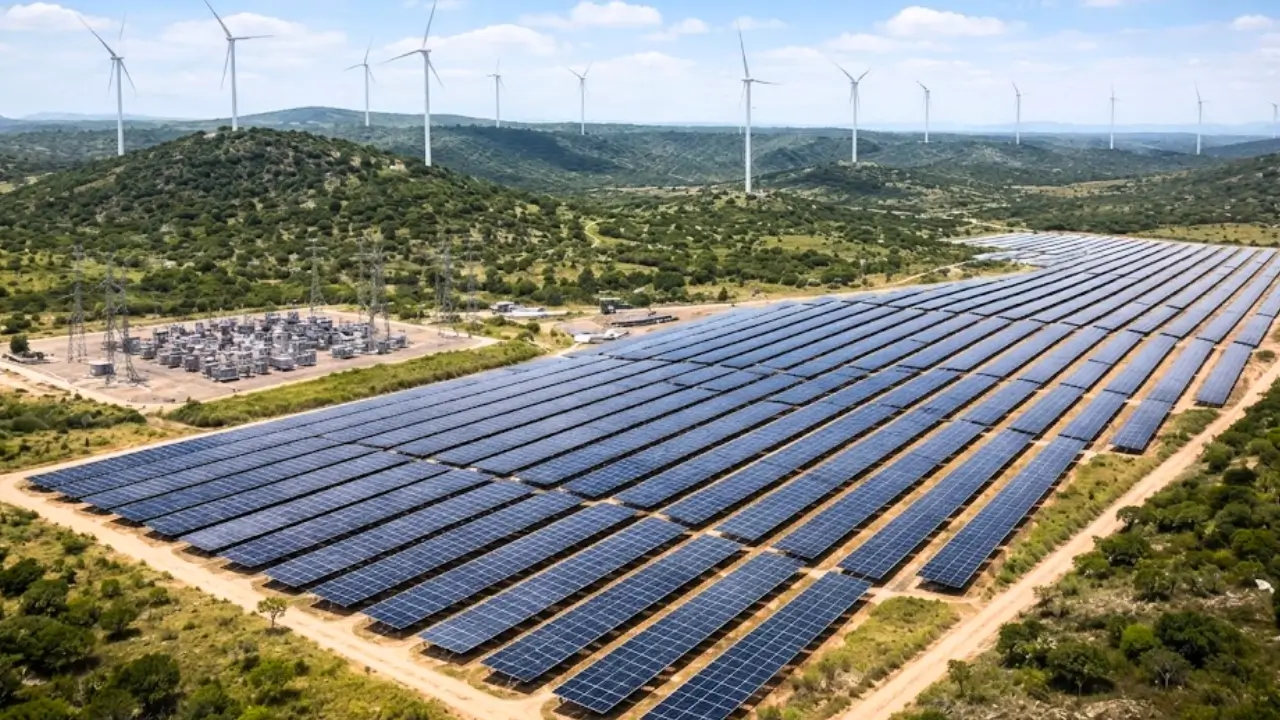
ArcelorMittal Brasil has brought a 200-MW solar facility online at the Babilônia Centro complex in Varzea Nova, Bahia. The plant began operations in March and features approximately 365,000 solar panels, backed by an investment of about $140 million.
The project builds on an existing wind power installation at the same site, transforming Babilônia Centro into a hybrid energy hub. The wind component entered commercial operation in September 2025, and the addition of solar capacity has pushed the complex’s total installed capacity to 753.5 MW.
This hybrid configuration allows the company to smooth generation variability, aligning output more closely with industrial demand cycles. Moreover, colocating solar with wind infrastructure reduces incremental capital intensity by leveraging existing substations and transmission assets.
The company expects the new solar capacity to accelerate its transition toward energy independence. ArcelorMittal aims to increase the share of self-generated electricity from 61% today to 85% by 2030. This shift signals a structural change in how large industrial operators approach energy procurement. Instead of relying heavily on external grids, companies are increasingly building captive renewable portfolios to lock in predictable costs and reduce exposure to market fluctuations.
About 90% of the electricity generated at Babilônia Centro will supply ArcelorMittal’s industrial operations, while the remaining output will be sold into Brazil’s national power market. As a result, the project not only strengthens internal energy security but also creates a secondary revenue stream.
Capital Efficiency Through Infrastructure Integration
Locating the solar installation within the Babilônia Centro complex has enabled significant cost optimization. By reusing wind farm infrastructure, including substations and transmission lines, the company has reduced both deployment timelines and capital expenditure requirements.
In addition, the hybrid model improves load balancing across different generation profiles. Wind and solar assets typically peak at different times, which enhances overall reliability and supports more consistent energy delivery to industrial facilities.
The complex itself represents a joint venture between ArcelorMittal and Casa dos Ventos, with total investments reaching approximately $950 million. The solar phase marks the final layer in building a fully integrated renewable platform at the site.
The Bahia project forms part of a wider renewable investment package that includes the ArcelorMittal Energia Paracatu solar park in Minas Gerais, which received approximately $175 million in funding. Collectively, the company’s recent renewable initiatives have added around 1 GW of installed capacity in Brazil. This scale positions ArcelorMittal among the most significant industrial energy consumers transitioning toward self-generation in the country.
The company has emphasized that these investments align with its long-term energy transition strategy, aiming to improve both cost predictability and operational resilience. Brazil remains a critical market in this effort, given its renewable resource base and industrial footprint.
Financial Performance Reflects Strategic Rebalancing
The renewable push comes alongside mixed financial results for 2025. ArcelorMittal reported a 135.4% increase in net profit year-on-year, reaching $3.15 billion. However, EBITDA declined by 7.3% to $6.54 billion, signaling margin pressures despite stronger bottom-line performance.
Operating income rose 9.6% to $3.63 billion, while revenue edged down 1.7% to $61.35 billion. These figures highlight a broader industry dynamic where profitability gains increasingly depend on operational efficiency and energy cost control.
ArcelorMittal’s Brazil investments underscore a deeper shift across global manufacturing. Energy infrastructure now sits at the core of industrial strategy, not as a supporting function but as a primary driver of competitiveness.
Furthermore, the integration of renewable assets into industrial ecosystems reflects a convergence between energy and production systems. Companies that secure stable, low-cost, and sustainable power gain a structural advantage in both pricing and compliance. Meanwhile, Brazil’s role as a renewable energy hub continues to expand, attracting large-scale industrial capital into hybrid generation models. For ArcelorMittal, the Babilônia Centro complex represents more than a power asset, it signals a blueprint for future industrial energy architecture.