
The validation of a new high-performance infrastructure solution by Cornelis Networks and Supermicro is a critical development that we believe directly addresses the dominant constraints facing next-generation AI and High-Performance Computing (HPC): power, cooling, and network congestion. This partnership provides a decisive, practical path for enterprise data centers to scale complex workloads without sacrificing performance or efficiency.
The core challenge articulated by industry leaders: the rapid rise of compute performance is now bottlenecked by the physical limitations of the data center. As AI model training and advanced scientific simulations rely on ever-larger clusters operating in parallel, the network, not the processors, increasingly dictates the speed and scalability of the entire system. Lisa Spelman, CEO of Cornelis Networks, correctly identified that “power, cooling, and network scalability [are] emerging as the new gating factors.”
This validated solution combines two specialized technologies to tackle these constraints simultaneously:
Eliminating Network Congestion (Cornelis CN5000): The CN5000 400Gbps networking platform addresses the data movement bottleneck. We see its ability to provide predictable, congestion-free data movement between servers as a vital, yet often overlooked, component in maximizing performance in large AI and HPC clusters. The portfolio’s flexibility, supporting both air-cooled and liquid-cooled switches and SuperNICs, ensures broad deployment utility.
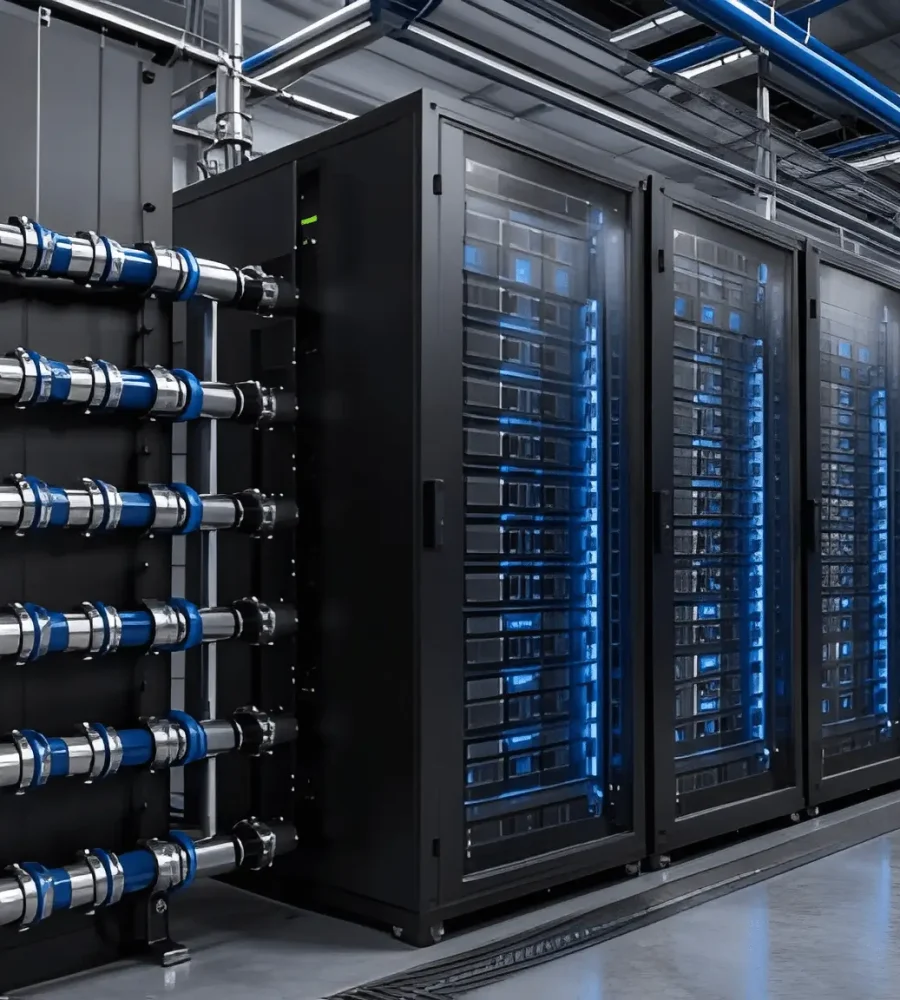
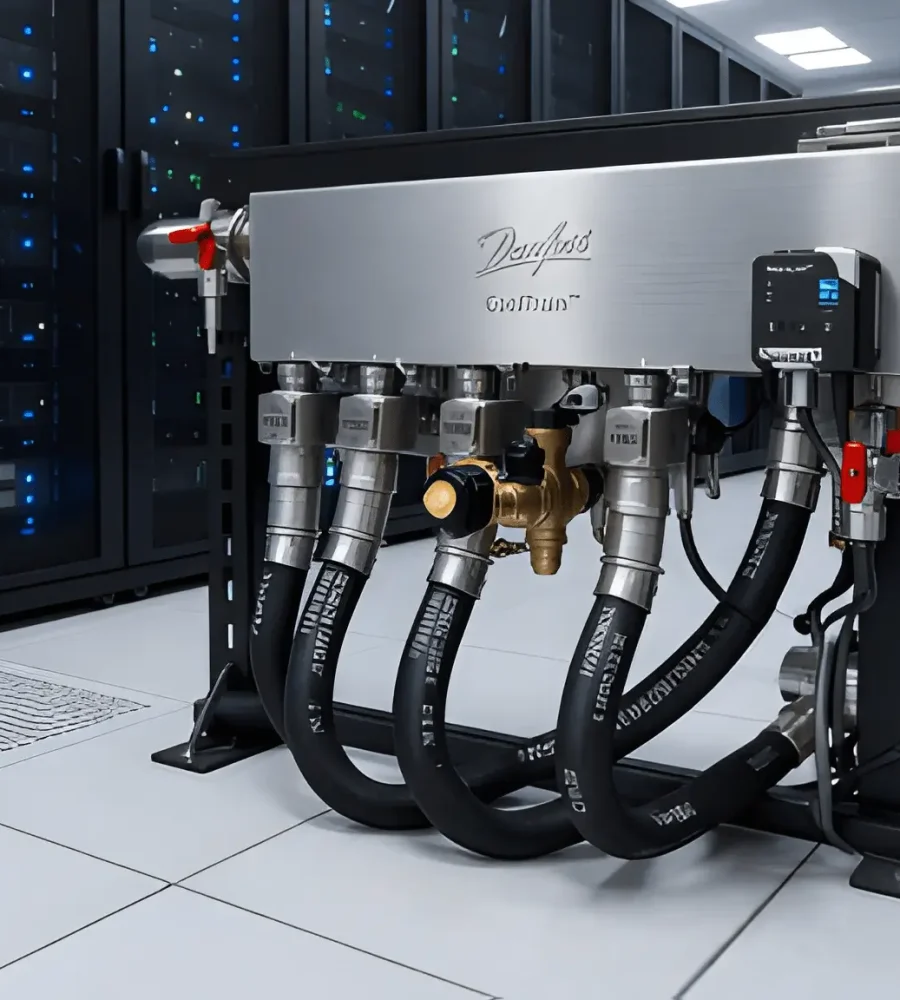
Overcoming Thermal Limits (Supermicro FlexTwin™): Supermicro’s liquid-cooled FlexTwin server platform attacks the thermal problem. Its dense, liquid-cooled design is capable of capturing up to 95% of system heat. As Supermicro President & Managing Director EMEA, Vik Malyala, notes, integrating Cornelis CN5000 networking into these platforms gives customers the necessary tools to accelerate demanding workloads without compromise.
We believe that by combining the CN5000’s high-speed, congestion-free networking with the FlexTwin’s power-efficient, dense cooling, organizations now have a proven methodology to run larger, faster simulations, increase application throughput without inflating power draw, and significantly reduce total cost of ownership (TCO) through higher efficiency per rack.
Joint testing of the Supermicro FlexTwin + Cornelis CN5000 solution provides compelling evidence that this partnership delivers real-world competitive advantages:
- Performance: The solution delivered up to 1.5× higher application performance compared to rival 400 Gbps network fabrics.
- Efficiency: It showed up to 2.3× higher performance per watt in liquid-cooled configurations, directly enabling stable performance within fixed power budgets.
- Value: Customers achieved an average 29% improvement in performance per networking dollar.
These verifiable gains allow data center operators to solve bigger problems faster and deploy fewer overall nodes for the same workload, demonstrating improved scaling efficiency where typical performance drop-offs are avoided. Our conclusion is that the immediate availability of the Supermicro FlexTwin platform with Cornelis CN5000 networking offers the market a powerful, essential tool for the next generation of AI and scientific research.