Dassault Systèmes and NVIDIA have formed a long-term strategic partnership to develop an industrial AI platform for Virtual Twins aimed at mission-critical use cases. The collaboration targets applications across manufacturing, engineering, and life sciences. Together, the companies plan to combine virtual modeling with accelerated AI infrastructure.
As part of the agreement, Dassault Systèmes is integrating its Virtual Twin technologies with NVIDIA’s AI infrastructure and software libraries. In turn, the partnership will support the creation of science-validated industry world models. These models are designed to help organizations simulate and operate complex systems with greater accuracy.
A Science-Based Foundation for Industrial AI
At the core of the partnership is a focus on AI grounded in real-world physics and industrial knowledge. According to Dassault Systèmes, this approach improves how AI systems interpret complex environments. As a result, decisions can be made with greater confidence.
Pascal Daloz, CEO of Dassault Systèmes, said the collaboration enables trusted AI at scale. He noted that Virtual Twins, paired with accelerated computing, help industries solve complex problems faster. These benefits extend across biology, materials science, and manufacturing.
Meanwhile, NVIDIA founder and CEO Jensen Huang described physical AI as the next phase of artificial intelligence. He said systems grounded in physical laws allow industries to design and operate assets more reliably.
AI Factories and Cloud Infrastructure Take Shape
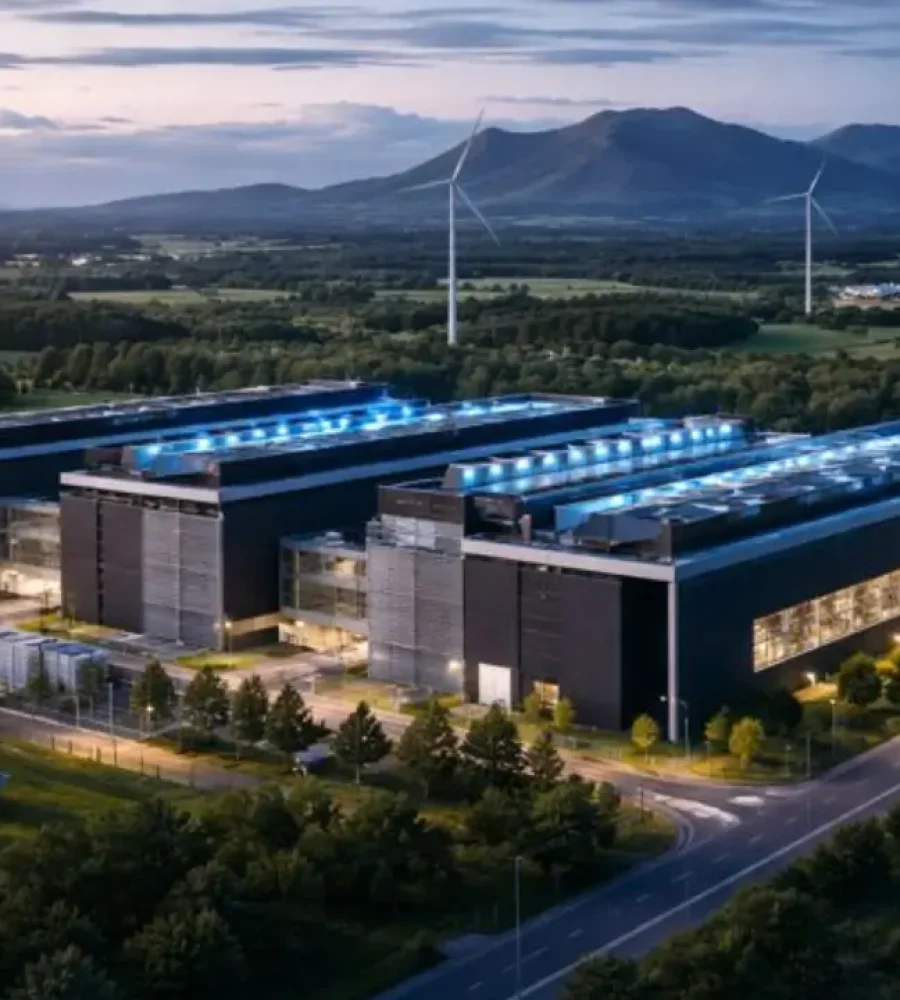
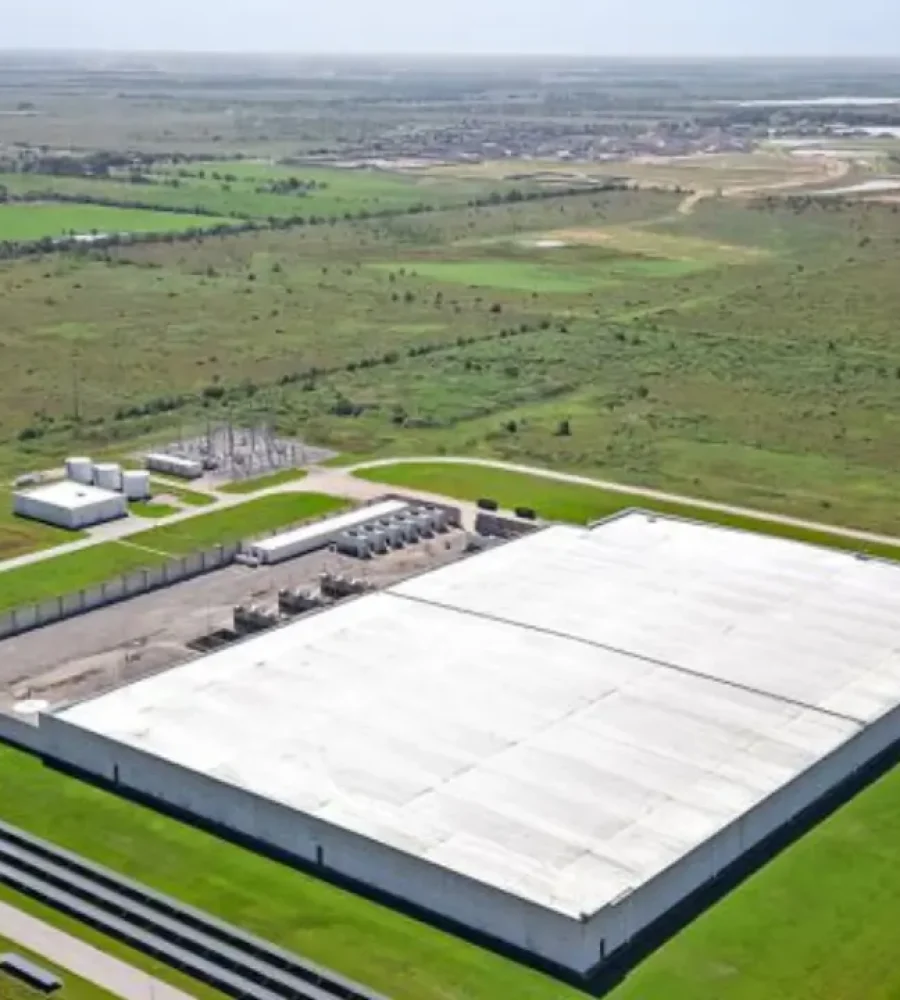
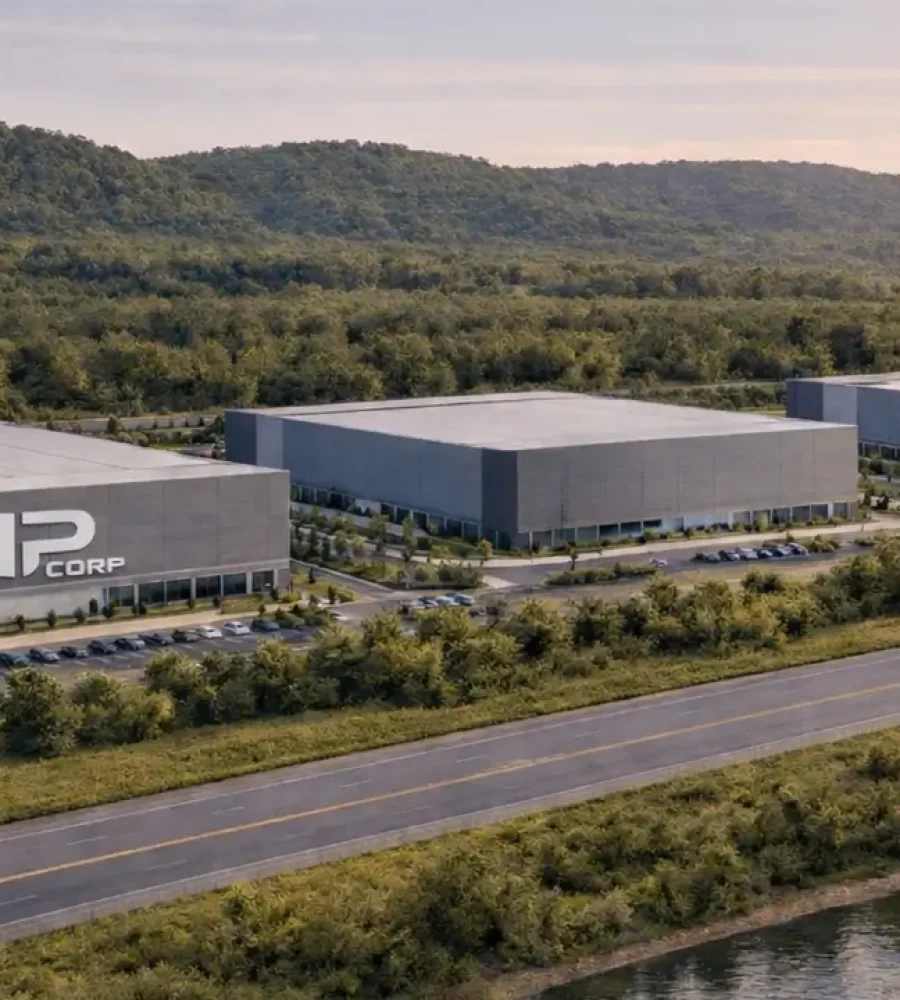
As part of the initiative, Dassault Systèmes is deploying AI factories through its OUTSCALE brand. This effort supports the company’s sovereign and sustainable cloud strategy. Notably, the AI factories are being rolled out across three continents.
At the same time, the infrastructure enables AI models to run directly within the 3DEXPERIENCE platform. Customer requirements around data privacy and intellectual property protection remain in place.
Meanwhile, NVIDIA has adopted Dassault Systèmes’ model-based systems engineering approach. Initially, the framework is being applied to the NVIDIA Rubin platform. It is also being integrated into the NVIDIA Omniverse DSX Blueprint.
Virtual Twins Expand Across Key Industries
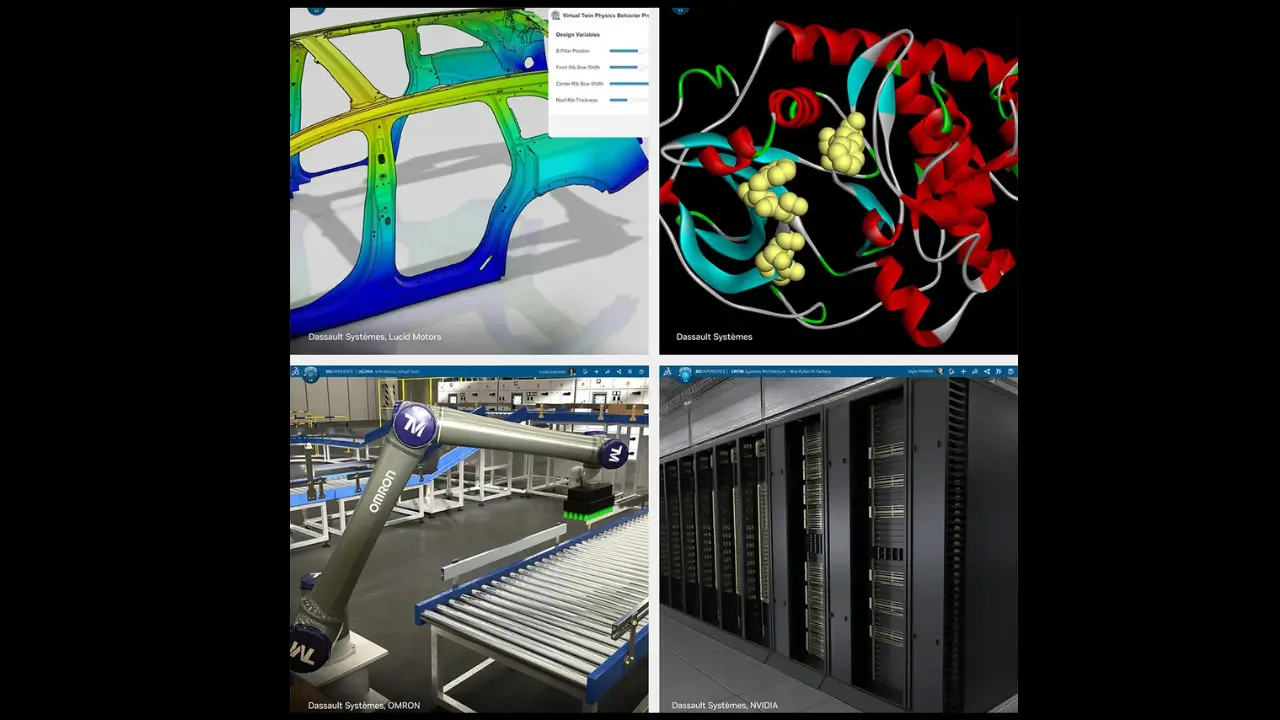
Together, the companies are extending Virtual Twin capabilities across multiple sectors. For example, in biology and materials research, NVIDIA’s BioNeMo platform is working with Dassault Systèmes’ BIOVIA models. This pairing accelerates molecular discovery and materials development.
In addition, SIMULIA’s AI-driven physics modeling now leverages NVIDIA CUDA-X libraries. As a result, engineers can generate faster and more accurate performance predictions.
In manufacturing, NVIDIA Omniverse physical AI libraries are integrated into DELMIA production systems. Consequently, manufacturers can support autonomous and software-defined factory operations at scale.
Agentic Platforms Enable Virtual Companions
Another focus of the partnership is the development of Virtual Companions. These systems operate on the 3DEXPERIENCE agentic platform. By combining NVIDIA Nemotron open models with industry world models, the platform delivers actionable insights.
As a result, users gain access to trusted intelligence across complex industrial workflows. Efficiency and operational clarity are also improved.
Early Industry Adoption Emerges
Several global organizations are already exploring the platform. For instance, Bel Group is using the technologies to model food products while advancing sustainability goals. Similarly, OMRON is applying the framework to accelerate autonomous manufacturing.
In the automotive sector, Lucid is using Virtual Twin AI-based physics to shorten development cycles. At the same time, the National Institute for Aviation Research is applying Virtual Companions to streamline aircraft certification workflows.
A Long-Term Industrial AI Strategy
Overall, the partnership strengthens an existing collaboration into a long-term strategy. By aligning Virtual Twin factories with NVIDIA’s AI platforms, the companies are positioning the industrial AI platform for Virtual Twins as a foundation for future innovation across industries.