With Deutsche Telekom reportedly teaming up with Schwarz Digits on an AI gigafactory, Europe’s AI agenda enters its most demanding phase yet: construction, capital deployment, and operational execution. The discussions are part of a broader push by German industry to secure EU backing for domestic AI compute capacity.
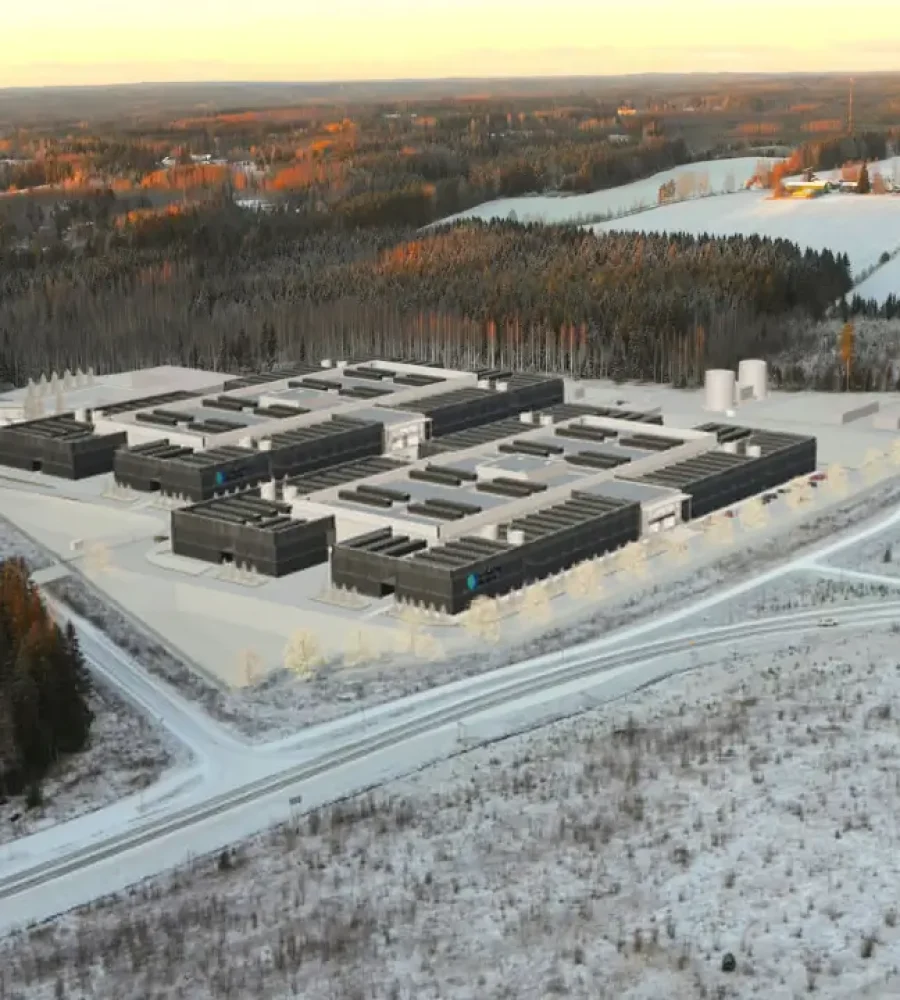
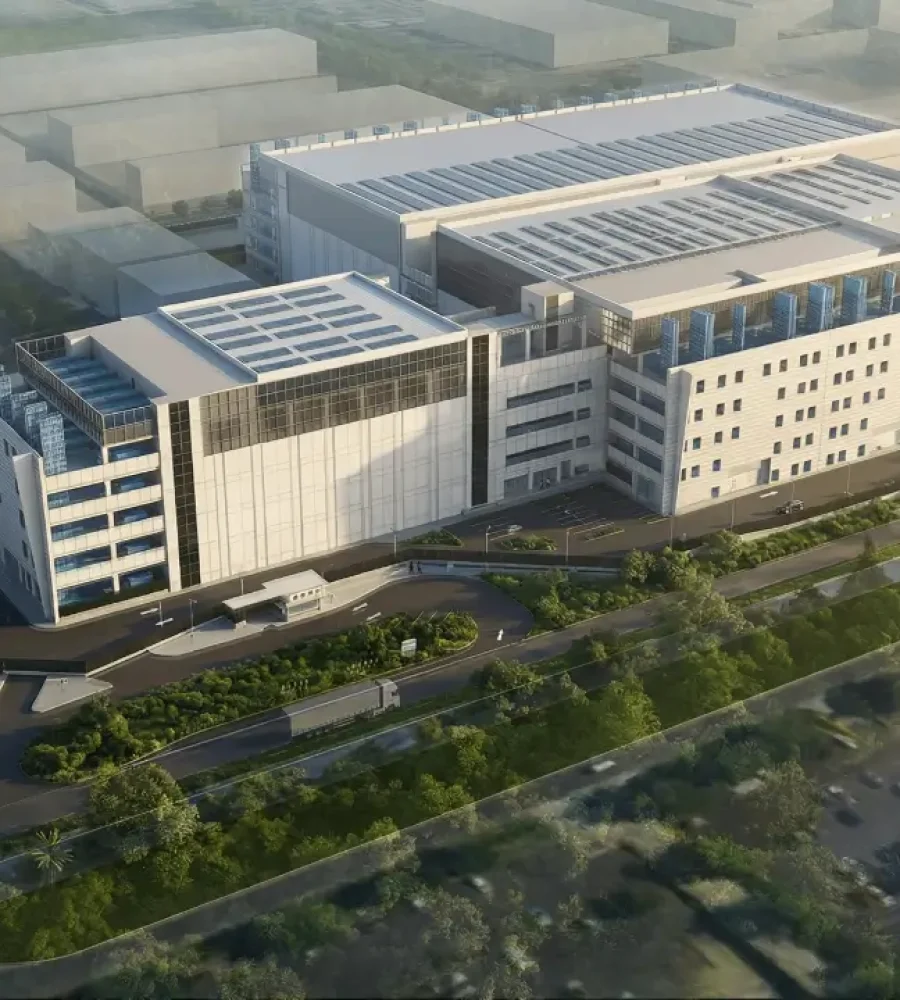
If the partnership materializes, it would place two heavyweight industrial players directly into the European Commission’s race to build AI gigafactories: facilities designed to host more than 100,000 advanced chips each and anchor the next phase of sovereign AI capacity on the continent. The pairing itself reflects how these bids are taking shape: Telekom’s network and cloud platforms combined with Schwarz’s scale and land-holding footprint, assembled to meet the program’s technical, grid-access, and supply-chain thresholds.
With 76 expressions of interest across 16 EU countries and 60 proposed sites competing for a €20 billion investment pool, the selection process will hinge less on paperwork volume than on which consortia can demonstrate credible delivery. Brussels is expected to favor projects that can secure rapid access to low-carbon power, guarantee chip supply chains, and integrate tightly with surrounding industrial and research ecosystems, conditions that elevate execution readiness over political alignment.
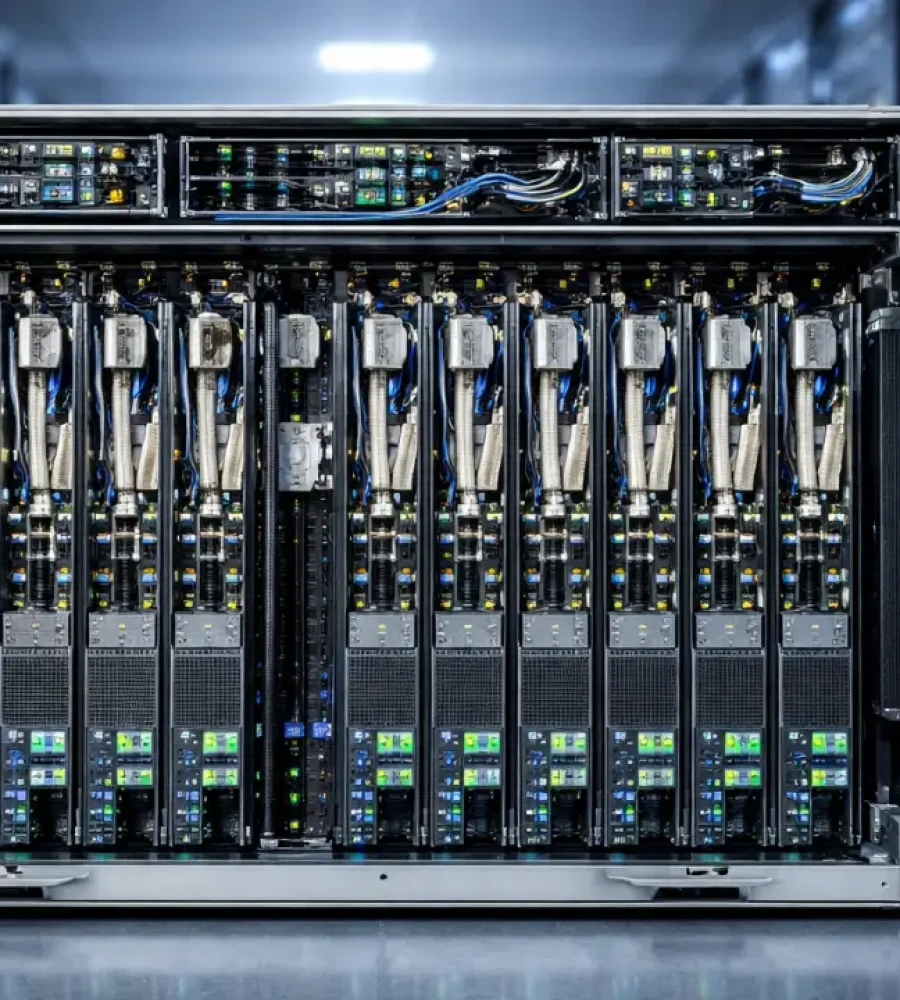
Deutsche Telekom has already begun moving from ambition to buildout. Together with Nvidia and SAP, the telco is converting a Munich facility into a major AI site, backed by a €1 billion investment and featuring 10,000 Nvidia Blackwell GPUs funded evenly by DT and Nvidia. The project, described internally as a “first step,” gives the company operational footing that many bidders lack.
The potential reunification with Schwarz Digits, after earlier reporting suggested the firms had split to submit separate bids, signals a recognition of the scale problem. These projects require dense power access, financing capacity, chip partnerships, regulatory expertise, and hyperscaler relationships all at once. Very few companies can check every box independently. Brookfield’s reported interest as a possible investor underlines how much institutional capital would be needed to transition from concept to fully utilized infrastructure.
Notably, despite reports of advanced talks, neither Deutsche Telekom nor Schwarz Digits has formally announced a partnership, and no site, investment size, or binding agreement has been disclosed. A crowded German field, involving players such as SAP, Ionos, and other industrial consortia, remains in motion as groups position themselves for at least one EU-backed award.
Skepticism remains. Vodafone’s CEO has publicly questioned whether gigafactory utilization, long-term returns, and sustained AI demand have been proven, stressing a preference for “disciplined execution focused on value” rather than speculative buildouts.