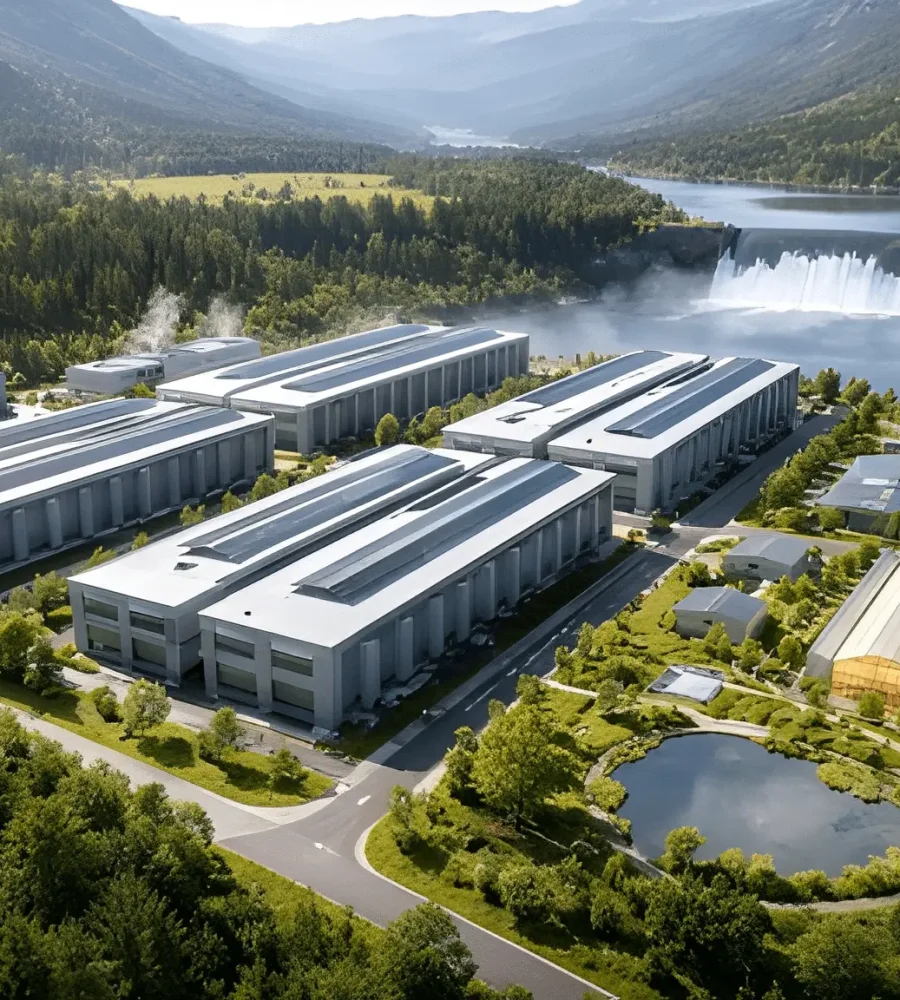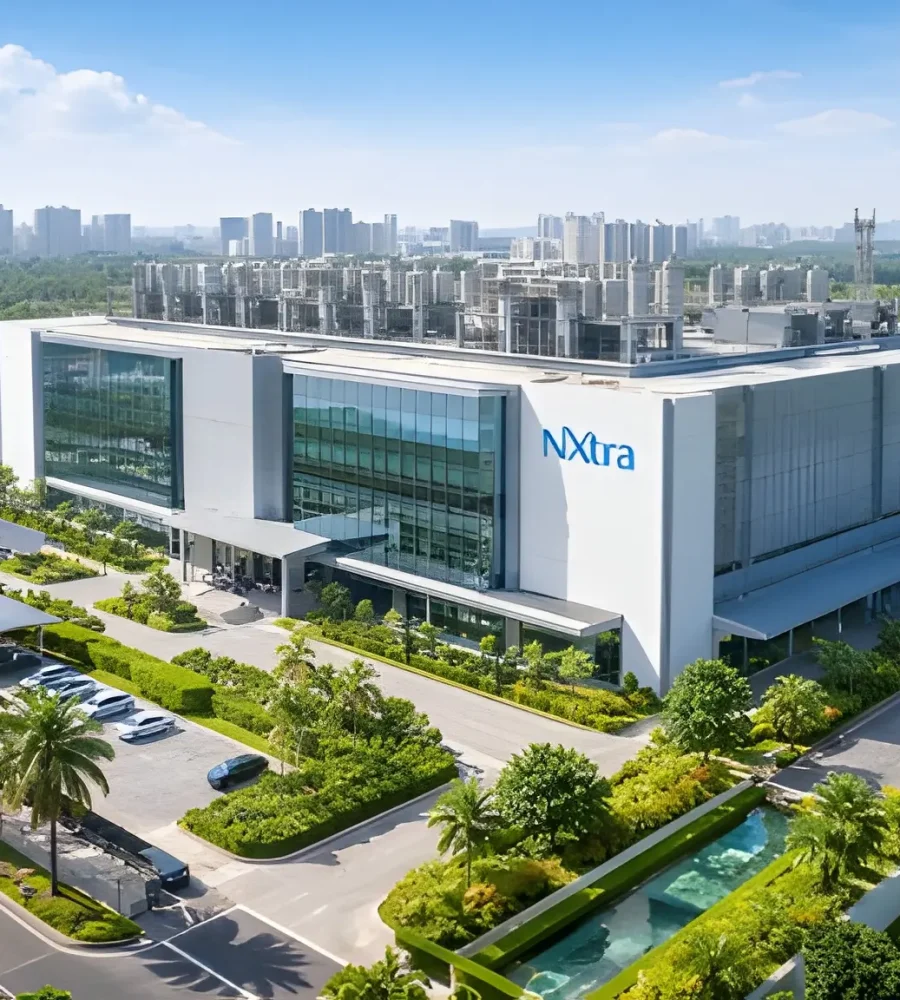
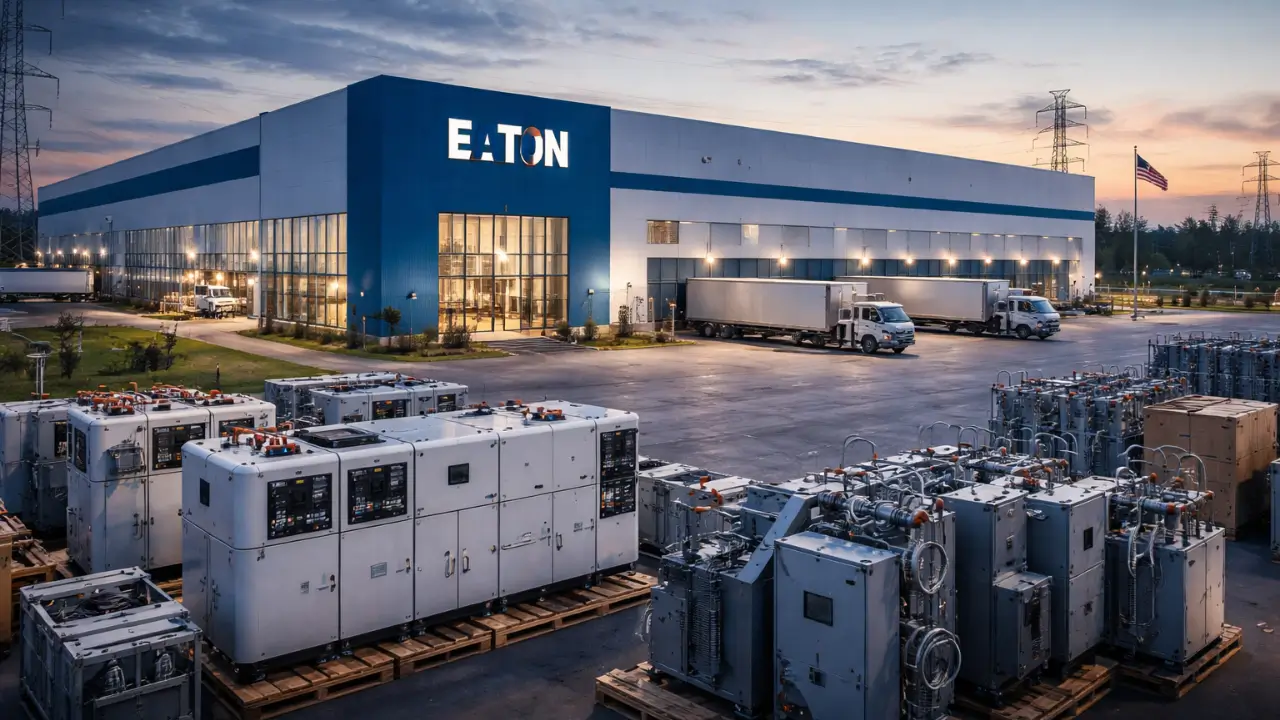
Eaton Corporation is doubling down on U.S. manufacturing with a $30 million investment in a new switchgear facility in Bellevue, Nebraska, an increasingly strategic node in the power infrastructure supply chain for hyperscale and enterprise data centers.
The 370,000-square-foot plant, located near Omaha, will begin production in the first half of 2027. More than 200 engineering, manufacturing, and production roles will be created, with hiring expected to start later this year. The site sits just six miles from Eaton’s existing Omaha operations, enabling a phased workforce transition while consolidating operational scale.
This expansion comes as power infrastructure bottlenecks emerge as one of the most critical constraints in data center deployment cycles across the United States.
Switchgear Demand Accelerates with AI Infrastructure Growth
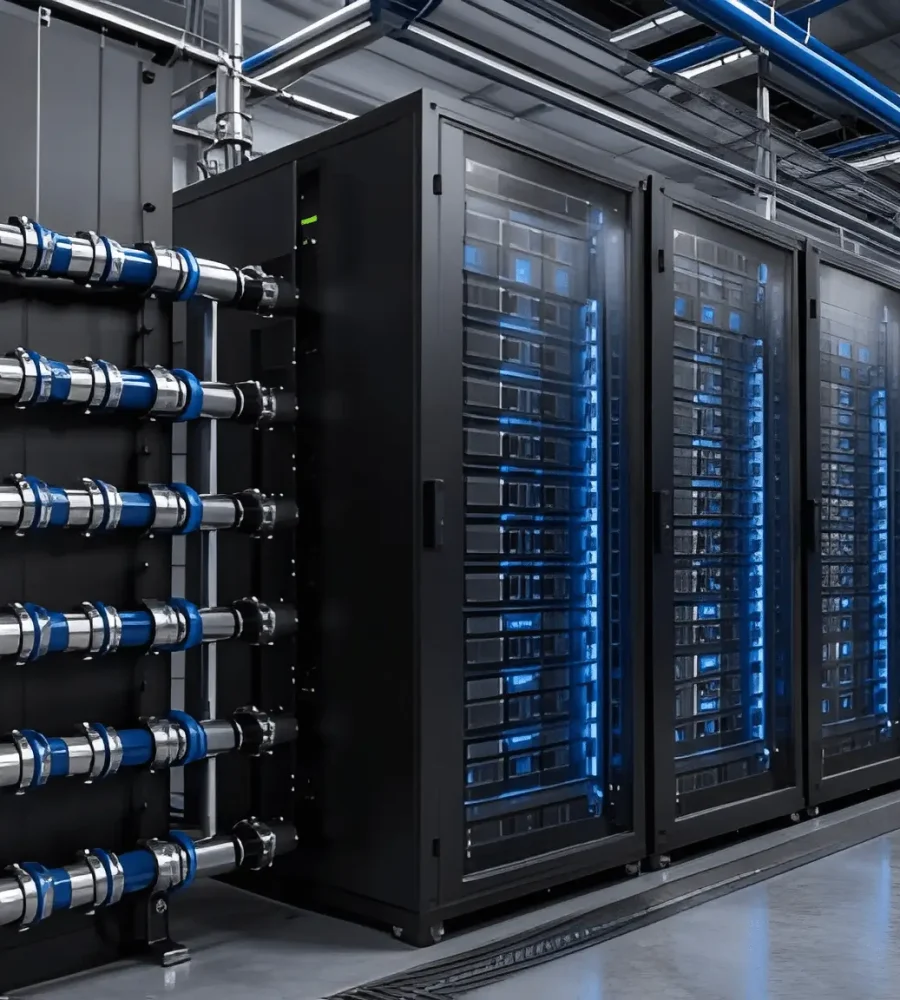
The new facility will manufacture both air-insulated and gas-insulated medium-voltage switchgear core components that protect, control, and isolate electrical systems across power generation and distribution networks. These systems also integrate into Eaton’s prefabricated power solutions, which are increasingly favored in modular and accelerated data center builds.
The timing reflects a structural shift. Nearly 3,000 data centers are either planned or under construction across the U.S., driving unprecedented demand for electrical equipment. The domestic switchgear market alone is projected to grow from $17.8 billion in 2024 to $31.8 billion by 2034.
However, this demand surge is not just about volume, it is about speed and reliability. Developers now prioritize suppliers who can compress delivery timelines while maintaining grid resilience standards.
Eaton Aligns Capital Strategy with Infrastructure Cycles
Eaton’s Nebraska investment forms part of a broader $1.5 billion global manufacturing expansion program initiated in 2023. The company reported $27.4 billion in revenue in 2025 and operates across 180 countries, positioning itself at the intersection of electrification and digital infrastructure.
Its stock performance reflects this alignment. Shares have surged 48% over the past year, pushing its market capitalization to approximately $143 billion. Revenue growth has also remained steady, with a 10% increase over the last twelve months, reinforcing investor confidence in its infrastructure-first strategy.
“Eaton is making bold investments to drive growth expanding our U.S. manufacturing footprint, adding jobs and helping customers accelerate projects,” said Mike Yelton, president of Eaton’s Electrical Sector.
The decision to expand domestic manufacturing capacity signals a broader industry trend toward regionalized supply chains. Data center developers and utilities increasingly seek proximity to critical equipment suppliers to mitigate delays caused by global logistics disruptions. Moreover, Nebraska’s central location offers logistical advantages, enabling faster distribution across major U.S. data center corridors. This geographic positioning enhances Eaton’s ability to serve both hyperscale clusters and emerging secondary markets.
Analyst Activity Reflects Strategic Realignment
Recent analyst updates underscore a period of strategic recalibration for Eaton. Wolfe Research lowered its price target to $437 while maintaining an Outperform rating, citing the planned separation of Eaton’s Mobility business by the end of 2026. The unit has historically shown limited growth, weighing on overall performance metrics.
Meanwhile, Morgan Stanley reiterated an Overweight rating with a $425 price target following discussions with newly appointed CFO Dave Foster, signaling confidence in the company’s financial direction. Jefferies also reinstated coverage with a Buy rating and a $430 price target. The firm pointed to Eaton’s acquisition of Boyd Thermal, noting that the deal would have minimal near-term earnings impact but could strengthen its thermal management capabilities over time.
Infrastructure Investment Race Intensifies
The Nebraska facility reflects a deeper shift in how power infrastructure companies are positioning for the AI era. As compute density rises, power delivery systems must evolve in parallel, placing switchgear at the center of next-generation data center architecture.
Therefore, Eaton’s investment is less about incremental capacity and more about long-term positioning in a rapidly electrifying digital economy. Additionally, the integration of switchgear into prefabricated systems aligns with the industry’s push toward modular, scalable infrastructure.
The race is no longer just about building data centers, it is about powering them efficiently, reliably, and at scale.