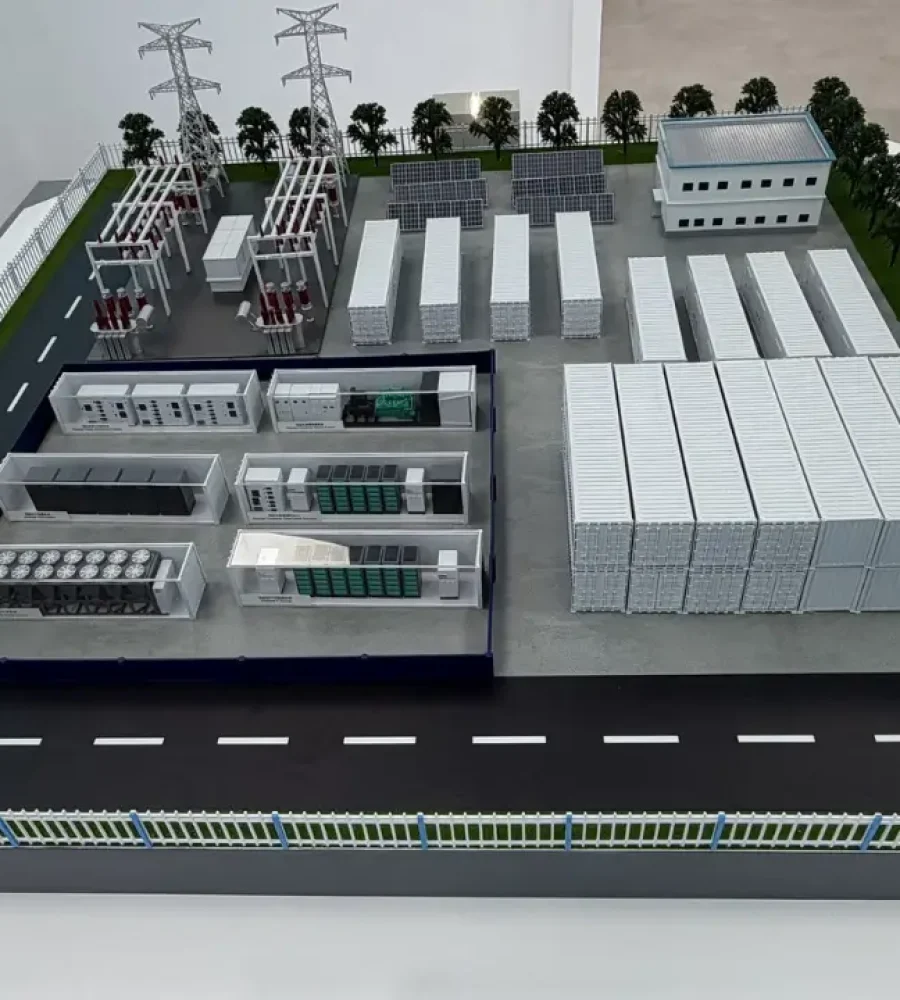
The Firebird AI megaproject moved into Phase Two this week as U.S.-based cloud infrastructure firm Firebird secured export approval to deliver 41,000 additional NVIDIA GB300 GPUs to Armenia. With this expansion, the $4 billion initiative strengthens U.S.-Armenia technology ties and sharply increases Armenia’s high-performance computing capacity. As a result, the country is emerging as a serious player in global AI infrastructure.
Export Approval Unlocks Major Hardware Expansion
U.S. regulators approved the export license that allows Firebird to sell and ship advanced NVIDIA hardware to Armenia. This decision clears the path for one of the largest AI GPU deployments in the region. In turn, Armenia will host one of the world’s top five largest AI GPU clusters once the installation is complete.
Moreover, the approval signals strong institutional trust between both governments. U.S. authorities reviewed the transaction under existing export control frameworks and granted clearance. Consequently, the project now moves forward with full regulatory backing.
Announcement During High-Level Visit
The expansion was announced during an official visit to Yerevan by U.S. Vice President JD Vance. He shared the details at a press briefing alongside Armenian Prime Minister Nikol Pashinyan, NVIDIA Vice President Rev Lebaredian, and Firebird co-founders Razmig Hovaghimian and Alexander Yesayan.
During the event, Prime Minister Pashinyan pointed to the August 8 memorandum between Armenia and the United States covering semiconductors and artificial intelligence. According to him, that agreement laid the groundwork for Firebird’s artificial intelligence factory and data center in Armenia. He added that close cooperation between Armenian and U.S. institutions continues to strengthen high-tech partnerships.
Vice President Vance described the deal as a new chapter in bilateral relations. He emphasized that the United States approved the NVIDIA agreement to support innovation, expand markets, and generate jobs in both countries. Furthermore, he noted that the advanced chips included in the deployment remain unavailable in many parts of the world. With this agreement, those chips will power new data centers in Armenia.
Building on a $500 Million Foundation
Phase Two builds directly on Phase One, which included a $500 million investment in Armenia’s first high-performance AI computing cluster. That initial deployment established core infrastructure and technical capacity. Now, Firebird plans to scale that foundation dramatically.
Together, the two phases represent a $4 billion capital commitment. Therefore, Armenia’s computing capabilities will expand across sectors such as life sciences, robotics, space systems, and next-generation AI research. Researchers and companies will gain access to significantly higher processing power, which could accelerate innovation across multiple industries.
Strategic Vision and Economic Impact
Razmig Hovaghimian, co-founder and CEO of Firebird, said the company aims to extend U.S. AI technology leadership globally. He explained that Firebird designed the cluster to position Armenia as a global supercomputing hub. At the same time, the company seeks to ensure that trusted American infrastructure supports emerging economies.
Importantly, the project also carries long-term economic implications. Firebird expects the megaproject to anchor a sustainable technology ecosystem in Armenia. The company plans to combine secure infrastructure, international partnerships, and workforce development to create durable growth. As computing capacity expands, local talent development and foreign investment are also likely to increase.
A Model of Cross-Border Coordination
As Phase Two advances, policymakers and industry leaders are closely watching the Firebird AI megaproject. The initiative demonstrates how export controls, regulatory alignment, and strategic investment can work together when governments coordinate effectively. In addition, it highlights how advanced semiconductor supply chains increasingly intersect with diplomacy and national economic strategy.
Ultimately, the expansion underscores a broader shift in global AI infrastructure. With tens of thousands of advanced GPUs now slated for installation, Armenia’s role in the global AI landscape is set to grow substantially.