Image Credit: Google
xLight Semiconductor Funding Shapes a New Phase in U.S. Chip Innovation
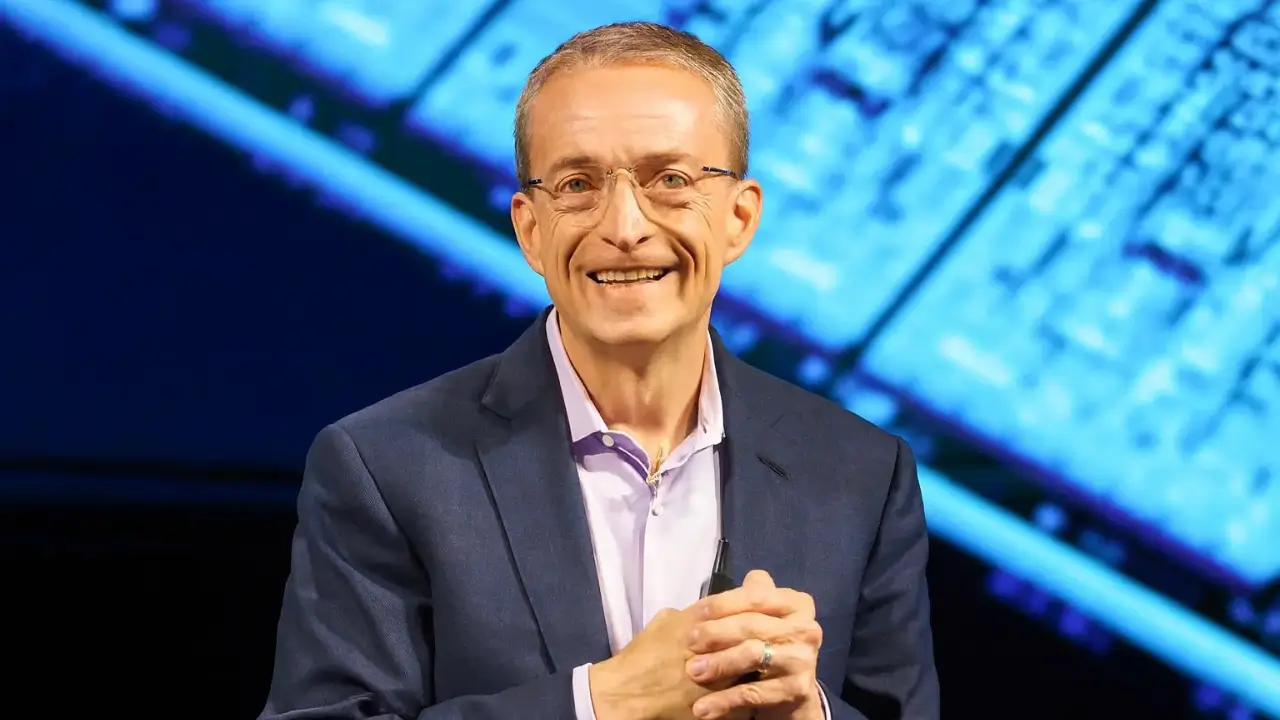
The latest developments in xLight semiconductor funding continue to draw global attention, as reported by TechCrunch. From our perspective, the news highlights a significant intersection of semiconductor technology, government support and lithography advancement. A year after leaving Intel, Pat Gelsinger remains active in the semiconductor landscape, now operating as a general partner at Playground Global and supporting 10 startups. Among them, xLight has emerged as the focal point following its preliminary agreement for up to $150 million from the U.S. Commerce Department, positioning the federal government as a minority shareholder pending finalization.
Gelsinger’s long tenure at Intel, spanning 35 years across two periods, provides essential context for understanding why this development has intensified conversation across Silicon Valley. TechCrunch notes that the Trump administration’s equity approach in strategically relevant companies has raised questions industrywide.
Policy Reactions Surround xLight Semiconductor Funding Announcement
California Governor Gavin Newsom’s remarks, as quoted by TechCrunch, reflected the broader debate within the tech sector, where free-market values remain central to discussion. While the policy perspective continues to evolve, Gelsinger focused primarily on xLight’s technical objectives during a StrictlyVC event hosted by Playground Global.
Lithography Innovation at the Core of xLight’s Mission
According to TechCrunch’s coverage, Gelsinger emphasized that xLight aims to solve what he views as the semiconductor industry’s most significant constraint: lithography. The company is developing large-scale free-electron lasers powered by particle accelerators, intended to generate extreme ultraviolet (EUV) light at shorter wavelengths than current 13.5-nanometer systems.
Gelsinger described this initiative as aligned with his long-standing objective of extending Moore’s Law, signaling the technology’s potential role in enabling more advanced semiconductor fabrication.
First Chips and Science Act Award Under the Current Administration
TechCrunch reported that the xLight semiconductor funding arrangement marks the first Chips and Science Act award issued under the current administration. The agreement remains at the letter-of-intent phase, meaning that terms could change. Gelsinger stated that the parties have aligned on principles but must still complete contractual work.
Scale and Architecture of xLight’s Proposed Technology
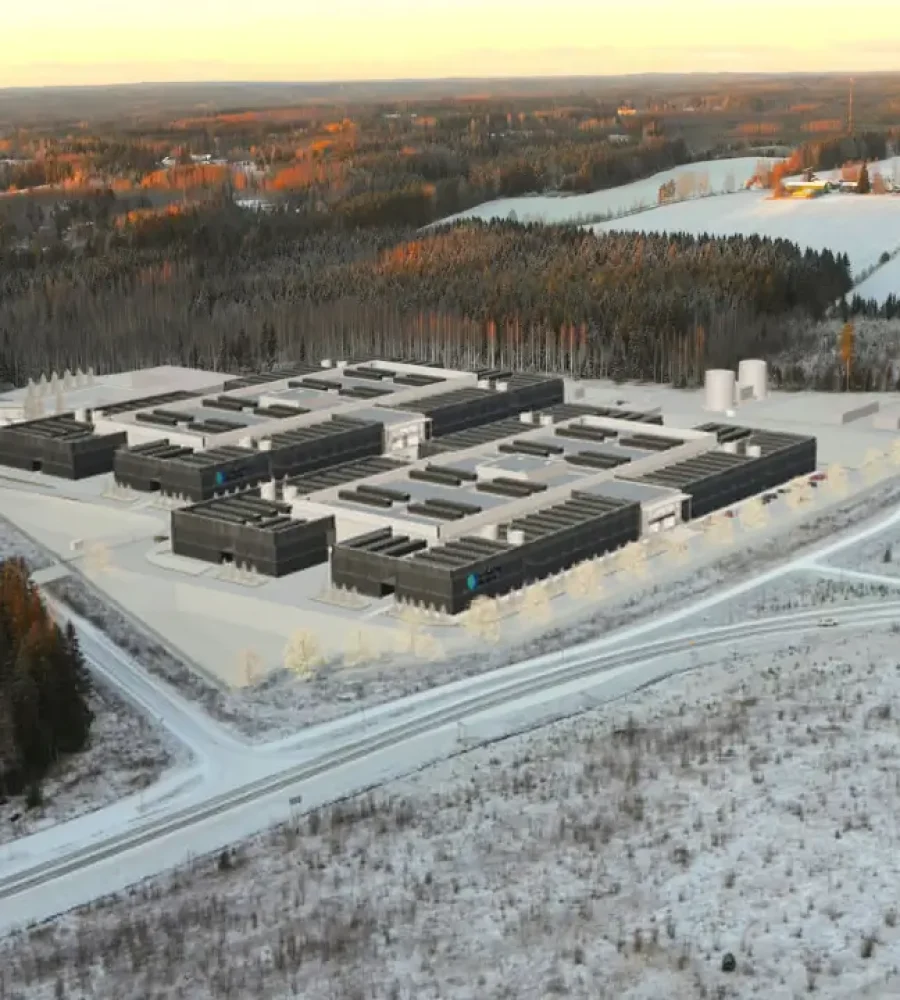
The technology described in TechCrunch’s reporting is notable for its physical scale. xLight plans to deploy systems approximately 100 meters by 50 meters, comparable to a football field that sits outside semiconductor fabrication plants. These free-electron lasers would deliver EUV light with potential wavelengths as low as 2 nanometers. This approach differs from traditional lithography models by treating light generation as a utility service external to individual machines.
Leadership Behind xLight and Technological Timing
The startup is led by CEO Nicholas Kelez, whose experience spans PsiQuantum and leading engineering roles at national laboratories such as SLAC and Lawrence Berkeley. As reported, ASML explored similar concepts more than a decade ago but determined the timing was premature. Kelez indicated that EUV adoption is now widespread enough that an external, utility-scale light-generation model may offer new advantages.
Integration With ASML and Industry Engagement
TechCrunch noted that xLight is collaborating directly with ASML and optics provider Zeiss to ensure compatibility with scanner systems. Gelsinger stated that while no major chipmakers have committed to purchasing xLight technology yet, the company is in discussions with leading industry participants.
The broader landscape continues to evolve. Substrate, a semiconductor manufacturing startup backed by Peter Thiel, has raised $100 million for U.S. fabs and EUV tool development. Gelsinger suggested they may represent a future customer depending on their system’s requirements.
Structure of Government Support in xLight Semiconductor Funding
TechCrunch’s reporting clarified that the U.S. Commerce Department’s minority investment does not include veto rights, board seats or information rights. The support reflects a non-governing structure designed to align with national strategic interests without operational involvement.
xLight’s Roadmap and Facility Development
xLight has raised $40 million from investors and plans an additional fundraising round in January. The company signed a letter of intent with New York State to construct its first full-scale system at the New York CREATE site near Albany, pending final approval. The startup aims to produce initial silicon wafers by 2028 and bring its first commercial system online by 2029.
Gelsinger’s Broader Engagement Across Deep Tech
Gelsinger’s work now spans 10 startups, which he described as intellectually expansive during his TechCrunch appearance. He also noted the shift in lifestyle balance that followed his departure from Intel, though his ongoing activity indicates sustained engagement in semiconductor and deep-tech domains.
xLight Semiconductor Funding Reflects Shifts in U.S. Tech Strategy
From our viewpoint, the developments surrounding xLight semiconductor funding, as reported by TechCrunch, illustrate shifting dynamics across U.S. chip manufacturing, the interplay between federal participation and industry innovation and the continued push to address lithography as a central enabler of Moore’s Law-level scaling.