Hut 8 Redirects Bitcoin Infrastructure Toward AI Compute
Several former Bitcoin mining operators are shifting into artificial intelligence infrastructure as demand for compute outpaces new supply. Falling crypto mining returns and rising power costs have accelerated this transition.
One of the clearest examples is Hut 8 Corp., which announced a long-term move into AI-focused data center leasing. The company signed a 15-year lease agreement valued at about $7 billion with cloud infrastructure provider Fluidstack.
The agreement positions Hut 8 to repurpose its energy-intensive infrastructure for high-performance AI workloads rather than cryptocurrency mining.
Hut 8 AI Data Center Pivot Anchored by Louisiana Campus
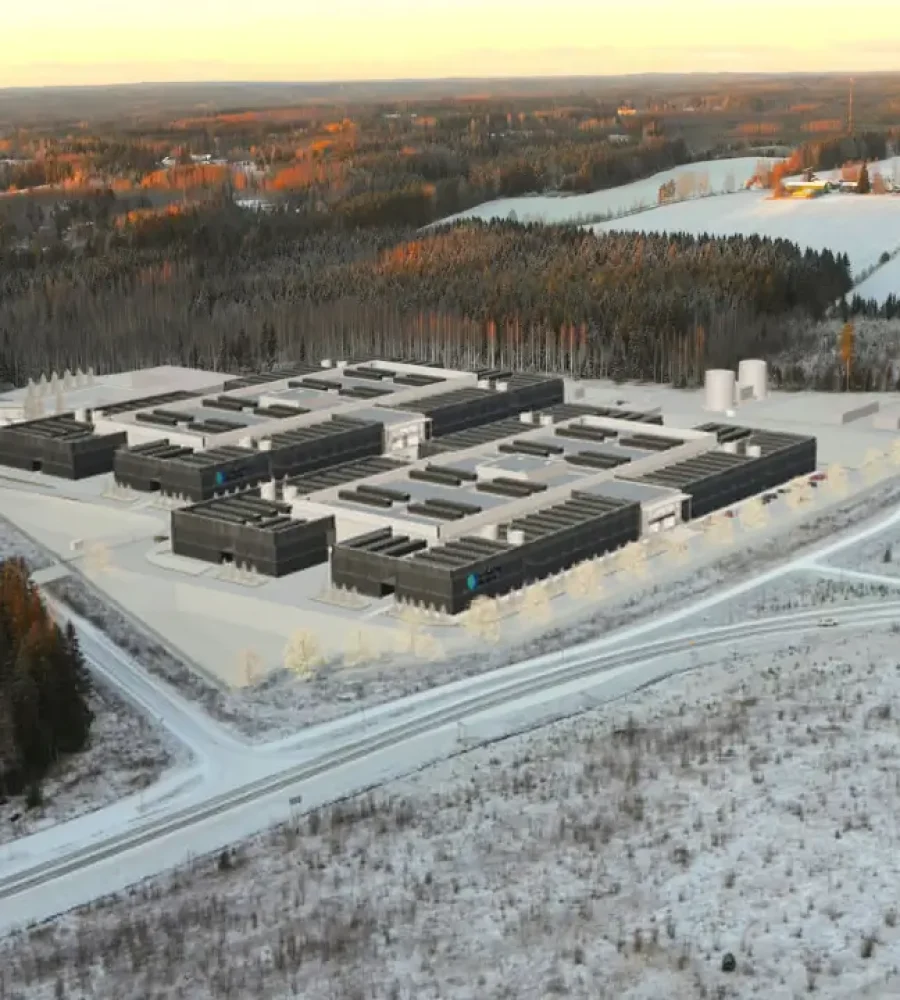
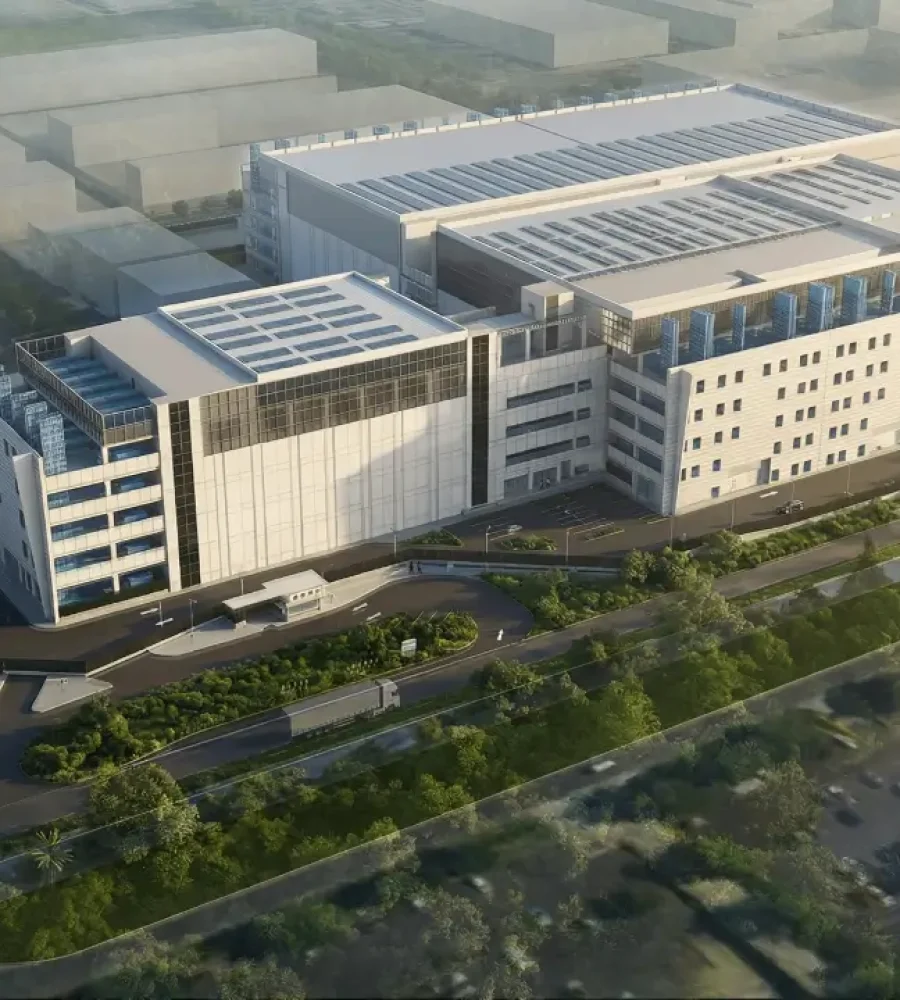
The lease centers on Hut 8’s River Bend campus in Louisiana. The site will provide 245 megawatts (MW) of computing capacity dedicated to AI workloads.
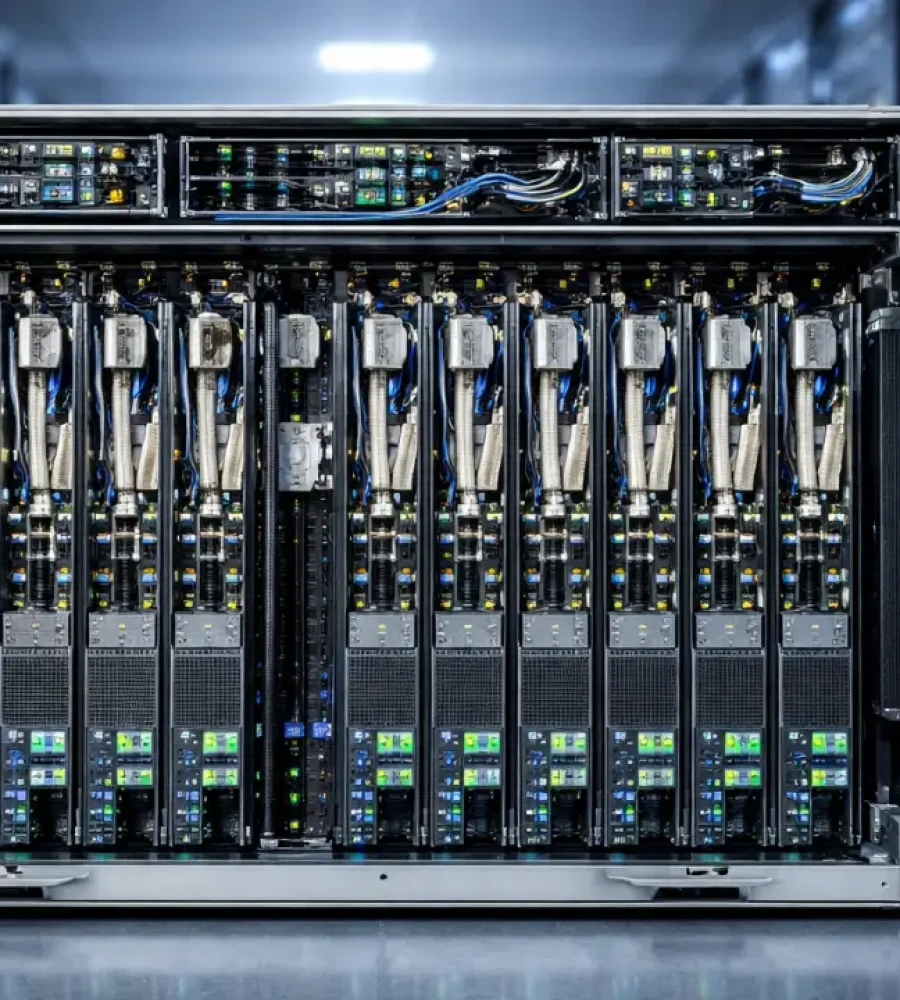
The deployment supports high-performance computing clusters required for training and running advanced AI models. The first data hall is scheduled to become operational by early 2027. The 15-year structure provides Hut 8 with a long-term revenue stream. Expansion rights are built into the agreement. Fluidstack holds the right of first offer for up to 1,000 additional MW at the River Bend site if further buildouts proceed.
Google Financial Backstop Reduces Project Risk
The project carries financial backing from Google, which serves as a financial backstop. Under the arrangement, Google guarantees lease payments if the tenant fails to meet obligations. This structure lowers counterparty risk and improves bankability. Major financial institutions, including J.P. Morgan and Goldman Sachs, are involved in the financing.
Fluidstack will operate the data center. The AI models running on the site are expected to support work by Anthropic, linking the facility directly to frontier model development.
Hut 8 Chief Executive Officer Asher Genoot said the company’s competitive advantage lies in energy access and development speed.
“Scaling frontier AI infrastructure is, at its core, a power challenge. Hut 8’s power-first, innovation-driven development model enables us to originate and develop greenfield data center sites at the pace and scale required by leading model developers.”
The statement reflects a broader industry shift. Power availability, rather than real estate alone, has become a primary constraint for AI infrastructure expansion.
Crypto Mining Economics Drive the Transition
Crypto miners already operate large-scale facilities with 100+ MW power lines, cooling systems, and backup generation. While originally designed for ASIC-based mining, these assets align closely with the needs of GPU-driven AI workloads. AI computing relies on high-density power delivery and advanced cooling. Many mining sites can be converted without rebuilding core infrastructure.
Hut 8 is not alone. Other former crypto-focused firms have pursued similar transitions. CoreWeave, which originated in crypto mining, reported more than $1.2 billion in revenue by mid-2025 and reached a valuation of about $48 billion.
Elsewhere, TeraWulf has entered long-term agreements with Fluidstack to supply hundreds of megawatts of compute capacity in New York. These moves reflect growing investor preference for predictable, long-term infrastructure income over volatile mining revenue.
AI Infrastructure Emerges as the New Core Business
Ultimately, the Hut 8 AI data center pivot illustrates how former crypto miners are repositioning around compute, power, and long-term contracts. The $7 billion, 15-year agreement with Fluidstack, backed by Google, places Hut 8 firmly within the AI infrastructure supply chain.
As demand continues to rise, power-rich operators with existing sites are gaining relevance. For Hut 8, the shift marks a structural move away from hash-rate dependence toward infrastructure-led economics.