Iraq Solar Expansion Advances Ahead of Summer Demand
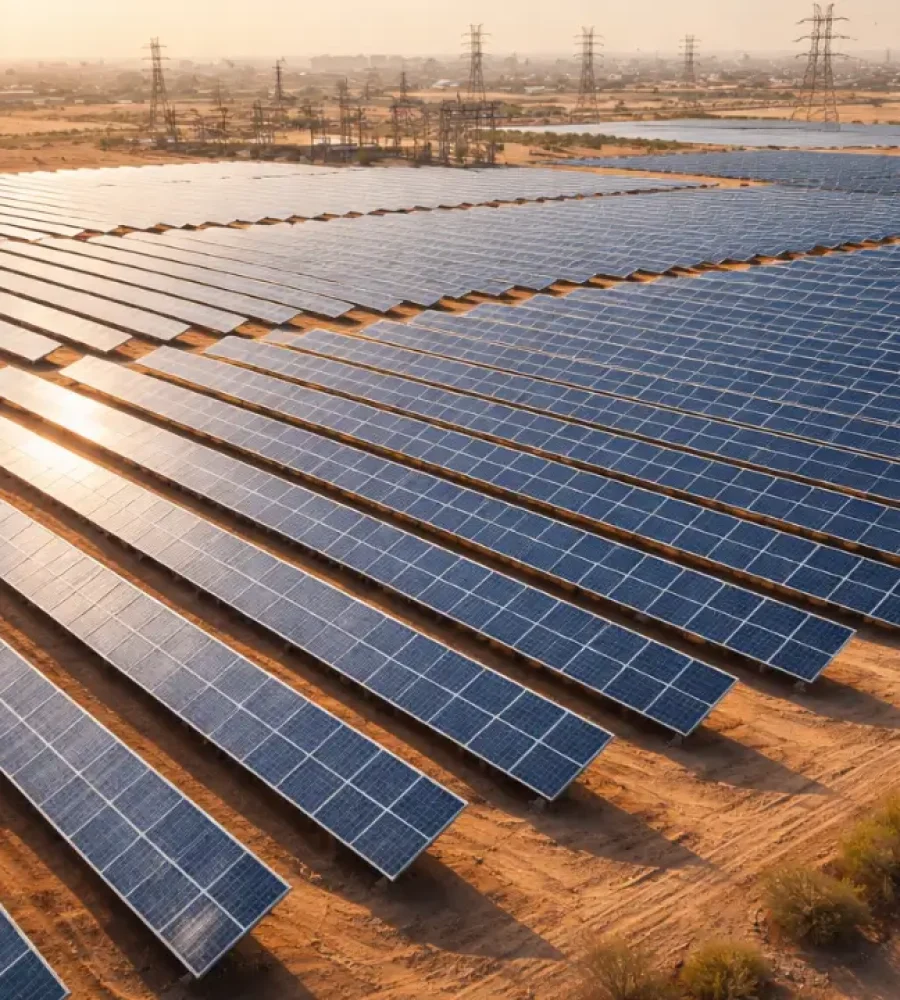
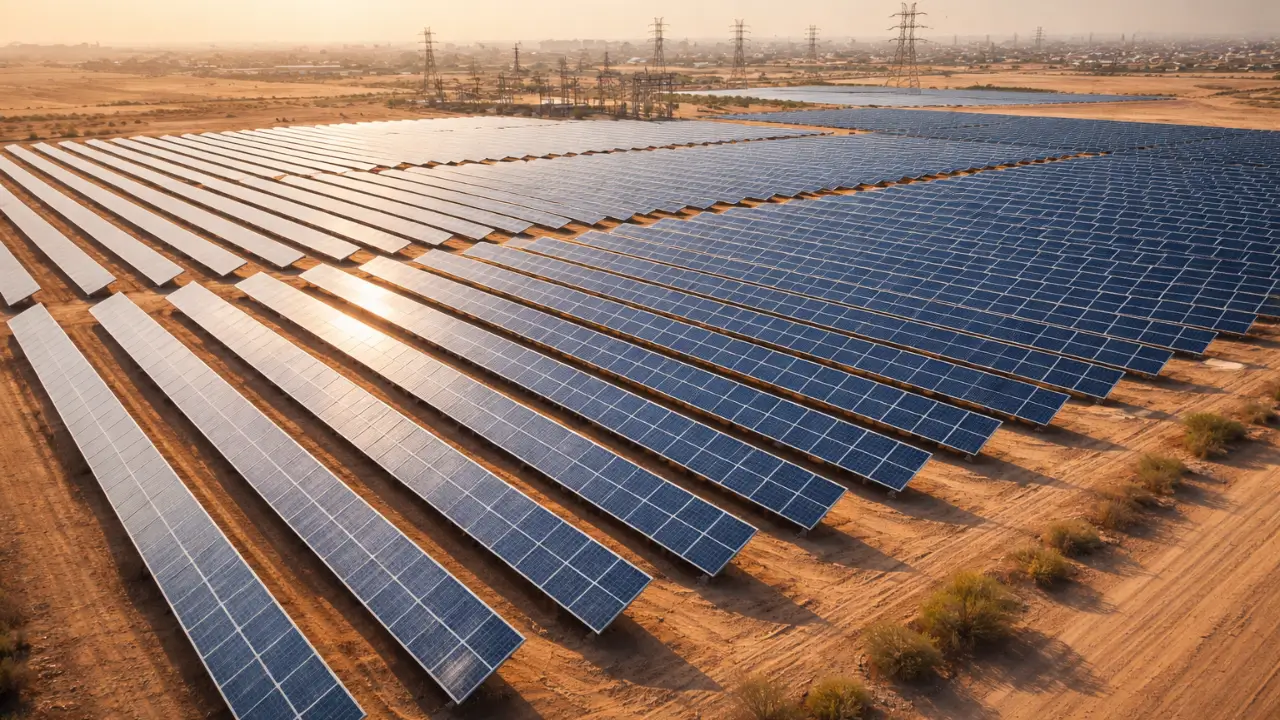
As summer temperatures surge past operational limits, Iraq’s electricity system once again approaches a seasonal stress test. In response, the country has moved to structurally reshape its power mix by advancing Iraq solar expansion plans at scale. More than 120 locations have now been identified, prepared, and cleared for solar power development, positioning renewable energy as a central instrument in managing peak demand and easing chronic supply shortfalls.
The designated sites span the outskirts of Baghdad and multiple provinces, covering areas with high solar irradiance and proximity to existing transmission corridors. Authorities have completed initial land preparation to reduce permitting and construction delays, allowing developers to move directly into project execution. The initiative targets both domestic and international investors, signaling a shift toward faster deployment timelines in the power sector.
Iraq Solar Expansion Targets Grid Stability
For decades, Iraq’s electricity network has faced structural fragility, driven by aging infrastructure, limited generation diversity, and extreme climatic conditions. Summer demand regularly outpaces supply as air-conditioning load surges, leading to widespread outages across urban and rural areas. The country has relied heavily on imported electricity and gas, particularly from neighboring Iran, to bridge short-term gaps.
The government now frames solar generation as a stabilizing force within the national grid. Prime Minister Mohammed Shia al-Sudani has emphasized renewable energy as a core pillar of Iraq’s long-term power strategy. National targets call for 12,000 megawatts of renewable capacity by 2030, a substantial increase from the country’s currently modest solar footprint.
Prepared Sites De-Risk Project Development
By pre-selecting and clearing land, Iraq aims to remove one of the most persistent barriers to energy investment: early-stage uncertainty. Developers often face delays linked to land disputes, environmental approvals, and grid access. Centralizing site preparation allows projects to progress directly to financing and construction, compressing development cycles.
Officials expect the prepared locations to host utility-scale solar plants as well as distributed generation projects. The approach aligns with broader reforms designed to modernize procurement processes and accelerate infrastructure delivery within the electricity sector.
International Partnerships Anchor Large Projects
The newly prepared sites complement several major solar projects already under development through international partnerships. These include collaborations with TotalEnergies, ACWA Power, and Masdar. Together, these companies anchor Iraq’s largest renewable energy investments to date.
One flagship project, the Basra Sun plant, targets an installed capacity of 1,000 megawatts. The facility is expected to supply electricity directly into southern demand centers, where industrial activity and population growth have placed sustained pressure on supply.
Alongside utility-scale projects, the Ministry of Electricity continues to promote district-level solar units and rooftop installations. Government buildings, schools, and healthcare facilities remain priority candidates, as distributed systems can offset daytime demand and reduce strain on local feeders.
Solar Resource and Infrastructure Alignment
Iraq’s geographic profile supports large-scale solar deployment. Vast desert areas offer ample land availability, while high annual sunshine hours provide strong generation potential. Authorities are now pairing solar buildout with targeted transmission upgrades to ensure new capacity integrates smoothly into the grid.
Grid reinforcement remains critical. Without parallel investment in substations and high-voltage lines, additional generation risks bottlenecks. Officials have indicated that transmission expansion will proceed alongside solar construction to maintain system balance during peak periods.
Regional Energy Shifts Shape Policy Direction
Across the Middle East, governments have accelerated renewable energy programs as fuel costs fluctuate and power demand rises. Gulf countries continue to deploy large solar parks, while energy-importing states increasingly seek domestic alternatives to reduce external exposure. Iraq’s strategy mirrors this regional shift, using solar capacity to improve energy security while managing fiscal pressure from imports.
As neighboring markets scale renewable infrastructure, technology costs continue to decline, further strengthening the economic case for rapid deployment.
Outlook for Iraq’s Power Sector
With more than 120 sites ready for development, Iraq has moved from planning to execution in its solar agenda. The focus now rests on construction speed, grid integration, and sustained policy coordination. If implementation proceeds as outlined, Iraq solar expansion could play a measurable role in reducing summer outages and reshaping the country’s electricity mix over the coming decade.