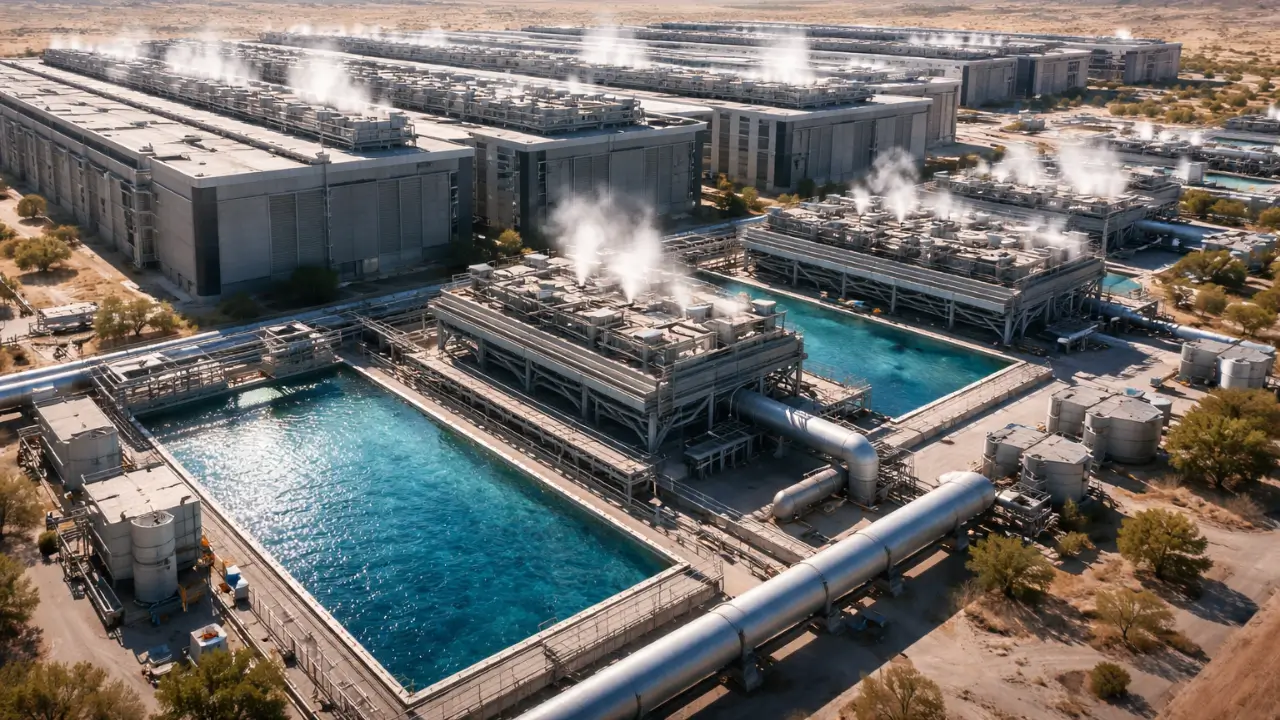
AI Growth Drives Sharp Rise in Regional Water Demand
Water consumption by data centers across the Middle East and Africa is projected to rise sharply by the end of the decade, reflecting the rapid expansion of digital infrastructure. A new report from Mordor Intelligence estimates that data center water use in the region will grow from 119.3 billion liters in 2025 to 426.3 billion liters by 2030. This increase represents a compound annual growth rate of 29%.
The expansion mirrors rising demand for hyperscale, colocation and enterprise data centers across the Gulf states, Sub-Saharan Africa and emerging connectivity hubs. As cloud adoption accelerates, operators are adding capacity at a faster pace. Artificial intelligence workloads have also moved from pilot deployments to production-scale operations, further intensifying infrastructure requirements.
Large-scale campus developments now dominate new construction across the region. These facilities support regional cloud availability zones and AI compute clusters. Higher rack densities have become standard, pushing cooling systems to operate at greater intensity. As a result, cooling design now plays a central role in determining overall water consumption.
Operators Rework Cooling Approaches to Limit Water Exposure
Data center operators across MEA are actively reworking cooling strategies to manage water demand more efficiently. Many facilities now deploy closed-loop and hybrid cooling systems that reduce freshwater intake and increase internal reuse. These systems allow operators to maintain thermal stability while responding to regulatory and environmental pressures.
The report notes growing adoption of non-potable water sources. Operators increasingly rely on treated wastewater, greywater and recovered condensate to support cooling operations. Where quality standards allow, reclaimed water now feeds directly into cooling loops. This approach reduces dependence on municipal potable supplies and improves resilience during supply disruptions.
Developers have also begun to integrate water availability into early site planning. In water-stressed markets, access to alternative water sources now carries weight equal to power availability and network connectivity. Coordination with utilities and local authorities has become a standard part of project development.
AI Workloads Accelerate the Shift Toward Advanced Cooling
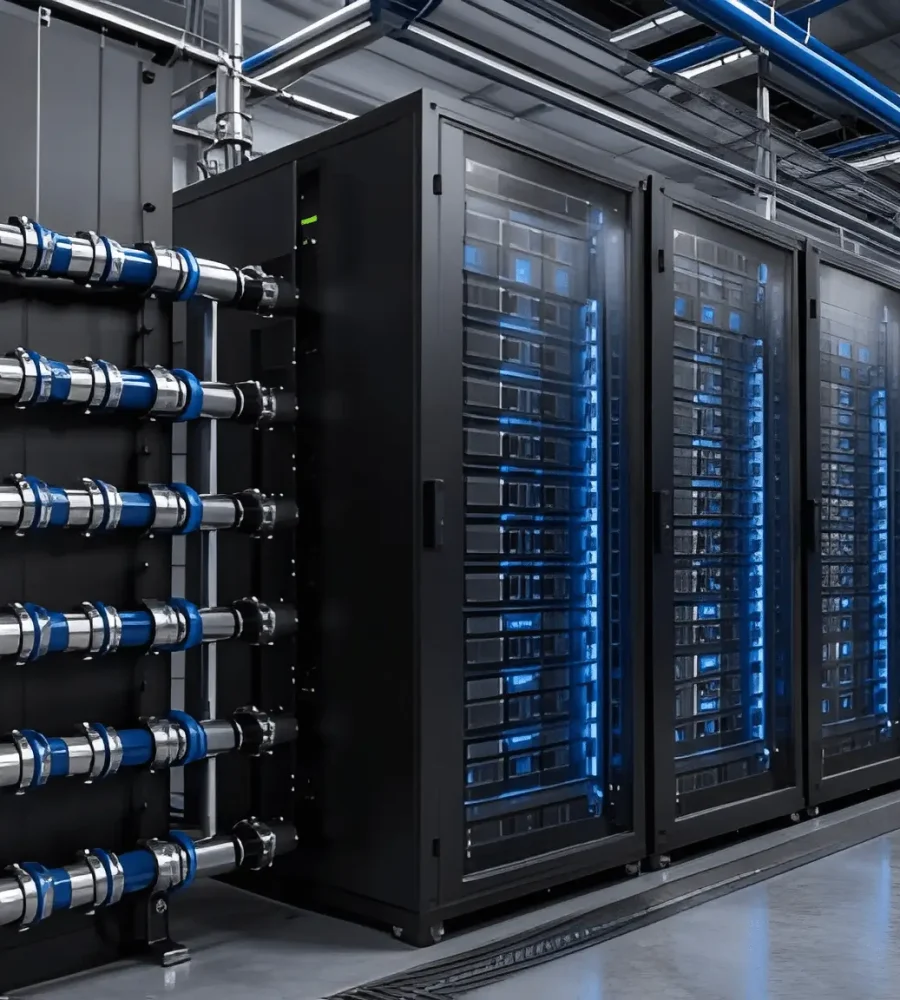
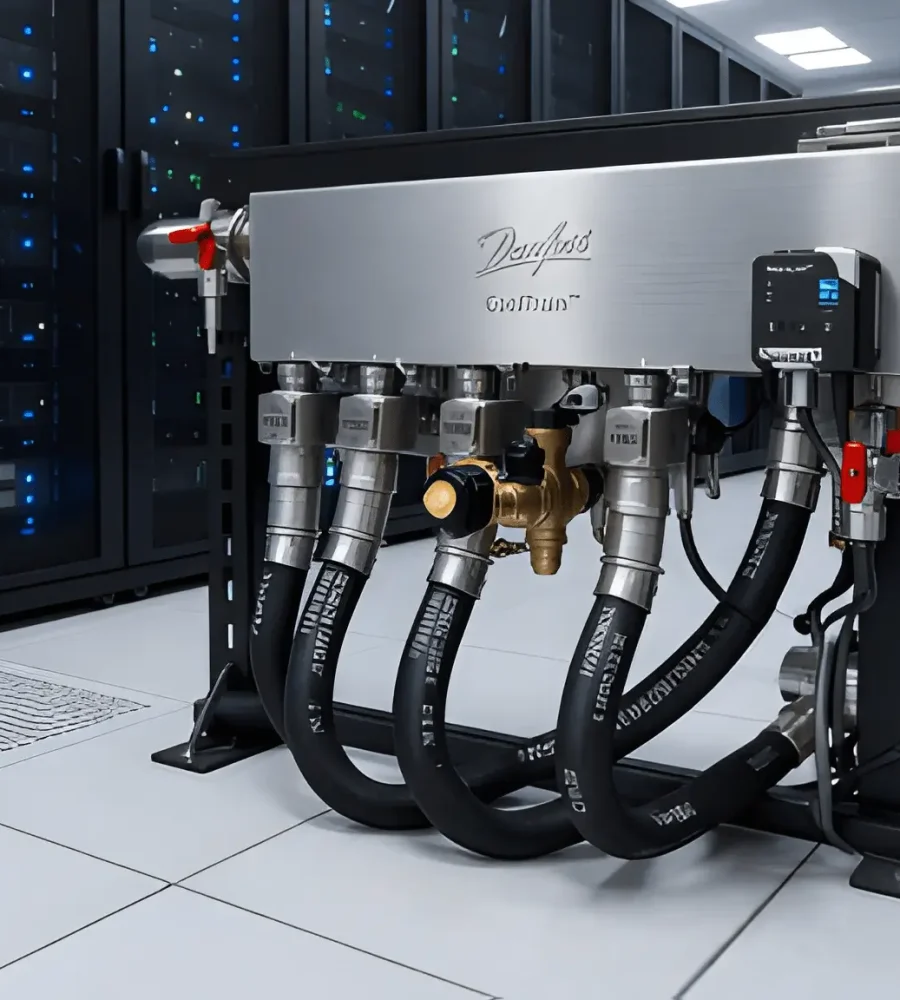
The rapid rise of AI-focused deployments has added further pressure to regional cooling systems. High-density AI workloads generate concentrated heat that traditional air cooling struggles to manage efficiently. In response, operators are deploying direct liquid cooling and selective hybrid designs across new and upgraded facilities.
These technologies improve heat transfer efficiency and reduce evaporation losses. They also allow operators to sustain higher compute densities without proportional increases in water consumption. Although capital costs remain higher, operators continue to adopt these systems to support long-term performance and scalability.
As AI adoption expands across enterprise, government and research environments, cumulative thermal demand is expected to rise further. Cooling architecture choices will therefore remain a key determinant of future water use across the region.
Water Stewardship Becomes a Commercial Priority
Water management has emerged as a critical commercial metric for data center operators in MEA. Investors and enterprise customers increasingly assess providers based on transparency in water sourcing, usage intensity and reuse practices. Reporting on water metrics now influences procurement decisions and long-term service agreements.
Regulators and local communities have also increased scrutiny, particularly for large campuses near urban areas. Operators must demonstrate that new developments will not strain local water resources. In several markets, water stewardship now plays a role in permitting and approval processes.
From a broader perspective, the report underscores that digital expansion in MEA now depends on sustainable water strategies. As the region positions itself as a global hub for cloud and AI infrastructure, operators must balance rapid growth with responsible water management. Long-term operational stability and investor confidence will increasingly depend on how effectively data centers manage this constraint.