Microsoft Plans New Medina County Data Center
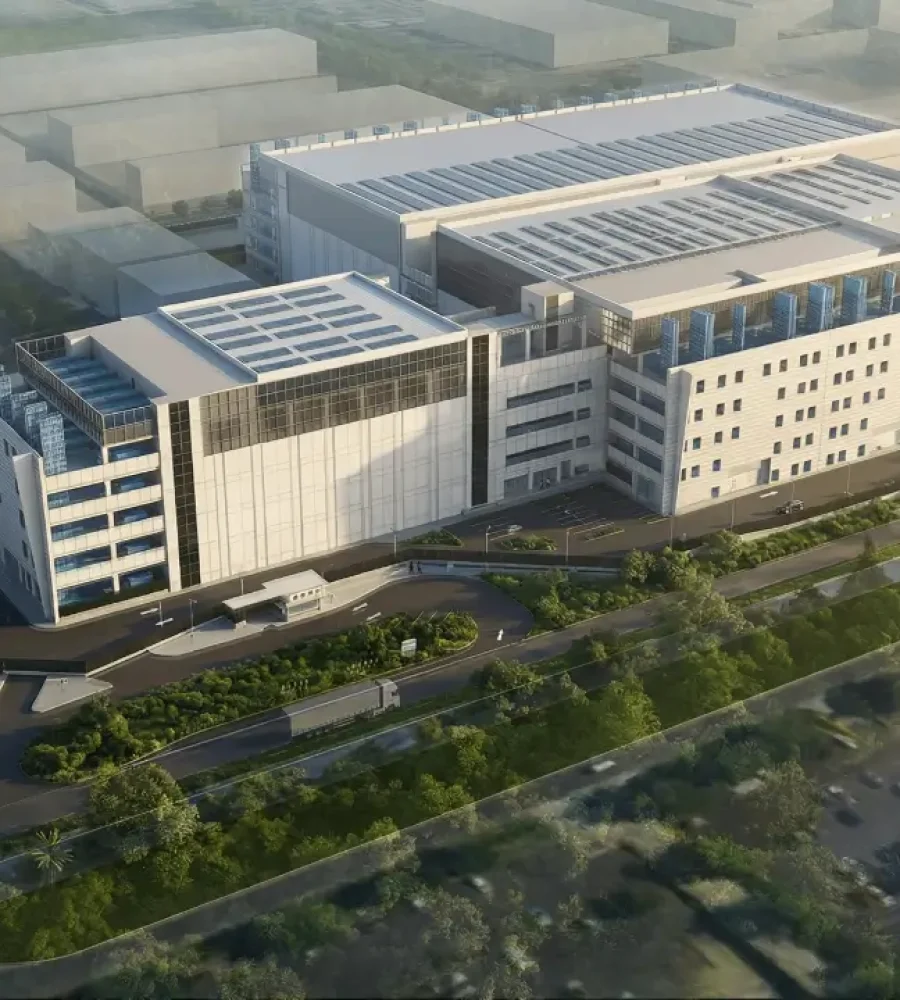
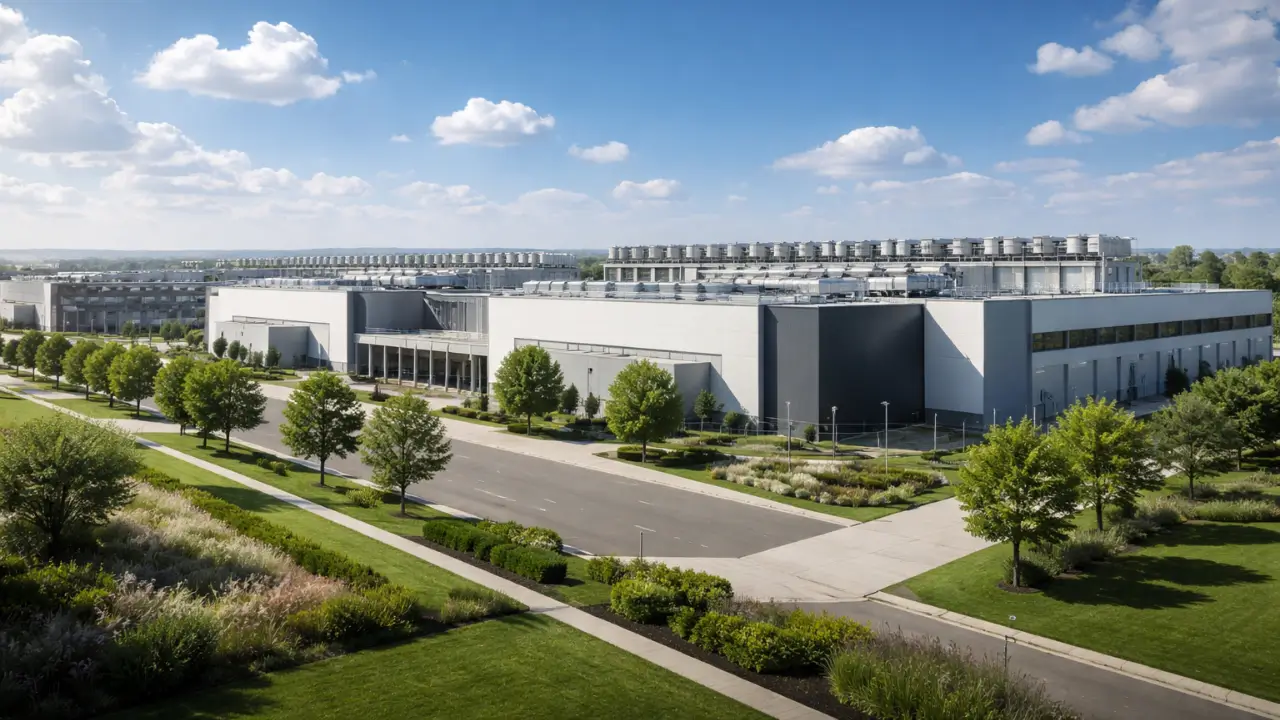
Microsoft Corp. is advancing another large-scale data center development in the San Antonio region, reinforcing its long-term infrastructure strategy in South Texas. Regulatory filings show the company plans to construct a one-story, 195,670-square-foot data center in Medina County, roughly 5.5 miles north of downtown Castroville.
According to documents filed with the Texas Department of Licensing and Regulation, the facility will rise at 3580 FM 471 North and carry an estimated development cost of $400 million. Construction timelines indicate completion by July 2028. The building will operate as a colocation facility, allowing Microsoft to lease capacity to enterprise and cloud customers rather than using the site exclusively for internal workloads.
The project adds to Microsoft’s steadily growing real estate holdings west of San Antonio. Property records indicate the company now controls more than 1,451 acres across Medina County, positioning the area as one of its most concentrated regional data center clusters in the United States.
Multi-Site Development Signals Long-Term Commitment
The Medina County project forms part of a broader pipeline of Microsoft developments already underway in the region. Filings show construction activity at 18844 FM 1957, where multiple data center projects represent a combined investment of approximately $712.6 million. In addition, Microsoft is building two data center facilities totaling 489,400 square feet at 2995 U.S. 90 West.
Separate state filings also describe another pair of planned data center buildings along County Road 381. Those structures would together total about 490,000 square feet and are projected to cost roughly $700 million. Taken together, the portfolio reflects a multibillion-dollar expansion that stretches across several corridors west of San Antonio.
Beyond Medina County, Microsoft continues to deepen its presence in neighboring Bexar County. The company owns more than 300 acres there and has already developed a cluster of data centers on San Antonio’s far West Side. Recent property transactions show Microsoft acquired an additional 90 acres near the intersection of Wiseman Boulevard and Loop 1604, further extending its land bank for future development.
Why West San Antonio Attracts Data Center Investment
West Bexar County and Medina County have emerged as preferred destinations for hyperscale and colocation data center projects. Industry analysts point to several structural advantages, including access to robust power transmission networks, established fiber routes, and large parcels of flat land suitable for campus-style developments.
These attributes have drawn a growing roster of operators. Companies such as Vantage Data Centers, Valero Energy Corp., and CloudHQ have all secured sites in the area. Their presence reflects rising demand for compute capacity driven by cloud adoption, enterprise digitization, and the rapid scaling of artificial intelligence workloads.
The San Antonio region also benefits from its proximity to major population centers while offering lower land costs than more saturated data center markets. As a result, developers have increasingly viewed the corridor as a strategic alternative to traditional hubs in Northern Virginia, Phoenix, and Dallas-Fort Worth.
Positioning Within a Global Expansion Strategy
Microsoft’s continued buildout in South Texas aligns with its broader global data center strategy. The company has invested billions of dollars worldwide to support cloud services, AI platforms, and enterprise infrastructure. Colocation facilities such as the planned Medina County site allow Microsoft to scale capacity flexibly while serving a diverse customer base.
By distributing new builds across multiple campuses, Microsoft also reduces concentration risk and improves regional resiliency. The clustering of assets in West Bexar and Medina counties enables operational efficiencies while maintaining geographic separation within Texas.
In a wider context, the latest filing underscores how demand for digital infrastructure continues to reshape regional real estate and power planning across the United States. As cloud and AI workloads expand, markets like San Antonio are transitioning from secondary locations into core nodes within the global data center ecosystem.