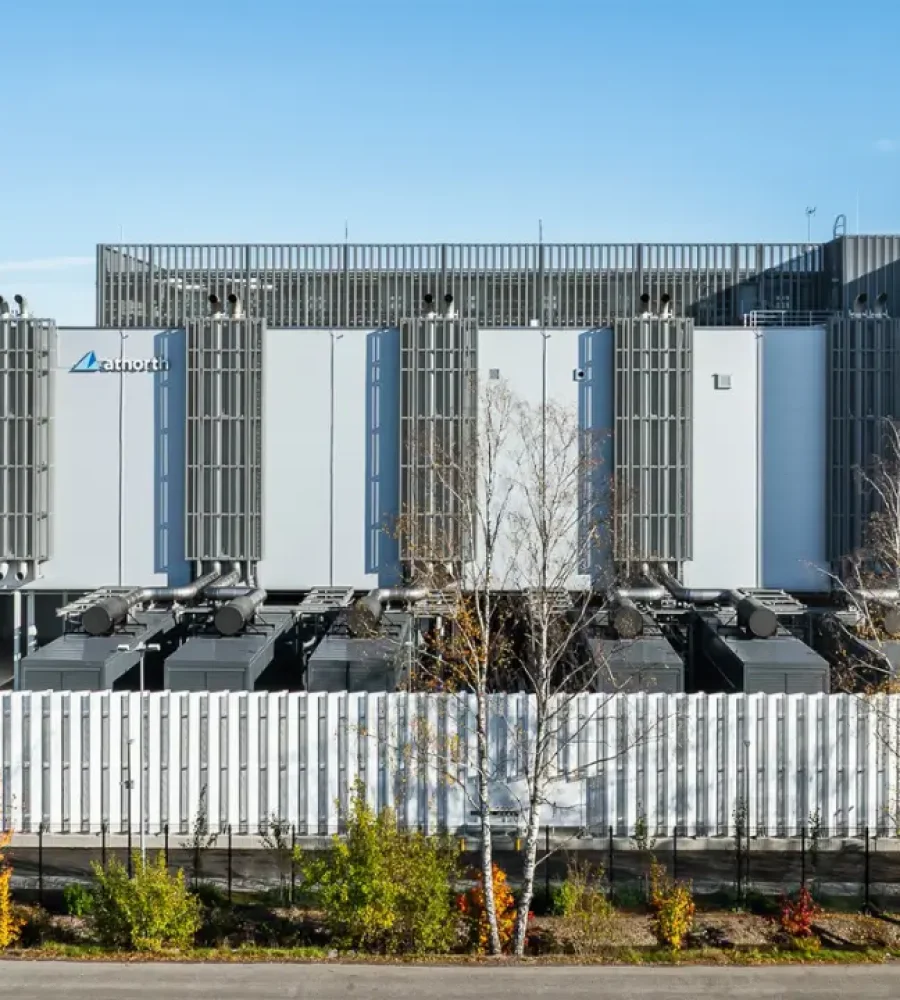
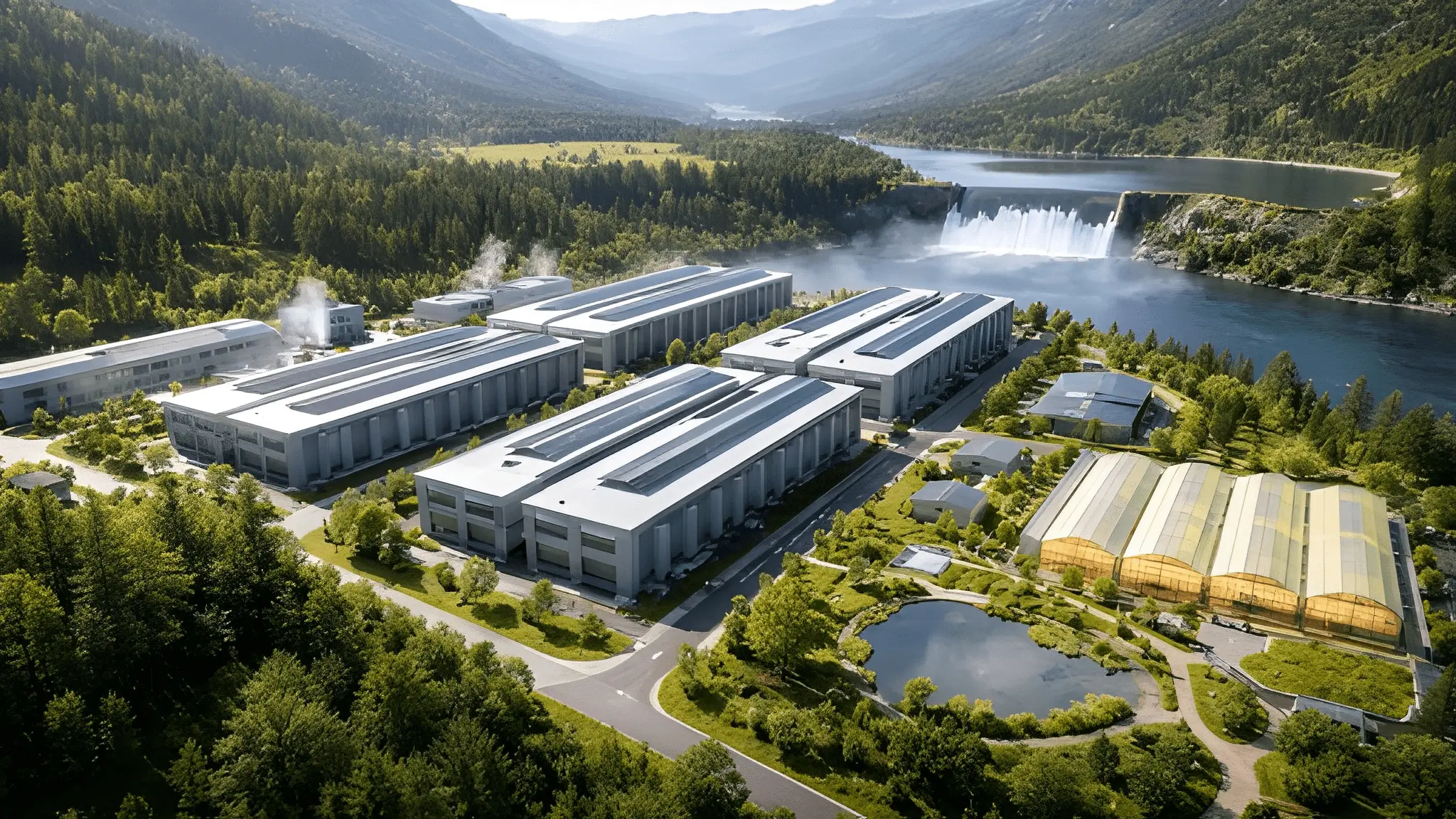
Bitdeer has moved decisively to anchor its European AI footprint, signing a full-scope construction agreement to transform its Tydal site into a 180-megawatt AI data center by December 2026. The project positions Norway as a serious contender in Europe’s race to secure GPU-heavy infrastructure capacity.
Tydal Data Center, Bitdeer’s Norwegian subsidiary, awarded the engineering, procurement, and construction mandate to Data Center Installations AS on March 30. The facility will rise at the Kirkvollen industrial site in Trøndelag, scaling into what could become the country’s largest operational AI data center.
The deal signals more than capacity expansion. It reflects a structural shift: compute providers now prioritize power-aligned geographies over traditional latency hubs. DCI will oversee the project lifecycle from design through commissioning, including ongoing maintenance. This vertically integrated approach reduces execution risk in a market where supply chain volatility continues to derail timelines.
Moreover, DCI operates under Sweden-based Sparc Group AB, which brings cross-border engineering depth across HVAC, electrical systems, and critical infrastructure. That backing gives Bitdeer tighter control over cost predictability and delivery cadence, two factors that increasingly define success in hyperscale AI deployments.
Bjørn Arve Olsen, co-founder at DCI, said the contract represents “a significant milestone for DCI, both financially and operationally,” citing the project’s scale and the execution model’s built-in cost and schedule controls.
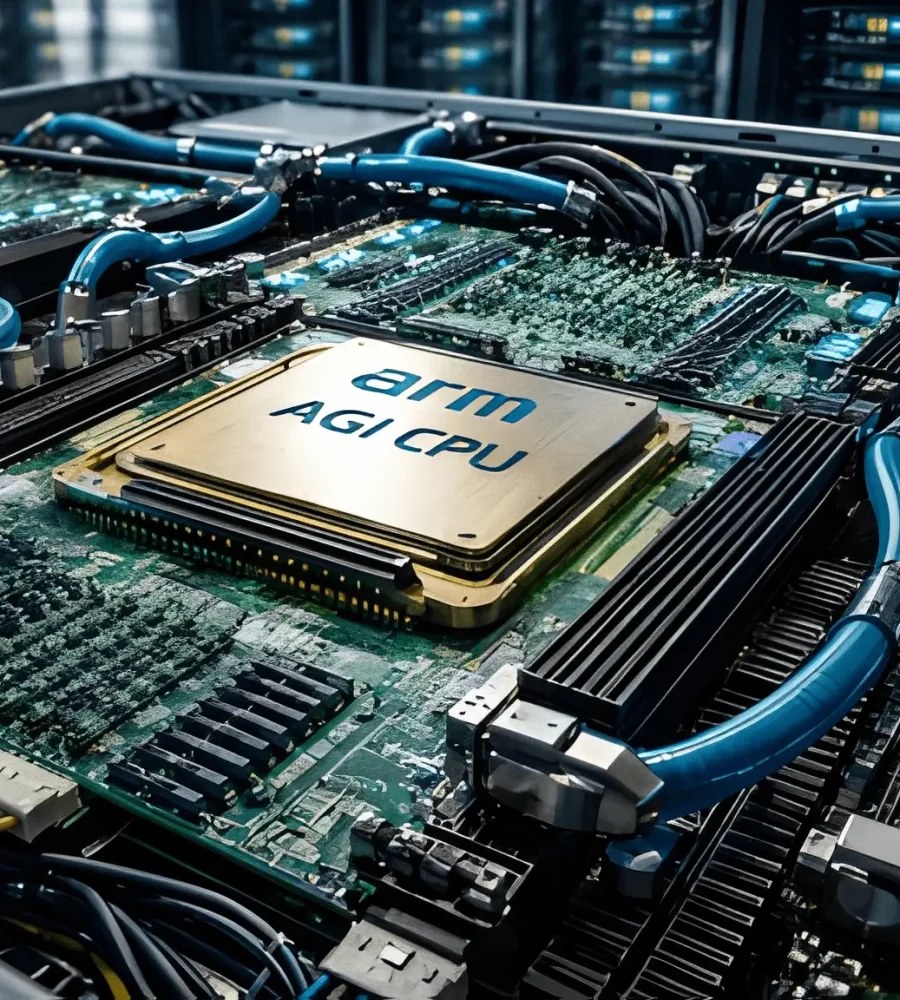
The Tydal facility will deliver 180 MW of gross capacity, configured primarily for AI co-location services. It will follow Nvidia’s reference architecture, built around the Nvidia Vera Rubin GPU architecture.
This design choice reflects a broader industry recalibration. AI workloads no longer tolerate retrofitted environments. Instead, they demand purpose-built infrastructure that can support high-density racks, advanced cooling, and deterministic performance.
Power, Cooling, and Heat Reuse Define Competitive Edge
Customer deployments will begin post-completion, aligning with expected demand cycles for next-generation GPU clusters.
The Tydal site already operates on 100% carbon-free hydroelectric power, giving Bitdeer immediate leverage in Europe’s tightening regulatory environment. However, the project extends beyond clean energy sourcing.
It integrates immersion cooling at scale, enabling higher compute density while reducing thermal inefficiencies. In parallel, the facility will channel excess heat to support food production on adjacent land, an increasingly relevant model as operators face pressure to justify energy use beyond compute output.
Therefore, the project blends sustainability with operational pragmatism, rather than treating them as separate objectives.
Strategic Implications for European AI Capacity
Bitdeer’s transition of Tydal from bitcoin mining to AI compute has unfolded steadily through 2025 and into 2026. The company secured long-lead equipment early and advanced design work ahead of formal construction agreements.
This sequencing reflects a critical industry lesson: waiting for demand confirmation risks missing deployment windows in the AI cycle.
Haakon Bryhni, chairman and co-founder of TDC, said the Tydal conversion is “a cornerstone of Bitdeer’s global strategy to meet the explosive demand for AI data centers.” He described the project as delivering sustainable, capital-efficient growth alongside local economic value.
The pivot also highlights a broader trend: legacy crypto infrastructure is being repurposed into AI-ready environments where power and land are already secured. Norway’s appeal continues to strengthen as AI operators chase scalable, carbon-compliant energy. The country offers abundant hydroelectric power, stable grid conditions, and an established data center ecosystem.
Consequently, Tydal’s expansion reinforces a growing thesis: Europe’s next wave of AI infrastructure will cluster around energy-rich regions rather than traditional digital hubs. If completed on schedule, the facility will not only become Norway’s largest AI data center but also rank among Europe’s most significant by installed capacity. That scale arrives at a moment when GPU demand consistently outpaces available infrastructure across the continent.
Strategic Implications for European AI Capacity
The Tydal project underscores a deeper imbalance shaping the market. GPU innovation continues to accelerate, yet infrastructure deployment struggles to keep pace, especially in power-constrained regions.
Bitdeer’s approach addresses this gap directly. By combining renewable energy access, high-density design, and integrated execution, the company positions itself as a co-location provider for AI-native workloads rather than legacy enterprise demand.
Furthermore, the project strengthens Europe’s sovereignty over compute resources, reducing reliance on external capacity markets. Bitdeer’s 180 MW Tydal facility marks a decisive shift in how and where AI infrastructure gets built. The project aligns power availability, hardware architecture, and execution discipline into a single deployment strategy.
As demand for GPU clusters intensifies, the limiting factor will not be silicon, but the ability to deliver power-ready, scalable environments at speed. In that context, Norway is no longer peripheral. It is becoming central to Europe’s AI compute future.