NTPC Nuclear Expansion Gains Momentum Across Multiple States
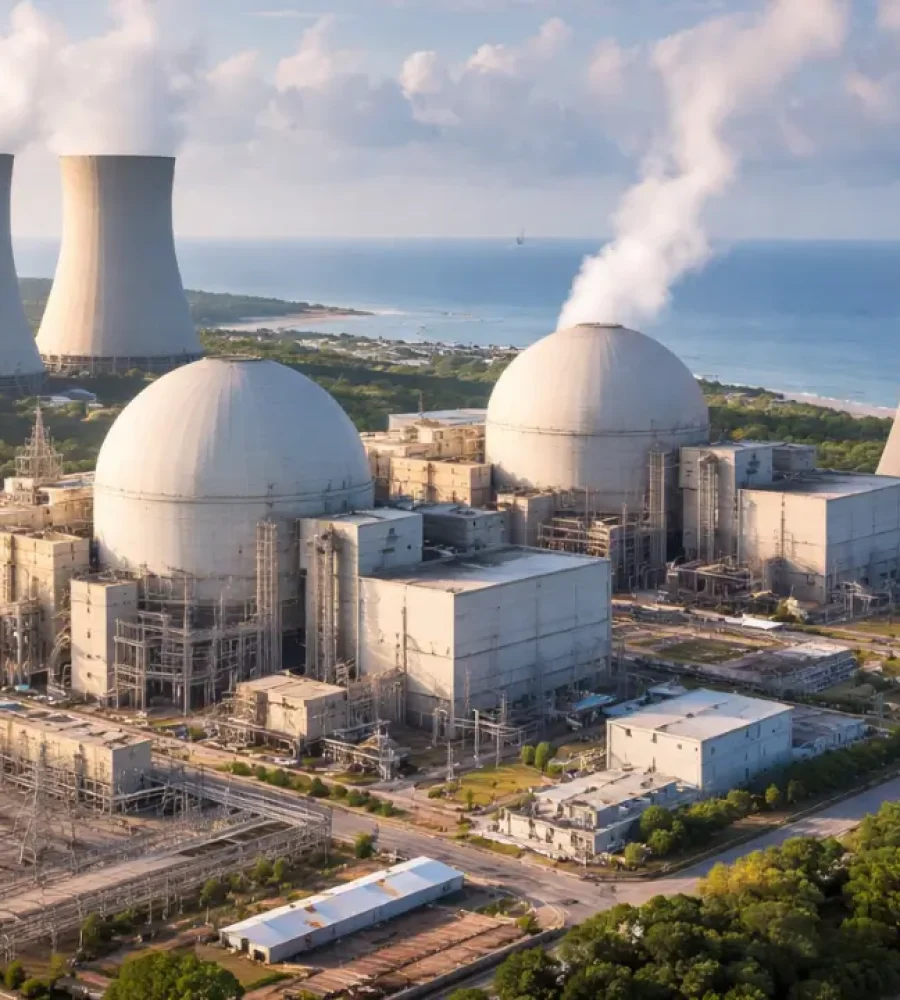
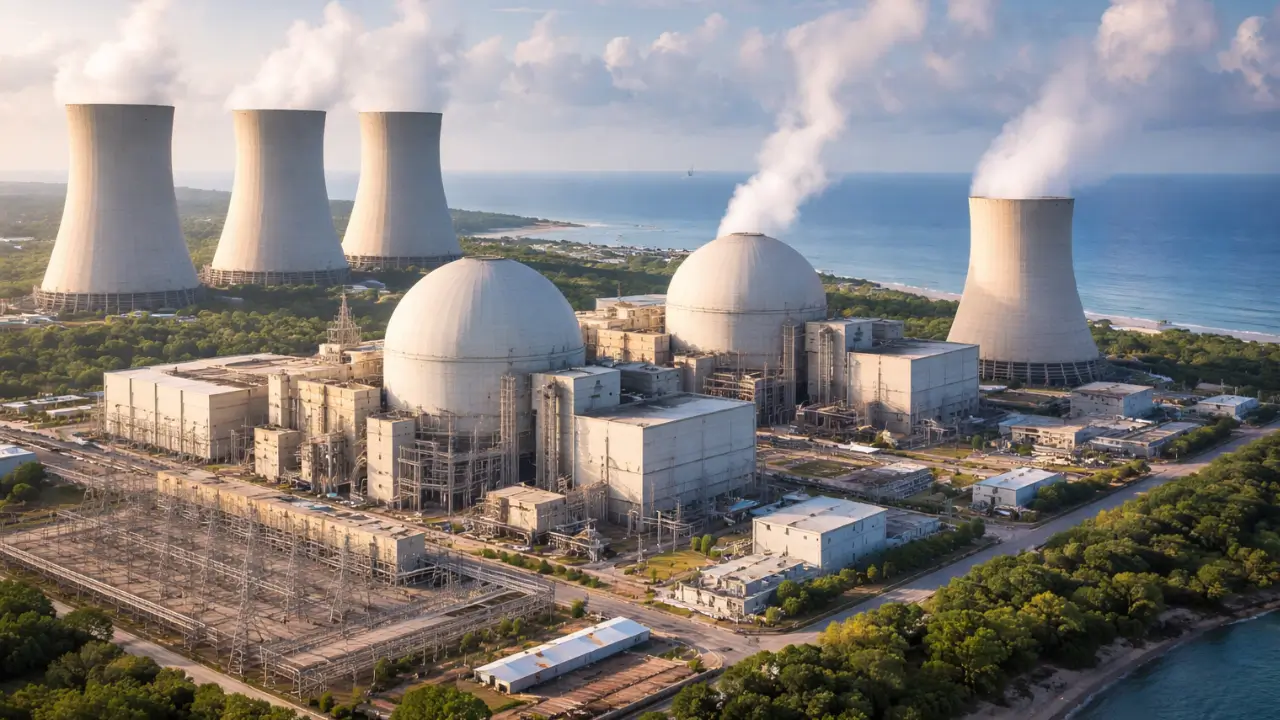
India’s largest power producer, NTPC Ltd, has begun evaluating at least 30 potential locations for future nuclear power projects, according to people familiar with the matter. The initiative forms part of India’s broader effort to scale nuclear capacity to 100 gigawatts by 2047, with NTPC targeting roughly 30% of that total through its own developments.
The shortlisted locations span five to six states, including Madhya Pradesh, Gujarat, and Odisha, the people said. They declined to disclose precise sites, citing the sensitivity of early-stage discussions and the potential for local opposition before regulatory processes begin. The company expects to narrow down the list by mid-year, a step that would allow it to move toward global tenders for large nuclear reactors. NTPC had not responded to a request for comment by publication time, as reported by Bloomberg.
Regulatory Filters Shape NTPC Nuclear Expansion Planning
The potential sites must meet stringent regulatory and technical criteria before construction can proceed. Proposed plants must maintain a minimum distance of one kilometer from residential areas, fall within low seismic zones, and have reliable access to large water sources for cooling requirements. These conditions align with India’s nuclear safety framework and international norms governing reactor deployment.
Such clearances typically involve multiple central and state agencies, making site selection a critical gating factor in the NTPC nuclear expansion timeline. Industry observers note that early compliance with land, safety, and environmental benchmarks reduces execution risk once formal approvals begin.
Policy Changes Aim to Unlock Global Participation
The site evaluation comes shortly after India enacted amendments to its nuclear liability framework, a move intended to address long-standing concerns among foreign equipment suppliers. The earlier regime had deterred several global reactor vendors due to potential financial exposure in the event of accidents.
The revised law seeks to rebalance risk-sharing and has renewed interest from international players that previously remained cautious about the Indian market. Companies that had expressed reservations include General Electric Co, Electricite de France, and Westinghouse Electric Co LLC.
Supplier Engagements Inform Future Reactor Tenders
As India opens its nuclear sector further to overseas participation, NTPC has initiated technical discussions with prospective suppliers, according to the people. These exchanges are expected to shape the specifications and commercial structure of future international bids.
The company has already signed non-disclosure agreements with EDF and Russia’s Rosatom Corp, they said. NTPC is also likely to engage with partners from the United States and South Korea as it broadens its evaluation of reactor technologies and delivery models.
EDF and Rosatom did not immediately respond to emailed questions regarding the discussions.
Portfolio Shift Underpins NTPC Nuclear Expansion Strategy
NTPC and its joint ventures currently operate an installed capacity of 85.6 gigawatts, with nearly 84% generated from coal and natural gas. The company has been steadily adding non-fossil capacity, including hydropower and renewables, to reduce exposure to carbon-intensive assets.
Nuclear power represents a longer-term component of that transition. Unlike intermittent renewable sources, nuclear plants provide continuous baseload generation, which policymakers view as essential for grid stability as electricity demand rises. Within this context, the NTPC nuclear expansion aligns with national energy security objectives while supporting emissions reduction commitments.
Long-Term Timeline Anchored to 2047 Targets
While construction remains several steps away, the current site-scoping exercise marks an early but significant phase in India’s nuclear buildout. Final site selection would precede land acquisition, environmental assessments, and reactor procurement, processes that typically span several years.
By positioning itself early, NTPC aims to synchronize project development with India’s 2047 capacity milestone. The approach reflects a gradual but structured effort to integrate nuclear energy into the country’s evolving power mix, balancing regulatory caution with long-term infrastructure planning.