The global race to build artificial intelligence infrastructure has exposed a growing vulnerability: electricity supply. AI data centers operate under relentless computational demand, drawing immense power loads that conventional energy systems often struggle to deliver reliably. Against this backdrop, NovaChargeX has introduced a patented hybrid regenerative energy system designed to provide continuous, grid-independent electricity for next-generation AI facilities.
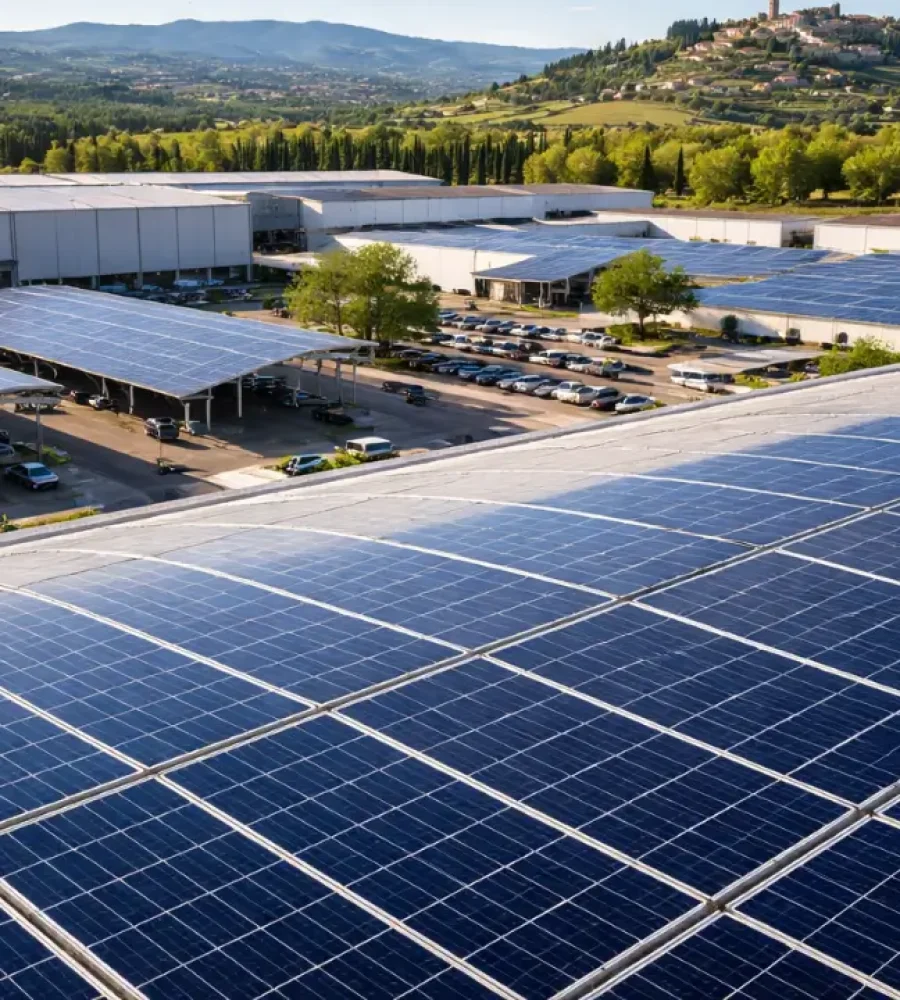
The company positioned the technology as an alternative to existing renewable frameworks that rely heavily on intermittent sources such as solar and wind. While these sources remain central to the clean-energy transition, fluctuations caused by weather conditions, daylight cycles, and storage limitations can complicate the constant energy requirements of large-scale computing environments.
The new platform aims to address those structural limitations. NovaChargeX has engineered the system around a proprietary regenerative synchronization process intended to stabilize electrical loads while internally recovering energy within the system architecture. The design focuses on maintaining uninterrupted power flow regardless of environmental variables.
In effect, the technology seeks to deliver baseload power stability, a capability traditionally associated with fossil fuel or nuclear generation while operating without those fuel dependencies.
Stabilizing Power for AI’s Always-On Workloads
Demand for AI infrastructure continues to accelerate as enterprises, governments, and cloud providers deploy increasingly power-intensive computing clusters. Training advanced machine-learning models and operating inference workloads require dense computing environments that must remain online continuously. Traditional grids often face strain under such persistent loads. Therefore, energy reliability has emerged as a strategic constraint for the next phase of digital infrastructure expansion.
NovaChargeX believes regenerative power architectures could shift how AI facilities approach energy provisioning. By stabilizing energy internally rather than depending on variable external supply, the company argues its system can maintain continuous operational capacity for AI data centers. The announcement comes at a moment when several nations are expanding digital infrastructure as a core component of economic strategy. Countries building sovereign AI ecosystems increasingly view energy security as inseparable from technological competitiveness.
Saudi Arabia’s Vision 2030 program, among others, highlights how large-scale computing investments require parallel innovation in energy systems capable of supporting uninterrupted digital operations.
Engineering for High-Temperature Data Center Environments
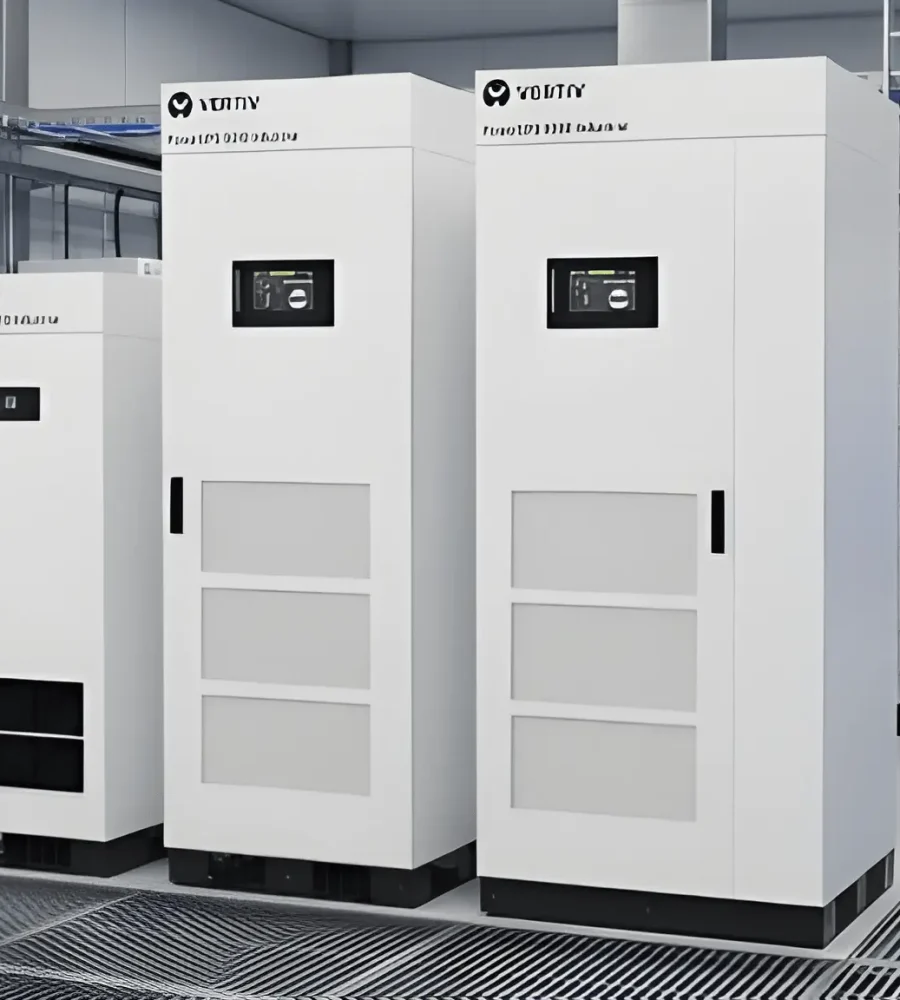
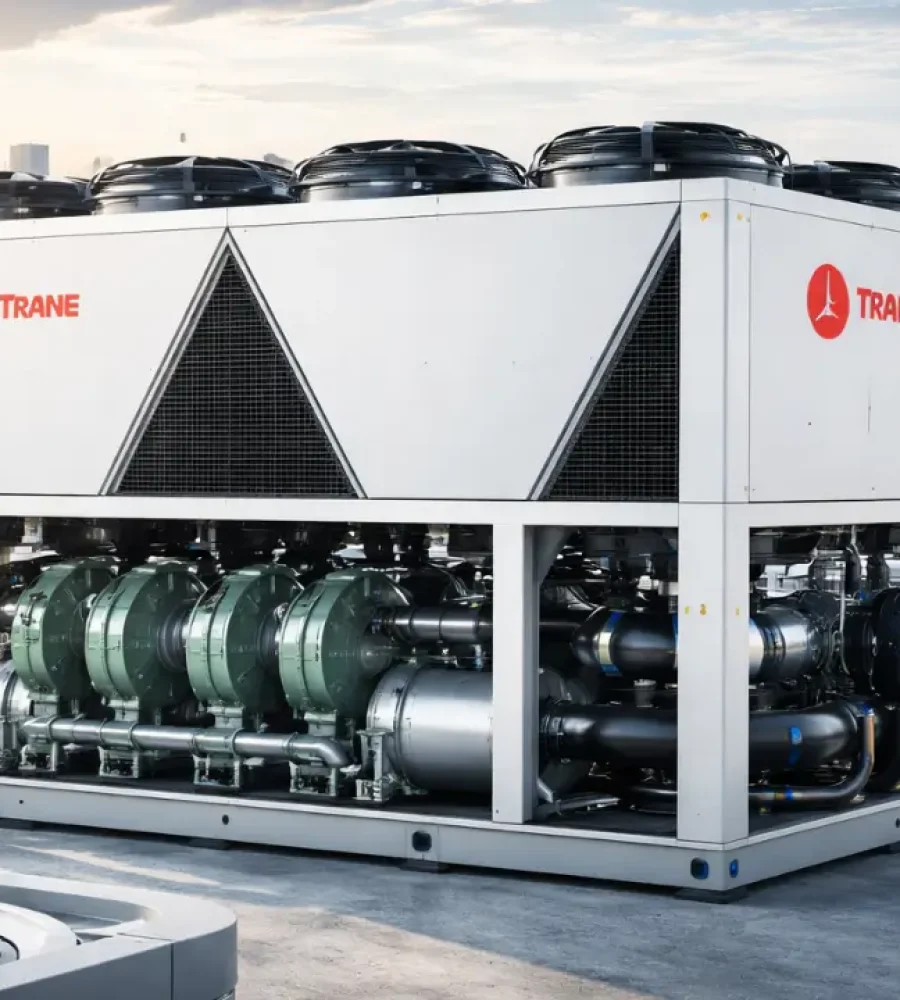
Beyond power stability, NovaChargeX emphasized the engineering resilience built into the platform’s hardware layer. The system incorporates components designed to maintain operational performance in high-temperature environments where conventional power and cooling systems often encounter efficiency challenges.
Such capabilities could become increasingly important as data center development expands into regions with extreme climates or limited cooling infrastructure. The architecture also supports modular deployment models. This enables facilities to operate independent power units without relying on extensive upgrades to centralized electricity networks.
Consequently, developers could deploy AI infrastructure in remote areas, industrial zones, or emerging digital hubs where grid capacity remains limited. This approach may also reduce the lead times typically associated with building high-capacity data centers, which often depend on long permitting and grid-connection processes.
Another defining feature of the system lies in its elimination of fuel-based generators. Traditional backup power solutions for data centers frequently depend on diesel or gas generators to maintain uptime during grid disruptions.
NovaChargeX stated that its regenerative system removes the need for such fuel infrastructure entirely. By doing so, the platform eliminates the carbon emissions tied to generator operation while also removing supply-chain dependencies associated with fuel transportation and storage. For operators, this shift could simplify operational logistics while aligning data center energy strategies with increasingly strict environmental standards.
Strategic Implications for Digital Economies
Reliable power has always underpinned the expansion of computing infrastructure. However, AI’s rapidly escalating power requirements have pushed energy systems into the spotlight as a defining factor in digital competitiveness. Technologies that combine energy stability with low-carbon operation may become critical as countries race to scale advanced computing capacity.
NovaChargeX’s regenerative platform enters this landscape as governments and enterprises search for infrastructure capable of supporting the next wave of AI development.
Moreover, resilient energy architectures could enable the expansion of smart cities, hyperscale data campuses, and sovereign AI platforms without relying solely on traditional grid upgrades. As deployment moves forward, the company indicated that the system could strengthen energy security while enabling more flexible placement of AI infrastructure globally.
If proven at scale, regenerative power systems may reshape the relationship between energy networks and computing infrastructure, an intersection increasingly central to the architecture of the digital economy.