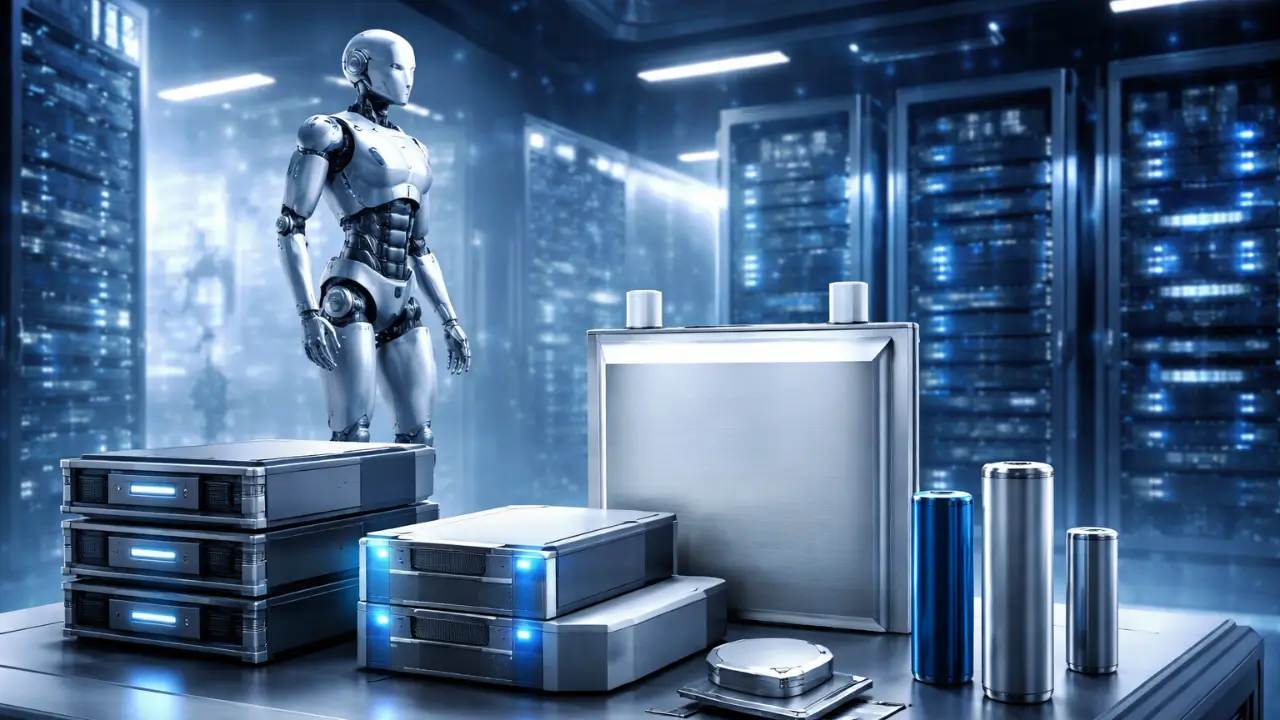
Samsung SDI plans to expand its role in emerging AI hardware markets, unveiling new battery technologies for humanoid robots and AI infrastructure at the upcoming InterBattery 2026.
The company said Monday it will showcase a portfolio of next-generation energy systems built for robotics, AI data centers, and advanced electronics. Under the theme “AI Thinks, Battery Enables,” the battery maker intends to demonstrate how energy storage will shape the next wave of physical AI systems.
Pouch-type solid-state batteries built for humanoid robots
Samsung SDI will debut a pouch-type all-solid-state battery sample engineered specifically for physical AI platforms such as humanoid robots.The battery aims to combine high energy density, strong output, and improved safety within a compact design. Humanoid robots often limit battery installation space to internal compartments such as the chest cavity. Therefore, power systems must balance size constraints with rapid energy delivery.
The new design addresses that challenge by supporting quick bursts of power needed during robotic movement, while maintaining a small footprint suitable for tight internal architectures.
Samsung SDI historically concentrated on prismatic solid-state batteries for electric vehicles. However, the company now plans to expand its form-factor portfolio to serve a broader group of industries, including robotics, aviation systems, and next-generation wearable electronics.
Mass production of the company’s all-solid-state batteries could begin in the second half of next year, according to Samsung SDI.
Batteries designed for AI data center resilience
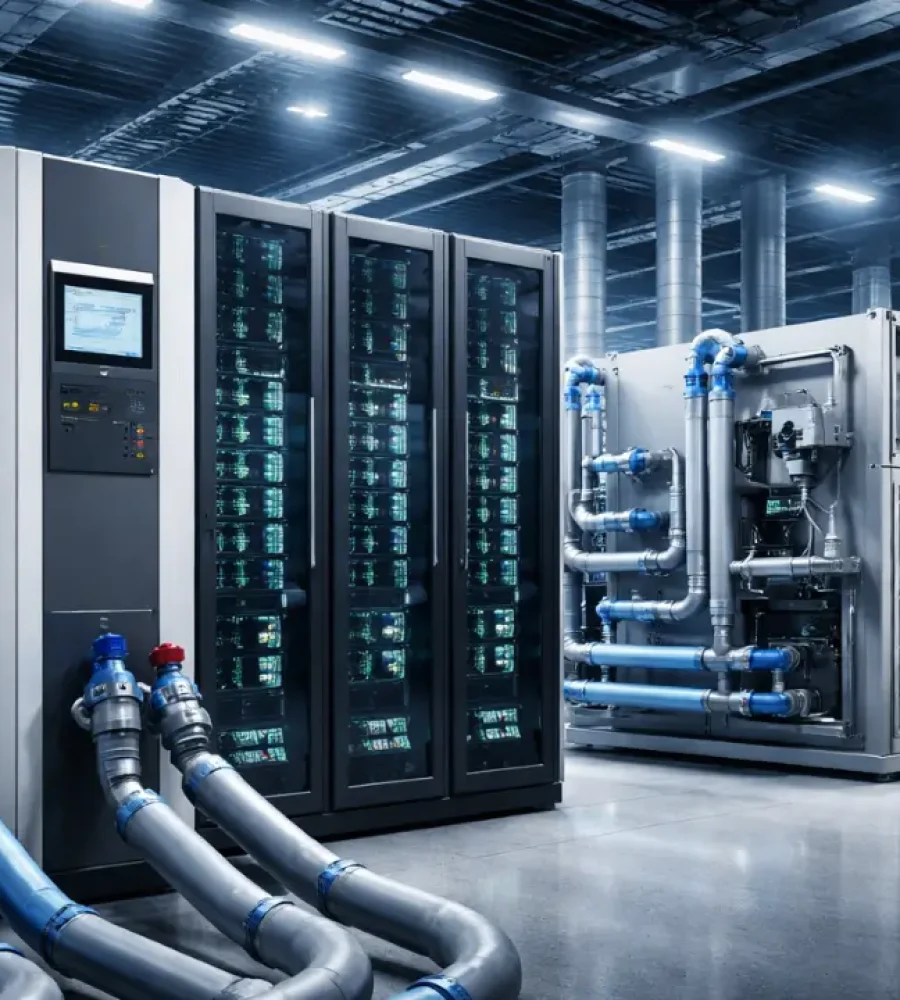
Beyond robotics, Samsung SDI will also highlight battery systems designed for AI data center power infrastructure. One solution, the U8A1 battery, targets uninterruptible power supply (UPS) installations that keep data centers running during grid disruptions.
The battery uses a prismatic form factor paired with a lithium manganese oxide cathode to deliver high output with improved safety characteristics.
Samsung SDI says the design improves space efficiency by 33% compared with conventional products, allowing operators to deploy fewer battery units inside facilities while maintaining backup power capacity.The company will also present a high-power cylindrical battery designed for battery backup units installed directly inside servers.
Built using high-nickel NCA cathode materials, the system responds quickly to sudden power fluctuations and extends standby time during outages. Such server-level batteries help protect workloads from interruptions that could otherwise cause data loss or hardware instability during power disruptions.
AI software platform analyzes battery health
Samsung SDI plans to showcase a broader ecosystem of energy storage technologies as well. The company will present its Samsung Battery Box energy storage systems alongside Samsung Battery Intelligence, an AI-driven monitoring platform.The software analyzes battery health and predicts abnormalities using machine learning models trained on operational data from more than 1,400 energy storage sites worldwide.
The approach reflects a growing trend in energy infrastructure: combining battery hardware with AI-based predictive maintenance. Samsung SDI will also introduce a next-generation prismatic battery featuring an energy density of 700 watt-hours per liter, among the highest levels currently reported in the battery sector.
The company says the technology could enable electric vehicles to reach up to 800 kilometers of driving range on a single charge.
Strategic push into AI infrastructure
The announcements highlight how battery makers now target markets beyond electric vehicles. As AI infrastructure expands from humanoid robotics to hyperscale compute, energy systems must support high-density electronics, sudden power spikes, and reliability-critical operations.
For Samsung SDI, InterBattery 2026 offers a stage to position battery technology as a foundational layer of the AI economy. In that vision, compute may drive intelligence, but batteries determine how far it can move, operate, and scale.