
A sovereign AI-powered national digital ecosystem is set to be jointly developed by Timor-Leste and Malaysia-based technology firm Zchwantech. The initiative is being positioned as a cornerstone of Timor-Leste’s Timor Digital 2032 roadmap, with an emphasis on secure infrastructure, national data control, and long-term digital resilience. Through this collaboration, digital systems are expected to be modernized while national sovereignty is preserved.
The partnership was announced following a senior delegation visit to Kuala Lumpur. It marks a significant step in Timor-Leste’s broader effort to establish future-ready digital foundations that support inclusive economic growth. As digital transformation accelerates globally, the project is being framed as a strategic move to ensure national systems are built with security and autonomy at their core.
Advancing a Sovereign AI-Powered National Digital Ecosystem
Under the proposed collaboration, Zchwantech will support the design and deployment of a sovereign AI-powered national digital ecosystem tailored to Timor-Leste’s development goals. According to Zchwantech Chairman Datuk Seow Gim Shen, the company’s role will span infrastructure, cybersecurity, artificial intelligence platforms, and governance frameworks. These components are intended to function together to strengthen national digital capacity while protecting sensitive data.
In addition, resilience and long-term nation-building have been highlighted as guiding principles. By focusing on sovereign systems, reliance on external platforms is expected to be reduced. As a result, greater control over national data and digital services would be retained.
Capability-Building and Technology Transfer
Beyond infrastructure, skills development has been identified as a central pillar of the initiative. Zchwantech Executive Director Alex Chan stated that technology transfer and operational training will be prioritized. Through close collaboration with Timor-Leste’s institutions, local teams are expected to be prepared to operate and manage the systems independently.
This approach is intended to ensure sustainability over time. Rather than short-term deployment, continuous improvement and scalability are being emphasized. Consequently, national ownership of the digital ecosystem would be strengthened.
Sovereign AI Cloud and Data Center Plans
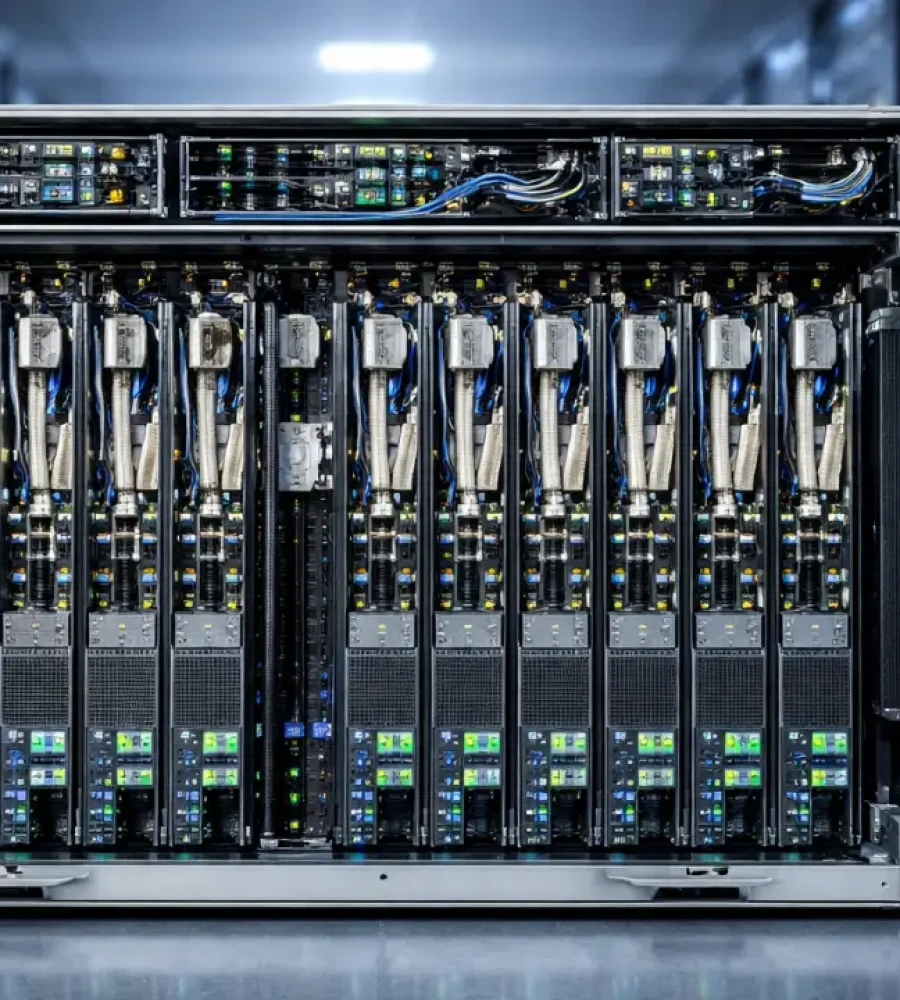
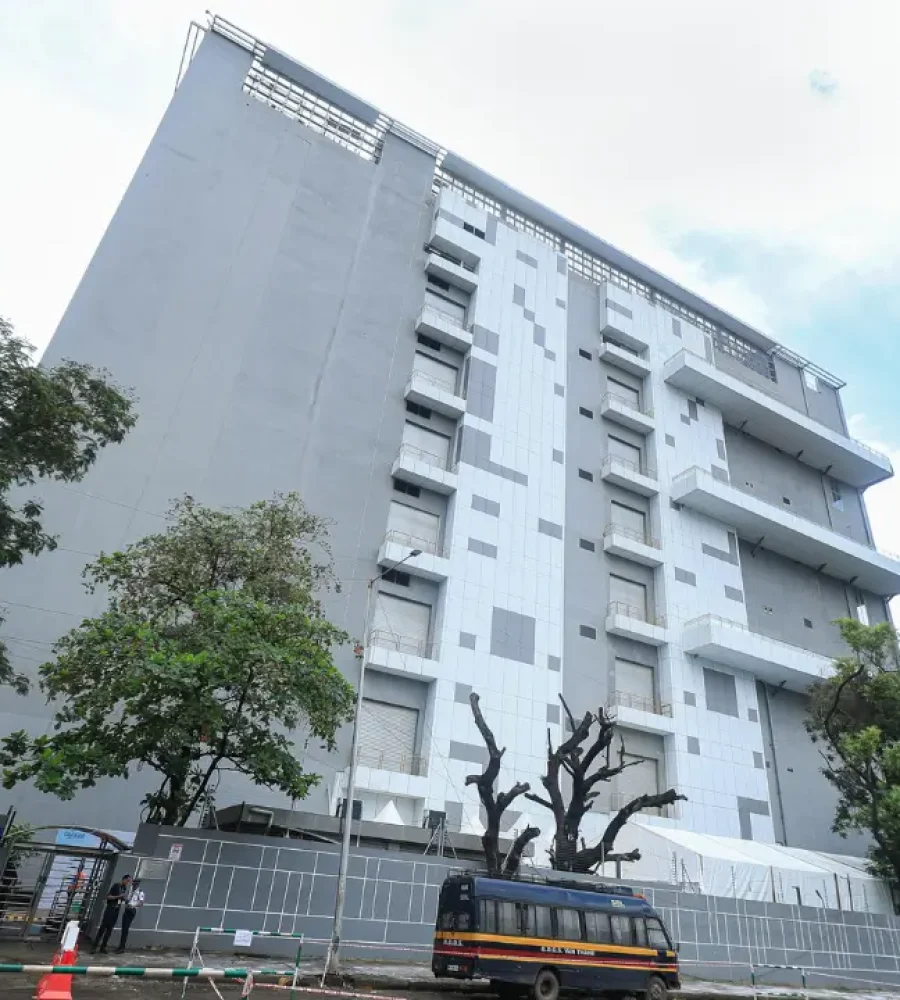
As an initial phase, a feasibility assessment will be conducted for a National Sovereign AI Cloud and Data Center. The facility is being designed to meet Tier 3+ standards and would be located within Timor-Leste. If developed, the data center would serve as the backbone for national digital services.
Importantly, the proposed infrastructure is intended to support cybersecurity, operational reliability, and data sovereignty. By hosting sensitive data domestically, exposure to external risks could be reduced.
Digital Identity and Smart Border Systems
Building on the cloud foundation, the collaboration will also explore an AI-enabled National Digital Identity platform. Advanced biometrics and artificial intelligence would be integrated into the system. The Digital ID is envisioned as a single, secure access point for public services, social programs, and financial platforms.
At the same time, smart border management solutions are being evaluated. These include automated e-Gates, biometric authentication, and predictive analytics. Together, these technologies are expected to strengthen border security while improving traveler flow and tourism experiences.
Expanding into Public Services and Trade
In later phases, cooperation could extend into broader public service innovation. Areas under consideration include smart healthcare systems, AI-optimized agricultural logistics, predictive maintenance for public assets, and personalized digital education tools.
In parallel, a Digital Trade Facilitation Corridor may be assessed. This would include a National Single Window and AI-powered logistics platforms aimed at simplifying customs procedures, lowering trade costs, and improving cross-border efficiency.
Aligning with Timor Digital 2032
Benigno Humberto Gregorio Da Cruz, Chief of Staff for the Minister of State Administration, described the initiative as a pivotal moment in Timor-Leste’s digital journey. According to Da Cruz, technology is being positioned as a driver of equitable development. The partnership with Zchwantech was characterized as a strategic step toward building sovereign digital capabilities that directly support citizens and advance the Timor Digital 2032 vision.
As implementation discussions continue, the sovereign AI-powered national digital ecosystem is being framed as a foundation for long-term national transformation rather than a standalone technology project.