Designed by Freepik
The statement by UAE Minister of Energy and Infrastructure, Suhail Al Mazrouei, confirming that Artificial Intelligence (AI) could reduce the nation’s overall energy use by over 30 per cent, is a pivotal declaration that we believe outlines a sophisticated strategy to solve a global dilemma: powering technology’s own intense demands. It is a clear national playbook for generating excess capacity to fuel the country’s accelerated push to become a global AI hub.
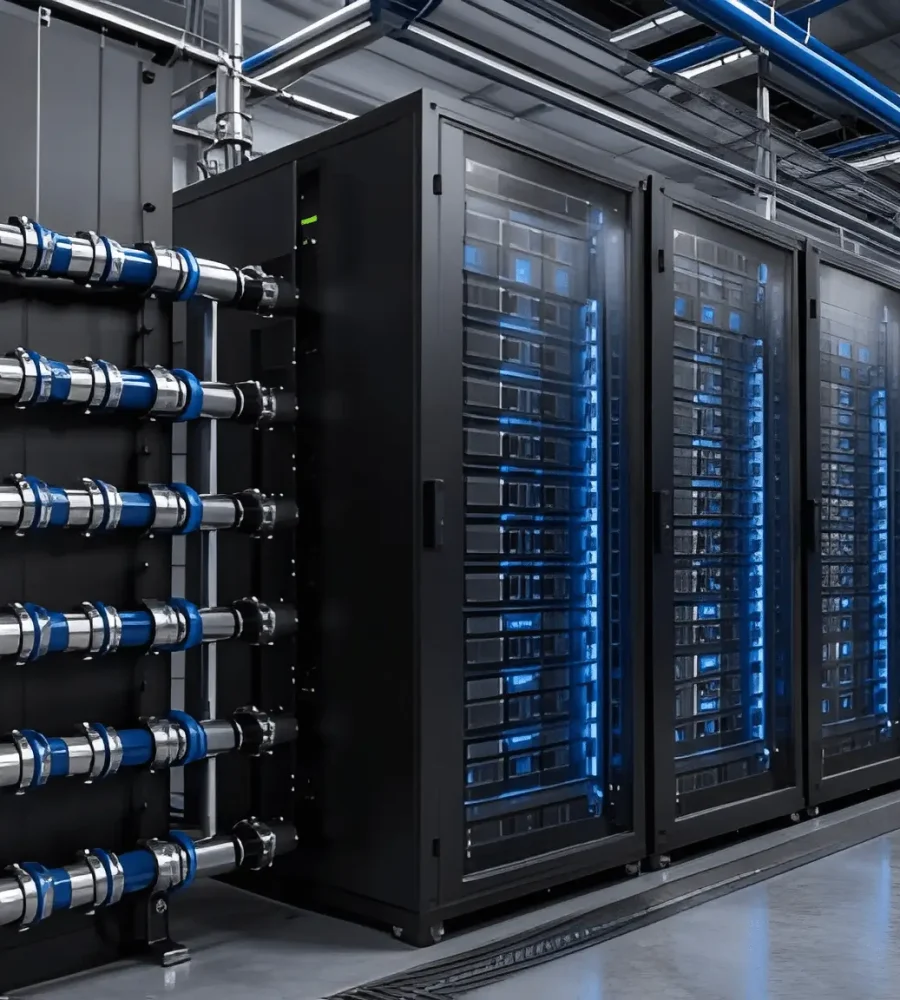
In our understanding, the UAE is acutely aware of the energy paradox presented by AI. While the country is accelerating investment in power-hungry data centers and high-performance computing to anchor its AI economy, it recognizes that traditional energy demand in the MENA region is already surging, expected to increase by 50 per cent by 2035.
The solution, as articulated by Mr. Al Mazrouei at Abu Dhabi Finance Week, is the aggressive deployment of smart energy management. He cited successful pilot projects in federal buildings like schools and hospitals, where AI has managed cooling, lighting, and energy flows, resulting in verifiable reductions of between 28 and 30 per cent in electricity and water consumption.
“If a country’s total consumption is cut by 30 per cent, that capacity becomes available to meet the needs of AI and future industries.”
We interpret this “saving” as a strategic way to bypass the need for massive, immediate grid expansion solely for AI. The minister’s confidence, “It’s scalable to a city, to a country”, suggests a mandate to implement this efficiency nationwide, effectively creating a substantial, green source of power by eliminating human inefficiency.
The UAE’s approach is a compelling one, combining two elements we view as essential for sustained energy leadership:
- Demand Reduction via AI: Using AI to manage and reduce current consumption.
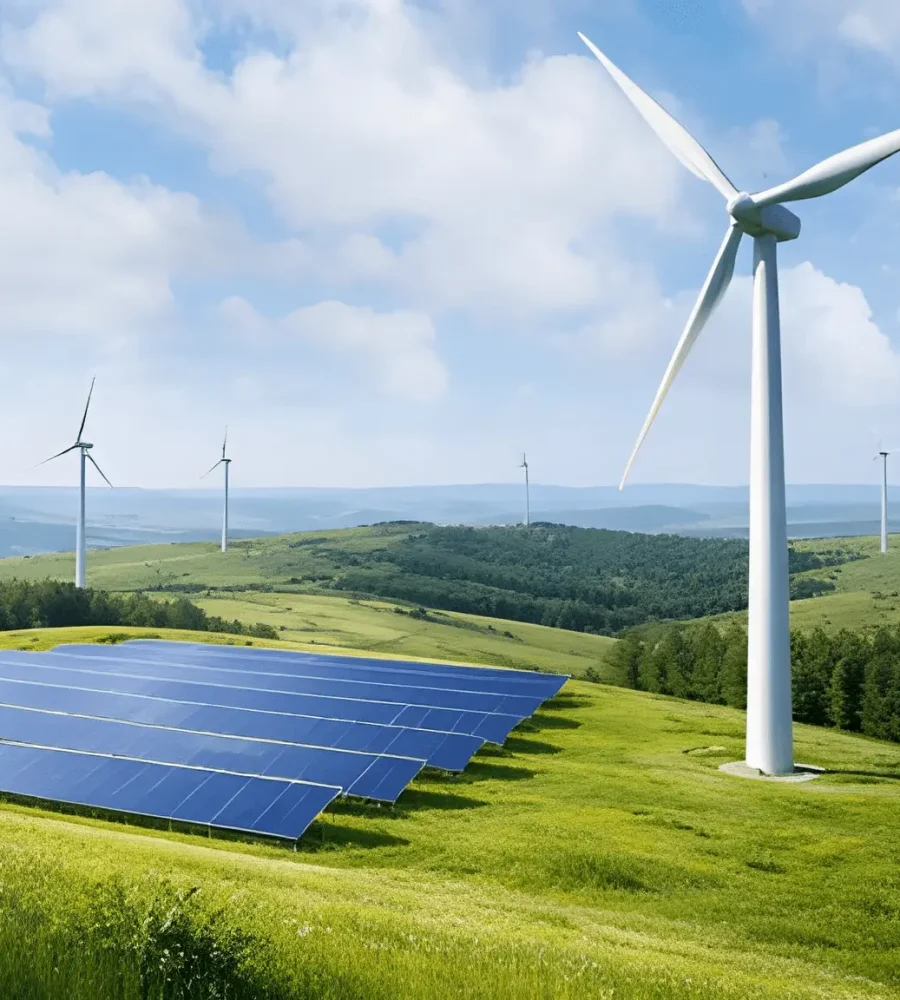
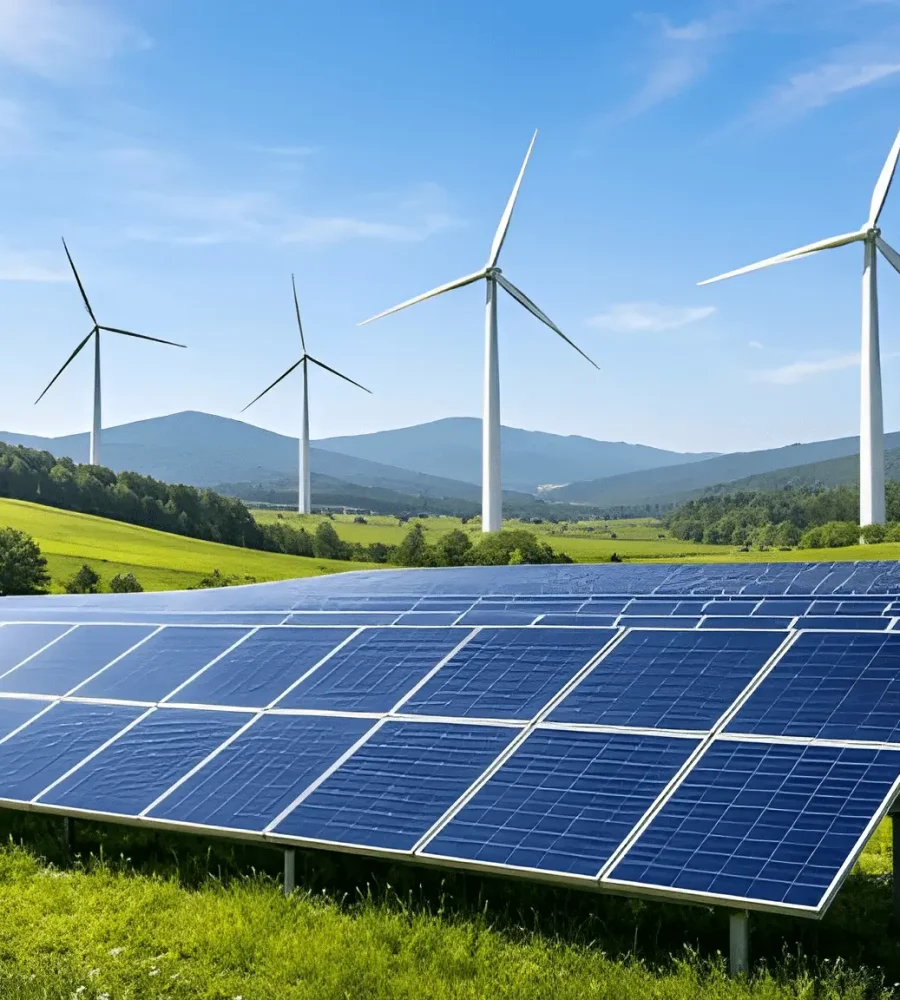
- Renewable Generation at Scale: The concurrent launch of a $6 billion project combining 5 GW of solar capacity with 19 GWh of battery storage for round-the-clock 1 GW of renewable energy.
Mr. Al Mazrouei emphasized that this dual strategy, generating renewables while cutting consumption via AI, places the UAE ahead of global competitors. We think he is correct- many nations are failing to adequately invest in efficiency, instead focusing solely on costly grid upgrades or replacing old energy systems. The minister rightly points out that the failure to reduce the “inefficient and uneconomical side” of power generation is “money that is burnt every day.”
His warning is clear: “Those who don’t invest in AI, in my view, they will be behind.” This confirms our belief that AI is now considered a key, non-negotiable tool for both managing demand and unlocking new supplies, integrated alongside traditional hydrocarbons and renewables.
Regarding regional competition in the AI space, we note the minister’s diplomatic assessment that the GCC remains “friends” and that competition that attracts talent and capital is ultimately “very good news” for the entire bloc. This suggests that while rivalry exists, the overarching goal of establishing the region as a global technology player supersedes internal strains, benefiting the broader economy.