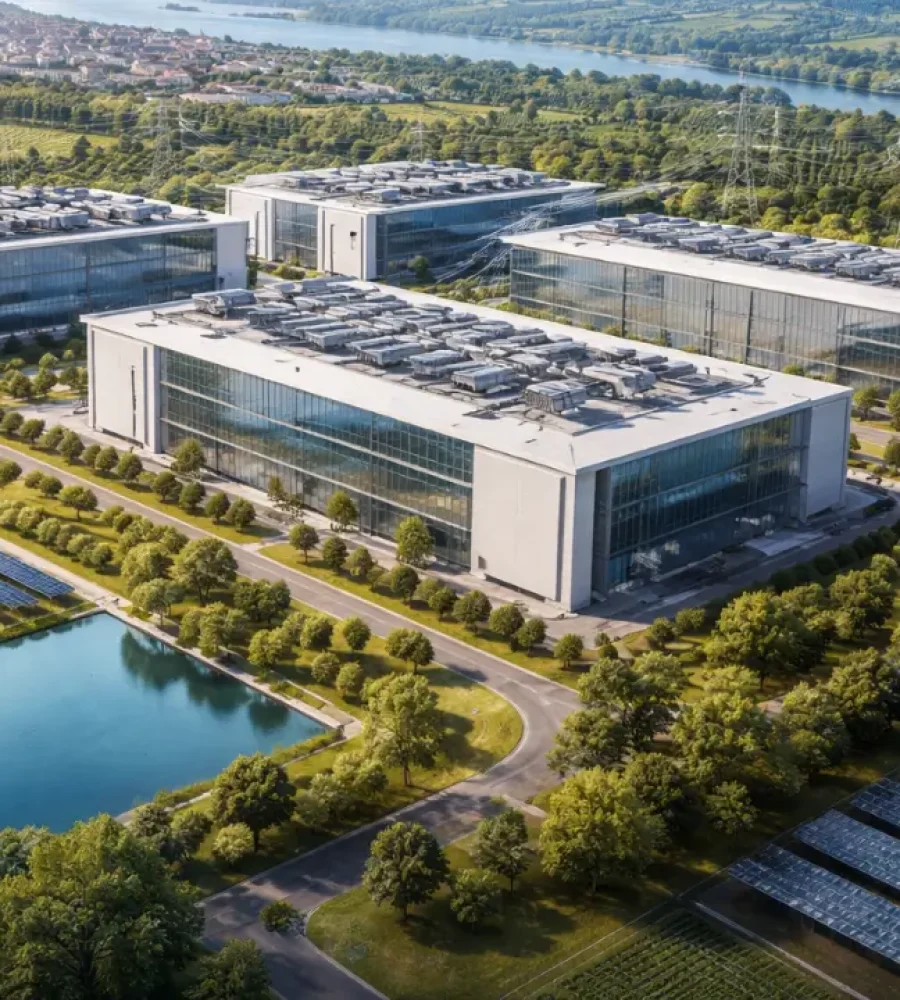
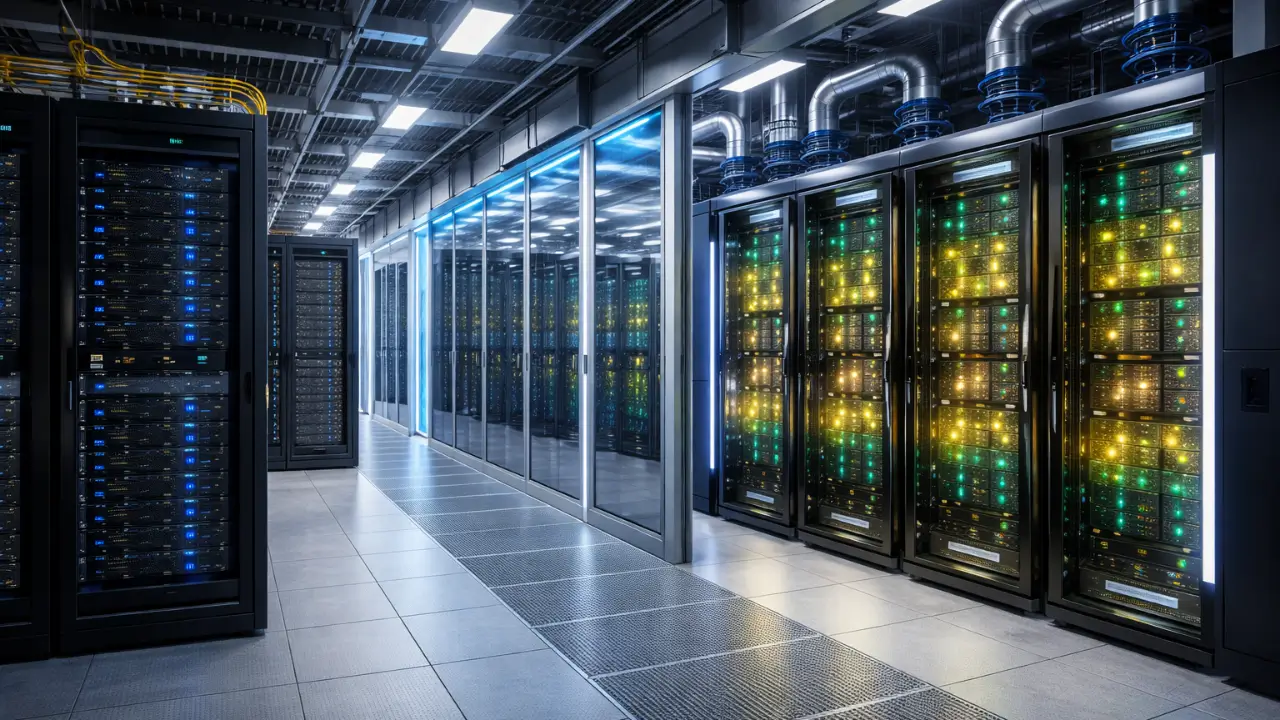
Traditional data halls emerged during a period when most enterprise IT environments deployed hardware with relatively predictable power and thermal profiles. Standard rack configurations often operated within similar power ranges, which allowed architects to design large halls using repetitive layouts and consistent infrastructure modules. Designers could replicate rows of racks with identical cooling airflow patterns, electrical distribution pathways, and maintenance corridors without introducing major operational constraints. That uniformity simplified capacity planning because workloads rarely produced extreme variations in rack density or thermal output. Modern artificial intelligence infrastructure has disrupted that assumption as accelerators, high-bandwidth networking, and large training clusters introduce dramatic differences between rack configurations. Consequently, architects now face environments where one rack may consume several times more power and produce significantly higher heat loads than the rack beside it.
Compute platforms built for machine learning training rely heavily on GPUs and other accelerators that dramatically increase both compute intensity and hardware density within a rack. High-performance servers often include multiple accelerators connected through high-speed interconnects, and these components concentrate enormous processing capability within a confined physical footprint. Such configurations generate thermal profiles that traditional air-cooled hall designs struggle to manage because airflow strategies assumed consistent rack loads across the room. Hardware weight also increases as systems integrate multiple GPUs, larger power supplies, and extensive networking hardware within a single chassis. Facilities designed around homogeneous infrastructure cannot easily adapt when some racks demand dramatically different cooling performance and structural support. Operators therefore encounter inefficiencies when attempting to operate mixed workloads within halls designed for uniform conditions.
Operational risk rises when high-density compute clusters share infrastructure with conventional enterprise systems in the same environment. Cooling systems calibrated for moderate rack loads may struggle to maintain thermal stability when localized hotspots emerge near accelerator clusters. Service teams also encounter complications when maintenance procedures must accommodate equipment with very different cabling density, airflow requirements, and access needs. Facility managers cannot rely on traditional planning assumptions because rack power levels now span a wide spectrum across modern computing environments. Infrastructure teams therefore need architectural approaches that recognize the diversity of hardware density rather than forcing everything into identical layouts. That shift marks a fundamental departure from the uniform data hall concept that dominated enterprise infrastructure for decades.
The Rise of Density Tiers Inside Modern Data Centers
Architects increasingly organize modern facilities around multiple infrastructure layers that reflect the wide spectrum of compute intensity across digital workloads. Instead of building halls with identical rack environments, operators now create segments tailored to specific hardware characteristics and operational requirements. Standard enterprise workloads still occupy areas designed for conventional rack densities and predictable airflow patterns. AI training clusters, by contrast, require zones that accommodate far greater power density and significantly higher heat output. Some hyperscale environments even introduce dedicated sections for extremely dense accelerator racks that support large training models and advanced simulation workloads. This segmentation strategy enables facilities to match infrastructure capabilities directly with the operational demands of each workload category.
Three broad categories of rack density have begun to appear across advanced digital infrastructure environments. Conventional enterprise racks support typical application servers, storage arrays, and networking equipment that operate within moderate power ranges. GPU-accelerated clusters occupy a second category where systems host multiple accelerators and high-performance networking components designed for parallel compute tasks. Ultra-dense training infrastructure forms the third tier where racks house extremely powerful servers designed to process large machine learning models. These tiers introduce significantly different thermal characteristics, physical weight profiles, and service requirements across the same facility. Architects therefore create distinct operational environments that align infrastructure with the technical needs of each tier.
Segmentation also improves operational control because facility teams can optimize environmental parameters for each density tier without affecting the rest of the building. Dedicated infrastructure zones allow cooling strategies to focus precisely on areas where accelerators generate the greatest heat output. Maintenance operations also benefit because technicians can plan service access around the specific hardware deployed within each zone. Capacity planning becomes more predictable since each tier follows its own infrastructure design assumptions and performance limits. Resource allocation across the facility therefore becomes more structured and manageable for operators. This approach reflects a growing consensus that diverse compute environments require infrastructure built around differentiated operational zones.
Zoning the Data Hall: Separating AI Clusters from Traditional Workloads
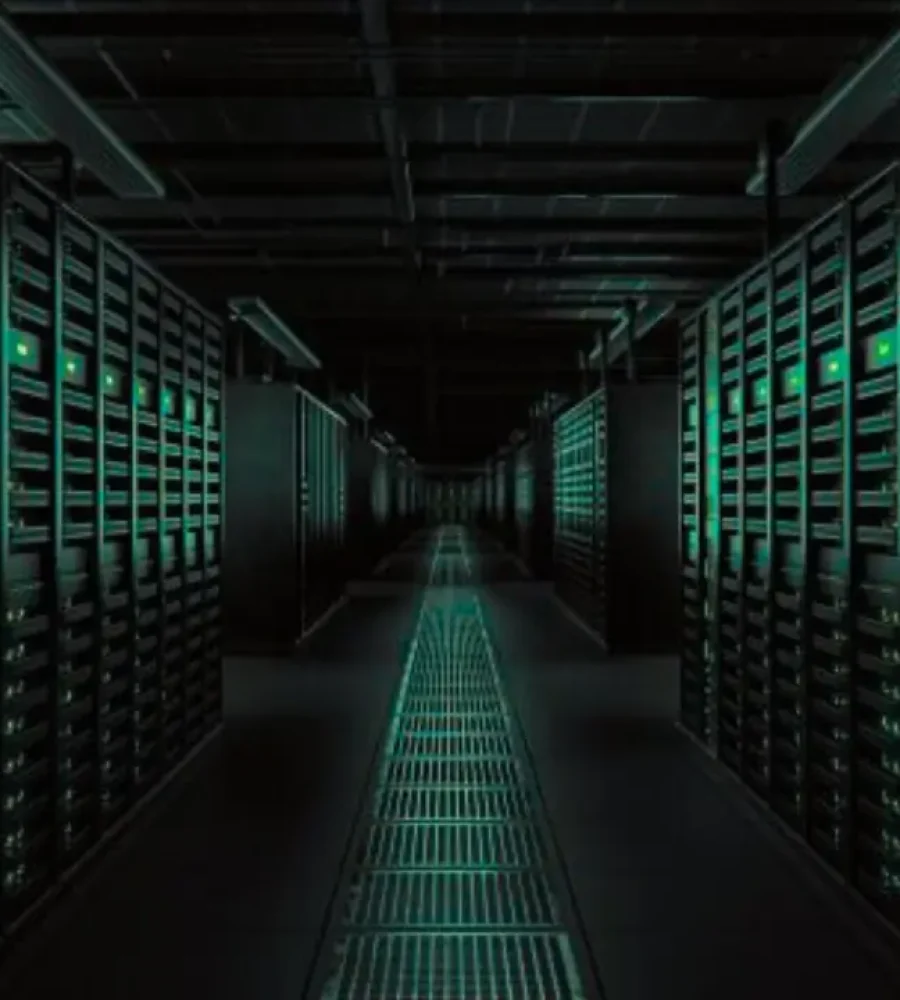
Physical separation plays a crucial role in modern facility layouts because accelerator clusters introduce operational characteristics that differ substantially from conventional enterprise systems. Architects now divide large halls into defined sections where hardware with similar density profiles operates within the same physical environment. These sections often appear as dedicated aisles or cluster pods designed specifically for high-performance compute workloads. Each zone maintains infrastructure tailored to the hardware deployed inside that space, which simplifies operational management across the facility. Technicians can quickly identify which areas contain accelerator clusters and which support conventional enterprise workloads. This structured approach reduces the complexity that arises when diverse hardware types share identical infrastructure conditions.
Cluster pods have emerged as a practical design pattern for organizing accelerator-heavy systems within modern facilities. A pod groups multiple racks dedicated to high-performance computing workloads within a clearly defined layout area. Networking infrastructure often concentrates within the same zone because accelerator clusters rely on high-bandwidth interconnects that link multiple servers together. Cabling pathways, airflow direction, and service corridors align with the operational needs of the cluster rather than the rest of the hall. Such arrangements help technicians maintain complex accelerator systems without disrupting neighboring enterprise workloads. The pod model also simplifies expansion because operators can replicate the same configuration when new compute clusters arrive.
Architectural zoning also supports long-term infrastructure evolution as organizations expand AI capacity within existing facilities. Data center operators can gradually convert sections of a hall into accelerator zones without redesigning the entire building. This flexibility allows infrastructure teams to respond to shifting workload demands as artificial intelligence adoption grows across industries. Facility designers frequently allocate expansion space within these zones so that new racks can join the cluster without disrupting surrounding infrastructure. Such planning ensures that accelerator environments can scale alongside compute demand while maintaining operational stability. However, zoning strategies must remain flexible because hardware density continues to evolve as new accelerator architectures reach the market.
Cooling Corridors for High-Density AI Zones
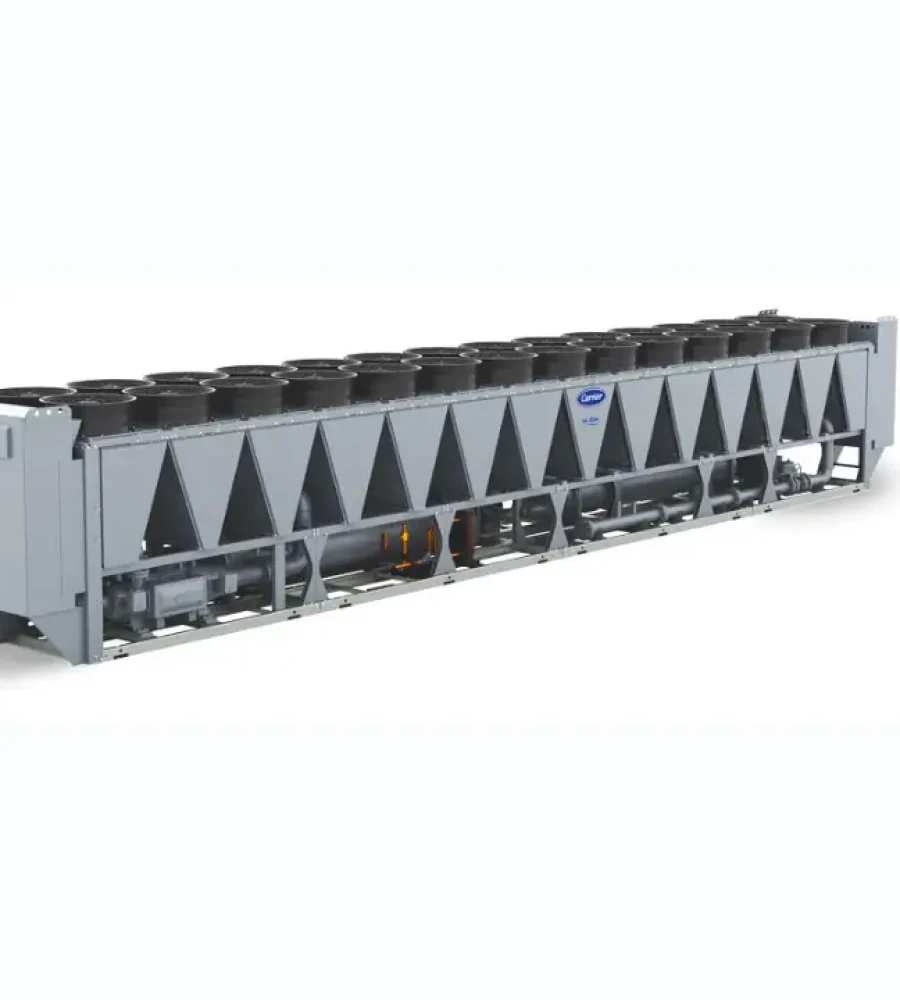
Thermal management strategies increasingly focus on isolating high-density accelerator zones from the airflow patterns that support conventional racks. Engineers often establish dedicated cooling corridors that deliver concentrated airflow directly to areas where GPUs generate the most heat. These corridors align with rack rows designed specifically for accelerator hardware, ensuring that cooling resources target the most demanding workloads. Isolation prevents high-density clusters from disrupting the temperature stability required by other systems operating within the same facility. Air containment techniques further reinforce this separation by controlling the direction and movement of airflow within the zone. Such arrangements allow operators to maintain consistent thermal performance even as compute density continues to increase.
Containment strategies also play a significant role in managing airflow within accelerator-focused zones. Engineers frequently deploy hot-aisle or cold-aisle containment structures that isolate thermal streams produced by high-density racks. These structures prevent heat generated by accelerator clusters from spreading into neighboring sections of the hall. Controlled airflow paths allow cooling systems to operate with greater precision because conditioned air reaches the hardware that needs it most. Containment designs also support airflow predictability, which simplifies environmental monitoring across complex compute environments. Moreover, containment reduces the risk of localized thermal spikes that could compromise sensitive hardware.
Environmental monitoring technologies complement these cooling strategies by providing real-time visibility into temperature conditions across each zone. Sensors distributed throughout accelerator corridors track temperature variations and airflow behavior across the cluster environment. Facility management systems analyze this data to ensure that thermal conditions remain within the operational limits defined by hardware vendors. Operators can respond quickly if localized hotspots begin to form near high-density racks. Data gathered from monitoring systems also informs future infrastructure planning by revealing how accelerator clusters interact with existing cooling layouts. Meanwhile, engineering teams continue refining corridor designs as accelerator hardware evolves toward even higher compute density.
Structural and Spatial Planning for High-Density Infrastructure
The physical structure of a facility must accommodate the substantial weight and spatial demands introduced by modern accelerator systems. GPU-heavy servers contain large cooling assemblies, power components, and networking modules that increase the overall mass of each rack. Raised floor systems and structural supports therefore require evaluation to ensure they can sustain the load created by dense hardware deployments. Architects frequently reinforce certain sections of a facility where accelerator clusters will operate. These reinforcements protect structural integrity while enabling the deployment of racks designed for high-performance computing workloads. Careful structural planning ensures that facilities remain safe and stable even as hardware density continues to increase.
Spatial layout planning also changes significantly when accelerator clusters become a central component of facility operations. Dense racks require wider service corridors to allow technicians access to complex cabling systems and hardware components. Accelerator servers often contain numerous high-speed networking links that connect systems across the cluster. Cable management pathways therefore need careful design to prevent congestion and maintain reliable network performance. Service teams must reach equipment quickly because downtime within compute clusters can disrupt large training workloads. Therefore, architects design maintenance pathways that allow technicians to operate efficiently within these specialized environments.
Maintenance accessibility represents another important consideration in dense compute environments. Accelerator clusters require frequent monitoring, firmware updates, and hardware servicing due to their complex architecture. Technicians need sufficient working space around racks to safely replace components or manage high-density cable bundles. Facilities that originally supported uniform rack layouts often lack the spatial flexibility required for these operations. Infrastructure planners now incorporate dedicated service zones and staging areas within accelerator sections of the hall. These design choices ensure that operations teams can maintain advanced compute infrastructure without interrupting neighboring workloads.
Density-Tiered Data Centers Become the New Industry Standard
Artificial intelligence infrastructure continues to reshape the architectural foundations of modern digital facilities. Traditional halls built around uniform rack environments cannot efficiently support the wide spectrum of hardware densities now entering production environments. Segmented layouts allow infrastructure teams to align cooling, structural design, and spatial planning with the needs of each workload category. Accelerator clusters benefit from dedicated environments that provide the physical and operational conditions required for high-performance computing systems. Conventional enterprise workloads still operate effectively within standard infrastructure zones that maintain familiar design principles. This architectural shift reflects a broader transformation in how facilities evolve to support increasingly diverse compute environments.
Infrastructure segmentation will likely define the next generation of large-scale computing environments as organizations expand artificial intelligence capabilities across industries. Facility designers now consider workload diversity as a central factor in every stage of planning, from layout strategy to thermal architecture. Data halls increasingly resemble structured ecosystems where different compute environments coexist within specialized zones. This model provides the flexibility required to integrate emerging accelerator technologies without destabilizing existing infrastructure. Operators gain the ability to scale advanced computing platforms while maintaining predictable operational conditions across the broader facility. The transformation of hall architecture therefore represents a critical step toward supporting the next wave of computational innovation.