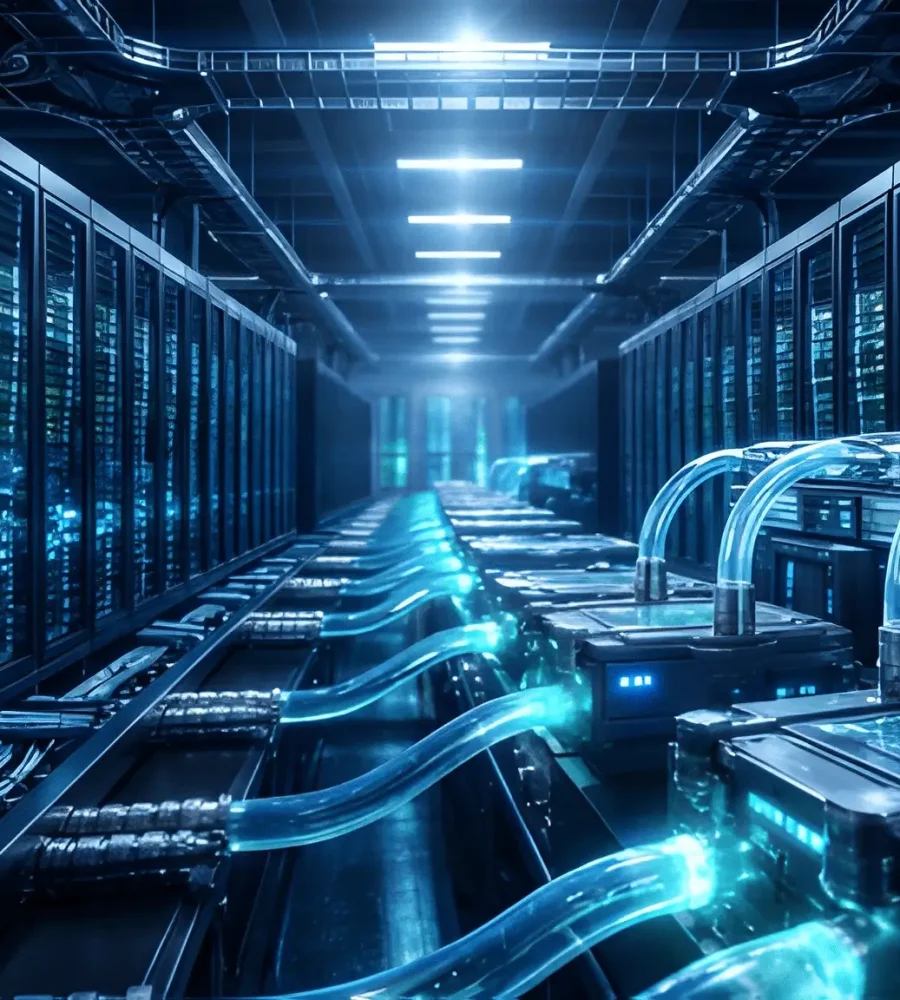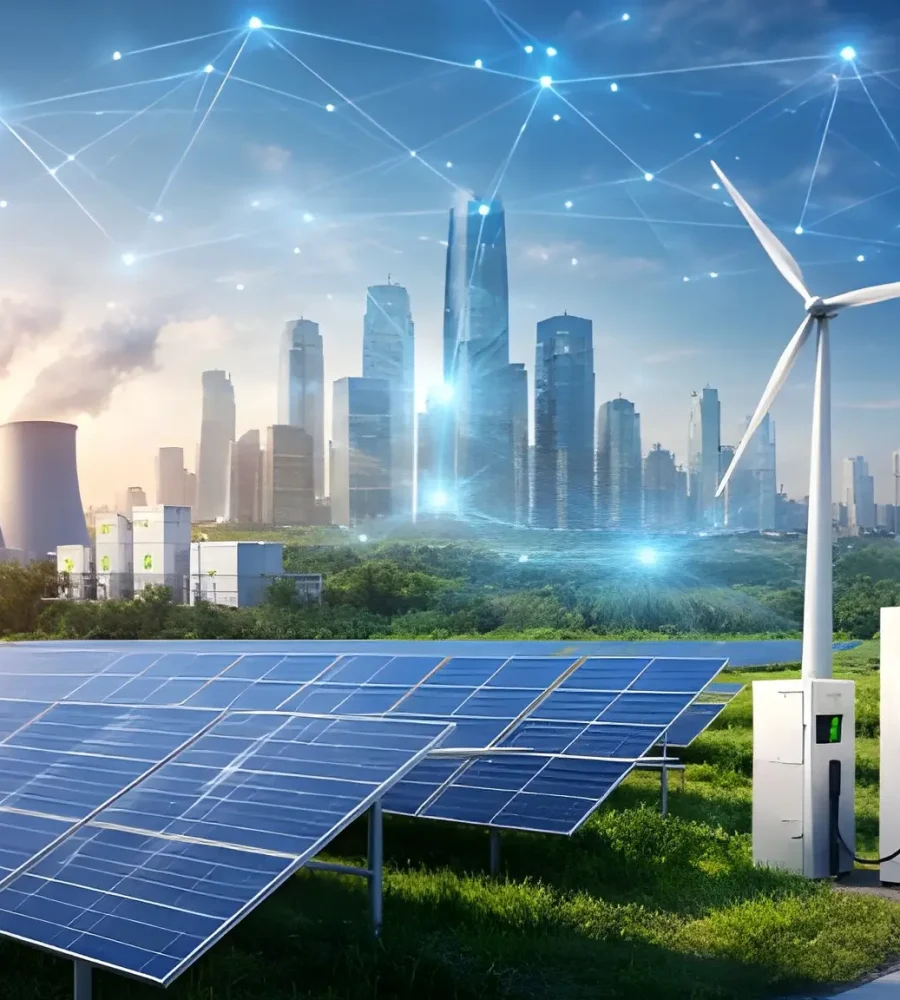
AI infrastructure operates on a fundamentally different temporal logic than renewable energy generation, creating a structural imbalance that cannot be ignored in modern compute planning. Training large-scale models and running inference workloads demand uninterrupted power flows, often at high density and with minimal tolerance for fluctuations. Wind and solar energy, by contrast, remain governed by environmental variability, which introduces unpredictability into supply patterns across hourly and seasonal cycles. This mismatch forces operators to rely on grid buffering or supplemental energy sources to maintain uptime guarantees. Data centres cannot tolerate even brief interruptions without risking workload failure, data corruption, or cascading system inefficiencies. The resulting gap between generation and consumption highlights a deeper issue that extends beyond sustainability narratives into operational feasibility.
Efforts to align renewable output with AI demand often rely on oversizing generation capacity, yet such approaches introduce inefficiencies that complicate both cost structures and infrastructure design. Excess generation during peak sunlight or wind periods leads to curtailment, where energy gets wasted due to lack of immediate demand or storage limitations. At the same time, low-generation periods force reliance on external grids that may not align with sustainability targets. This duality creates a system where renewable energy contributes inconsistently to actual compute operations. AI workloads do not scale down in response to energy availability, which means supply must adapt to demand rather than the inverse. Grid dependency therefore increases even in facilities marketed as renewable-powered, revealing a gap between perception and operational reality. Addressing this gap requires a shift toward systems that can deliver energy on demand rather than only when conditions permit.
Dispatchability as a Compute Requirement
Dispatchability introduces a paradigm where energy availability aligns with compute demand rather than environmental conditions, effectively transforming power into a controllable infrastructure layer. AI systems require predictable energy delivery in the same way they depend on stable networking and efficient cooling systems. This requirement elevates dispatchable power from a supporting feature to a foundational component of data centre architecture. Operators increasingly evaluate energy systems based on their ability to respond dynamically to load variations without compromising uptime. This shift reflects a broader understanding that compute reliability depends as much on energy design as it does on hardware optimization. Without dispatchable capacity, even the most advanced AI clusters remain vulnerable to external variability. Infrastructure planning therefore integrates power systems as an active design variable rather than a passive utility.
Latency and performance metrics traditionally dominated discussions around AI infrastructure, yet energy reliability now occupies a comparable position in system design priorities. Power interruptions or fluctuations can degrade model training efficiency and introduce operational inconsistencies, which affect both system stability and service quality. Dispatchable systems mitigate these risks by enabling a more consistent energy supply under varying external conditions.This capability allows operators to maintain more predictable performance across workloads, which becomes critical in enterprise and real-time AI applications. Consequently, energy systems evolve into tightly integrated components of compute environments rather than external dependencies. The concept of energy functioning as an integrated service layer gains traction, aligning power delivery more closely with workload orchestration strategies. Such integration redefines how sustainability and performance intersect within AI ecosystems.
Hybrid Power Stacks: Storage Meets Backup Fuels
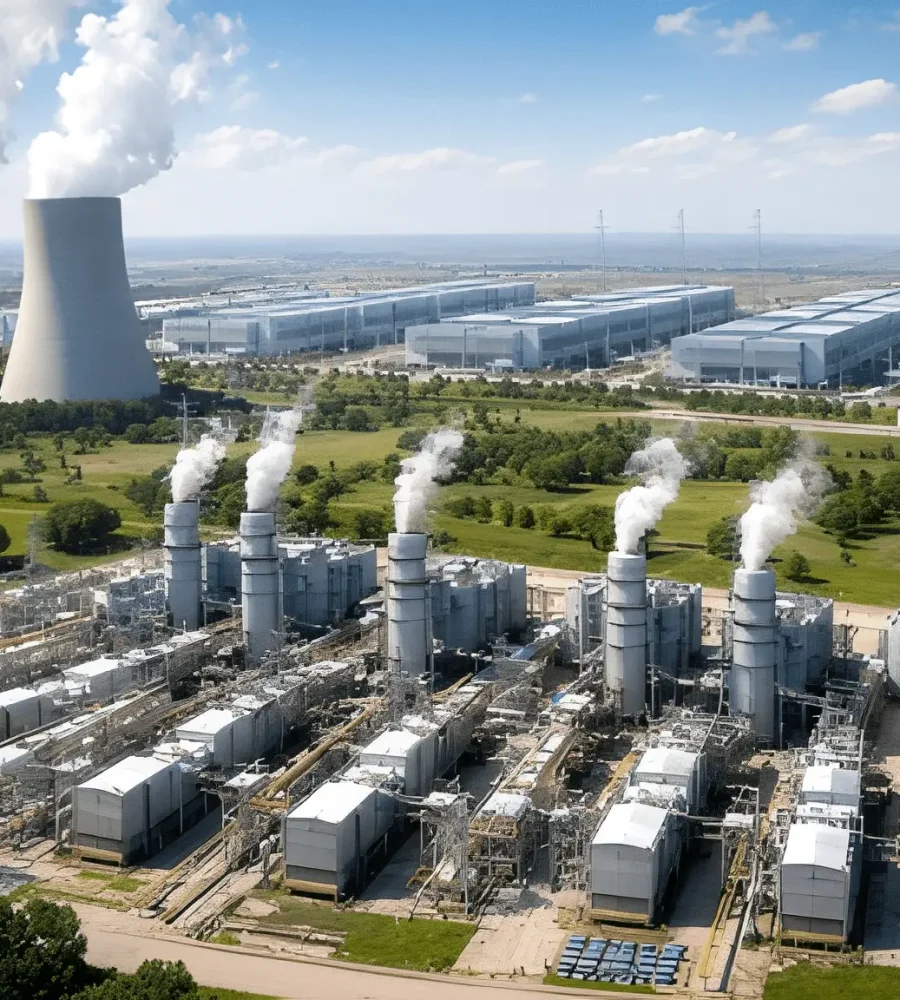
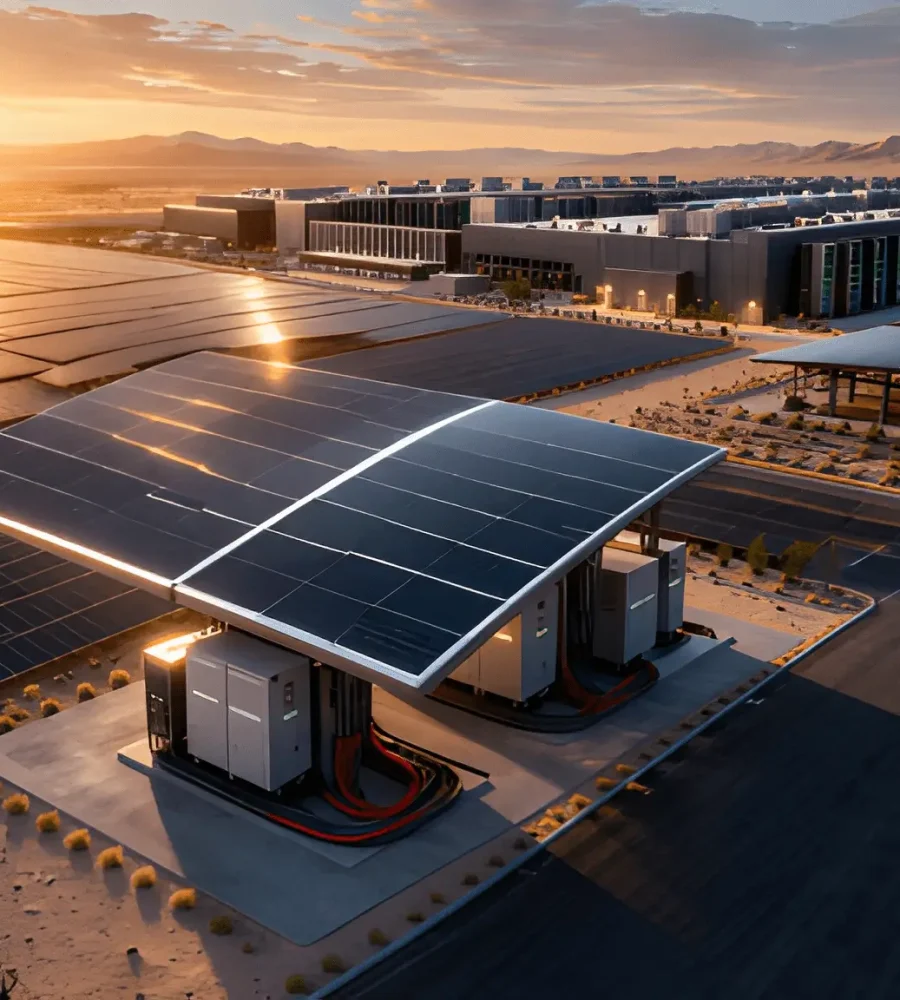
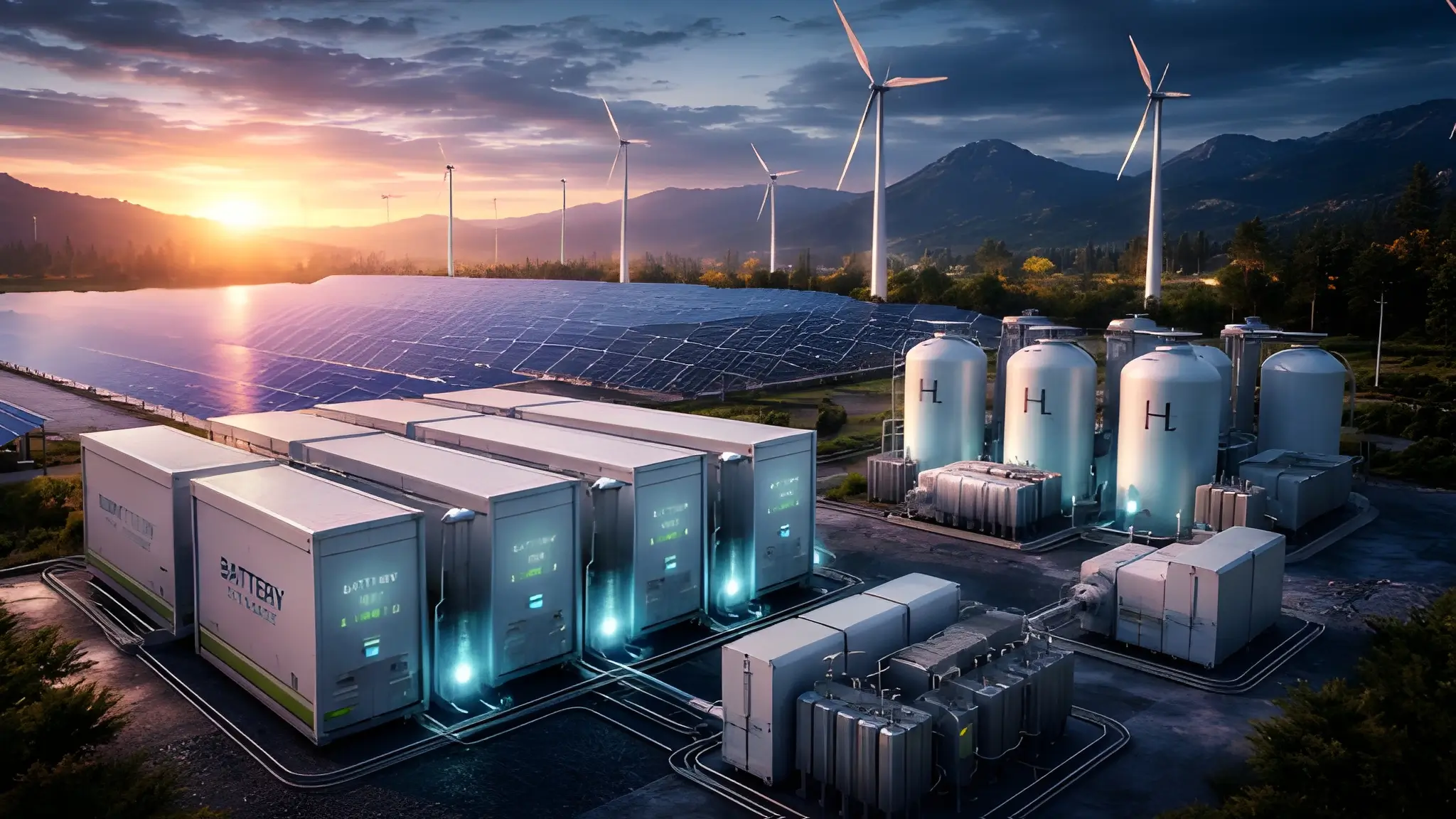
Hybrid power architectures combine multiple energy layers to address the limitations of standalone renewable systems while maintaining sustainability objectives. Battery storage plays a critical role in managing short-duration fluctuations, absorbing excess generation and releasing it during brief demand spikes or dips. These systems operate within defined temporal windows, typically ranging from minutes to a few hours, which limits their ability to support prolonged outages or extended low-generation periods. Backup fuels such as hydrotreated vegetable oil (HVO), natural gas, or hydrogen-ready systems extend this capability by providing sustained power during longer disruptions. The integration of these layers creates a continuum of energy availability that aligns with the operational needs of AI workloads. This structure ensures that power delivery remains stable across varying time scales and demand conditions. Hybridization therefore transforms energy systems into resilient frameworks rather than single-point solutions.
System design within hybrid stacks requires careful orchestration to balance efficiency, cost, and environmental impact without compromising reliability. Batteries handle rapid-response scenarios where immediate stabilization becomes necessary, while backup fuels activate during extended deficits to maintain continuity. This layered approach reduces reliance on any single energy source, thereby improving resilience against both technical and environmental disruptions. Operators can optimize fuel usage by prioritizing renewable and stored energy before activating backup systems, which enhances overall sustainability metrics. The inclusion of hydrogen-ready infrastructure signals a forward-looking strategy that anticipates future decarbonization pathways. Each component within the stack contributes a specific function, creating a coordinated system that delivers consistent power output. Hybrid energy systems thus represent a pragmatic evolution in aligning sustainability goals with operational demands.
The Cost of Chasing “100% Renewable” Narratives
The pursuit of fully renewable-powered data centres often overlooks the operational complexities associated with maintaining consistent energy supply under variable generation conditions. Overbuilding renewable capacity appears as a straightforward solution, yet it introduces inefficiencies that affect both capital expenditure and system utilization. Excess energy generation frequently leads to curtailment, which reduces the effective return on investment for renewable assets. Simultaneously, underproduction during unfavorable conditions necessitates reliance on grid power that may not align with sustainability targets. This dynamic creates a paradox where facilities labeled as renewable-powered still depend on non-renewable sources for reliability. The economic implications extend beyond energy costs into infrastructure planning and long-term scalability. A balanced approach therefore becomes necessary to reconcile sustainability ambitions with operational realities.
Grid dependency further complicates renewable-only strategies by introducing external variables that operators cannot fully control or predict. Power availability, pricing fluctuations, and grid congestion can all influence the stability of energy supply, thereby affecting data centre performance. Facilities that rely heavily on grid balancing may face challenges in meeting uptime guarantees during peak demand or system stress events. Dispatchable systems address these challenges by providing localized control over energy delivery, which can reduce exposure to external uncertainties in many scenarios. Economic models in several emerging AI infrastructure markets increasingly favor hybrid approaches that optimize both cost and reliability rather than pursuing absolute renewable purity. This perspective reflects a broader industry shift toward pragmatic sustainability frameworks that prioritize functional outcomes. As a result, dispatchable power emerges as a more viable pathway for scaling AI infrastructure efficiently.
Echelon Data Centres and the Hybrid Energy Model
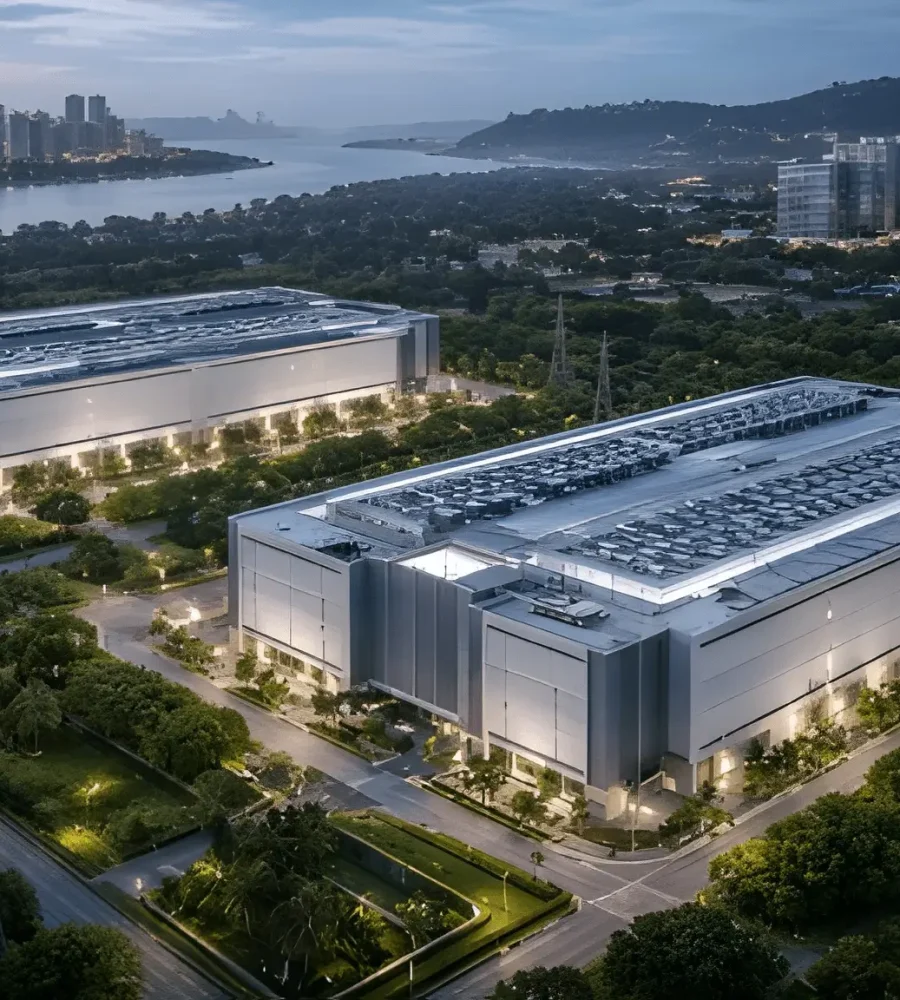
The approach adopted by Echelon Data Centres illustrates how hybrid energy systems can redefine sustainability within AI infrastructure. The company’s green energy park in Ireland integrates renewable generation with dispatchable backup systems to ensure consistent power delivery. This model emphasizes reliability alongside sustainability, addressing the limitations associated with intermittent energy sources. By combining on-site generation with energy storage and alternative fuels, the facility creates a controlled energy environment tailored to data centre operations. The design reflects an understanding that sustainability must align with performance requirements rather than exist as a standalone objective. This integrated strategy positions hybrid systems as a scalable solution for future AI workloads. The project demonstrates how infrastructure innovation can bridge the gap between environmental goals and operational demands.
The energy park concept also introduces a localized approach to power management, reducing reliance on external grids while enhancing system resilience. On-site energy generation combined with storage capabilities allows the facility to support operations during periods of grid instability or renewable variability while still maintaining grid connectivity. Backup fuels provide an additional layer of assurance, helping maintain uptime requirements under a wide range of operating conditions. This architecture is designed to support continuous AI workloads without sacrificing sustainability metrics, which represents a significant advancement in data centre design. The model aligns with broader industry trends that prioritize integrated energy solutions over isolated renewable deployments. It highlights the importance of designing infrastructure that can adapt to both current and future energy landscapes. Echelon’s implementation serves as a practical example of how hybrid systems can achieve reliable green compute at scale.
From Green Energy to Reliable Green Compute
The evolution of AI infrastructure demands a shift from renewable-centric narratives toward systems that prioritize reliability alongside sustainability. Renewable energy remains a critical component of decarbonization strategies, yet its intermittent nature limits its ability to support continuous compute workloads independently. Dispatchable power addresses this limitation by providing controllable energy delivery that aligns with operational requirements. Hybrid systems integrate multiple energy sources to create a balanced framework capable of sustaining AI workloads under varying conditions. This approach reflects a broader transition toward reliability-engineered sustainability, where performance and environmental impact coexist within a unified design philosophy. Infrastructure planning increasingly incorporates energy systems as integral components rather than external dependencies. The future of AI compute therefore depends on achieving this equilibrium between sustainability and uptime.
As AI adoption accelerates across industries, the demand for resilient and scalable infrastructure continues to grow, reinforcing the importance of dispatchable energy solutions. Operators must navigate complex trade-offs between cost, performance, and environmental impact while ensuring consistent service delivery. Hybrid energy systems provide a pathway that balances these factors without compromising operational integrity. The integration of storage, backup fuels, and renewable generation creates a dynamic system capable of adapting to evolving energy landscapes. This adaptability becomes essential as both energy markets and AI workloads undergo rapid transformation. The transition toward reliable green compute represents not just a technological shift but also a strategic realignment of infrastructure priorities. Dispatchable power is positioned as a key enabler in this transformation, shaping the next generation of sustainable AI ecosystems.