
Artificial intelligence is reshaping global power. Nations are racing to secure dominance in compute, data, and innovation. The United States and China lead the way, but other countries are stepping up. Among them, India is emerging with clear ambitions. It aims to move from a service-driven economy to a hub for AI research, infrastructure, and enterprise solutions.
Recently, the Adani Group announced a $100 billion plan to build renewable-powered AI data centers across India. This project highlights the growing convergence of private investment and national ambition. It will expand domestic compute capacity, attract global AI workloads, and strengthen India’s role in the intelligence economy.
India’s path in AI depends on several factors. Infrastructure gaps, talent availability, regulatory frameworks, foreign investment flows, and geopolitical dynamics all play a role. Its current strategy balances bold ambition with practical constraints. In a multipolar technological race, India is steadily carving out a distinctive position.
The Infrastructure Race: Scaling Compute and Data Centers
Compute power lies at the heart of global AI competition. Massive data centers, specialized hardware, and reliable energy systems drive AI research and applications. The United States and China remain far ahead. They host the most powerful AI clusters and supercomputers. Their advantage comes from hyperscale cloud providers and national programs that fund advanced chips, networking, and cooling systems on a massive scale. India has yet to reach this level.
India’s data center infrastructure is growing quickly but remains limited. Capacity and density are lower than in leading countries. The cloud services ecosystem is smaller and less diverse. Currently, no Indian supercomputer ranks among the world’s top systems.
Momentum is building. In 2026, the government announced plans to deploy more than 50,000 new GPUs within six months. This move could raise the total GPU count above 100,000 by the end of the year. The expansion marks a major step forward for domestic AI compute capacity.
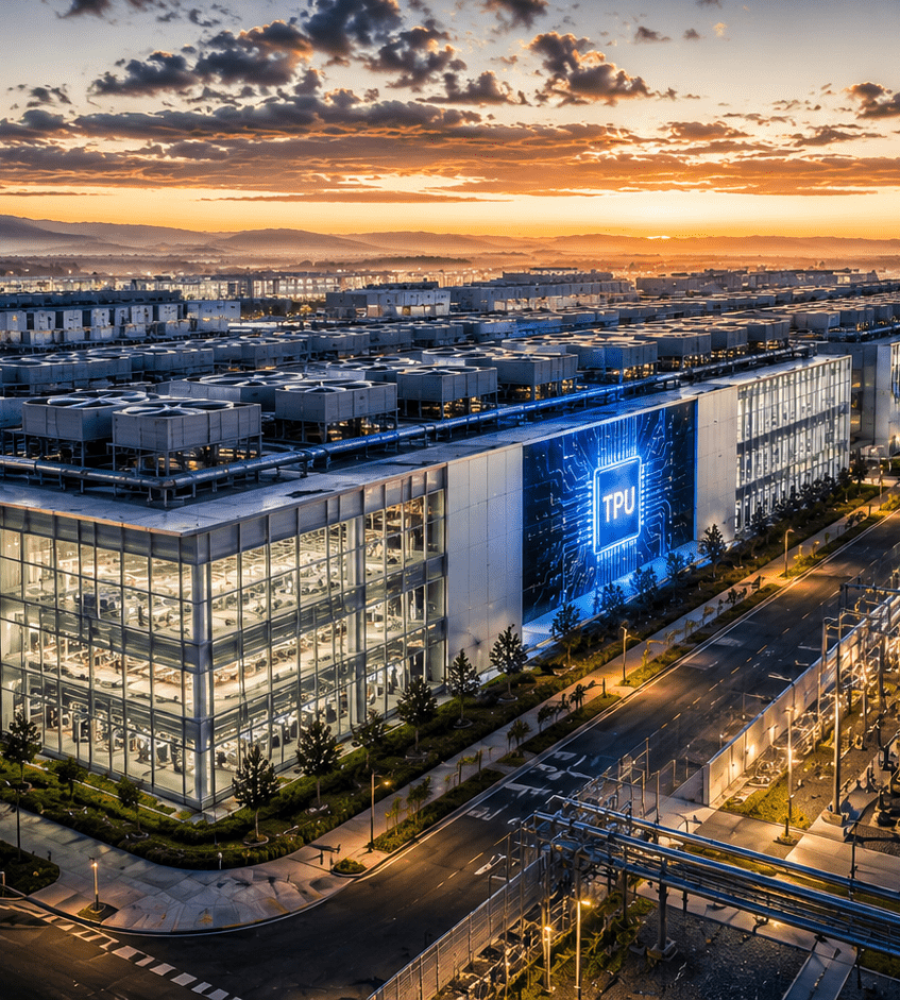
Private investment strengthens this growth. The Adani plan aims to expand AdaniConnex from 2 gigawatts to 5 GW. The goal is to support high-density AI workloads while using renewable energy to ensure continuous power.
Global cloud providers are also increasing their presence. Google plans a $15 billion AI hub in Visakhapatnam. Microsoft has committed $17.5 billion to expand data centers and AI services for Indian and global markets. These investments could shift India from being a consumer of foreign compute resources to a hub for AI workloads and enterprise services.
Talent, Research, and Innovation
Compute infrastructure alone does not determine AI leadership. Human capital and research output are equally important. India has a large pool of software engineers. Its progress in research, infrastructure, and policy coordination has earned international recognition.
Challenges remain. India produces many engineering graduates, but foundational AI research, patents, and high-impact innovations lag behind leading countries. The research ecosystem focuses more on software applications than on breakthrough AI models or hardware innovation. Early-stage funding for domestic startups is also limited.
The government is taking steps to close these gaps. Subsidized GPU clusters for researchers and startups have increased access to compute resources. Public research institutions now have greater capacity to develop AI technologies.
To strengthen its innovation ecosystem, India must attract more venture capital and early-stage funding. Domestic startups will need support to build foundational AI platforms, rather than only customizing global technologies.
Policy Direction: Sovereignty and Strategic Incentives
India’s AI policy emphasizes sovereignty and resilience. Policymakers aim to keep control over domestic data, AI models, and infrastructure. National AI platforms are being designed to reflect linguistic and cultural diversity, with state support providing resources and oversight.
Regulations have evolved to govern AI content, ensure transparency, and protect users. These measures help create a responsible AI environment. However, overly strict rules could make innovation more difficult.
Fiscal incentives are also shaping the market. Proposals offering zero corporate taxes on foreign cloud services sold from India until 2047 aim to attract global AI workloads. This approach balances national control with business opportunities.
Through these measures, India positions itself as a viable alternative to Western and Chinese ecosystems. It seeks to combine protection with openness, making its AI environment both secure and attractive.
Regional and Global Positioning
India’s location and market dynamics give it a strategic edge. Its cost competitiveness, growing 5G coverage, large youth population, and domestic demand attract foreign cloud providers. Nations looking for affordable AI services also see India as an option.
India still lags in raw compute capacity and deep tech research. Yet democratic governance, regional influence, and market size make the country appealing for investors diversifying away from politically sensitive supply chains. Infrastructure per capita is lower than in many advanced economies. Still, rapid expansion in data center capacity is beginning to close this gap.
International partnerships accelerate this growth. Investments from global tech firms bring capital, technical expertise, and operational standards. These collaborations help India build world-class AI facilities more quickly.
Challenges and Structural Gaps
India faces several challenges.
- Dependence on foreign hardware creates vulnerabilities. Domestic production of semiconductors and AI chips remains limited.
- Infrastructure constraints, including power, cooling, and connectivity, may slow high-density AI deployment.
- Regulatory uncertainty around data and AI use could deter some investors if rules are too restrictive.
These challenges indicate that India is still building its capabilities. Strengthening manufacturing, talent pipelines, and policy frameworks will be critical to meet growing compute demands.
Building a Strategic Role
India is emerging as a strategic player in the global AI landscape. Private initiatives, government policies, fiscal incentives, and expanding compute capacity show a clear trajectory of growth.
India currently ranks as a mid-tier competitor. It does not match the scale of the United States or China, but it is establishing a distinctive role. Its combination of market appeal, political will, and strategic investment positions the country as a hybrid contender.
In the coming decade, India is unlikely to remain a bystander. Coordinated infrastructure expansion, careful regulatory oversight, and strategic partnerships position India as a hub connecting global markets. These efforts could shape the evolution of the intelligence economy.