Skip to content
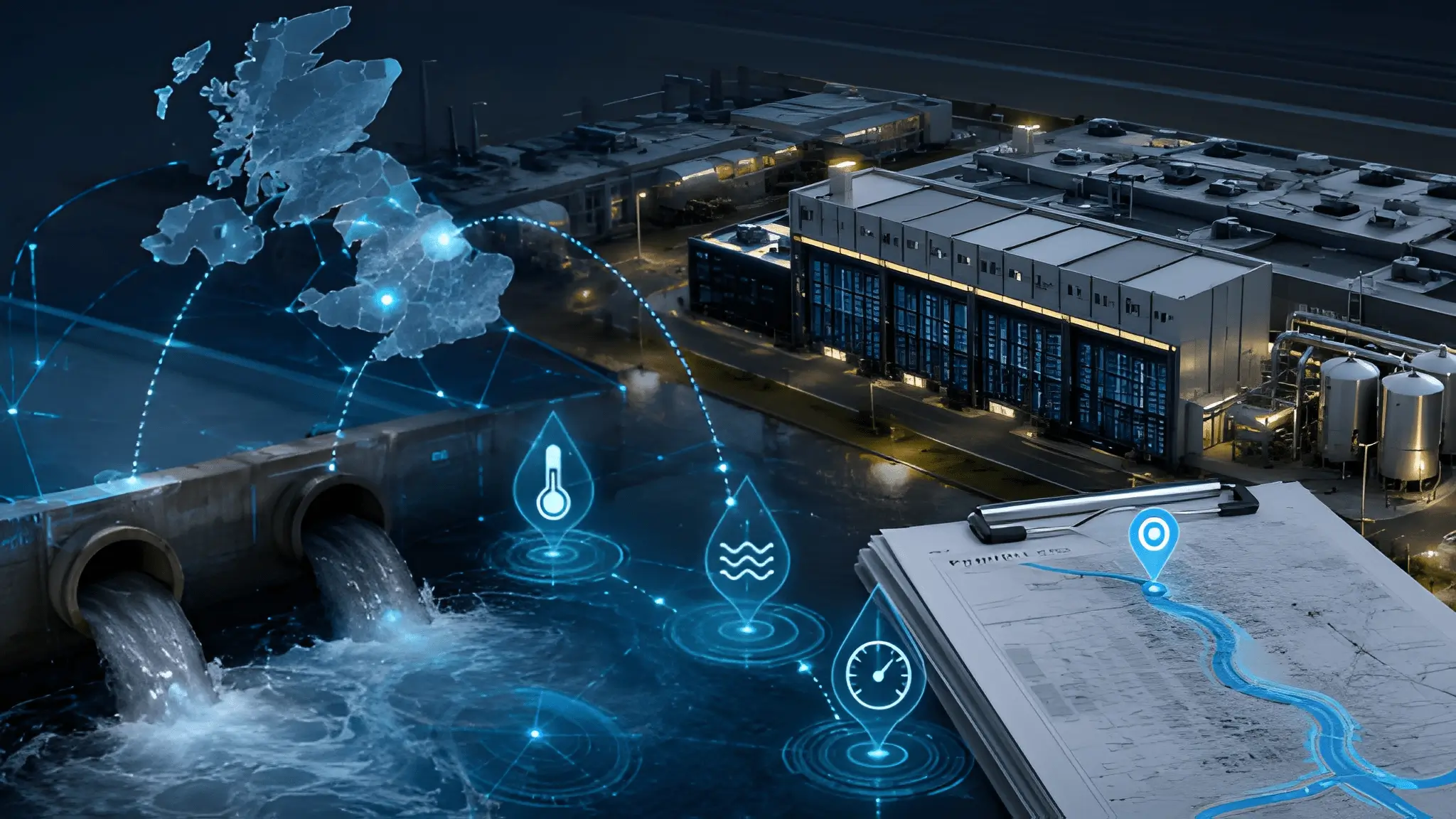
The next constraint on artificial intelligence infrastructure may not arrive only through a power queue, a zoning meeting, or a delayed construction approval, because water authorities are increasingly seeking greater visibility into the water requirements and environmental impacts of large computing operations during planning and approval processes. The shift is emerging around a simple operational reality: every high-density computing cluster eventually creates a heat management problem that connects electricity, cooling systems, discharge pathways, and local water capacity. Water regulators are beginning to look beyond traditional customer classifications and instead examine how intensive computing workloads interact with regional resource planning. California discussions around data center water reporting and broader water planning illustrate how regulators are moving toward earlier visibility into computing-related demand rather than reacting after expansion decisions are complete.

The idea of a water registry for high-density AI locations does not necessarily mean a single global database exists today, but it reflects a regulatory direction where water suppliers, local authorities, and environmental agencies seek more detailed operational visibility before approving resource-intensive projects. Traditional development models often separated construction approval, electricity planning, and water assessment into different tracks, but AI infrastructure increasingly links all three because the computing load determines cooling requirements. Thermal management has become a central design factor because the same hardware density that improves computing performance also increases the challenge of removing concentrated heat. Water boards and regional authorities are therefore becoming interested in identifying where future demand may emerge before those sites reach maximum operational capacity. The Netherlands already requires environmental controls around wastewater and cooling water discharge activities through regional water authorities, creating a regulatory environment where discharge considerations form part of operational planning.
The Knock Before the Permit: When Mapping Replaces Applications
The traditional sequence for industrial development begins with an application, followed by review, approval, and operation, but AI infrastructure is pushing regulators toward a more observational approach where early identification becomes part of resource management. Water authorities are increasingly interested in understanding which locations could become high-demand computing zones through planning data, infrastructure assessments, and resource evaluation before those locations request additional capacity.This approach does not replace formal permits, but it can influence the information available before a permit discussion begins because regulators may enter evaluations with a clearer picture of potential resource impacts. Thermal loads provide one of the most important indicators because cooling requirements reveal how much heat a computing operation must continuously remove. California water regulation has already established frameworks where thermal impacts and cooling-related water management require technical evaluation in certain sectors, showing that heat management is already a recognized water governance issue.
The growing practice of evaluating resource requirements earlier in the development cycle represents a change in infrastructure planning because water considerations are increasingly being discussed before projects reach full operational scale.Instead of waiting for a project owner to describe a future operation, water planners can examine regional growth patterns, utility requests, industrial zoning activity, and resource availability to identify areas where additional review may become necessary. A location that appeared manageable under earlier assumptions may create a different resource profile after hardware changes, cooling upgrades, or workload acceleration. This is why regulators increasingly focus on operational characteristics rather than only the physical building footprint. The shift also changes the relationship between developers and local water authorities because technical disclosure becomes a continuous conversation rather than a one-time approval event.

The end of “build first, ask later” planning
The phrase “build first, ask later” describes an older infrastructure mindset where resource questions often followed physical development rather than guiding it from the beginning. AI infrastructure challenges this approach because computing growth depends on tightly connected systems that include electricity supply, cooling design, water availability, and environmental compliance. A large computing operation cannot treat cooling as a secondary engineering detail because thermal management determines both operational reliability and resource requirements. Water authorities are therefore moving toward earlier engagement with projects that may create concentrated demand patterns. The goal is not simply to restrict development but to understand whether the surrounding systems can support the intended operating model. The result is a more complex approval environment where technical planning becomes part of market entry strategy.
The growing attention toward water-related AI infrastructure also reflects a broader move toward measurable environmental accountability. Regulators, investors, and communities increasingly want clearer information about how digital infrastructure affects physical resources. Water usage reporting proposals in California demonstrate this movement by focusing on disclosure of expected water use, cooling systems, and operational demand before and during business activity. These frameworks indicate that future infrastructure decisions may depend more heavily on documented resource planning rather than general assumptions about availability. The important change is that water considerations are becoming visible earlier in the commercial lifecycle. The registry concept represents this new reality by turning resource visibility into a strategic asset rather than a compliance exercise. Water planning is becoming part of infrastructure competitiveness because the ability to operate depends on how well computing demand fits within regional resource boundaries.
Your Heat Signature Is Already Public Record
The physical presence of artificial intelligence infrastructure creates a range of observable indicators that can help regulators and planners evaluate how a site may interact with surrounding resources without requiring direct access to internal systems. Water authorities may not need to inspect every component of a computing environment to assess whether a location could create additional pressure on regional networks, as external planning and operational information can provide early indicators. External indicators such as planning documents, utility coordination records, environmental reporting requirements, and publicly available infrastructure information can provide early insight into how a site may operate. The growing use of remote sensing technologies, utility monitoring systems, and environmental data platforms has expanded the ability of regulators and planners to evaluate broader industrial activity patterns without relying only on direct site inspections.
Satellite imagery has become one of the tools used across environmental monitoring programs because it allows authorities to observe changes in land use, construction activity, and industrial expansion patterns without physical inspection. While satellite systems cannot directly reveal the internal thermal output of a computing operation, they can help identify development activity, cooling infrastructure changes, and surrounding environmental conditions that may require further review. Water agencies increasingly combine different information sources rather than depending on a single measurement system when evaluating resource demand. This creates a more layered understanding of how industrial operations may affect water systems over time. The result is a planning environment where infrastructure activity becomes visible earlier and where resource managers can prepare before demand reaches critical levels.
Why cooling decisions are becoming part of regulatory identity
Cooling architecture has traditionally been treated as an engineering decision managed within the boundaries of a project, but AI workloads are changing that perception because cooling choices influence resource requirements and long-term expansion potential. A site using different cooling methods may create a completely different relationship with local water systems even when two buildings perform similar computing tasks. Water authorities therefore increasingly examine the operational model behind a site rather than only the physical location. This approach recognizes that the same property can create different resource impacts depending on hardware density, workload intensity, and cooling strategy. The technical identity of an AI site is becoming closely connected with how efficiently it manages heat.
The increasing attention toward thermal management also changes how companies communicate with regulators and communities because cooling decisions now influence broader infrastructure discussions. A project designed with limited expansion flexibility may encounter challenges if demand increases faster than expected. A project designed around adaptable cooling systems may maintain more operational options as workloads evolve. This difference creates a competitive factor where engineering decisions made during early development affect future regulatory relationships. Resource planning is no longer separated from technical design because both determine how much operational freedom a site retains. This does not mean every operational metric becomes a regulatory requirement, but it signals that resource transparency is becoming part of responsible infrastructure management. Water availability, thermal management, and expansion planning are becoming connected decisions rather than separate operational categories.
The Zip Code Penalty: Why Your Address Determines Expansion Rights
The future of AI infrastructure may depend less on whether a company can find available land and more on whether the surrounding resource network can support the intended operational model. Location has always influenced infrastructure decisions through factors such as connectivity, power availability, taxation, and workforce access, but water constraints introduce another layer of complexity. Regions with limited water flexibility may evaluate high-density computing proposals differently from areas with greater resource availability. This creates a situation where two sites with similar commercial advantages can face very different expansion conditions because their surrounding water systems operate under different pressures. The address itself becomes part of the technical assessment. High-density computing clusters can create concentrated demand patterns that encourage regional planners to evaluate growth zones rather than individual projects alone.
A location that already contains multiple resource-intensive users may face different planning considerations compared with an area where infrastructure capacity remains available. Water authorities often manage resources through regional frameworks because water systems connect multiple users and environmental requirements. This means future expansion decisions may depend on how a project fits within a larger resource landscape rather than only its own operational design. The concept of a “zip code penalty” describes the potential commercial impact of geographic differences because location decisions may influence future flexibility depending on regional infrastructure capacity and regulatory conditions. A company may secure an attractive site today but discover that future growth requires additional approvals, alternative cooling strategies, or operational redesigns. The challenge is not only regulatory delay but uncertainty around long-term expansion. AI infrastructure requires predictable scaling because computing demand often evolves faster than traditional industrial planning cycles.
Why regional thermal zones could influence future site selection
Regional planning around water availability and environmental conditions may gradually influence where certain types of industrial growth become easier or more complex to develop.These classifications may not always appear as formal restrictions, but they can influence how quickly projects move through review processes and how much additional capacity authorities are willing to support. A region facing water stress may prioritize uses differently from an area with stronger resource availability. This creates a planning environment where infrastructure operators need to understand local conditions before committing significant capital. The Netherlands provides an example of how regional water management operates through structured authorities responsible for water quality, flood management, and related environmental responsibilities, although no specific AI thermal registry framework has been established publicly.
These organizations already manage complex relationships between industrial activity, environmental conditions, and water systems. As computing infrastructure grows, similar questions emerge around how new forms of industrial demand fit into existing regional planning frameworks. The issue is not unique to one country because water systems everywhere operate within local constraints. The commercial importance of location intelligence will continue to increase because AI infrastructure depends on long-term operational stability. A site chosen only for immediate availability may face limitations when computing demand expands and cooling requirements change. A site selected with future thermal conditions in mind may maintain greater flexibility and reduce regulatory uncertainty. This creates a new planning discipline where companies evaluate water conditions as carefully as power, connectivity, and physical space.
From CII to THI: The New Metric That Decides Your Water Allocation
The next stage of water planning around artificial intelligence infrastructure is moving toward a more detailed understanding of how computing activity interacts with local water systems. Traditional industrial assessments often focus on direct consumption, discharge volume, or connection requirements, but AI workloads introduce a more complex relationship between computing density, cooling systems, and heat management. Researchers, regulators, and infrastructure planners are increasingly examining approaches that consider thermal impact alongside traditional water-use assessments rather than focusing only on consumption levels. Researchers, regulators, and infrastructure planners are increasingly examining approaches that consider thermal impact alongside traditional water-use assessments rather than focusing only on consumption levels. This shift reflects the growing need to understand how digital infrastructure affects physical systems beyond simple consumption measurements.
Thermal impact assessment becomes more relevant as computing systems become denser and organizations seek higher performance from the same physical footprint. A building with advanced computing equipment can create a different environmental profile from a traditional technology operation because the concentration of processing activity changes cooling requirements. Water planners may therefore examine multiple factors together, including cooling design, discharge characteristics, regional availability, and surrounding demand. This approach moves away from viewing water usage as an isolated number and toward understanding how infrastructure behaves within a wider ecosystem. The objective becomes creating a balanced relationship between technological growth and resource management.
How heat output per water interaction could reshape planning decisions
Water allocation decisions traditionally depend on availability, legal frameworks, environmental requirements, and competing needs within a region. AI infrastructure introduces another consideration because the same volume of water can support very different operational outcomes depending on how effectively a system manages heat. A site that requires continuous cooling support may create different planning challenges compared with a site that reduces dependence through alternative cooling methods. Regulators examining future demand may increasingly consider efficiency, adaptability, and environmental interaction alongside traditional infrastructure requirements such as connection size. This creates a more technical evaluation process where infrastructure design influences resource access. Agricultural users, residential communities, industrial operators, and environmental priorities already compete within many regional water planning systems.
The arrival of high-density computing adds another category that requires careful assessment because digital infrastructure can scale quickly once demand increases. Water authorities must balance economic development with long-term resource reliability, which encourages more detailed analysis of emerging users. This does not mean computing automatically receives lower priority, but it does mean operators need stronger evidence that their systems can coexist with regional requirements. A thermal assessment framework could eventually influence where companies choose to expand because regions may develop different approaches toward high-density computing demand. Some areas may encourage projects that demonstrate efficient cooling strategies, while others may require additional environmental review before approving expansion. The result could be a market where technical efficiency becomes part of location competitiveness. Companies that understand thermal impact early will have more flexibility when negotiating future growth pathways.
Disclosure Season: Boards Now Ask for Your Water Registry Status
Corporate risk planning around artificial intelligence infrastructure is expanding beyond traditional operational concerns because resource availability increasingly affects long-term business continuity. Companies investing in high-density computing environments must consider whether future regulations, water constraints, or community concerns could influence expansion plans and operational decisions. This is why environmental resource topics increasingly appear within broader risk management conversations. Regulatory uncertainty can affect timelines, investment decisions, and strategic planning even before a formal restriction exists. Corporate reporting frameworks have increasingly focused on climate-related and environmental risks, encouraging organizations to identify factors that could materially affect business operations. Water-related risks can become relevant when a company depends on locations where resource availability influences production, expansion, or operational reliability. For AI infrastructure operators, thermal management and water planning may become part of those discussions because cooling requirements connect directly with continued computing performance.
When resource transparency becomes part of executive decision-making
The inclusion of a site within broader resource planning assessments may become a strategic consideration even when the site continues operating normally. Investors and leadership teams increasingly evaluate whether infrastructure choices create future limitations. A location that lacks expansion flexibility may require additional investment in cooling upgrades, redesign, or alternative strategies. This makes water visibility a business planning issue rather than only an environmental compliance matter. Executive teams responsible for AI expansion increasingly need broader visibility into infrastructure dependencies because technology growth now relies on physical systems that have their own limitations. Computing strategy cannot operate separately from power availability, cooling capacity, and regional resource planning. A decision to expand processing capacity affects multiple operational layers, including engineering requirements, regulatory relationships, and long-term cost structures. This encourages companies to evaluate infrastructure decisions through a wider strategic lens.
The growing importance of resource transparency also changes internal governance because technical teams must communicate infrastructure risks in business terms. A cooling limitation is no longer only an engineering issue if it prevents a planned expansion or changes the economics of a location. A water constraint is no longer only an environmental topic if it affects future revenue opportunities. These connections push resource planning closer to executive-level decision-making. The future of AI infrastructure planning will likely require companies to understand how external systems evaluate their operations before challenges appear. A registry, mapping process, or regional assessment framework creates visibility that can influence future conversations with regulators, investors, and communities. The companies best prepared for this environment will be those that treat thermal and water planning as part of strategic infrastructure design rather than a later compliance requirement.
The Neighbor Clause: When Your Heat Affects Their Water Rights
Water systems operate through connected networks, meaning a decision made by one user can influence conditions experienced by others within the same watershed or supply structure. This connection becomes increasingly important as artificial intelligence infrastructure introduces concentrated cooling requirements in regions where water availability already involves multiple competing priorities. A computing operation may manage its own resource consumption responsibly while still attracting attention if its thermal output interacts with shared water systems. Regulators and communities are increasingly interested in understanding how industrial activity changes local conditions rather than evaluating each project in isolation. The discussion around thermal discharge therefore extends beyond permits and enters the wider conversation about resource relationships.
The concept of a “neighbor clause” represents this emerging concern, where nearby users may raise questions about whether a new industrial operation could influence the quality, temperature, or availability of shared resources. In water systems that support agriculture, ecosystems, and communities, thermal changes can become part of broader environmental discussions. The issue does not depend only on the size of a single operation but on how that operation interacts with existing conditions. A region already managing environmental sensitivity may approach additional thermal loads differently from a region with more available capacity. Legal and regulatory systems have historically addressed water conflicts through allocation rules, environmental standards, and discharge requirements. The important change is that digital infrastructure creates physical consequences that can extend beyond the boundaries of the property where the computing equipment operates. This requires companies to understand that resource decisions can influence relationships with surrounding users.
How thermal data could influence future disputes
Environmental disputes often begin when stakeholders believe an activity creates an impact that existing planning processes did not fully address. Thermal monitoring technologies provide more information about how water systems behave and allow different groups to examine changes with greater technical detail. This does not automatically determine responsibility, but it changes the quality of information available during discussions. Better data can influence how regulators, communities, and operators approach potential conflicts. Agricultural users and environmental groups have historically monitored issues related to water availability, temperature changes, and ecosystem conditions because these factors influence productivity and ecological balance. As high-density computing expands, similar monitoring approaches may apply when communities evaluate whether new industrial activity aligns with local resource priorities. Companies operating in these environments may need to demonstrate that their cooling approach considers surrounding conditions.
Retrofit or Retreat: The Compliance Ultimatum Hitting Leases
Many AI infrastructure projects are expanding inside existing technology properties, industrial buildings, or leased spaces that were originally designed for different operational assumptions. As computing density increases, those locations may face new requirements related to cooling, power management, and environmental planning. A building that supported earlier technology workloads may not automatically support advanced artificial intelligence workloads without modifications. This creates a challenge for operators because the physical location may remain valuable while the technical requirements continue changing. Lease agreements historically focused on factors such as rent, maintenance obligations, operating restrictions, and infrastructure access. Future agreements involving high-density computing may place greater attention on resource requirements and compliance responsibilities. Landlords and operators may need clearer agreements about who manages upgrades, reporting requirements, and future regulatory changes. The relationship between property ownership and computing operations may become more complex as resource planning becomes part of operational risk.
The concept of “thermal portability” can describe the need for companies to maintain flexibility when adapting or relocating computing capacity between different operating environments. A location that cannot support future cooling requirements may limit business options even if the building itself remains functional. Companies may increasingly evaluate whether their infrastructure can adapt across different regions and regulatory environments. This creates a new factor in site strategy where operational mobility becomes as important as physical availability. Real estate decisions for AI infrastructure are changing because the value of a location depends on more than square footage and connectivity. A site’s long-term usefulness increasingly depends on whether it can support evolving technical requirements. Cooling architecture, water availability, and regulatory compatibility may influence whether a property remains attractive for future computing workloads. This creates a stronger connection between infrastructure engineering and commercial property decisions.
Why cooling flexibility may determine future lease value
Operators may increasingly prefer locations designed with adaptable systems because AI workloads continue to evolve rapidly. A site that supports current demand but creates restrictions during future expansion may lose strategic value. Conversely, locations that allow flexible cooling approaches and stronger resource planning may become more attractive. The difference between these locations could influence investment decisions across the AI infrastructure market. The long-term effect may be a change in how companies view infrastructure commitments as resource availability and environmental requirements become stronger considerations in planning. Instead of selecting a site only for immediate operational needs, organizations may evaluate whether the location can support future workloads under changing environmental expectations. Thermal planning becomes part of investment protection because it determines whether a site remains useful as technology requirements evolve.
Thermal Transparency Is the New Site Selection
Artificial intelligence infrastructure is entering a stage where location decisions depend on more than available land, network connectivity, and electrical supply because water and thermal management are becoming central parts of long-term operational planning. The idea of a water registry for high-density computing sites represents a broader transformation in how regions understand infrastructure growth. Instead of waiting for resource challenges to appear after expansion, regulators and planners are increasingly interested in identifying potential pressure points earlier. This approach reflects a change from reactive management toward proactive planning where environmental conditions influence technology deployment strategies. The companies building future computing capacity will need to understand that their operational profile exists within a wider physical ecosystem. The future of AI infrastructure will increasingly depend not only on where companies want to build but also on where regional systems can support the operational characteristics of advanced computing.
Thermal output, cooling methods, water interaction, and expansion flexibility are becoming connected elements within site evaluation. This does not mean every location will face identical restrictions because water conditions, regulatory structures, and community priorities vary significantly between regions. It does mean that companies must evaluate infrastructure decisions with greater awareness of local resource realities. The strongest locations will likely be those where technical design aligns with regional planning expectations. Thermal transparency therefore becomes a strategic capability rather than a reporting exercise because it allows organizations to understand their future options before limitations emerge. A company that knows how its infrastructure interacts with local water systems can design better cooling strategies, negotiate stronger agreements, and reduce uncertainty around expansion. The conversation begins earlier because resource visibility arrives before the final decision point.
How pre-emptive mapping becomes a board-level infrastructure factor
The role of infrastructure leadership is expanding because technology growth now depends on managing relationships between digital systems and physical resources. Artificial intelligence workloads require significant computing capacity, but that capacity relies on supporting systems that include power networks, cooling technologies, and regional resource availability. As these connections become clearer, executive teams must consider environmental compatibility as part of infrastructure strategy. The discussion is no longer limited to engineering departments because location choices can influence business continuity, investment timing, and future growth opportunities. Water planning around AI infrastructure represents a broader shift in how companies evaluate operational risk. A site that appears attractive from a technology perspective may face challenges if local conditions limit future expansion.
A site that initially requires more planning may provide greater stability if it supports adaptable cooling and stronger resource alignment. This changes the traditional approach to infrastructure selection because immediate availability becomes only one part of a larger evaluation process. Long-term flexibility becomes equally important. The emergence of thermal mapping, environmental monitoring, and resource-focused planning shows that the future of computing infrastructure will depend on deeper integration between technical design and regional systems. AI growth creates new opportunities, but those opportunities must operate within physical boundaries that cannot be ignored. Water authorities, companies, and communities are becoming connected participants in shaping where and how computing capacity expands. The registry concept represents this new relationship because visibility becomes the foundation for planning before demand becomes a conflict.
The Registry Chooses the Market Before the Market Chooses the Site
The next generation of AI infrastructure competition will increasingly involve understanding hidden constraints before committing resources. The strongest locations will not simply be the places with available space but the places where technology growth can coexist with environmental and operational requirements. Water systems, thermal management strategies, and regulatory expectations are becoming part of the same planning conversation. This creates a more complex environment where infrastructure decisions require broader analysis than previous technology expansion cycles. A registry-based approach reflects a fundamental change in how resource planning works because visibility becomes the first stage of decision-making. Regulators want earlier awareness of potential demand, while companies want predictable environments for long-term investment.
The interaction between these goals will shape future infrastructure development because both sides require accurate information. Better understanding of thermal impact allows more informed decisions and reduces the possibility of unexpected limitations appearing after expansion begins. The future of AI site selection will therefore depend on how effectively organizations understand their relationship with surrounding systems. A computing site is no longer only a building containing servers because it represents an interaction between energy, water, technology, and regional planning. Companies that prepare for this reality can design infrastructure strategies that remain adaptable as regulations and workloads evolve. A stronger focus on resource visibility is not simply a record of locations; it represents a growing approach to evaluating whether a location can support the next stage of artificial intelligence growth.