
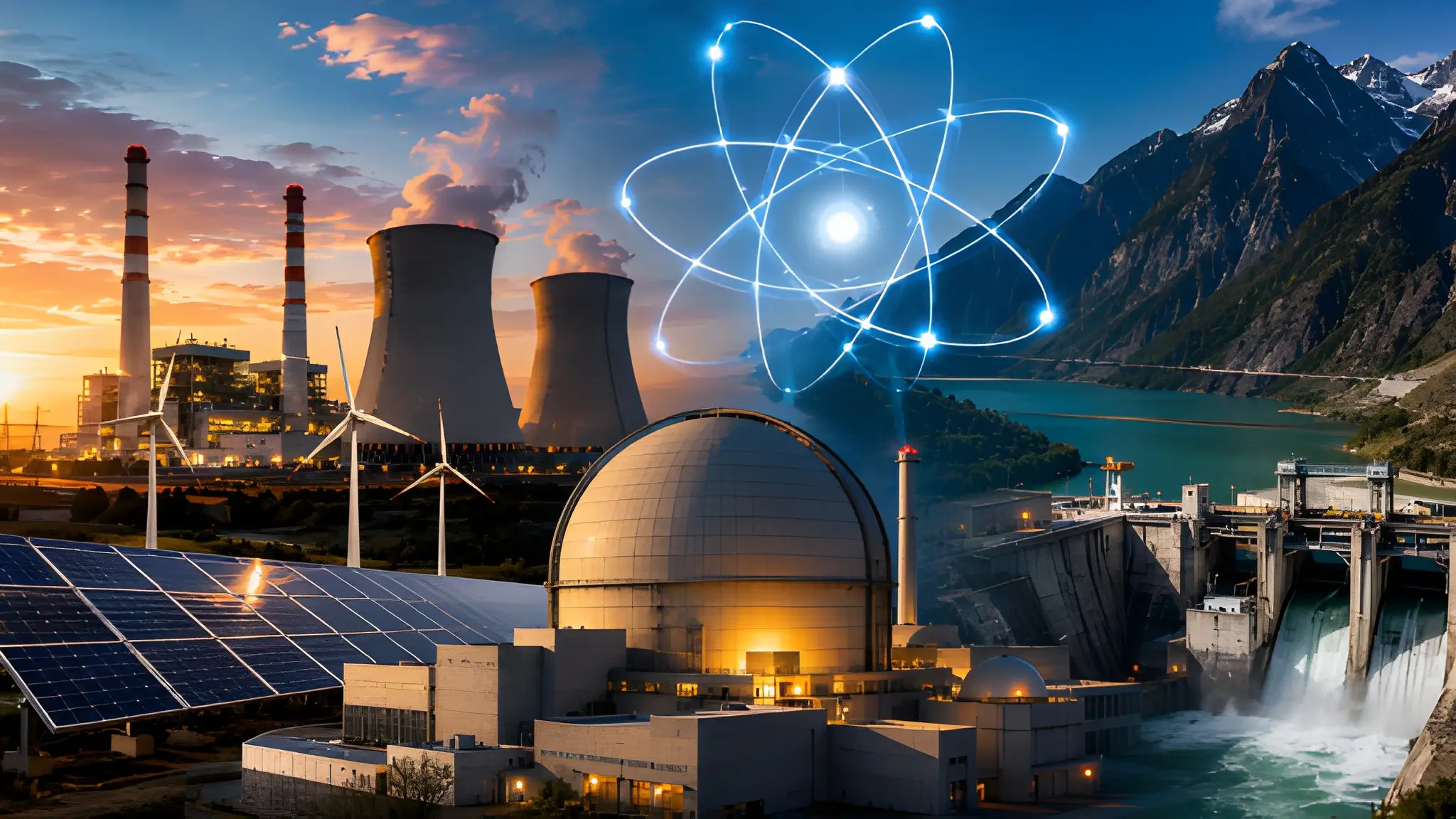
Adani Group has unveiled one of India’s most ambitious private-sector energy expansion plans, committing more than ₹2 lakh crore to significantly increase electricity generation capacity over the next five years. The announcement, made during the company’s Annual General Meeting, places power infrastructure at the center of Adani’s long-term growth strategy as electricity demand continues to accelerate across manufacturing, digital infrastructure, transportation, and urban development. The investment also marks the largest private-sector capital commitment ever announced for India’s power generation sector. The move reinforces the group’s intention to remain a dominant infrastructure player as the country’s energy requirements continue expanding.

Chairman Gautam Adani said Adani Power will increase its generation capacity to 45 GW within five years through the record investment program. The expansion follows the group’s ₹1.5 lakh crore investment during FY26, which represented more than 30% of India’s total new private-sector capital expenditure. The company views the capacity build-out as a response to sustained demand growth from industries, households, and large-scale infrastructure projects. Consequently, the investment extends Adani’s strategy of building integrated energy assets capable of supporting India’s long-term economic expansion. “There are some years in a group’s history that are more than milestones — they become defining years — years that prove the strength of conviction, years that demonstrate the power of resilience, years that reveal the difference between those who wait for clarity and those that build through volatility.” said Gautam Adani.
Nuclear Energy Becomes Adani’s Next Strategic Growth Pillar
The group also announced its formal entry into India’s nuclear energy sector through the launch of Adani Atomic Energy. The company has already identified land parcels for future projects as it prepares to develop 10 GW of nuclear generation capacity by 2035. The initiative represents one of the most significant diversification efforts undertaken by a private Indian infrastructure company as policymakers increasingly evaluate nuclear power as part of the country’s long-term clean energy mix. The expansion broadens Adani’s portfolio beyond thermal and renewable generation into continuous baseload electricity production.
During the AGM, Gautam Adani described the initiative as a “confident step” toward strengthening India’s long-term energy security while delivering clean, round-the-clock electricity. Nuclear generation is expected to complement the company’s existing thermal and renewable assets by providing stable supply regardless of weather conditions. A diversified generation portfolio could also improve operational resilience as electricity demand becomes increasingly volatile across different sectors. The strategy positions the company to participate in multiple segments of India’s evolving energy landscape rather than relying on a single generation source.
Bhutan Hydropower Partnership Expands Regional Energy Presence
Adani Group also announced a cross-border renewable energy partnership with Bhutan’s Druk Green Power Corporation. Under the agreement, both companies will jointly develop 5,000 MW of hydropower capacity in Bhutan, expanding Adani’s presence in Himalayan renewable energy resources. The collaboration strengthens regional electricity cooperation while adding another clean generation source to the group’s growing portfolio. Hydropower remains an important component of South Asia’s renewable energy strategy because it offers dispatchable electricity alongside intermittent solar and wind resources.
The project also supports broader efforts to deepen energy cooperation between India and Bhutan through long-term infrastructure investments. Additional hydropower imports could strengthen regional electricity supply while contributing to India’s clean energy diversification goals. Furthermore, the partnership expands Adani’s international infrastructure footprint through strategic cross-border assets. The development aligns commercial growth with regional energy connectivity initiatives that continue gaining importance across South Asia.

Integrated Energy Strategy Targets Long-Term Growth
The latest announcements combine thermal, nuclear, and renewable investments into a single long-term infrastructure strategy designed to serve India’s rising electricity requirements. If completed according to current plans, the projects would substantially increase domestic generation capacity while reducing pressure on imported energy sources. The diversified investment approach also creates flexibility across multiple generation technologies as India’s energy mix continues evolving. The strategy reflects growing industry recognition that future electricity systems will require a combination of conventional, renewable, and nuclear generation rather than dependence on any single source.
Successful execution could strengthen Adani Group’s position as one of India’s largest multi-source energy providers while increasing its attractiveness to global infrastructure investors and strategic partners. However, nuclear projects typically involve extended regulatory processes, significant capital commitments, and long development timelines that could affect implementation schedules. Cost escalation or approval delays could influence project sequencing as the company balances expansion priorities across its broader portfolio. Even so, the overall investment program signals increasing confidence that India’s power demand will continue supporting large-scale infrastructure deployment over the coming decade.











