Skip to content
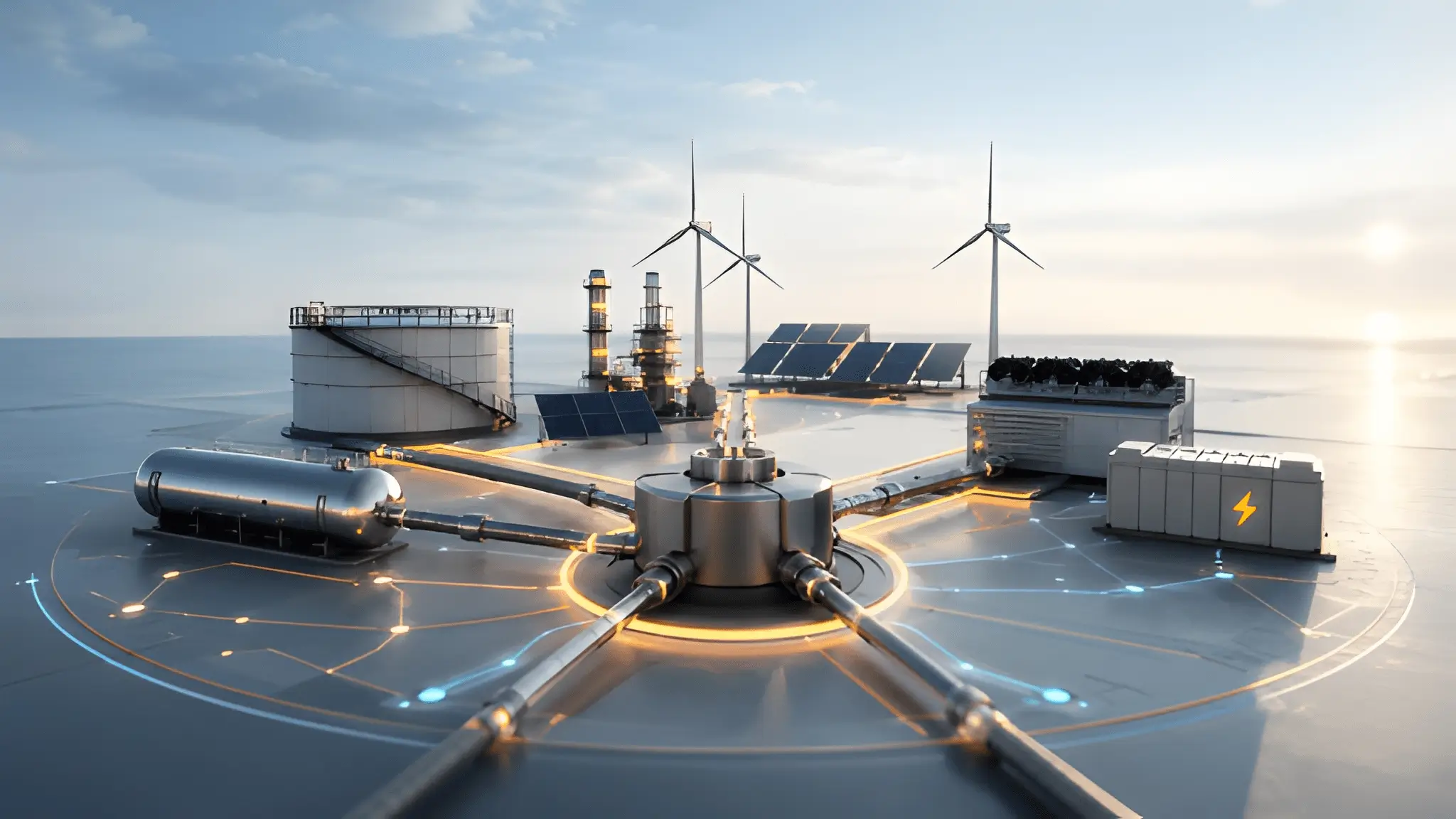
Digital infrastructure has a expanded the way and planners evaluate energy security by placing greater emphasis is a energy supply. While installed generation capacity and fuel reserves remain central to energy planning, infrastructure discussions increasingly examine whether energy systems can continue operating reliably when individual assets or supply pathways experience disruption. The more consequential question asks whether a single failure can interrupt everything built around those resources. Across several Middle Eastern energy strategies, investments in grid interconnections, reserve capacity and diversified infrastructure demonstrate a growing recognition that maintaining alternative operating pathways can strengthen overall system resilience alongside new generation and transmission assets.

That unused capacity often appears inefficient on a balance sheet. Infrastructure investors traditionally reward assets that operate at high utilization because idle equipment produces no immediate revenue. Yet hyperscale computing, advanced manufacturing and mission-critical digital infrastructure continue proving that spare capacity functions less like wasted capital and more like operational insurance. Several Middle Eastern countries are incorporating resilience, grid modernization and infrastructure diversification into long-term energy strategies, reflecting broader recognition that reliable infrastructure supports economic development and investment confidence. Recent energy investments across several Middle Eastern countries illustrate that expanding supply and improving system resilience are increasingly being pursued together as complementary infrastructure priorities. Bigger systems do not automatically become stronger systems. Highly connected systems become stronger when they eliminate single points of dependence.
The industry keeps measuring production while resilience changes the equation
Energy discussions frequently celebrate installed capacity. Governments announce gigawatts. Utilities publish generation forecasts. Investors compare production targets. Those figures remain important, yet they rarely describe how an energy system behaves under stress. A network capable of producing enormous amounts of electricity can still experience significant disruption if one transmission corridor, one fuel source or one distribution hub becomes indispensable. Capacity and resilience represent different measurements. One describes volume. The other describes survivability.
This distinction increasingly influences digital infrastructure planning. Data center developers rarely assume that one electrical feed will remain available indefinitely. Multiple substations, redundant cooling systems, diverse fiber routes and backup generation all exist because continuous operation depends on eliminating singular dependencies rather than maximizing individual assets. Similar resilience principles are increasingly reflected in energy planning through investments in grid flexibility, diversified generation portfolios and transmission modernization.

Redundancy creates value before any emergency arrives
Unused infrastructure often attracts criticism because it seems underutilized. Idle transmission capacity, reserve generation and alternative supply routes appear expensive when evaluated only through immediate utilization rates. Digital infrastructure demonstrates why that interpretation misses a larger economic reality. Cloud platforms routinely operate with excess computing resources because customers purchase reliability alongside processing power. Network operators maintain spare bandwidth because congestion destroys service quality. Semiconductor manufacturers build operational buffers because production interruptions cost substantially more than preventive investment. Many modern energy systems are incorporating similar resilience principles by investing in reserve capacity, diversified energy resources and infrastructure flexibility.
The value of redundancy extends beyond emergency response because resilient infrastructure reduces operational risk, an important consideration for investors, utilities and large industrial energy users. Large industrial developments, hyperscale campuses and advanced manufacturing facilities commit billions of dollars only when infrastructure uncertainty remains manageable. They evaluate operational continuity alongside energy prices because prolonged outages create costs that exceed normal electricity expenses. As a result, infrastructure resilience gradually becomes an economic development strategy rather than simply an engineering objective.
Removing dependency may become more valuable than adding capacity
Energy transitions often concentrate on replacing one resource with another. Oil gives way to gas. Coal gives way to renewables. Renewable generation integrates storage. Each evolution expands technological diversity. Current infrastructure planning increasingly combines technological innovation with structural improvements that strengthen system resilience and operational flexibility. Alongside fuel diversification, many infrastructure planners are reducing reliance on single energy sources, transmission routes and critical assets to strengthen overall system resilience.
Diversified generation portfolios reduce exposure to individual supply disruptions. Multiple transmission pathways reduce geographic concentration. Distributed energy resources decrease reliance on centralized facilities. Flexible demand management prevents isolated infrastructure failures from cascading throughout an interconnected system. Each decision reduces dependency rather than simply increasing production.
That distinction matters because modern economies continue concentrating digital workloads into fewer, larger facilities. Artificial intelligence infrastructure, cloud regions and high-density computing campuses consume unprecedented amounts of electricity while demanding unprecedented reliability. As operational concentration increases, infrastructure diversity becomes even more valuable. Several Middle Eastern countries are adopting infrastructure strategies that emphasize energy diversification, transmission investment and grid resilience to support growing electricity demand.
The region may be investing in optionality rather than utilization
Energy investments across several Middle Eastern countries increasingly emphasize diversified infrastructure, reserve capacity and network flexibility as important components of long-term system resilience. Multiple independent pathways reduce exposure to geopolitical uncertainty, operational disruptions and rapidly changing electricity demand without requiring every available asset to operate continuously. Additional infrastructure can strengthen energy systems by reducing reliance on individual assets while also supporting future increases in generation and electricity demand.
Energy systems designed with diversified infrastructure and redundant operating pathways generally improve operational resilience, increase recovery options following disruptions and reduce system-wide operational risk. Reserve generation capacity and redundant infrastructure may operate infrequently, yet they remain essential components of reliable power systems because they provide operational flexibility during maintenance, emergencies and periods of peak demand. As artificial intelligence, hyperscale computing and industrial electrification increase electricity demand and infrastructure complexity, resilience, redundancy and operational flexibility are becoming increasingly important considerations in long-term energy planning.
Current energy investments across several Middle Eastern countries indicate a growing emphasis on building diversified and resilient energy systems where multiple generation sources, transmission pathways and supporting infrastructure reduce reliance on any single critical asset. That philosophy transforms redundancy from an unused reserve into one of the most valuable forms of infrastructure resilience available to modern economies.