Skip to content

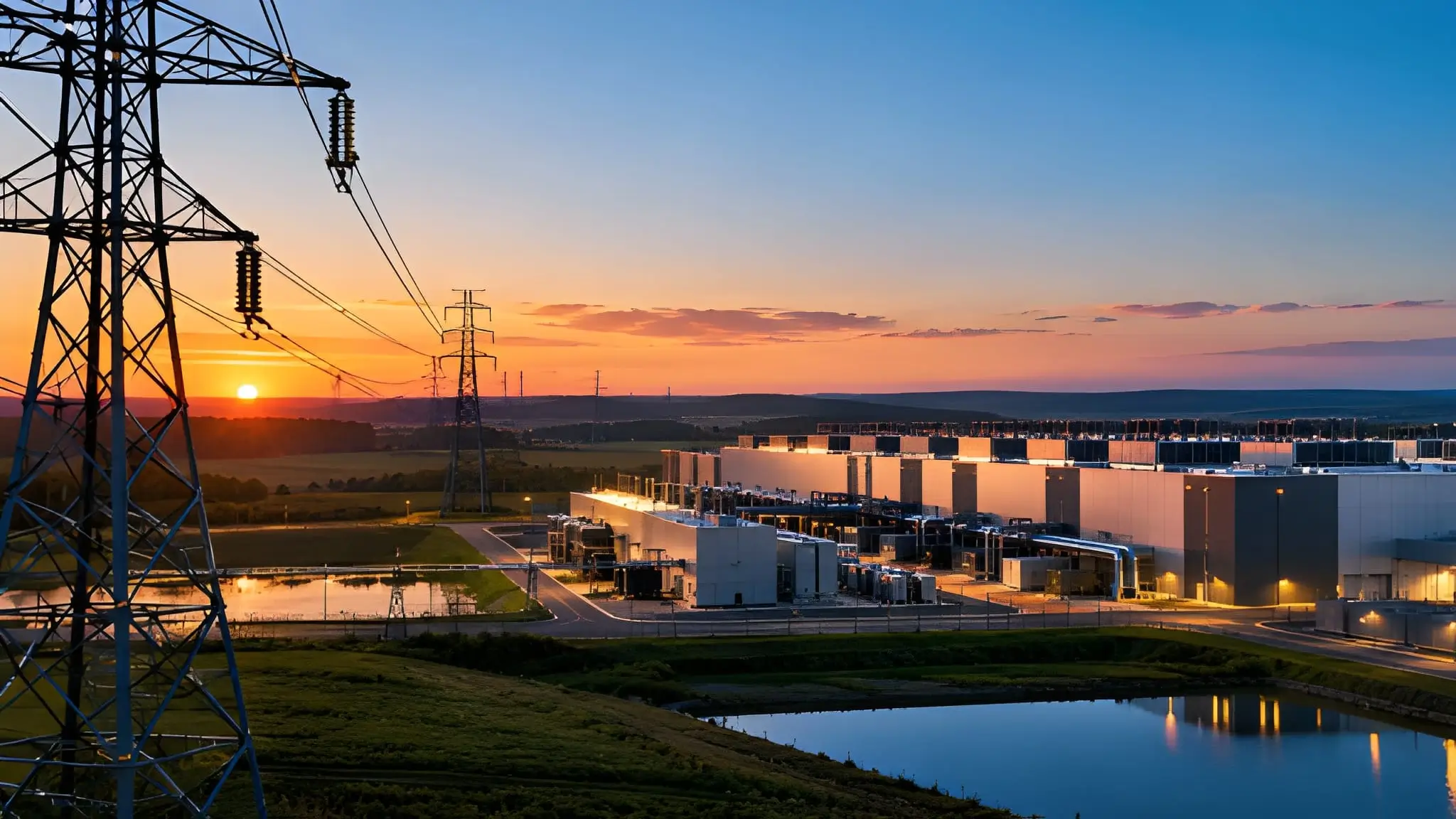
A data center can have an efficient cooling system, carefully planned computing infrastructure and a strategy for securing electricity, yet still encounter a problem that no individual component can solve. Its connection to the wider electrical network must work under real operating conditions, not merely satisfy the requirements drawn up during the design phase. This is where the technical challenge of Google’s proposed data center in Pine Island, Minnesota, becomes particularly interesting.

The project provides a practical case study for examining how developers coordinate a data center’s electrical requirements with the infrastructure needed to serve its planned load. : Can developers design facilities that account for the operating requirements of an existing electricity network while coordinating the infrastructure needed to support additional demand?
The distinction matters because responsible infrastructure development involves more than securing an electricity supply. It requires engineers to understand how a facility will interact with the wider system, how that interaction will change as computing requirements evolve, and which parts of the design must remain flexible when electrical conditions differ from expectations. Google’s Pine Island proposal brings this engineering challenge into focus. The question is not whether a large data center needs power. It is whether the infrastructure surrounding that facility can accommodate its operating requirements without forcing every other part of the system to follow the same timetable.
A Data Center Cannot Engineer Its Way Around Every Electrical Limit
Modern data centers can improve their internal electrical efficiency through better power conversion, optimized distribution systems and more effective management of computing equipment. These improvements can reduce waste within the facility and help operators use their available power more effectively. However, internal efficiency cannot eliminate every constraint outside the building. A more efficient server does not automatically create additional transmission capacity. A better-designed electrical room does not remove a limitation at a substation. Likewise, improved cooling performance does not guarantee that the surrounding network can deliver the required power under every operating condition.

This distinction exposes a persistent weakness in how the industry can approach infrastructure planning. Component-level optimization does not, by itself, establish that a data center’s electrical design accounts for every relevant interaction with the wider power system. The more useful engineering question is not simply how much electricity a facility consumes. It is how its electrical demand interacts with the network across different operating conditions, including equipment outages, maintenance periods and changes in computing utilization.
That analysis should inform the facility’s architecture from the outset. Engineers need to assess whether the proposed connection can support expected demand, whether the design can accommodate future electrical upgrades, and whether operating flexibility could reduce pressure during constrained periods. These questions do not imply that the Pine Island project cannot be served reliably. They identify the technical considerations that any major new load must address when connecting to an existing electricity network.
Infrastructure Timelines Must Influence Computing Timelines
The construction of a data center and the development of its supporting electrical infrastructure follow different technical sequences. A building team can advance civil works, equipment procurement and internal fit-outs while external transmission or substation work follows its own planning, approval and construction process. Those schedules do not necessarily align. If the electrical connection becomes available later than the building, the operator may have a completed facility without the capacity needed to deploy its intended computing systems. If developers commit to equipment installations before confirming the readiness of supporting infrastructure, they may create avoidable scheduling pressure.
This is not simply a project management inconvenience. It can influence capital deployment, commissioning plans and the sequence in which computing capacity becomes commercially useful. The Pine Island proposal illustrates why grid readiness deserves a place in early infrastructure decisions. A realistic development plan must connect the anticipated availability of electrical capacity with the installation and commissioning of computing equipment. That means treating the electrical connection as a critical engineering dependency, with clear assumptions about the conditions required before each phase can proceed. It also means acknowledging that a technically sound data center design may need to evolve when the supporting network cannot accommodate its original timetable. Responsible planning should make room for that possibility rather than treating every deviation as an unexpected disruption.
Responsibility Must Be Measured Beyond the Facility Boundary
The word responsible can describe several different engineering outcomes, including efficient resource use, reliable operations and compatibility with existing infrastructure. Those outcomes overlap, but they are not interchangeable. A facility may improve its internal energy efficiency while still requiring substantial changes to the network outside its property. It may secure a dedicated connection without resolving every constraint associated with the wider system. It may also support future infrastructure improvements while facing practical limitations during the period before those improvements become available. None of these circumstances automatically establishes whether a project succeeds or fails. They demonstrate why a single measure cannot capture the full engineering challenge.
For Google’s proposed Pine Island data center, the more useful test is whether the facility’s development and operating plans account for the electrical system as it exists, including the limitations that engineers identify during detailed planning. That assessment requires more than a statement of intent. It requires a technically credible relationship between projected computing requirements, connection readiness, infrastructure upgrades and operating flexibility. The broader lesson extends beyond one project. As AI infrastructure expands, developers will need to integrate grid conditions into decisions that once focused primarily on land, buildings and computing equipment.