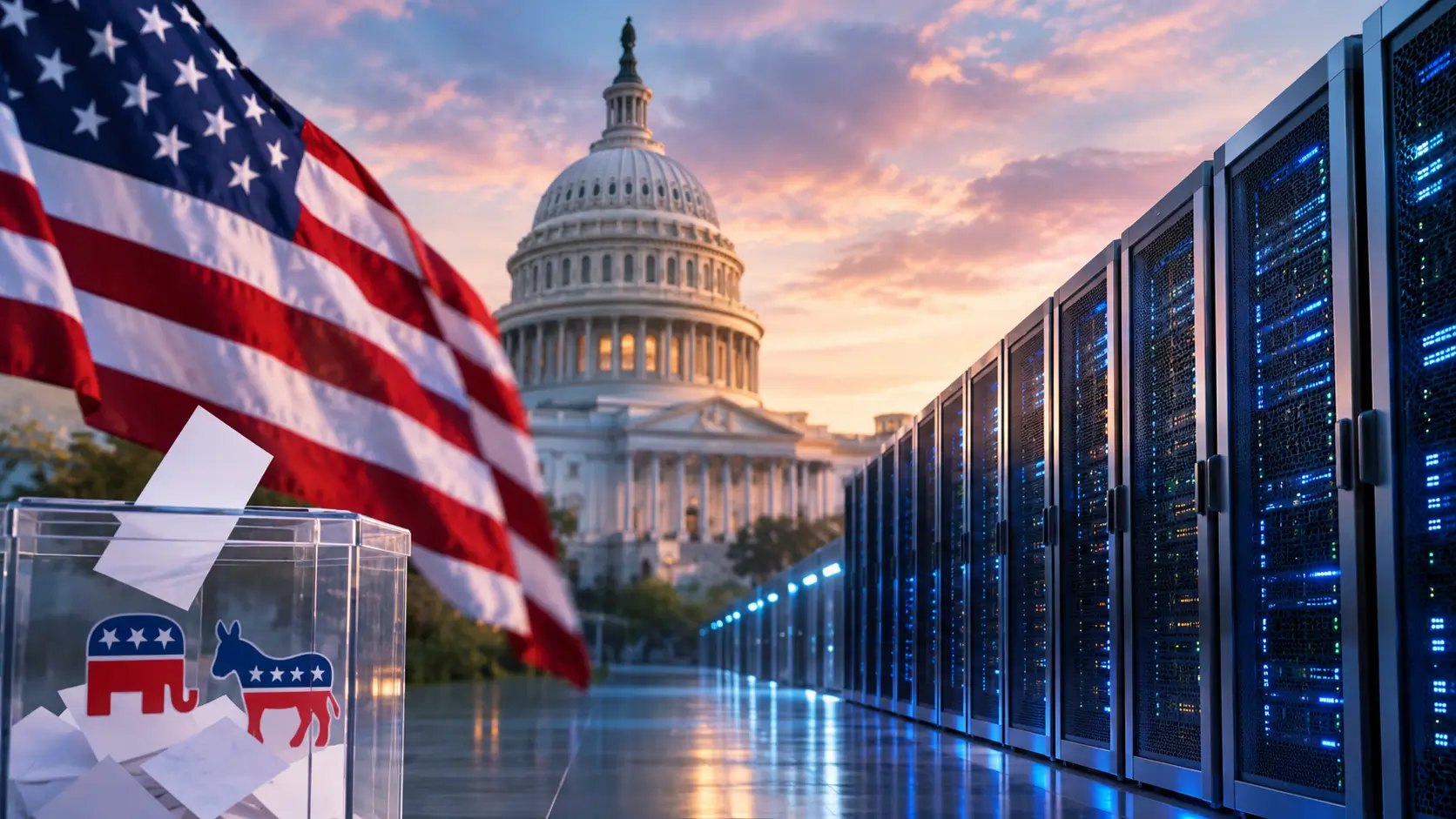
The 2026 US midterms have reshaped the risk profile of America’s AI infrastructure boom. Data center developers no longer face only a race for power; they now face a tougher battle for political approval and community consent. As AI workloads consume available grid capacity and electricity costs rise, voters and policymakers have turned data center expansion into a major affordability and infrastructure issue.

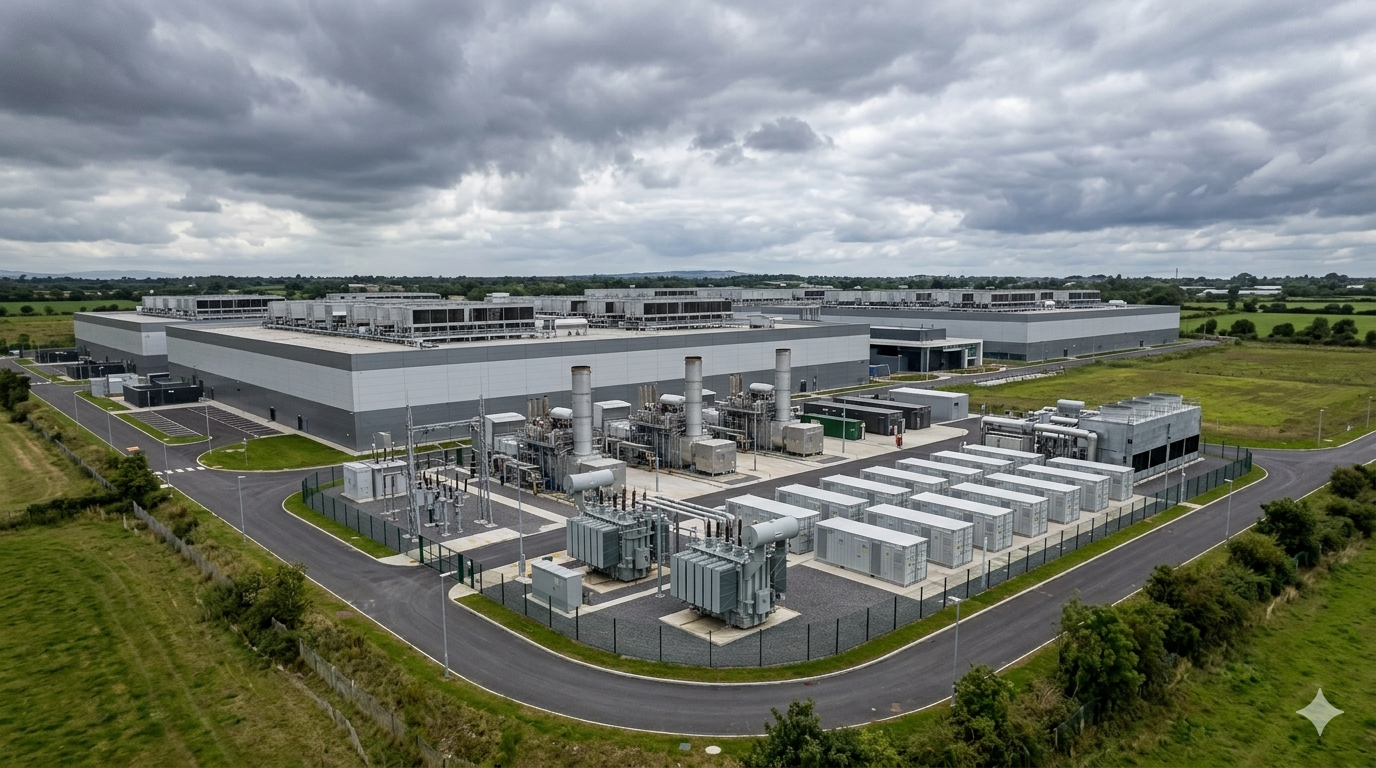
The election shifts much of the industry’s risk from Washington to state governments, utility commissions and local communities. Compute Forecast estimates that 46–70 GW of planned data center capacity across seven key states could face delays beyond 2030 or cancellation, with Texas accounting for more than half of the exposure. Projects already under construction face significantly lower risk, which should protect near-term capacity deliveries.
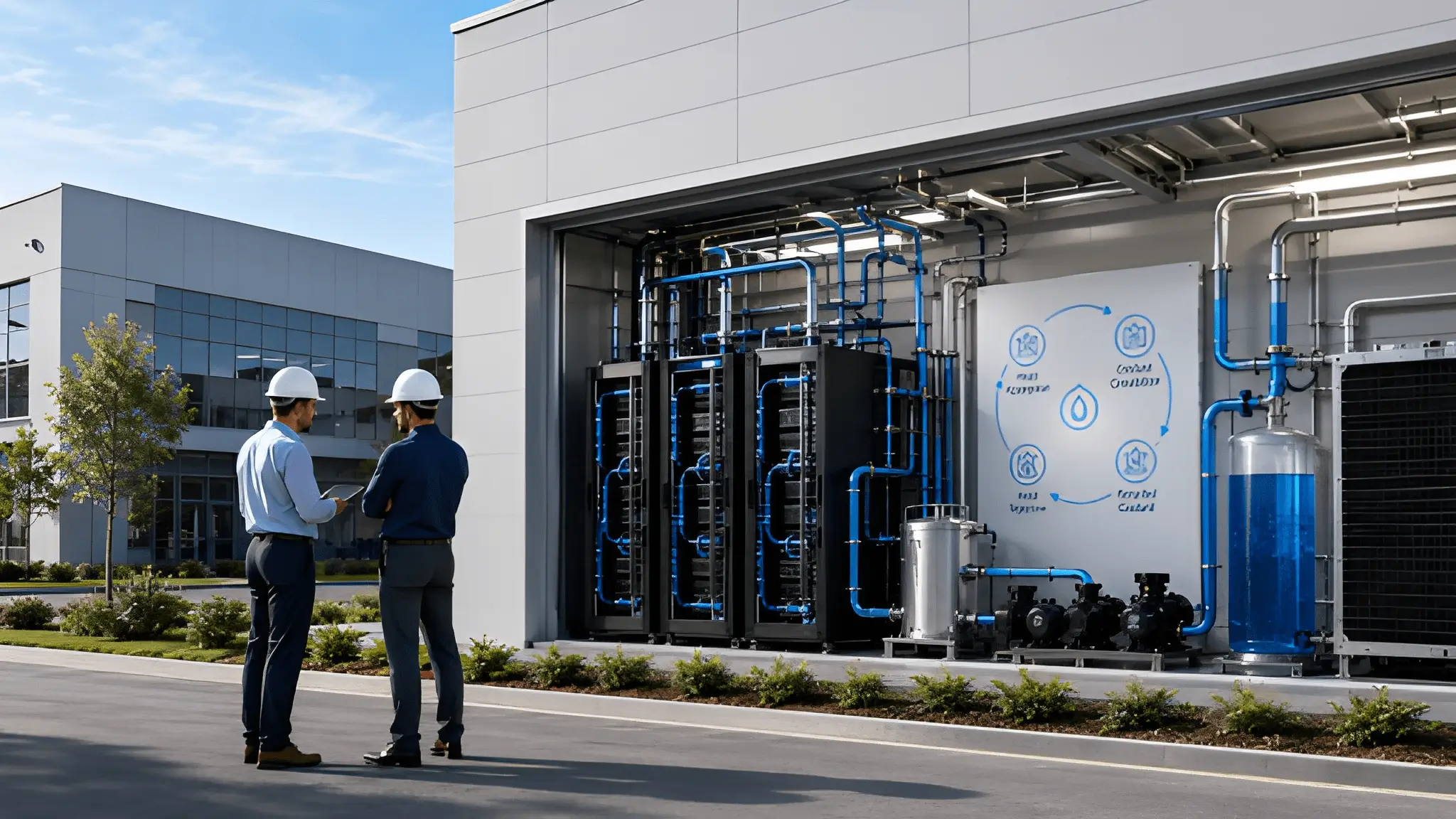
The analysis identifies community consent as a new core infrastructure requirement. Developers must now secure more than land, capital and power. They must also demonstrate how projects will protect local electricity consumers, manage water use and contribute tangible benefits to host communities. Projects with secured interconnection agreements, transparent cost structures, self-funded grid upgrades and enforceable community agreements will hold a stronger position than speculative developments.
For hyperscalers, neocloud providers, investors and infrastructure developers, the US remains the world’s most important AI infrastructure market. However, the development model has changed. The next phase will favour projects that combine secured power with regulatory certainty and local support. Developers and investors must therefore reprice political and community risk alongside traditional infrastructure metrics while expanding alternative capacity strategies, including opportunities in India for export workloads, inference and backup capacity.