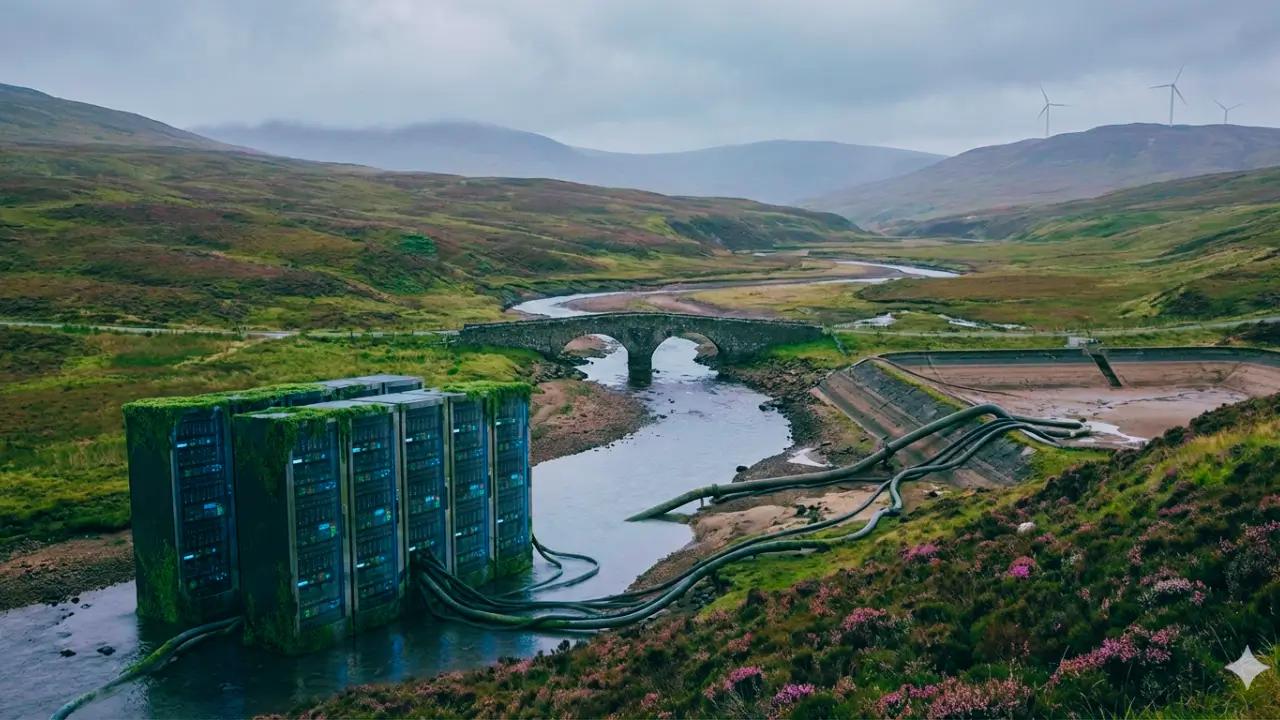
While the environmental cost of water is the most visible “hidden” factor, the underlying driver is a massive spike in compute demand. Scotland is currently positioning itself as a European hub for Data Science and AI, but this ambition requires a level of processing power the country is only beginning to account for.
Why Scotland has Become a Compute Magnet
Data center developers choose Scotland for two main reasons: cool temperatures and abundant renewable energy. In conventional data processing, the climate enables “free cooling” using outside air. AI workloads change that equation.
High-density GPUs run much hotter than traditional servers. Ambient air cooling often fails to manage that heat, even in cold regions. Operators therefore rely heavily on water-based cooling systems despite Scotland’s climate advantage.
Wind power also attracts AI operators, but AI compute runs continuously. When wind generation drops, facilities draw power from the grid. This creates direct competition with residential heating and electric vehicle charging.
Storage to Intelligence
Scotland’s digital infrastructure now supports a very different type of demand. Earlier data centers stored static data and required modest energy density. Generative AI training and real-time inference demand intense, concentrated power.
Modern AI server racks consume five to ten times more electricity than standard racks. Existing infrastructure cannot easily absorb that load. Fiber networks, substations, and water systems were not designed for the heat and power density of large-scale AI deployment.
The Cooling Technology Dilemma
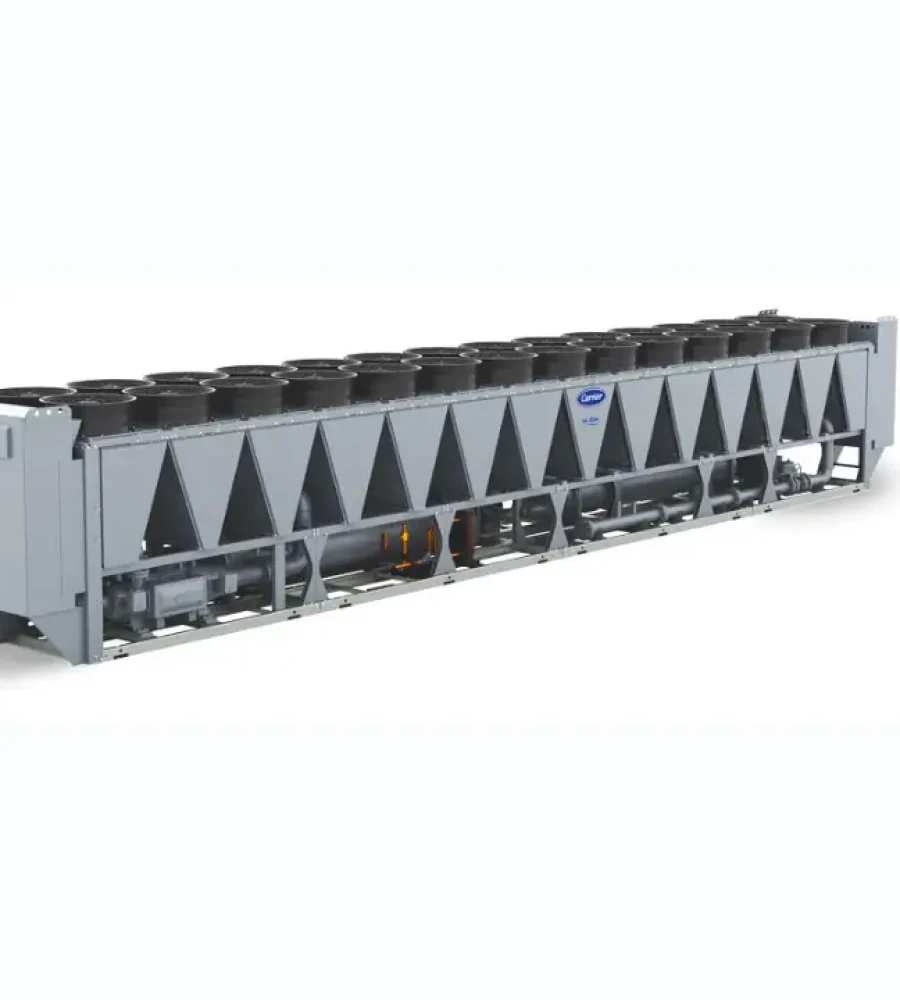
Cooling design largely determines environmental impact. Many of Scotland’s 16 existing AI data centers use open-loop cooling systems. These systems draw fresh water continuously and discharge it after one cycle.
That approach increases water waste and raises the risk of thermal pollution. Closed-loop systems offer a more sustainable alternative. They reuse the same water repeatedly but require higher upfront energy use and more complex equipment. Regulators now face growing pressure to push existing sites toward recycled cooling systems.
The Net Zero Conflict and the Rebound Effect
Scotland aims to reach Net Zero by 2045, but AI introduces a structural challenge. AI improves efficiency in sectors such as energy management and manufacturing. At the same time, the models themselves consume vast amounts of power and water.
This dynamic creates a rebound effect. Efficiency gains risk being offset by rising resource demand. Without a water-positive mandate, where facilities return more water than they extract, rapid AI expansion could undermine conservation goals.
Long-term sustainability depends on transparency and new metrics. Experts such as Professor Ana Basiri argue that the industry must look beyond performance alone. Measuring liters of water per kilowatt-hour offers a clearer view of AI’s real footprint. Solutions such as heat-recovery systems could redirect waste heat from data centers to nearby homes and businesses, turning an environmental cost into a shared benefit.