The Burgeoning Carbon Cost of Everyday AI
Artificial intelligence is no longer a niche research tool used for isolated research. It now plays a role in applications that range from everyday text generation to real‑time recommendations in mobile apps. That shift has amplified the ongoing energy burden of inference, the phase when trained AI models respond to user requests. While training used to dominate discussions about AI’s energy footprint, recent research suggests that inference may consume as much or more energy over the lifetime of a model due to constant global use. In many cases inference consumes roughly 60 percent of energy tied to AI operations once models are deployed at scale.
Despite growing emissions, many technology firms and climate advocates default to carbon offsets or renewable energy credit purchases as their primary mitigation strategy. That approach fails to match the structural and temporal realities of inference‑driven emissions. Offsets are built on future promises and backward‑looking accounting. The persistent energy demand created by billions of daily AI inquiries is shaping up to be a long‑term atmospheric liability that these schemes cannot neutralize.
The Temporal Mismatch Between Emissions and Offsets
Offsets often allow companies to claim “carbon neutrality” by funding projects that remove or avoid carbon over decades. Typical offset projects include tree planting, funding wind farms, or promoting renewable power development. In practice those efforts may take many years to yield lasting carbon impacts. A forest planted today may not sequester significant carbon until decades later.
Inference emissions, by contrast, are released instantly with every AI query. Researchers have estimated that a single AI query can generate a few grams of carbon dioxide equivalent, which is an order of magnitude higher than a standard web search. When multiplied by millions of users and billions of requests per day, these small per‑query footprints manifest as large absolute emissions.
Offsets that promise sequestration far in the future effectively create a carbon debt that the atmosphere must carry today. Because climate outcomes depend on cumulative atmospheric concentrations, delayed mitigation does not prevent warming in the near or mid term. Traditional offsets do not address this timing gap, which means they cannot compensate for the instantaneous and growing emissions from AI inference.
Efficiency Gains and the Rebound Challenge
Technology lovers often celebrate efficiency improvements in hardware and software. Recent AI accelerators like the Nvidia HGX B200 demonstrate that newer hardware can significantly reduce energy per operation and embodied carbon intensity per unit of compute. For example, industry analysis shows that the HGX B200 can reduce operational carbon emissions for inference workloads by up to 90 percent compared with older hardware, while also lowering manufacturing‑related emissions intensity by about 24 percent.
Even so, efficiency gains do not translate directly into net energy reductions. Lower cost per token of inference encourages wider and novel uses. When energy per unit of computation falls, developers and businesses integrate AI into tasks that previously lacked justification due to cost. This phenomenon aligns with the Jevons Paradox, where increased efficiency lowers cost and drive increased total consumption of a resource.
In the AI context, that means inference can appear cheap and efficient in isolation while total energy consumption across all deployments grows rapidly. A chatbot that once was used only for research becomes a background agent automating customer service, autocomplete, content generation, and more. In such a world, offsets calibrated to a linear emissions trajectory miss the non‑linear expansion of energy demand driven by efficiency‑induced adoption.
Additionality and the Greenwashing Trap
One fundamental condition of legitimate carbon offsets is additionality. A project qualifies only if it would not have occurred without the funding provided by the offset purchase. This requirement is meant to ensure that the offset produces actual incremental emissions reduction.
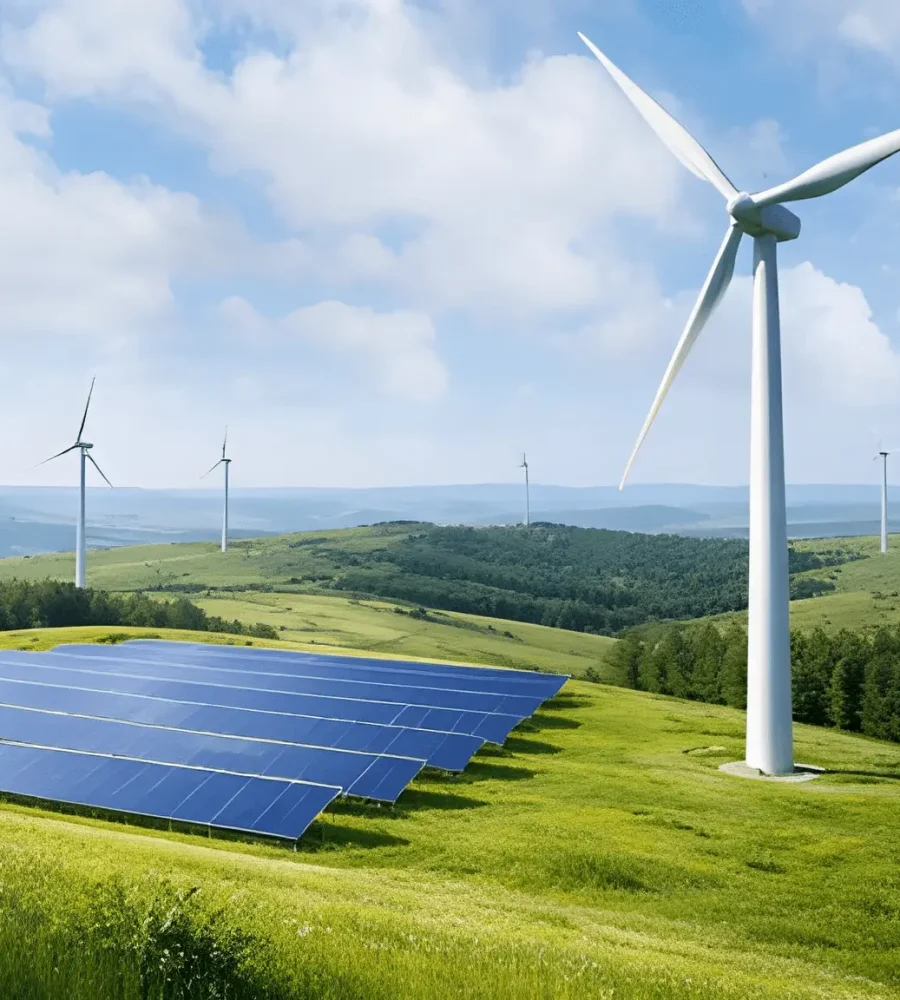
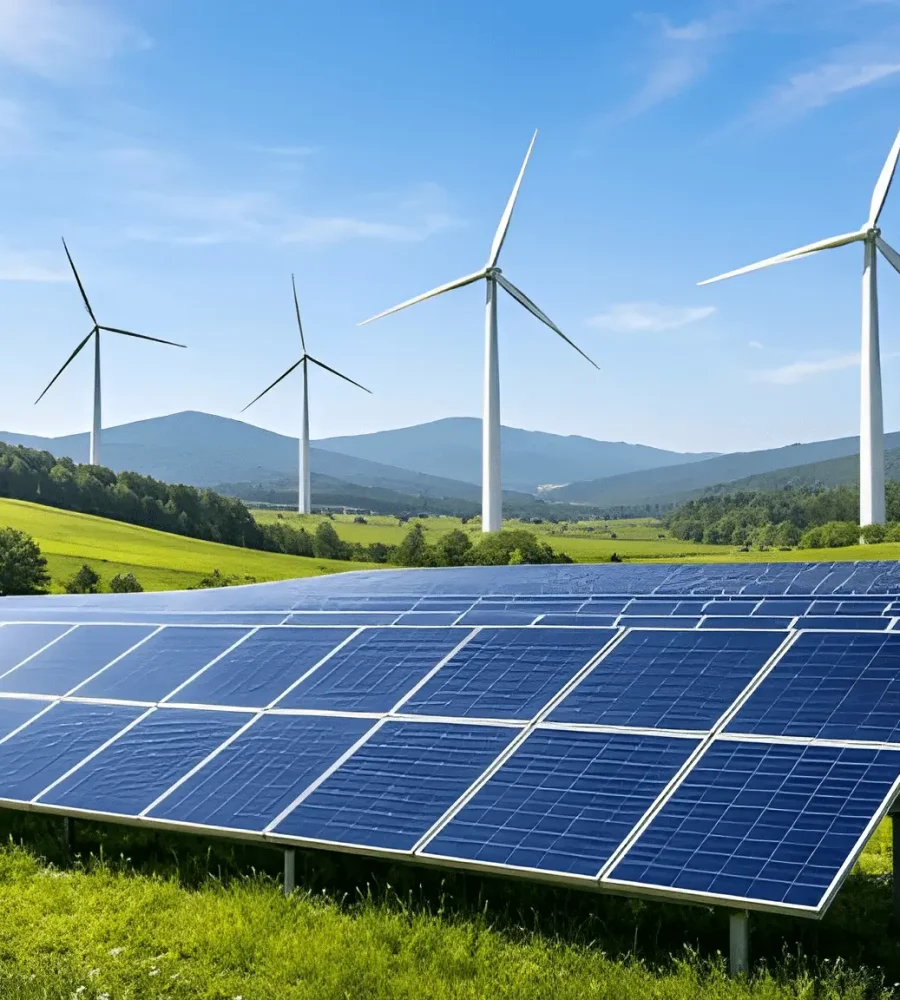
In many cases related to tech firm offsets, however, renewable energy projects are already economically attractive. Solar and wind installations have become cost‑competitive with fossil fuels in many regions without additional subsidies.
Buying renewable energy credits for projects that would have been built anyway does not reduce new emissions. That practice reshuffles labels on a spreadsheet while the underlying grid continues to burn carbon‑intensive power to meet rising demand from data centers hosting AI inference workloads. This dynamic far from guarantees that offsets are steering capital into genuinely new carbon reductions, weakening their climate integrity.
Decentralized Inference and Edge Carbon Footprints
Offsets often account for emissions from centralized facilities, such as large data centers. These are labelled Scope 2 emissions in corporate reporting frameworks. They may also include some Scope 3 categories, like indirect operational emissions from purchased electricity.
Inference is moving increasingly to the edge, on smartphones, laptops, cars, and Internet of Things devices. Devices perform inference locally, responding to voice queries, applying real‑time filters, and performing predictive tasks. Each device’s emissions are small and scattered, yet billions of such events create a decentralized heat and carbon footprint that escapes typical offset accounting.
Traditional carbon offset programs are not designed to manage this pervasive, distributed impact. Attempting to verify, aggregate, and offset decentralized emissions at the scale of billions of devices is technically and economically infeasible with current frameworks.
The Manufacturing Carbon Burden and Turnover Cycle
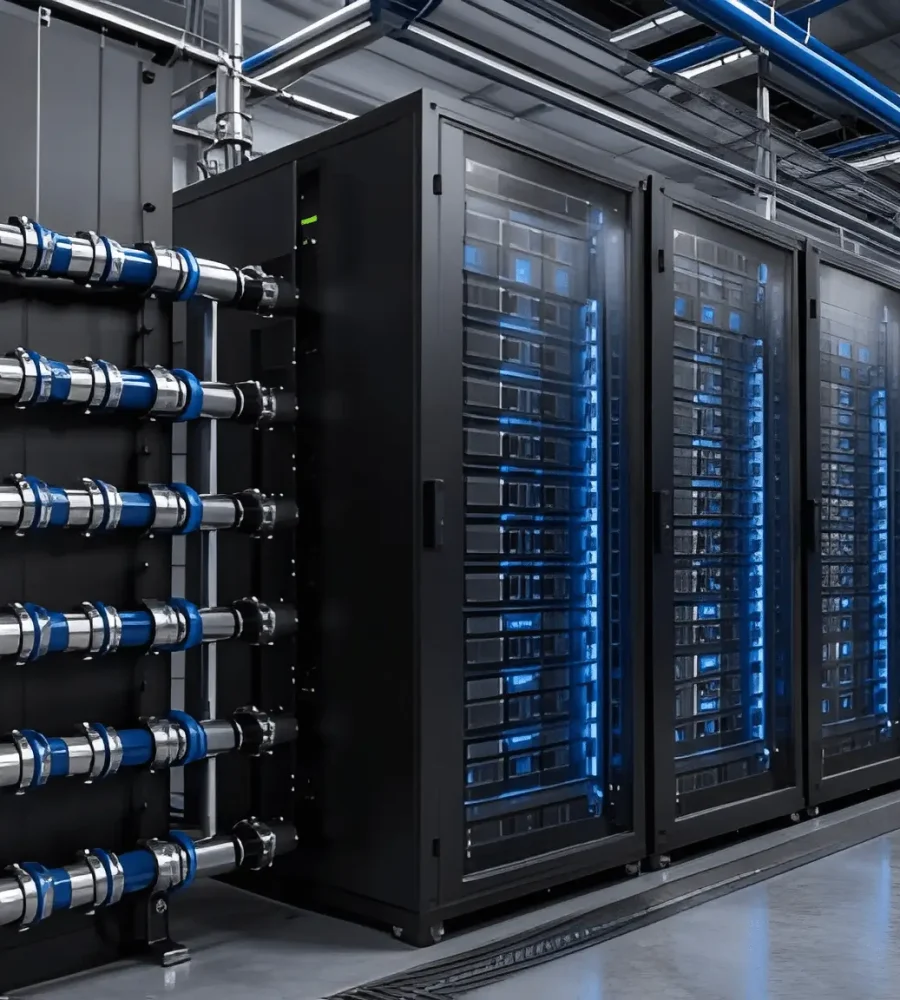
Offsets focus on emissions during operation, leaving out a significant source of climate impact: the embodied carbon in manufacturing computing infrastructure. AI systems rely on specialized hardware such as GPUs and tensor processors with complex circuitry and high‑temperature fabrication processes. These processes generate substantial emissions upstream before the hardware ever processes a single inference.
Rapid cadence of new hardware generations incentivizes frequent device turnover. A focus on releasing successive, more efficient products encourages operators to retire still‑serviceable hardware, adding to e‑waste and embodied emissions. Embodied carbon and premature obsolescence form a corner of AI’s climate profile that current offset schemes almost always overlook.
What Climate Policy Must Focus On Instead
Offsets alone will not address the multifaceted challenge that inference emissions present. Policy makers and industry leaders should instead focus on:
- Hard caps or limits on total energy consumption tied to AI services, which could be enforced via regulatory frameworks.
- Mandatory reporting of energy use and lifecycle emissions, including both operational and embodied carbon, to align incentives with genuine reductions.
- Carbon‑aware routing and scheduling systems that minimize emissions by shifting inference workloads to times and locations with cleaner grid mix.
- Innovations in model design to reduce inference overhead without sacrificing utility, such as mixed‑precision models or hybrid edge‑cloud strategies.
Climate strategies must evolve from offset accounting to real emissions governance framed by physics and usage patterns, not future promises.
Time Matters in Climate Accounting
Inflation of inference usage changes the rules of the sustainability game. Carbon emitted when users interact with AI today adds directly to atmospheric greenhouse gas concentrations. Offsets that promise future sequestration cannot reverse or delay those emissions in the critical near term.
Addressing the inference boom’s climate impact requires direct mechanisms that limit actual emissions, drive hardware and software innovation toward genuine efficiency gains, and hold providers accountable for the total lifecycle impact of their infrastructure. Without such structural shifts, offsets will remain a cosmetic solution that masks an accelerating carbon footprint.