When the world’s largest asset manager highlights the growing link between artificial intelligence and sustainability, it is not making a moral argument. It is signaling a shift in scale. AI has expanded far enough that it now shapes power systems, emissions pathways, and financial stability. These effects no longer sit at the margins of technological progress.
In its 2026 outlook, BlackRock treats artificial intelligence as an economic force. Decisions about where companies build AI infrastructure already shape capital flows, energy demand, and climate risk.
By 2026, AI will likely sit at the center of global growth narratives. Yet the physical systems behind that growth reveal a more complex reality. Technologies known for efficiency now place sustained pressure on energy networks that still struggle to decarbonize.
That tension can no longer be ignored.
AI = Energy Problem
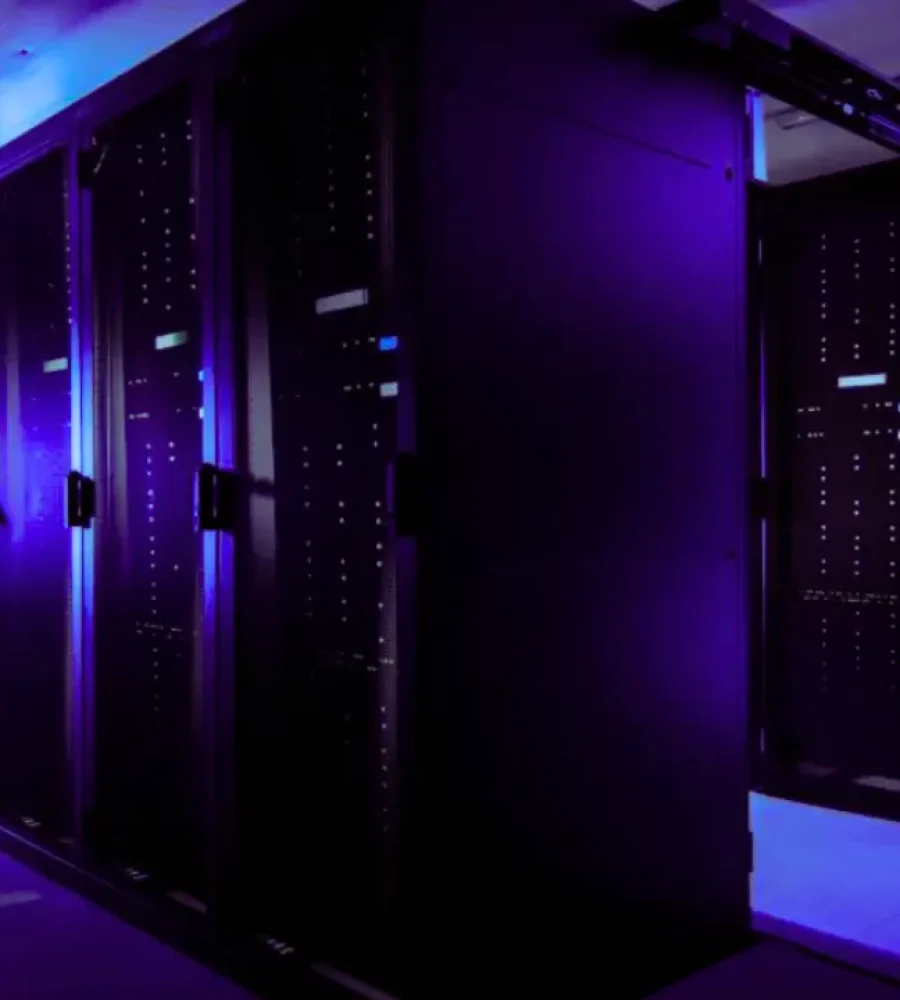
Large-scale AI adoption drives electricity demand. Modern AI workloads rely on dense computing clusters that run continuously. As businesses move these systems into daily operations, power demand becomes permanent.
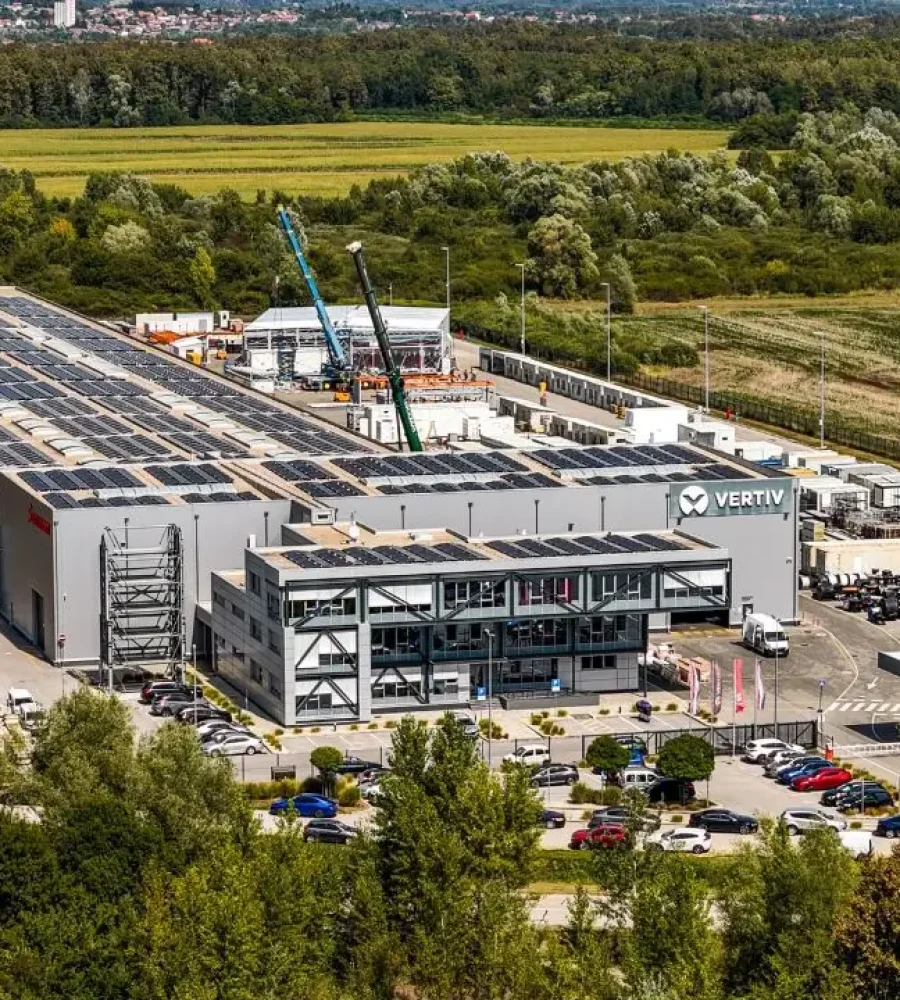
Energy systems do not adapt quickly. Developers can deploy data centers in months. Utilities expand power grids over decades. In many regions, new digital infrastructure connects to grids that still depend on fossil fuels.
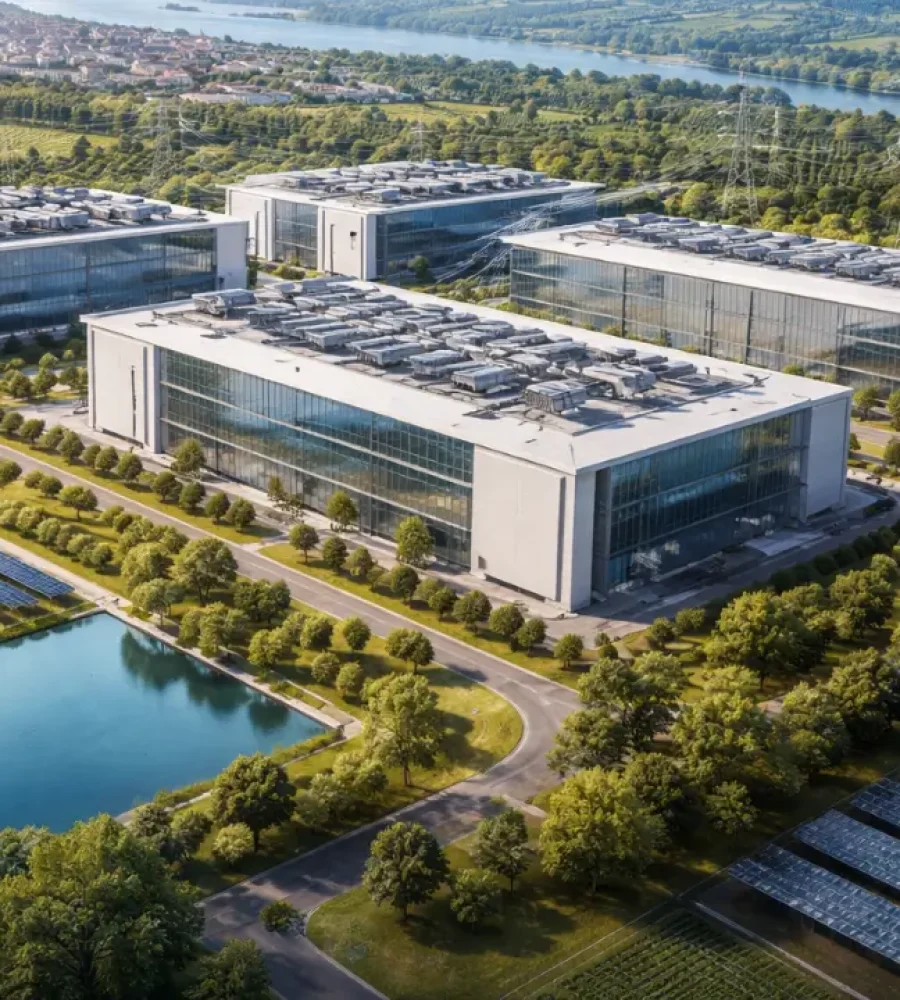
As a result, grid carbon intensity now shapes AI’s environmental footprint. Data center location, regional power markets, and access to clean electricity determine how digital growth translates into emissions. Physical constraints lock in emissions long before efficiency gains can offset the load.
Clean Energy Is Quietly Changing Roles
Large technology buyers now treat clean energy differently. They no longer view renewables as reputational tools. Instead, they build them into operating assumptions.
Companies increasingly sign long-term contracts for solar, wind, nuclear, and energy storage. These agreements stabilize costs and reduce regulatory exposure. Clean electricity now functions as a core input for digital infrastructure.
This shift exposes a deeper weakness. Power generation has advanced faster than the systems that move and balance electricity. Transmission lines, interconnections, and storage capacity remain limited. When these constraints persist, clean energy cannot scale with digital demand.
Under those conditions, AI strains the energy transition instead of supporting it.
Emissions Arrive Before the Gains
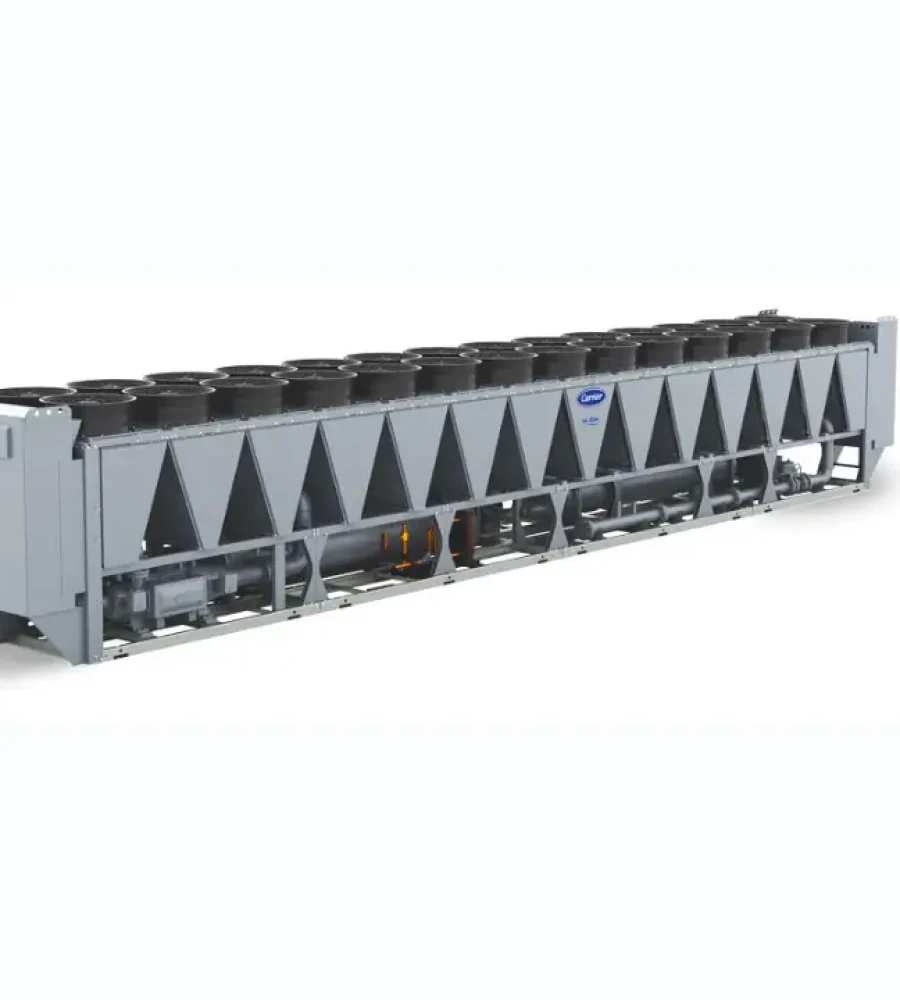
Timing complicates the sustainability story. AI-driven emissions arrive early. Data centers require carbon-intensive construction. Chip manufacturing consumes energy and materials. Cooling systems, backup generators, and network upgrades add further demand.
Economic gains take longer. Productivity improvements and efficiency gains spread gradually across industries. From a climate perspective, this creates imbalance. Emissions rise immediately, while benefits accumulate slowly.
Without intervention, this pattern repeats a familiar mistake: accepting near-term damage in exchange for uncertain future gains.
Efficiency Depends on Infrastructure
AI can support emissions reduction over time. Operators can manage grids more precisely. Manufacturers can optimize production. Logistics firms can reduce waste.
These outcomes depend on conditions. AI improves efficiency only when systems can respond. Where clean power remains scarce, grids remain rigid, and storage remains limited, those gains shrink.
In such environments, AI reinforces inefficiency instead of correcting it.
A New Kind of Financial Risk
As digital systems and energy infrastructure intertwine, financial risk changes form. Assets that once moved independently now share physical vulnerabilities. Heatwaves, water shortages, and grid failures can disrupt multiple sectors at once.
This convergence weakens diversification. Exposure to AI-driven growth increasingly means exposure to the same infrastructure. When those systems fail, shocks spread quickly.
In this context, sustainability measures resilience as much as emissions.
Why Capital and Policy Matter More Than Code
Most solutions sit outside software. Grid upgrades, storage systems, and efficiency improvements rely on private capital and long-term financing. These investments attract less attention than AI models, yet they determine outcomes.
Public policy also shapes results. Permitting delays, fragmented regulation, and weak transmission investment slow alignment between digital growth and clean energy. When coordination fails, emissions rise.
Markets alone will not solve this problem.
Growth Is Being Redefined
AI is redefining growth itself. Expansion that boosts output while destabilizing energy systems or raising emissions now looks fragile.
Algorithms will not decide AI’s environmental impact. Grids, financing structures, and political choices will. That reality explains why institutions now frame sustainability as a systemic risk.
AI can intensify climate pressure or help manage it. The outcome remains open. It will depend on how quickly energy systems adapt and whether decision-makers treat sustainability as foundational.
By 2026, that choice will matter far beyond any headline about intelligence alone.