AI’s Water Paradox Reshapes America’s Data Center Future
America’s artificial intelligence boom has been framed as a contest for chips, power, and real estate. Less visible, yet increasingly consequential, is water. As data centers multiply to support AI workloads, water consumption has shifted from an operational footnote to a strategic concern. The strain is emerging across regions already grappling with scarcity. This collision between digital acceleration and physical limits defines what industry analysts now describe as AI’s water paradox.
Cooling the Intelligence Economy
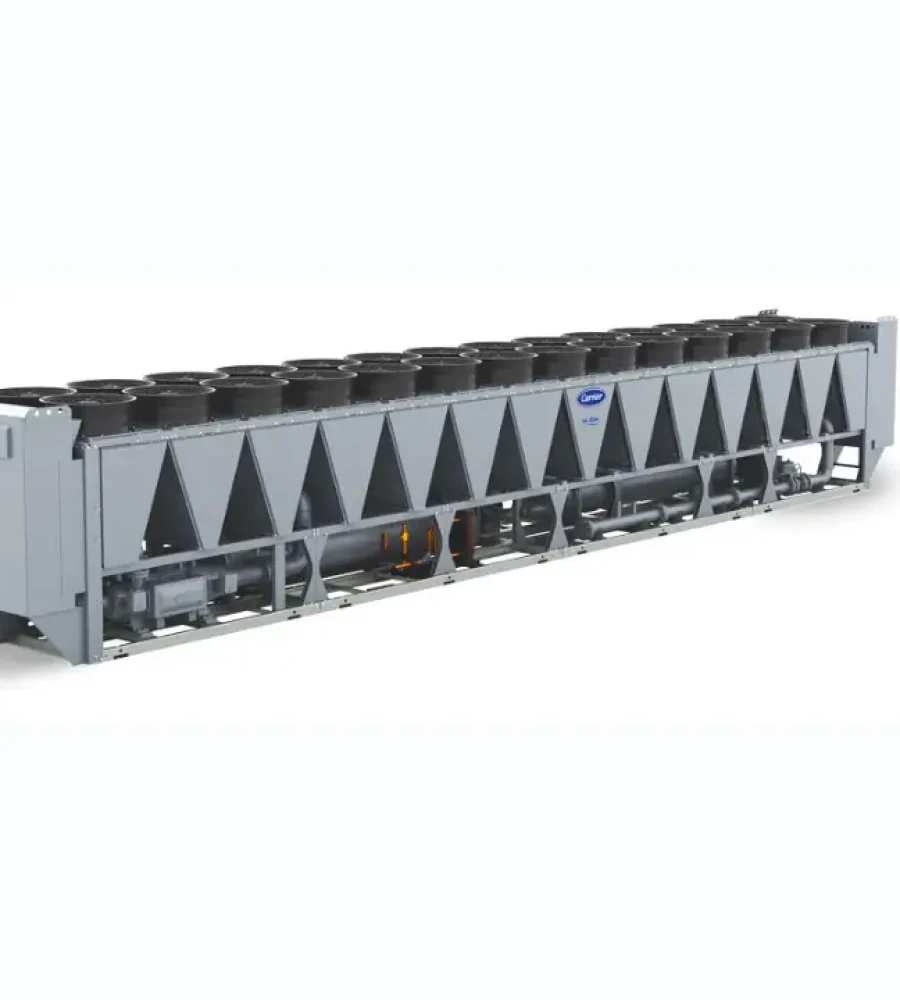
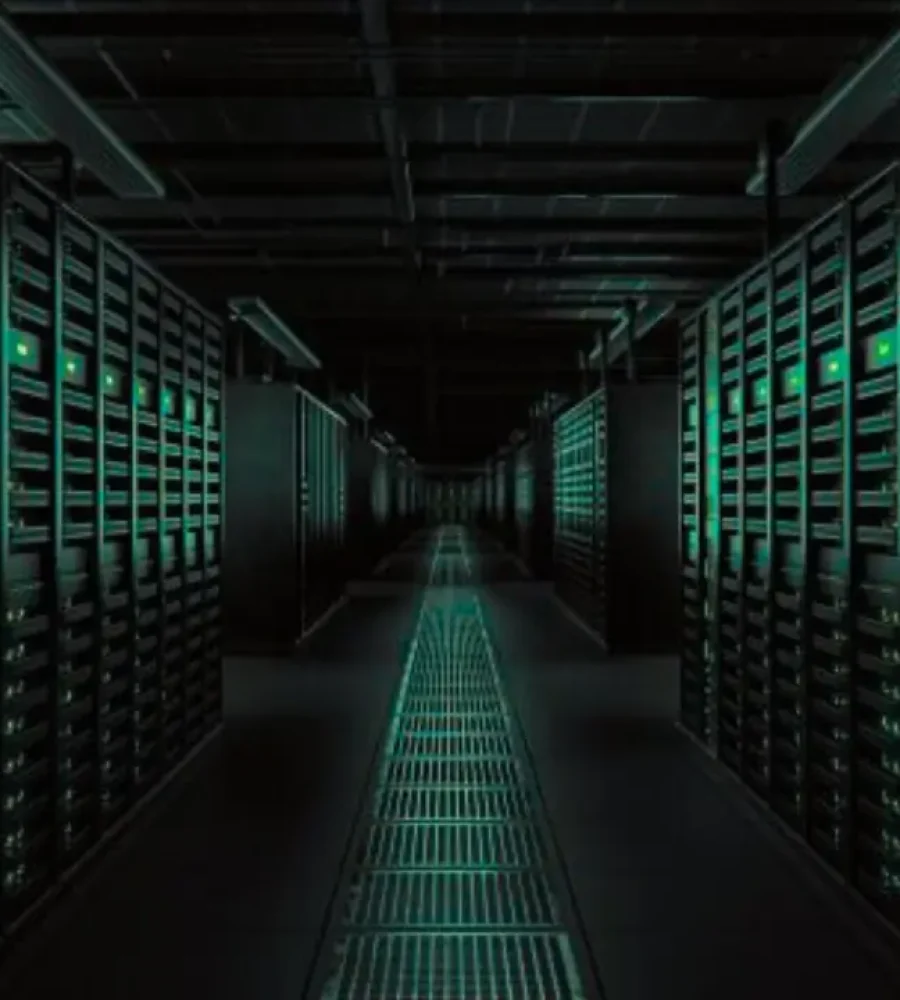
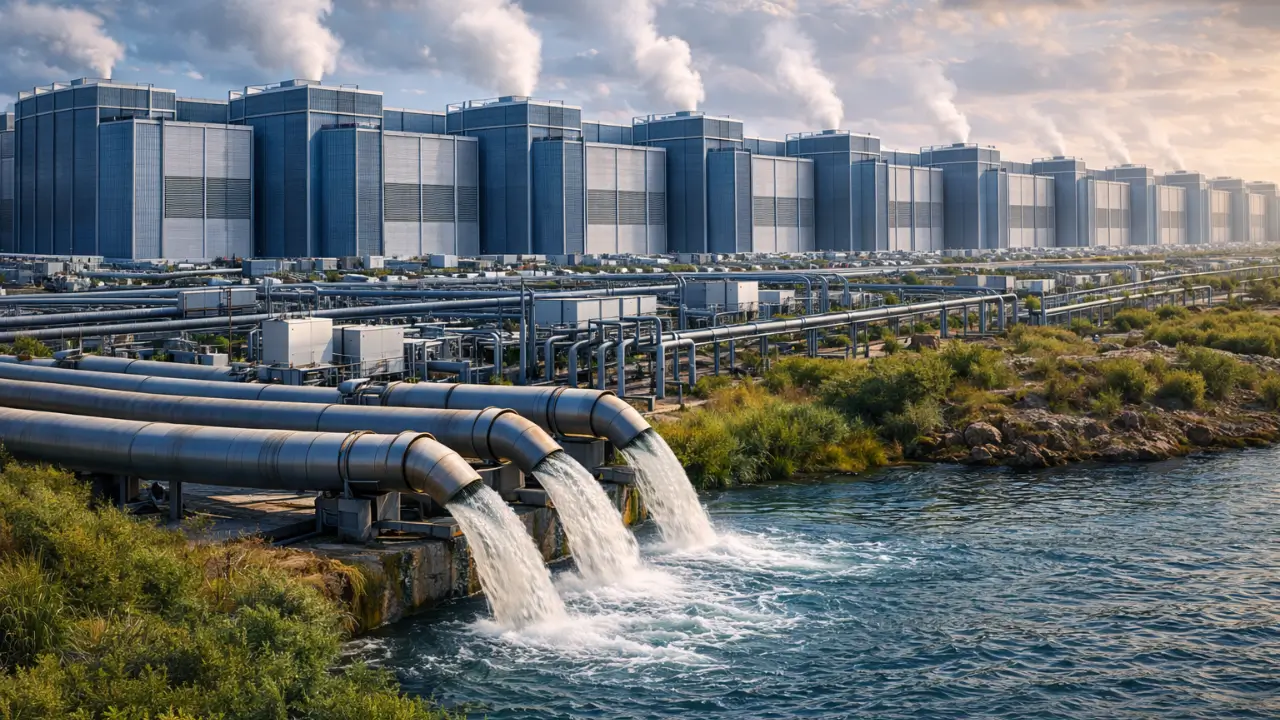
Advanced AI computing produces extreme heat densities. To manage thermal loads, many hyperscale data centers rely on evaporative or water-based cooling systems. These designs offer efficiency at scale but require substantial volumes of water. Aggregated federal and industry data indicate U.S. data centers consumed about 17 billion gallons of water in 2023. Forecasts project annual usage could reach between 16 billion and 33 billion gallons by 2028 as AI capacity expands.
Water demand extends beyond facility boundaries. Electricity generation introduces a second layer of consumption. Thermoelectric power plants, which supply much of the U.S. grid, rely on water for steam cycles and cooling. When indirect use is included, the effective water footprint of AI infrastructure grows significantly. These off-site demands often escape local permitting reviews, obscuring the full scale of resource exposure.
Geography Amplifies Exposure
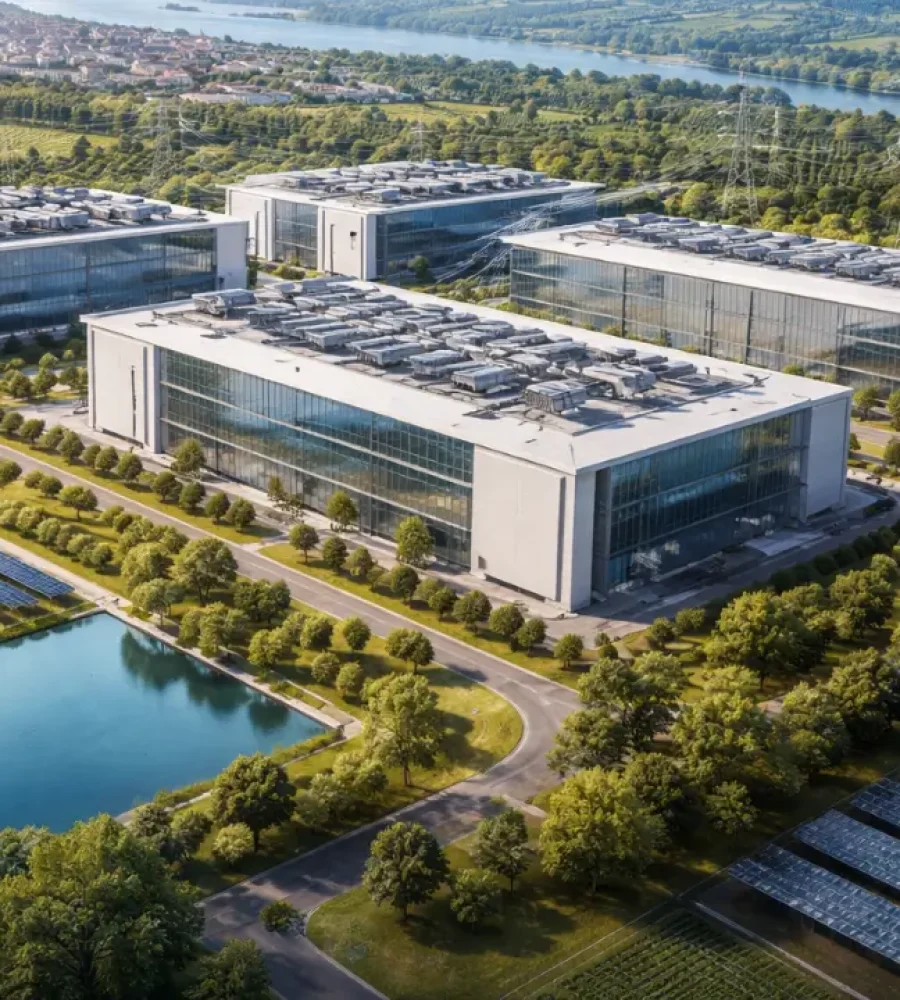
Data center development has clustered in regions offering favorable tax structures, land availability, and grid access. Arizona, Texas, Nevada, and California have emerged as major hubs. These same regions face chronic drought, declining reservoirs, and stressed aquifers. Introducing water-intensive facilities into these environments increases vulnerability during prolonged dry cycles and extreme heat events.
Local impacts vary by basin but share common traits. Municipal utilities must absorb abrupt demand growth. Rural systems encounter infrastructure constraints. Agricultural users face intensified competition. While many facilities operate within legal allocations, legality does not ensure long-term sustainability when hydrological conditions continue to deteriorate.
Oversight Trails Expansion
Regulatory frameworks have struggled to keep pace with AI infrastructure growth. In many jurisdictions, data centers receive permits under zoning rules designed for warehouses or light industrial projects. These processes rarely require detailed disclosure of water intensity or long-term withdrawal projections. As a result, cumulative basin-level impacts remain poorly quantified.
Some states have begun to respond. Legislatures in Virginia, Arizona, and Texas have considered measures mandating greater transparency around data center water usage. These initiatives emphasize reporting rather than caps, reflecting growing recognition that digital infrastructure represents a material water stakeholder.
Engineering Trade-Offs Come Into Focus
Technology offers pathways to reduce water intensity. Closed-loop cooling, air-assisted systems, and liquid immersion designs can sharply limit withdrawals. Adoption remains uneven. These systems often involve higher capital costs, increased power consumption, or operational complexity. In regions where water pricing remains low, conventional cooling frequently prevails.
Some operators have shifted toward reclaimed or non-potable water sources. While this reduces pressure on drinking supplies, it does not eliminate total demand. Wastewater reuse depends on local treatment capacity and still affects basin hydrology, particularly where systems already operate near limits.
Social and Environmental Spillovers
Water scarcity carries social consequences. Communities facing restrictions or rising costs increasingly question large industrial allocations. Data centers generate tax revenue and employment, yet their water footprint is immediate and local. This imbalance complicates public acceptance, especially during drought declarations.
Environmental effects extend beyond human use. Reduced streamflows, warmer discharge temperatures, and altered groundwater dynamics place additional pressure on ecosystems already strained by climate change. When AI deployment outpaces environmental review, mitigation measures tend to follow rather than guide development.
A Global Pattern Emerges
The U.S. experience mirrors developments elsewhere. Nations scaling AI capacity confront similar water-energy tensions. India, Australia, and parts of the Middle East face parallel trade-offs between digital ambition and constrained resources. AI’s water paradox reflects a global infrastructure challenge, not an isolated policy failure.
AI tools can improve water efficiency through predictive maintenance and system optimization. Technology alone cannot resolve physical constraints. Long-term alignment will require transparent reporting, integrated planning across energy and water agencies, and siting decisions grounded in hydrological reality rather than short-term economics.
Conclusion
AI’s water paradox underscores a fundamental truth. Digital infrastructure remains physical infrastructure. Its expansion reshapes resource systems and local economies. As AI scales, water will remain a defining constraint. How that constraint is managed will shape whether innovation advances alongside resilience or deepens existing vulnerabilities.