Cities are quietly becoming the proving grounds for the future of digital infrastructure. As data centers move closer to population centers, their impact on energy systems, communities, and climate goals is coming into sharper focus. Against this backdrop, atNorth’s announcement of a new Stockholm data center stands out.
It offers a compelling answer to a pressing question: how can the tech industry accommodate explosive data growth while remaining environmentally responsible?
The SWE02 project reframes what a data center can contribute to an urban ecosystem, offering a compelling case for circular infrastructure at scale.
Redefining the Role of the Data Center
For decades, data centers were widely regarded as opaque “black boxes.” They consumed enormous amounts of electricity and released waste heat into the atmosphere, offering little benefit beyond computation itself. This linear model of take, make, and waste, however, is rapidly losing relevance. In contrast, the SWE02 project represents a decisive shift toward circular thinking.
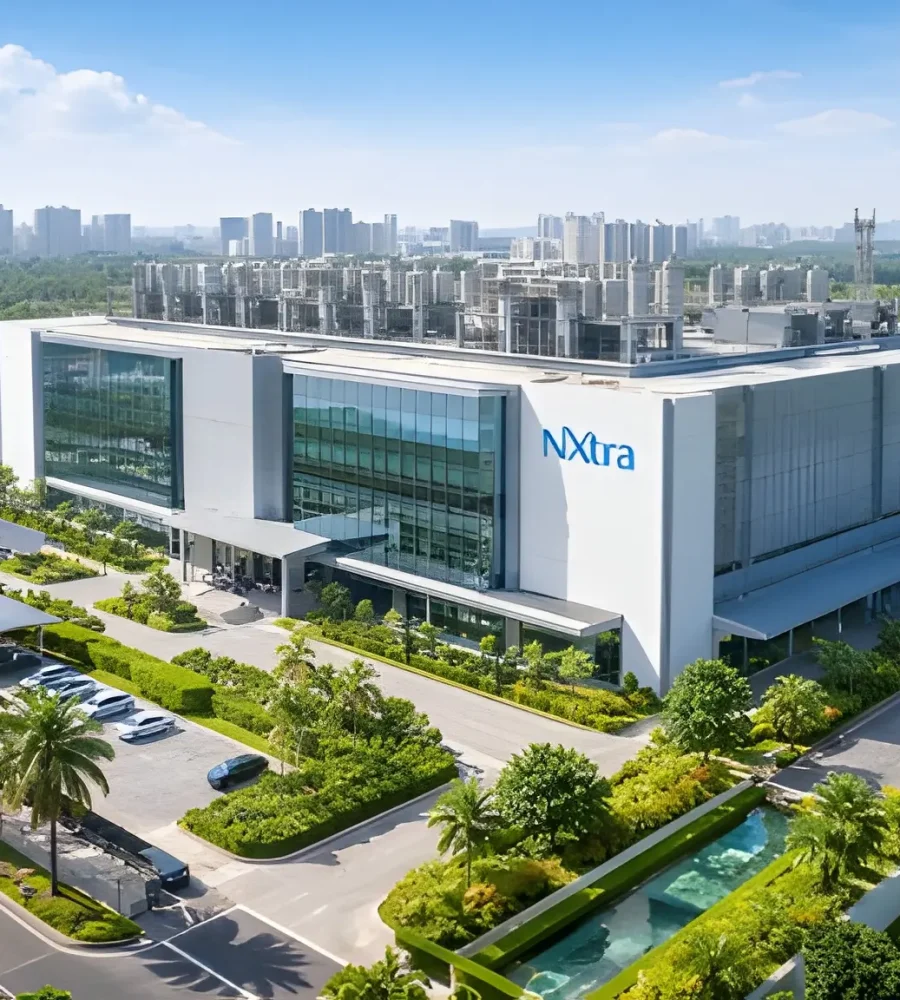
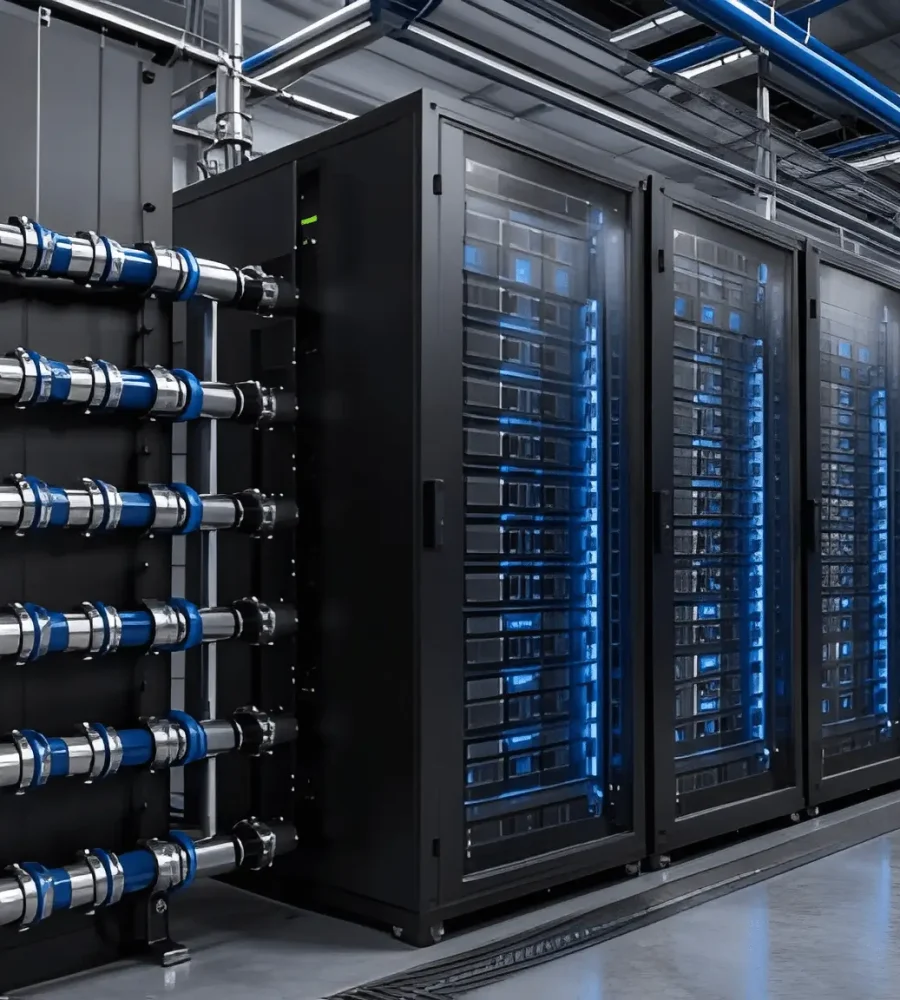
Scheduled for completion in late 2027, the 30MW metro site demonstrates how data centers can serve multiple functions within an urban ecosystem. Located in Stockholm’s Kista district, the facility is designed not only to process data but also to operate as a thermal energy source for the city. Through a partnership with Stockholm Exergi, excess heat generated by high-performance servers will be captured and redirected into the local district heating network. As a result, energy that was once discarded becomes a valuable input for warming nearby homes and businesses. In this way, each kilowatt-hour is used more efficiently, reinforcing the logic of circular infrastructure.
The Strategic Power of Proximity
If you see the strategic placement of SWE02– by situating the new facility near its existing SWE01 campus, atNorth is deliberately creating a unified metro cluster. This proximity enables seamless operations between sites, which is increasingly critical for enterprises that require high levels of redundancy and resilience. Workloads can be distributed across multiple buildings, reducing risk while preserving low-latency connectivity.
At the same time, the expansion delivers benefits that extend well beyond atNorth’s customer base. Notably, the project has driven the construction of a new electrical substation by Ellevio. Although this infrastructure is necessary to support the 30MW campus, it also strengthens the surrounding electrical grid. Consequently, the investment enhances community resilience rather than placing additional strain on existing systems. This ripple effect underscores how thoughtfully designed digital infrastructure can actively improve urban environments.
Economic Vitality and Climate Leadership
The strong support of Stockholm’s local government further illustrates the alignment between economic development and climate ambition. Mayor Karin Wanngård has emphasized that the SWE02 project supports the city’s broader environmental goals. In many parts of the world, data center growth is met with resistance due to concerns about energy consumption. In Sweden, however, these facilities are increasingly viewed as contributors to both employment and energy efficiency.
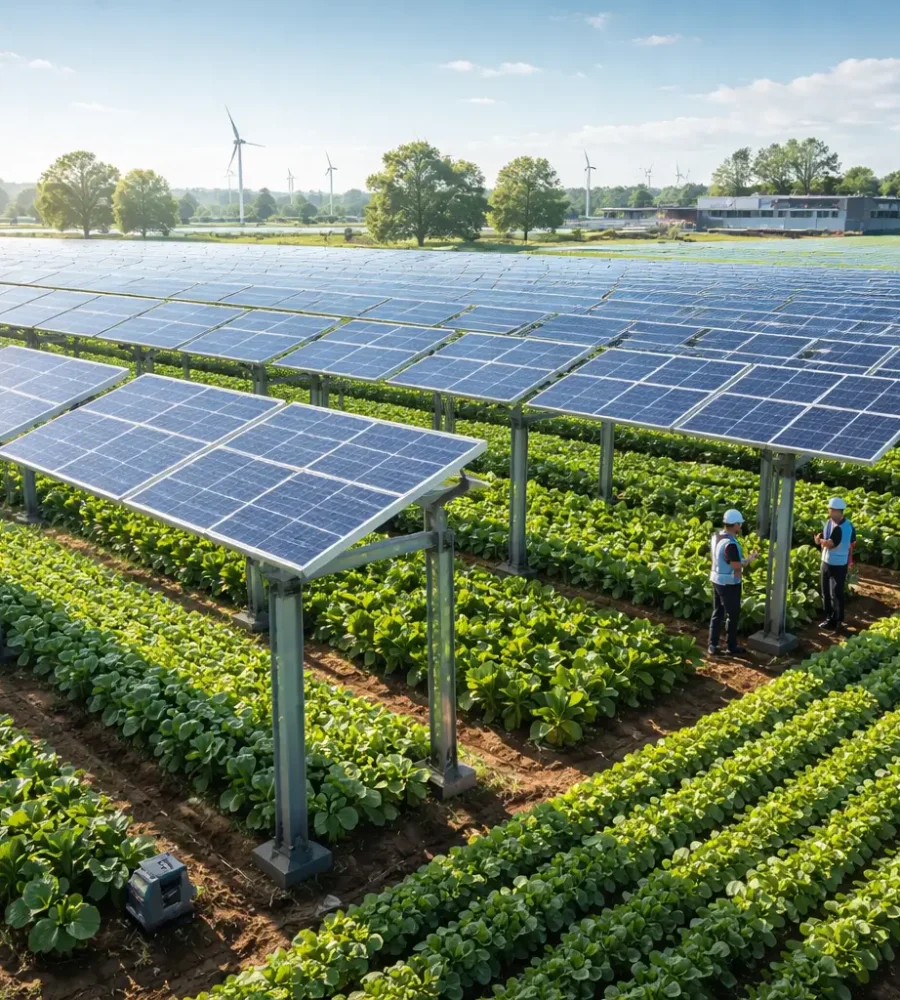
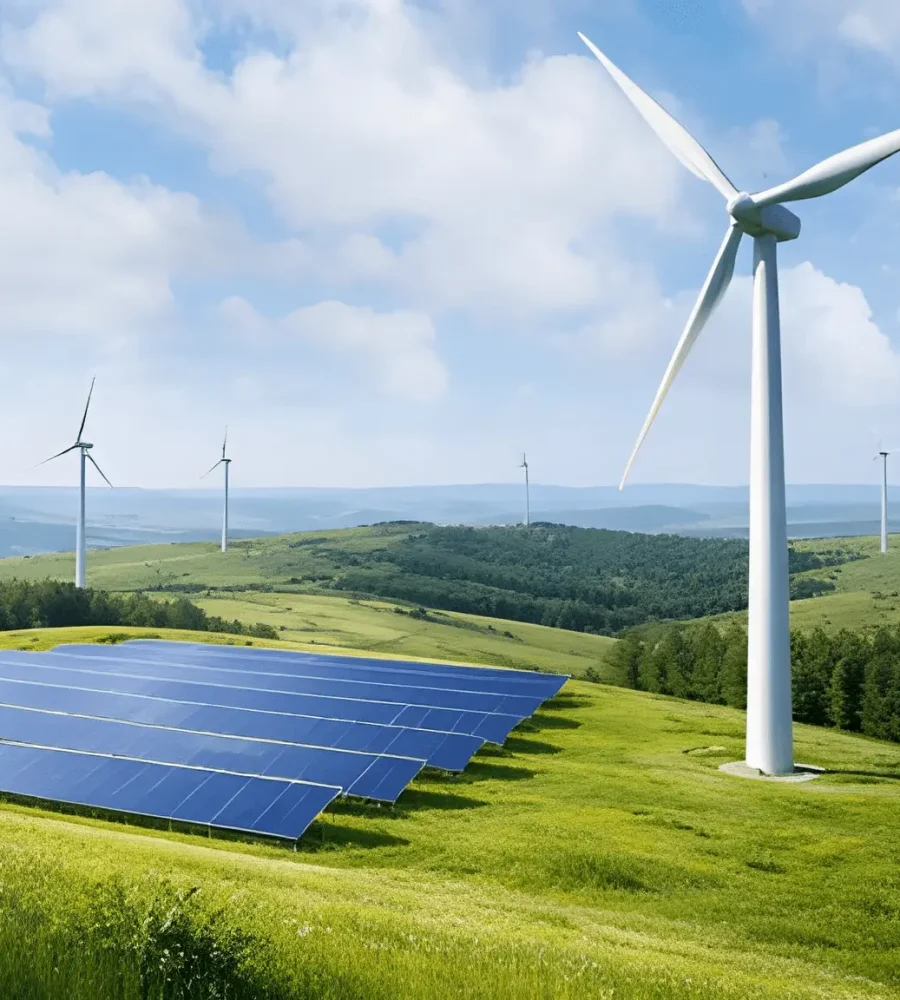
Throughout the construction and operational phases, the campus will generate a wide range of jobs, from advanced engineering roles to ongoing facility management. Moreover, the reliance on fossil-free energy and electrification reinforces Stockholm’s reputation as a global leader in sustainable digital infrastructure. By prioritizing renewable power, atNorth demonstrates that economic expansion does not have to come at the planet’s expense.
Circularity Beyond Heat: A Broader Strategy
Importantly, it can be inferred that SWE02 forms part of a broader, repeatable strategy that atNorth is deploying across the Nordic region. Recent expansions in Iceland, along with land acquisitions for a large-scale site in Sollefteå, signal a long-term commitment to circular design principles. Each development is tailored to local environmental and social conditions, reinforcing the adaptability of the model.
This approach is also evident in Denmark, where atNorth has partnered with Vesforbrænding to repurpose excess heat from its DEN01 campus. Through these collaborations, the company demonstrates that circular infrastructure is not a niche experiment or a marketing gesture. Rather, it is a scalable and economically viable operating model. By integrating data centers into district heating and waste-to-energy systems, atNorth shows that sustainability and technical performance can advance together.
The Push for High-Performance Responsibility
As artificial intelligence and high-performance computing continue to dominate corporate strategies, demand for power-dense environments is accelerating. At the same time, performance alone is no longer enough. Increasingly, customers expect providers to deliver advanced capabilities without inflating their carbon footprint. As CEO Eyjólfur Magnús Kristinsson has noted, the industry is under growing pressure to combine technical excellence with ethical operations.
Partnerships with organizations such as Nokia and 6G AI Sweden AB reflect this shift. These companies require immense computational power, yet they also operate under strict environmental, social, and governance commitments. By selecting a provider that prioritizes circular infrastructure, they can scale their digital ambitions while reducing environmental impact. This model highlights a broader transition toward collaborative responsibility across the tech ecosystem.
Transitioning to a Standardized Future
Taken together, the development of SWE02 suggests that circular data centers are on the path to becoming the industry norm. When digital infrastructure is integrated into local ecosystems, the benefits are shared. Electrical grids become more robust, communities gain access to recovered heat, and digital growth becomes cleaner. The outdated practice of building data centers in isolation is giving way to interconnected systems that treat waste as a resource.
Although the Nordic region offers ideal conditions for this innovation, including cool climates and abundant renewable energy, the underlying principles are universally applicable. Heat reuse, grid collaboration, and resource efficiency can be replicated well beyond Scandinavia. The success of atNorth’s expansion makes one conclusion clear: sustainability and profitability are no longer competing priorities. Instead, they are increasingly interdependent.
Final Thoughts
The announcement of the SWE02 campus marks a meaningful milestone for the European technology sector. It reinforces the idea that data centers can be active contributors to their communities rather than passive consumers of resources. By recovering waste heat and strengthening local power infrastructure, atNorth is redefining what responsible digital operations look like.
In a world increasingly shaped by data, circular infrastructure is essential. As the industry looks ahead to SWE02’s 2027 launch, the implications extend far beyond Stockholm. The lessons emerging from this project are likely to influence the next generation of digital construction, helping ensure that our virtual expansion supports, rather than undermines, the physical world it depends on.