Assumptions surrounding data center cooling infrastructure came under renewed scrutiny this week after remarks from Nvidia Chief Executive Jensen Huang triggered sharp market reactions. Shares of several U.S.-listed cooling and HVAC equipment providers declined as investors reassessed long-standing expectations tied to artificial intelligence-driven infrastructure demand.
The sell-off followed comments made during a high-profile technology forum, where Nvidia outlined technical characteristics of its next-generation computing platforms. The statements did not signal an immediate shift in deployment practices but were sufficient to prompt market recalibration across adjacent sectors.
Market Reaction to Cooling Commentary
U.S. heating, ventilation, and air-conditioning-related stocks fell on Tuesday, with multiple names recording multi-month lows. Johnson Controls International declined 7.5% to $112.40, while Trane Technologies dropped 5.3% to $370.40. Both ranked among the largest percentage decliners on the S&P 500.
Carrier Global shares also retreated, falling 1.1%. The moves reflected investor concern that data center cooling demand may not scale linearly with future AI compute growth.
Context From CES Announcements
The comments were delivered at the Consumer Electronics Show in Las Vegas, where Huang confirmed that Nvidia’s upcoming chip generation is now in full production. The Vera Rubin platform, composed of six discrete Nvidia chips, is expected to debut later this year.
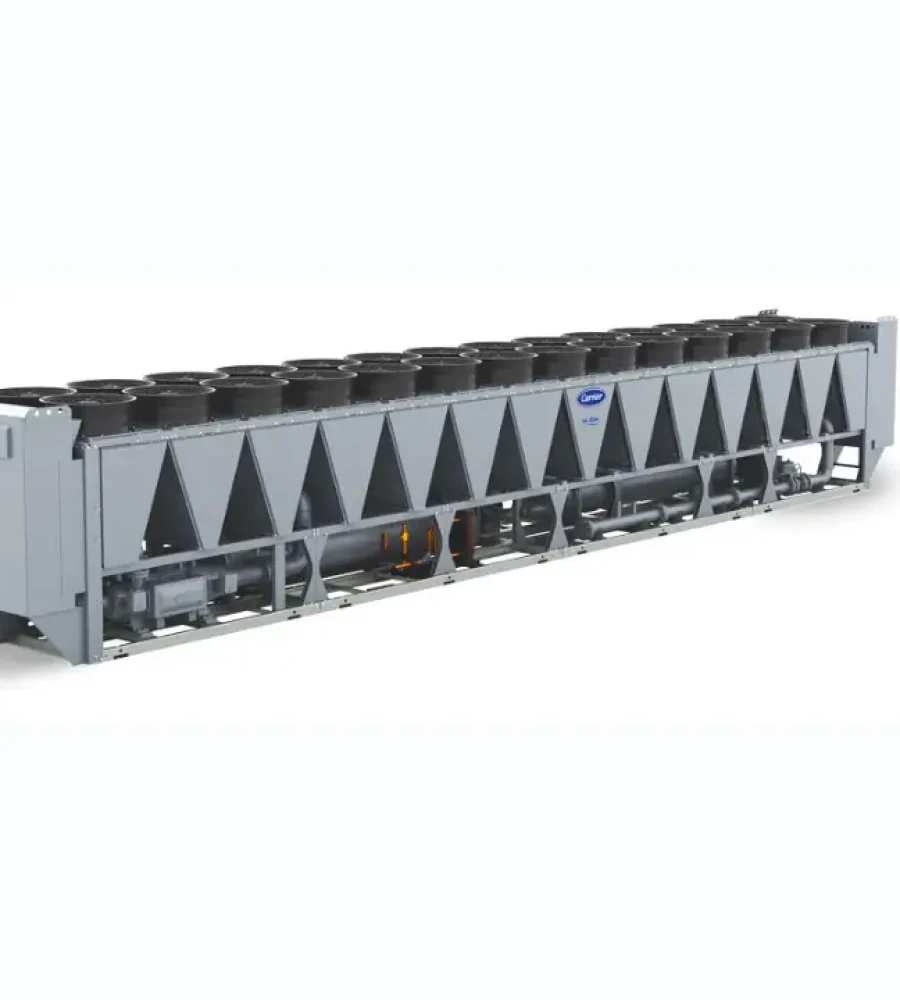
Addressing infrastructure requirements, Huang stated that “no water chillers are necessary for data centres.” The remark was interpreted by markets as a signal that future high-density computing systems may rely less on traditional cooling architectures.
Analyst Interpretation and Exposure Assessment
Analysts at Barclays, led by Julian Mitchell, cautioned against dismissing the statement. In a research note, the team wrote that “given the primacy of Nvidia to the whole AI ecosystem, one should not take their comments lightly, although they seem rather dramatic at first glance.”
The analysts outlined exposure levels across the sector. Data centers were estimated to represent a low-double-digit percentage of total sales for Johnson Controls. For Trane Technologies and Carrier Global, data center exposure was estimated at approximately 10% and 5% of total revenue, respectively.
Potential Beneficiaries of Architectural Shifts
While traditional cooling providers faced near-term pressure, select infrastructure suppliers were viewed more favorably. Barclays highlighted nVent Electric, noting that the company has “no presence in space cooling/chillers/air handling” and maintains a “decent position in data center liquid cooling.”
nVent shares edged 0.5% higher following the note, reflecting relative insulation from changes in air-based cooling demand.
Implications for Power and Thermal Vendors
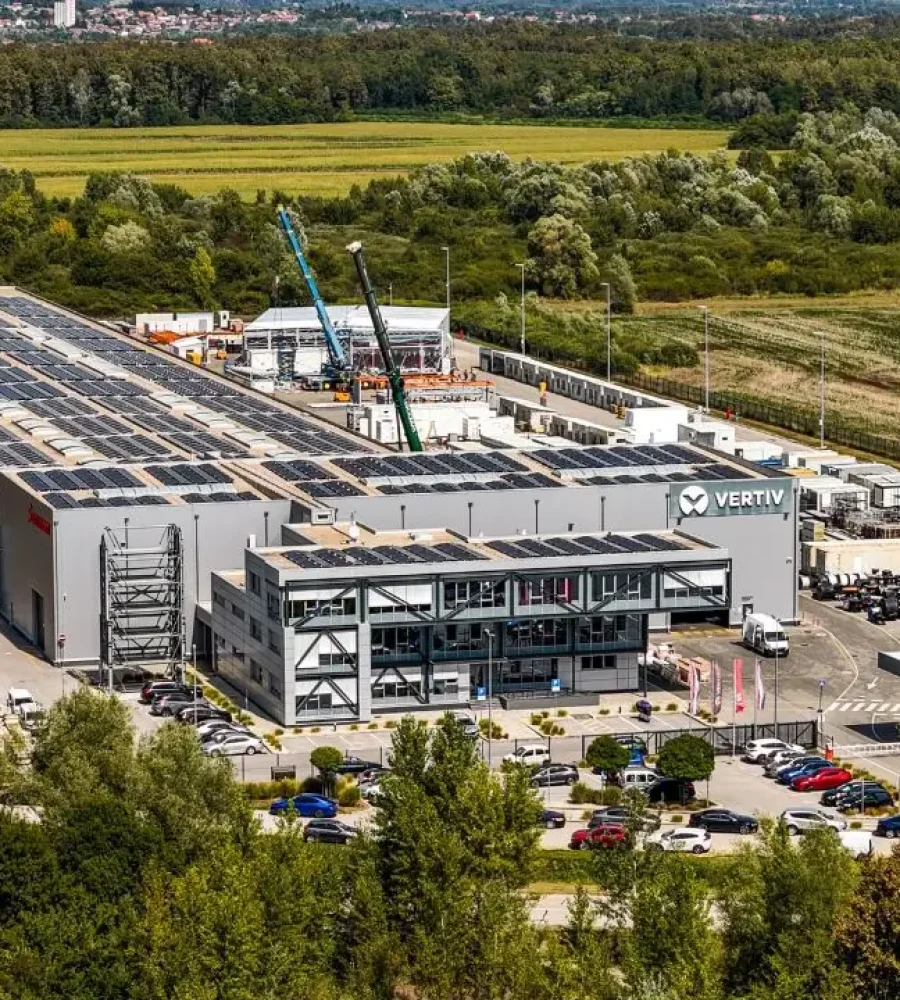
Barclays also identified Vertiv Holdings as a potential beneficiary. The firm cited Vertiv’s “strong historical position in precision air cooling” alongside its expanding role in liquid cooling systems.
Despite the longer-term positioning, Vertiv shares declined 2.1% on the day, indicating that near-term sentiment remained cautious across the broader infrastructure equipment segment.
Broader Industry Interpretation
The episode underscores the sensitivity of data center-related equities to shifts in architectural narratives. Cooling has long been treated as a structural beneficiary of AI-driven compute expansion. Recent comments suggest that thermal management strategies may evolve alongside silicon efficiency gains.
Industry observers note that changes in cooling intensity do not eliminate infrastructure demand but redistribute it across different technologies. Liquid cooling, power distribution, and rack-level thermal control remain central considerations as compute densities rise.
Conclusion
Investor response to Nvidia’s CES remarks highlights the evolving relationship between chip design and physical infrastructure planning. While immediate stock movements reflected uncertainty, longer-term outcomes are likely to hinge on deployment realities rather than isolated statements.
As AI platforms progress toward higher efficiency, infrastructure markets may continue to adjust, favoring flexibility over fixed assumptions in data center design.