 Skip to content

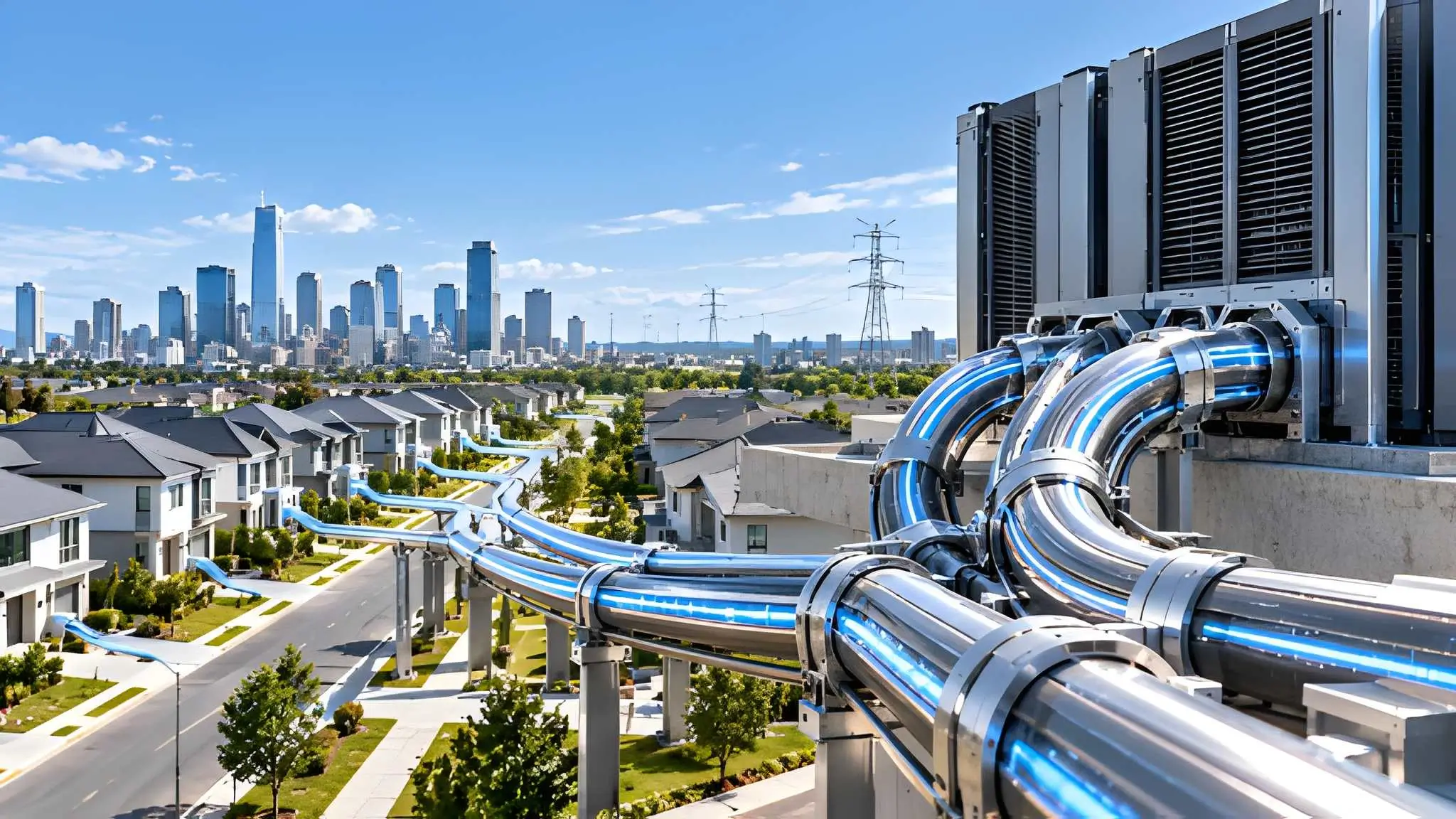
A data center can secure the electricity, land and financing required to operate without securing the one thing that can still complicate its expansion: acceptance from the people living nearby. That gap between infrastructure readiness and community consent is becoming an important consideration for the artificial intelligence industry. U.S. President Donald Trump has proposed that data center operators pay a financial dividend to host communities or individual residents to make projects more popular. He has also emphasized that large facilities should generate their own electricity and return or sell surplus power to the local community or grid.

Together, the ideas raise a question that extends beyond public relations. If AI infrastructure delivers economic value across the digital economy, should the communities that accommodate its physical footprint receive a more direct share of that value? The answer will depend less on the appeal of a payment than on the terms attached to it. A dividend could establish a more tangible relationship between infrastructure development and local prosperity. Without a clear structure, however, it could also become another negotiating tool that secures acceptance for an individual project without resolving the concerns behind local opposition.
A Financial Incentive Cannot Replace Public Confidence
The proposed dividend introduces a straightforward proposition: residents may become more receptive to a facility when they receive a direct financial benefit from its presence. That possibility deserves consideration, particularly when the commercial advantages of AI infrastructure extend well beyond the communities that host it. Yet opposition to a data center does not necessarily reflect resistance to technology itself. Residents may question how a facility will affect electricity availability, water resources, noise levels, land use and the character of their surroundings. They may also want clarity on the project’s contribution to local employment and public services.
A payment can address the distribution of economic benefits, but it cannot automatically settle these questions. Residents who worry about pressure on essential resources may view a dividend differently from those who prioritize additional household income. Some may welcome the financial arrangement while others may regard it as insufficient compensation for the obligations associated with hosting the facility. That distinction matters because public acceptance involves more than a transaction. A developer can offer money without establishing whether residents understand the project’s resource requirements, how the operator will manage its impacts or what recourse the community will have if its expectations go unmet. The dividend therefore needs to complement credible operating commitments rather than substitute for them.

The Meaning of a Community Dividend Remains Unclear
The proposal leaves several practical questions unresolved. An operator could distribute payments directly to residents, contribute to a community fund or finance services that benefit the surrounding area. Each model would create a different relationship between the facility and its host community. Direct payments would make the benefit visible to individual households. However, they would require decisions about eligibility, payment frequency and the geographic boundaries of the beneficiary group. A resident living beside a facility might reasonably expect different treatment from someone living farther away, while a broader community could argue that shared infrastructure deserves shared benefits.
A community fund could support local services, workforce development or improvements to public facilities. This approach could distribute benefits beyond individual households, although its effectiveness would depend on who controls the funds, how priorities are selected and whether residents can scrutinize spending. The financial structure would also matter. A fixed payment could offer predictability, but it might fail to reflect changes in the facility’s operations or its demands on local resources. A payment linked to operating performance could align contributions with the project’s commercial life, but it would introduce greater complexity and uncertainty for beneficiaries.
No single model automatically resolves these competing considerations. The central requirement is a transparent agreement that identifies who qualifies, what the operator promises, when payments occur and how the parties handle disputes. Without such clarity, a dividend risks becoming a headline-friendly commitment whose value proves difficult for residents to assess.
Acceptance Requires More Than a Payment
The most consequential question is whether the dividend changes the relationship between AI infrastructure and the communities that host it. If operators treat payments as the price of overcoming resistance, the arrangement could encourage a narrow view of public engagement. If they combine financial benefits with transparent resource planning, reliable commitments and meaningful local participation, it could support a more durable form of cooperation.
Residents should not have to choose between receiving a financial benefit and asking legitimate questions about a project’s effects. Nor should developers assume that a payment establishes consent on every issue associated with construction and operation. A dividend can distribute value, but it cannot independently establish that a facility uses resources responsibly, communicates honestly or responds adequately when operating conditions change.
For the industry, the opportunity lies in treating community benefits as part of project design rather than an intervention introduced only when opposition intensifies. Early discussions can help operators identify local priorities, define realistic commitments and explain how those commitments relate to the facility’s commercial and technical requirements. Trump’s proposal places a direct financial stake at the center of that discussion, but the concept remains incomplete without rules for eligibility, funding, oversight and delivery.
A community dividend could become a meaningful component of the data center business model. Its credibility, however, will depend on whether residents receive a clearly defined and lasting benefit, rather than a payment intended primarily to make a difficult project easier to build. The ultimate test is not whether a dividend makes a facility more popular at the outset, but whether the relationship remains acceptable after the money has been promised, the power systems are operating and the community continues to live alongside the infrastructure.










