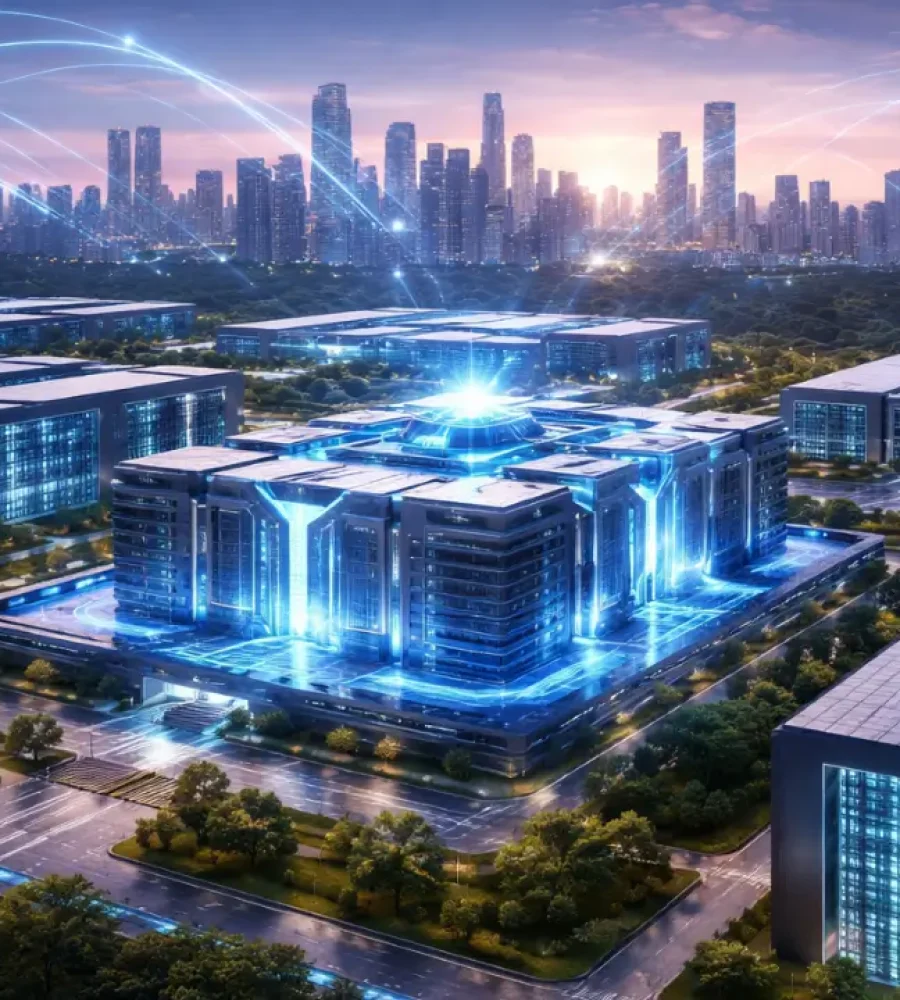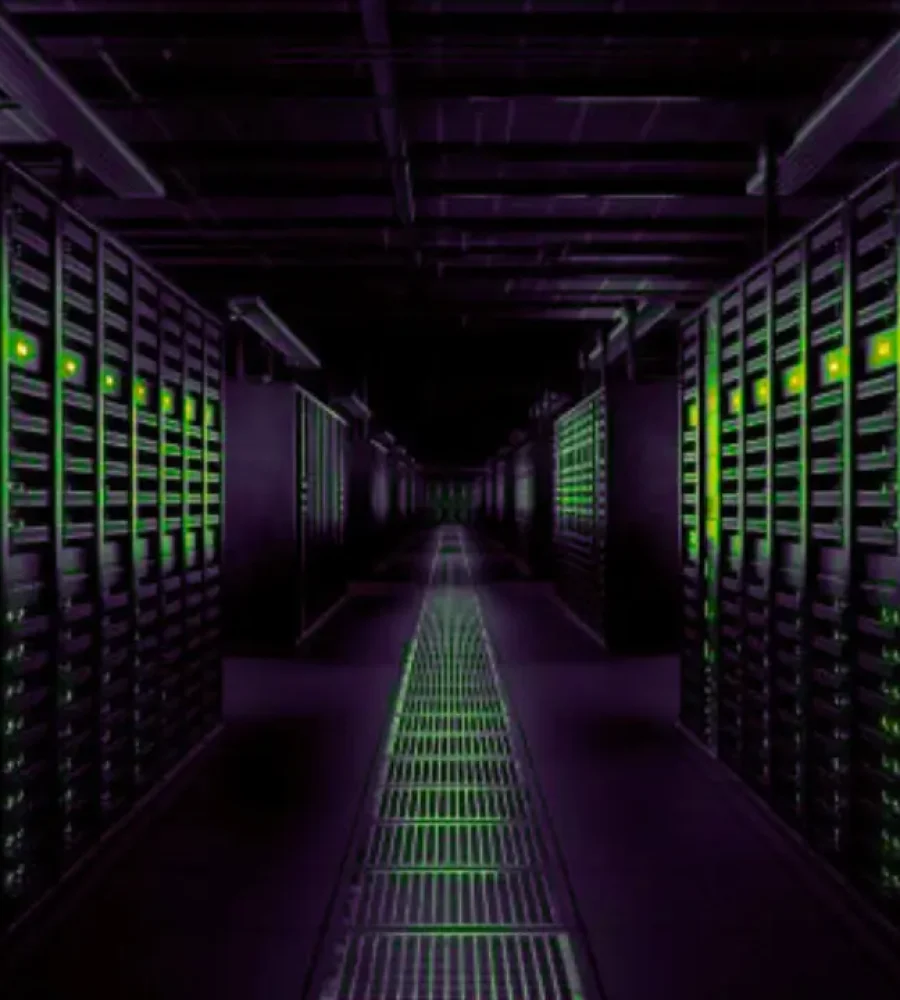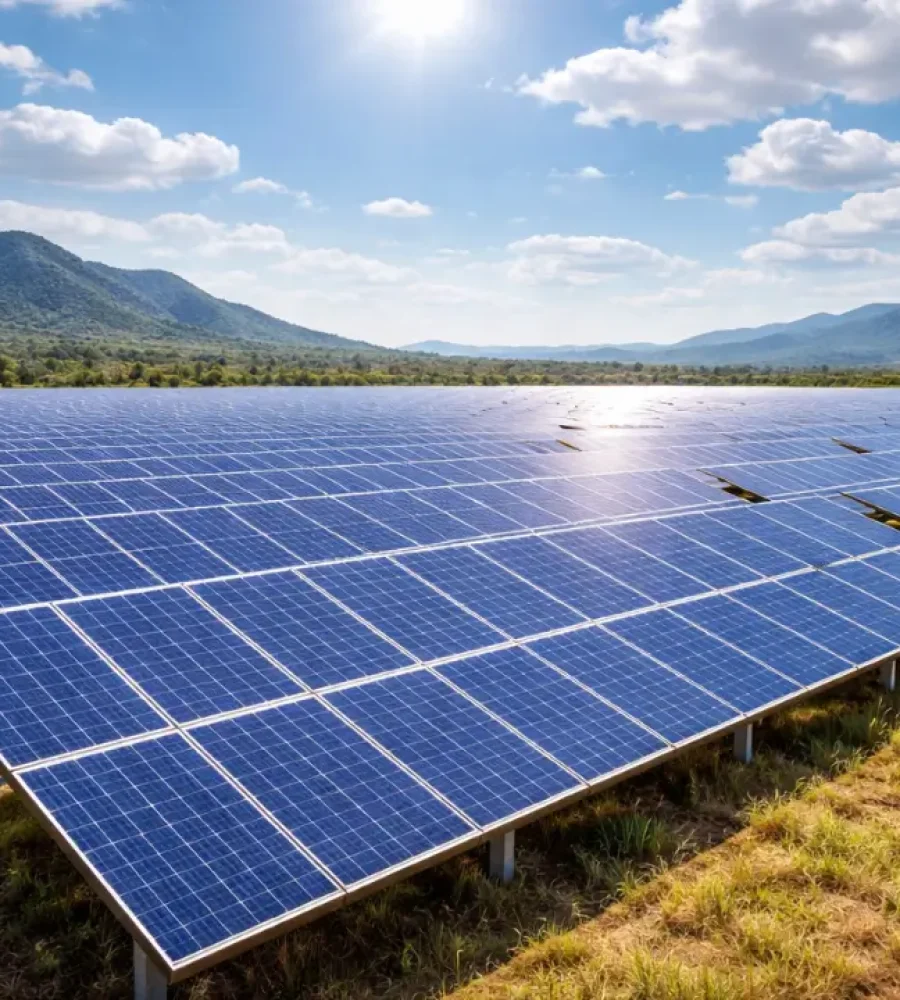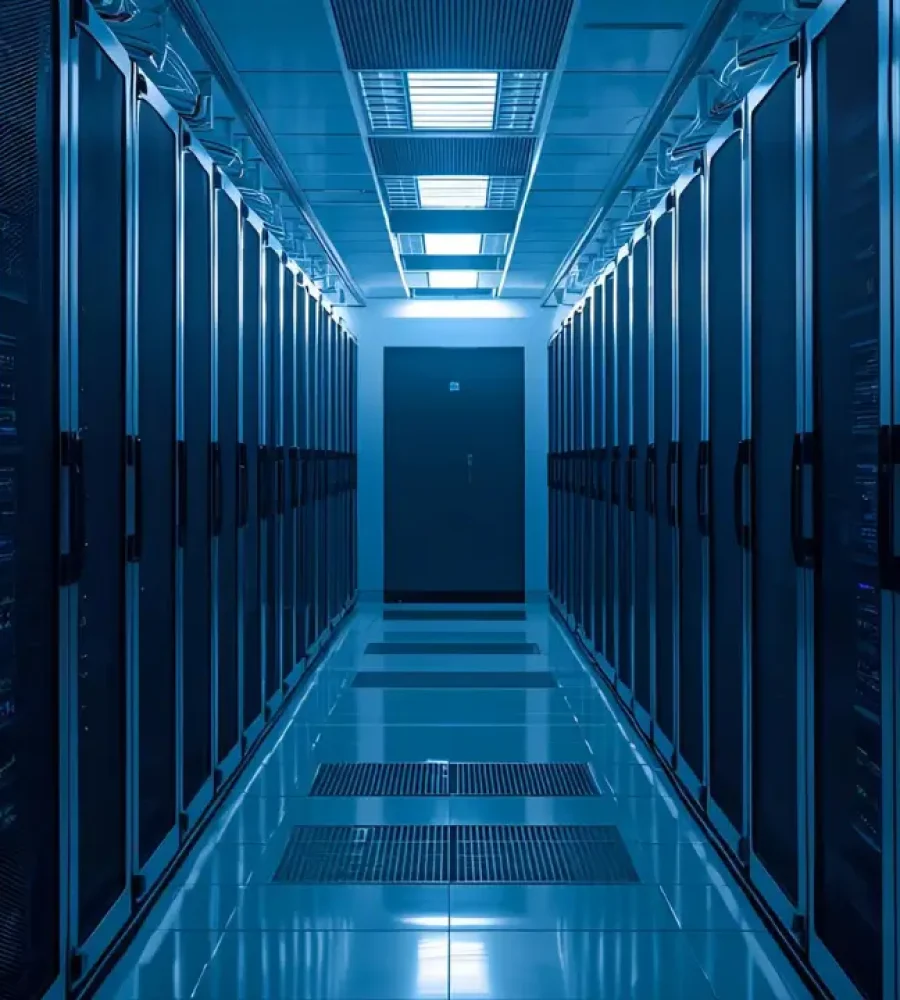
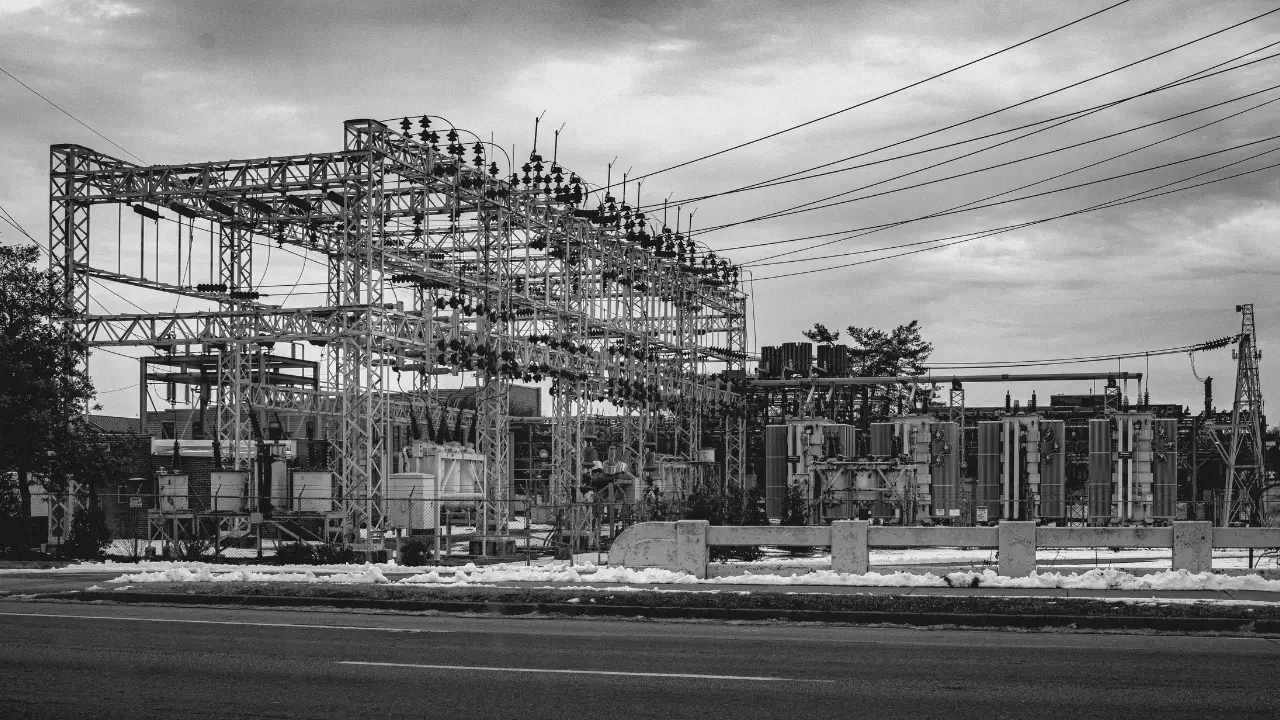
When a commercial facility begins to operate like a miniature utility, it signals something important about the future of the electricity grid. At Iron Mountain’s New Jersey data center, Calibrant Energy agreed to install a 23 MWh on-site battery energy storage system, pairing it with the site’s existing 7.2 MW rooftop solar array. Together, they create a system that can dispatch power back to the grid during peak demand. This hybrid setup turns a major power load into a flexible, grid-supporting asset. It helps stabilize the regional network when demand spikes.
This design reflects a broader trend: Distributed energy resources (DERs), once limited to backup power or cost-saving roles, are beginning to play an active part in grid operations.
Such shifts raise a key question: can DERs truly address the grid’s reliability, capacity, and decarbonization challenges? The short answer is- ‘NO. NOT ALONE’. DERs form a critical part of the solution, but they cannot carry the burden by themselves. To see why, we must examine both their promise and their limits.
From Backup Power to Active Grid Partners
Historically, facilities treated DERs, such as on-site solar, batteries, and microgrids, as peripheral systems. They provided resilience during outages or reduced bills through peak shaving. Today, many facilities use DERs as grid partners. Advanced storage and real-time controls allow operators to dispatch power during periods of high demand. This action smooths peaks that would otherwise strain transmission and distribution infrastructure.
Utilities can also use coordinated DERs to defer costly upgrades. Research shows that coordinated management reduces both distribution upgrade needs and peak load stress. In some simulations, centralized control strategies cut peak load by as much as 17 percent.
DERs offer another advantage: proximity. Most systems sit close to where customers consume power. This placement reduces transmission and distribution losses that occur over long distances. The result is higher system efficiency and less waste.
DERs and Grid Resilience
A grid that relies heavily on centralized generation and long transmission lines remains vulnerable to storms, equipment failures, and cascading outages. DERs strengthen resilience. When operators configure them as microgrids, they can supply local power during broader grid disruptions. Hospitals, emergency services, and data centers often rely on these systems to maintain operations when the main grid falters.
Energy storage systems also support grid stability. Batteries can inject or absorb power within seconds. By doing so, they help regulate frequency and voltage during rapid fluctuations. As solar and wind generation expands, this capability will grow more important.
Facilitating Renewable Integration
Decarbonizing the grid requires managing renewable intermittency. Solar and wind output changes with weather and time of day. DERs paired with storage help balance this variability. They absorb excess generation when supply is high and release it when demand rises or output drops. This flexibility reduces reliance on carbon-intensive peaker plants and aligns renewable output with net load.
In the Iron Mountain example, the facility stores onsite solar energy in batteries and dispatches it during evening peaks. This strategy supports its carbon-free commitments and reduces pressure on the wider grid. The combination of local generation and storage shows how distributed systems can advance system-wide decarbonization goals.
Structural Challenges Remain
Despite their promise, DERs face significant barriers. Grids were designed for one-way power flows from large plants to consumers. DERs introduce bidirectional flows. Without advanced controls and updated infrastructure, these flows can cause congestion, voltage swings, and protection challenges.
Utilities also struggle with visibility. Many lack real-time insight into distribution-level activity. This gap complicates demand forecasting, outage response, and reliability planning. Operators may not know how much behind-the-meter generation or storage is available at any moment.
Regulatory and market structures present additional hurdles. Many policies fail to compensate DERs for services such as frequency regulation, reserve capacity, or reliability support. Without clear compensation, owners have little incentive to invest in advanced grid-support capabilities.
Cost remains another constraint. Although prices have declined, large-scale storage and solar systems still require significant upfront investment. Smaller customers often need innovative financing or policy incentives to participate.
DERs as Part of a Modernized Grid
To unlock the full value of DERs, grid operators and policymakers must integrate them deliberately. Distributed energy resource management systems (DERMS) provide one path forward. These digital tools monitor, dispatch, and coordinate DERs in real time. They help balance supply and demand while mitigating reliability risks.
Market structures must also evolve. Policymakers can introduce locational pricing that reflects congestion relief. They can expand ancillary service markets to include aggregated DERs. Clear rules for participation at scale will encourage investment. Digitalization supports all of these reforms by improving forecasting, coordination, and planning.
DERs will not eliminate the need for transmission upgrades, large renewable plants, or grid hardening. However, they can form a flexible backbone within a modern grid architecture. As electrification expands across transportation and industry, this flexibility will become essential.
DERs in System Context
Distributed energy resources offer powerful tools to manage grid stress, strengthen resilience, and accelerate decarbonization. Projects like Iron Mountain’s solar-plus-storage installation show how large energy users can become part of the solution.
Still, DERs will not save the grid on their own. Grid modernization, market reform, and supportive policy must accompany their growth. When integrated into a broader strategy, DERs help build an electricity system that is smarter, cleaner, and more resilient. Their true value emerges not as a cure-all, but as a core component of a layered, flexible grid.