...
NVIDIA H200 shipments delayed to Q3  · BREAKING: Microsoft confirms 3GW data centre expansion in Asia-Pacific ·  AWS announces new sovereign cloud regions in India and UAE  · Arm-based servers now 24% of hyperscale deployments ·  EU AI Act enforcement enters phase two  · Global data centre investment hits $612B in 2026 ·  TSMC Arizona yields improve to 68% on 3nm process  · OpenAI valuation reaches $400B after latest funding round ·  NVIDIA H200 shipments delayed to Q3  · BREAKING: Microsoft confirms 3GW data centre expansion in Asia-Pacific ·  AWS announces new sovereign cloud regions in India and UAE  · Arm-based servers now 24% of hyperscale deployments ·  EU AI Act enforcement enters phase two  · Global data centre investment hits $612B in 2026

Can Distributed Energy Resources Save the Grid?

When a commercial facility begins to operate like a miniature utility, it signals something important about the future of the

Share
distributed energy resources and grid reliability

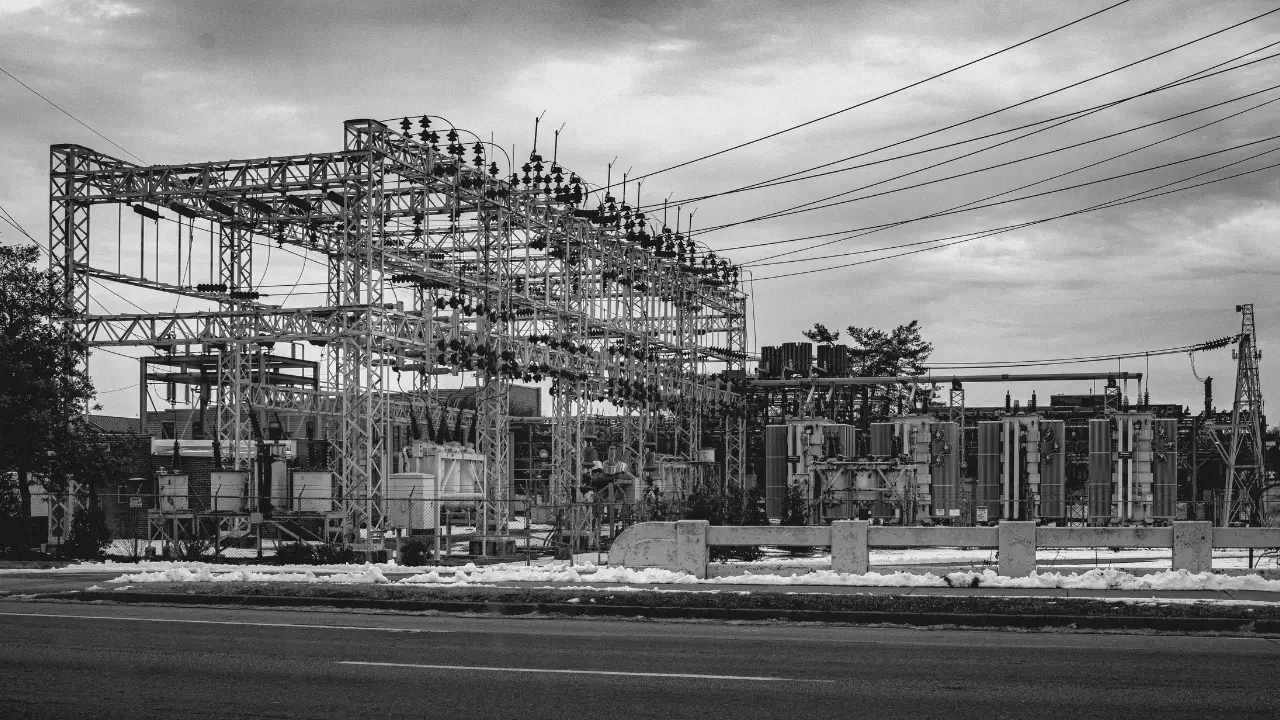
When a commercial facility begins to operate like a miniature utility, it signals something important about the future of the electricity grid. At Iron Mountain’s New Jersey data center, Calibrant Energy agreed to install a 23 MWh on-site battery energy storage system, pairing it with the site’s existing 7.2 MW rooftop solar array. Together, they create a system that can dispatch power back to the grid during peak demand. This hybrid setup turns a major power load into a flexible, grid-supporting asset. It helps stabilize the regional network when demand spikes.

This design reflects a broader trend: Distributed energy resources (DERs), once limited to backup power or cost-saving roles, are beginning to play an active part in grid operations.

Such shifts raise a key question: can DERs truly address the grid’s reliability, capacity, and decarbonization challenges? The short answer is- ‘NO. NOT ALONE’. DERs form a critical part of the solution, but they cannot carry the burden by themselves. To see why, we must examine both their promise and their limits.

From Backup Power to Active Grid Partners

Historically, facilities treated DERs, such as on-site solar, batteries, and microgrids, as peripheral systems. They provided resilience during outages or reduced bills through peak shaving. Today, many facilities use DERs as grid partners. Advanced storage and real-time controls allow operators to dispatch power during periods of high demand. This action smooths peaks that would otherwise strain transmission and distribution infrastructure.

Utilities can also use coordinated DERs to defer costly upgrades. Research shows that coordinated management reduces both distribution upgrade needs and peak load stress. In some simulations, centralized control strategies cut peak load by as much as 17 percent.

DERs offer another advantage: proximity. Most systems sit close to where customers consume power. This placement reduces transmission and distribution losses that occur over long distances. The result is higher system efficiency and less waste.

DERs and Grid Resilience

A grid that relies heavily on centralized generation and long transmission lines remains vulnerable to storms, equipment failures, and cascading outages. DERs strengthen resilience. When operators configure them as microgrids, they can supply local power during broader grid disruptions. Hospitals, emergency services, and data centers often rely on these systems to maintain operations when the main grid falters.

Energy storage systems also support grid stability. Batteries can inject or absorb power within seconds. By doing so, they help regulate frequency and voltage during rapid fluctuations. As solar and wind generation expands, this capability will grow more important.

Facilitating Renewable Integration

Decarbonizing the grid requires managing renewable intermittency. Solar and wind output changes with weather and time of day. DERs paired with storage help balance this variability. They absorb excess generation when supply is high and release it when demand rises or output drops. This flexibility reduces reliance on carbon-intensive peaker plants and aligns renewable output with net load.

In the Iron Mountain example, the facility stores onsite solar energy in batteries and dispatches it during evening peaks. This strategy supports its carbon-free commitments and reduces pressure on the wider grid. The combination of local generation and storage shows how distributed systems can advance system-wide decarbonization goals.

Structural Challenges Remain

Despite their promise, DERs face significant barriers. Grids were designed for one-way power flows from large plants to consumers. DERs introduce bidirectional flows. Without advanced controls and updated infrastructure, these flows can cause congestion, voltage swings, and protection challenges.

Utilities also struggle with visibility. Many lack real-time insight into distribution-level activity. This gap complicates demand forecasting, outage response, and reliability planning. Operators may not know how much behind-the-meter generation or storage is available at any moment.

Regulatory and market structures present additional hurdles. Many policies fail to compensate DERs for services such as frequency regulation, reserve capacity, or reliability support. Without clear compensation, owners have little incentive to invest in advanced grid-support capabilities.

Cost remains another constraint. Although prices have declined, large-scale storage and solar systems still require significant upfront investment. Smaller customers often need innovative financing or policy incentives to participate.

DERs as Part of a Modernized Grid

To unlock the full value of DERs, grid operators and policymakers must integrate them deliberately. Distributed energy resource management systems (DERMS) provide one path forward. These digital tools monitor, dispatch, and coordinate DERs in real time. They help balance supply and demand while mitigating reliability risks.

Market structures must also evolve. Policymakers can introduce locational pricing that reflects congestion relief. They can expand ancillary service markets to include aggregated DERs. Clear rules for participation at scale will encourage investment. Digitalization supports all of these reforms by improving forecasting, coordination, and planning.

DERs will not eliminate the need for transmission upgrades, large renewable plants, or grid hardening. However, they can form a flexible backbone within a modern grid architecture. As electrification expands across transportation and industry, this flexibility will become essential.

DERs in System Context

Distributed energy resources offer powerful tools to manage grid stress, strengthen resilience, and accelerate decarbonization. Projects like Iron Mountain’s solar-plus-storage installation show how large energy users can become part of the solution.

Still, DERs will not save the grid on their own. Grid modernization, market reform, and supportive policy must accompany their growth. When integrated into a broader strategy, DERs help build an electricity system that is smarter, cleaner, and more resilient. Their true value emerges not as a cure-all, but as a core component of a layered, flexible grid.


[simple-author-box]

More from AI Infrastructure

AI infrastructure has a timing problem that traditional data center planning does not solve

A data center can move from blueprint to construction while still facing significant work

AI infrastructure is entering an uncomfortable phase in which securing more electricity does not

COMPUTE WEEKLY

The briefing that 40,000+ tech leaders read every Monday. Sharp, fast, essential.

Great! We’ve received your information.

Building an AI Startup Without Owning GPUs

Not owning GPUs has become the default, deliberate strategy for building an AI company — not a compromise founders accept reluctantly. H100 rental rates fell 64-75% in fifteen months, a dense ecosystem of neoclouds and inference-as-a-service providers now lets startups skip infrastructure entirely, and credit programs can fund a company’s first year before a founder writes a check
Most Read

Demand is broadening across enterprise workloads APAC’s infrastructure story is changing in ways that

AI infrastructure decisions increasingly influence what enterprises can build, test, and deliver. They also

Why Infrastructure Planning Now Starts With Availability A data center project can have a

A property can look enormous from the site entrance and still offer almost no

As rack power rises toward the megawatt range, the physical footprint of power-delivery equipment

Disruptor Spotlight

Cerebras Systems

The chip that makes Nvidia nervous. Cerebras’ Wafer Scale Engine is rewriting the rules of AI inference at scale.
Faster
0 x
YoY Revenue
0 x
Transistors
0 T
Market Pulse
MSFT
+1.02%
NVDA
+0.66%
AMZN
-0.078%
AMD
-6.95%
TSMC
-2.98%
Indicative only · Not financial advice
Upcoming Events
SEP
The AI Infrastructure Race (India)
WEBINAR · ONLINE
The AI Infrastructure Race: Won on Power, Land and Trust — Not Capital
MAY
0
AI Infrastructure Summit
DUBAI · IN PERSON
MEA’s premier AI infrastructure event.
JUN
0 0
Compute Forecast Summit
SINGAPORE · IN PERSON
Our flagship APAC event. Early bird open.
Latest Moves
Live
ecolab
Ecolab Deepens Cooling Strategy With $4.75B CoolIT Acquisition
Ecolab is making one of its biggest moves yet into AI infrastructure after completing its $4.75 billion acquisition of liquid cooling specialist CoolIT Systems
Pure DC AVK Europe data center microgrid Dublin 110MW AI infrastructure Ireland 2026
Pure DC and AVK Deploy Europe’s First 110 MW Data Center Microgrid in Dublin
The Pure DC Dublin microgrid has made history as Europe’s first large-scale on-site data center microgrid, launched in partnership with power solutions provider AVK at Pure DC’s campus in Ireland.
Pace Digitek
Pace Digitek Partners With MEGMEET to Expand AI Data Center Power Business
India’s AI infrastructure ecosystem continues to mature as domestic technology manufacturers move beyond traditional telecommunications and industrial markets toward high-growth digital infrastructure opportunities
Follow Compute Forecast
11K followers
1200 followers
Companies to Watch
CW
CoreWeave
Neo Cloud · $19B · IPO Watch
CB
Cerebras Systems
AI Hardware · $4.25B · Pre-IPO
G42
G42
Sovereign AI · Abu Dhabi
H
Humain
Saudi AI · $40B Fund
Latest Podcast
AI Capex, Cloud Margins & the Nuclear Bet
48 MIN · 25 APR 2026

Can Distributed Energy Resources Save the Grid?

When a commercial facility begins to operate like a miniature utility, it signals something important about the future of the

Share
distributed energy resources and grid reliability
12
847 SHARES

0
SHARES

[simple-author-box]

More from AI Infrastructure

Demand is broadening across enterprise workloads APAC’s infrastructure story is changing in ways that

AI infrastructure decisions increasingly influence what enterprises can build, test, and deliver. They also

Why Infrastructure Planning Now Starts With Availability A data center project can have a

A property can look enormous from the site entrance and still offer almost no

COMPUTE WEEKLY

The briefing that 40,000+ tech leaders read every Monday. Sharp, fast, essential.

Great! We’ve received your information.

Global AI Infrastructure Outlook 2026

The briefing that 40,000+ tech leaders read every Monday. Sharp, fast, essential.
Download Free
Most Read

Demand is broadening across enterprise workloads APAC’s infrastructure story is changing in ways that

AI infrastructure decisions increasingly influence what enterprises can build, test, and deliver. They also

Why Infrastructure Planning Now Starts With Availability A data center project can have a

A property can look enormous from the site entrance and still offer almost no

As rack power rises toward the megawatt range, the physical footprint of power-delivery equipment

Disruptor Spotlight

Cerebras Systems

The chip that makes Nvidia nervous. Cerebras’ Wafer Scale Engine is rewriting the rules of AI inference at scale.
Faster
0 x
YoY Revenue
0 x
Transistors
0 T
Market Pulse
NVDA
$924.60
+2.4%
MSFT
$421.30
+1.1%
AMZN
$192.80
-0.6%
NVDA
$924.60
+2.4%
NVDA
$924.60
+2.4%
Indicative only · Not financial advice
Upcoming Events
MAY
0 0
DCD Global — London
LONDON · IN PERSON
World’s largest DC event. CF is media partner.
MAY
0
AI Infrastructure Summit
DUBAI · IN PERSON
MEA’s premier AI infrastructure event.
JUN
0 0

Compute Forecast Summit

SINGAPORE · IN PERSON
Our flagship APAC event. Early bird open.
Latest Moves
  • Live
Sam Altman
OpenAI appoints new Chief Infrastructure Officer to lead $100B DC programme
27 APR · OPENAI
Sam Altman
OpenAI appoints new Chief Infrastructure Officer to lead $100B DC programme
27 APR · OPENAI
Sam Altman
OpenAI appoints new Chief Infrastructure Officer to lead $100B DC programme
27 APR · OPENAI
Follow Compute Forecast
18.4K followers
12.1K followers
9.3K subscribers
41 episodes
Companies to Watch
CW
CoreWeave
Neo Cloud · $19B · IPO Watch
CB
Cerebras Systems
AI Hardware · $4.25B · Pre-IPO
G42
G42
Sovereign AI · Abu Dhabi
CW
Humain
Saudi AI · $40B Fund
Latest Podcast
AI Capex, Cloud Margins & the Nuclear Bet
48 MIN · 25 APR 2026
Scroll to Top
Seraphinite AcceleratorOptimized by Seraphinite Accelerator
Turns on site high speed to be attractive for people and search engines.