The Quiet Pivot: Why Infrastructure Is Becoming Europe’s AI Battleground
There is a subtle but significant shift underway in Europe’s artificial intelligence landscape, one that moves beyond the glamour of model releases and into the harder, less visible world of infrastructure. The decision by Mistral AI to raise $830 million in debt financing is not just another funding milestone; it signals a philosophical and strategic pivot.
For years, the AI race has largely been framed around who builds the best models. Today, the conversation is evolving. The real leverage now depends on who owns the compute, the physical backbone powering those models. Europe, long perceived as trailing behind the United States in AI dominance, now appears to be recalibrating its approach: less dependence on external hyperscalers, more control over its own technological destiny.
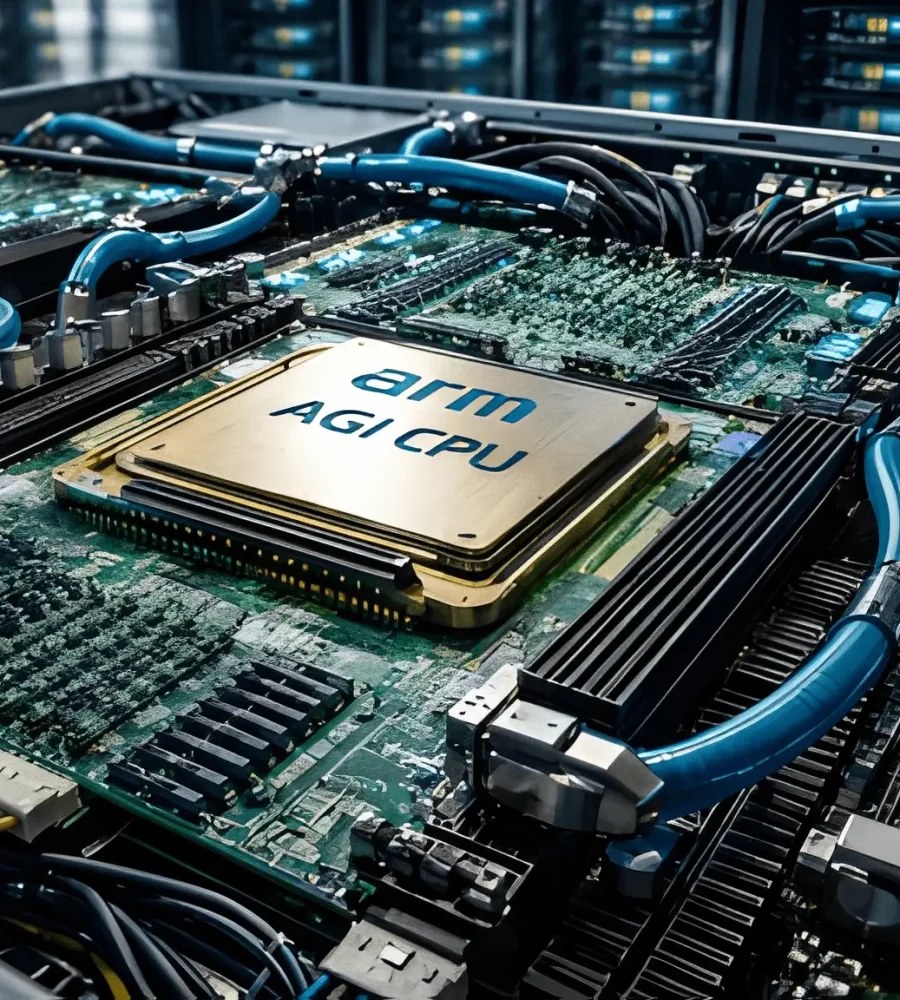
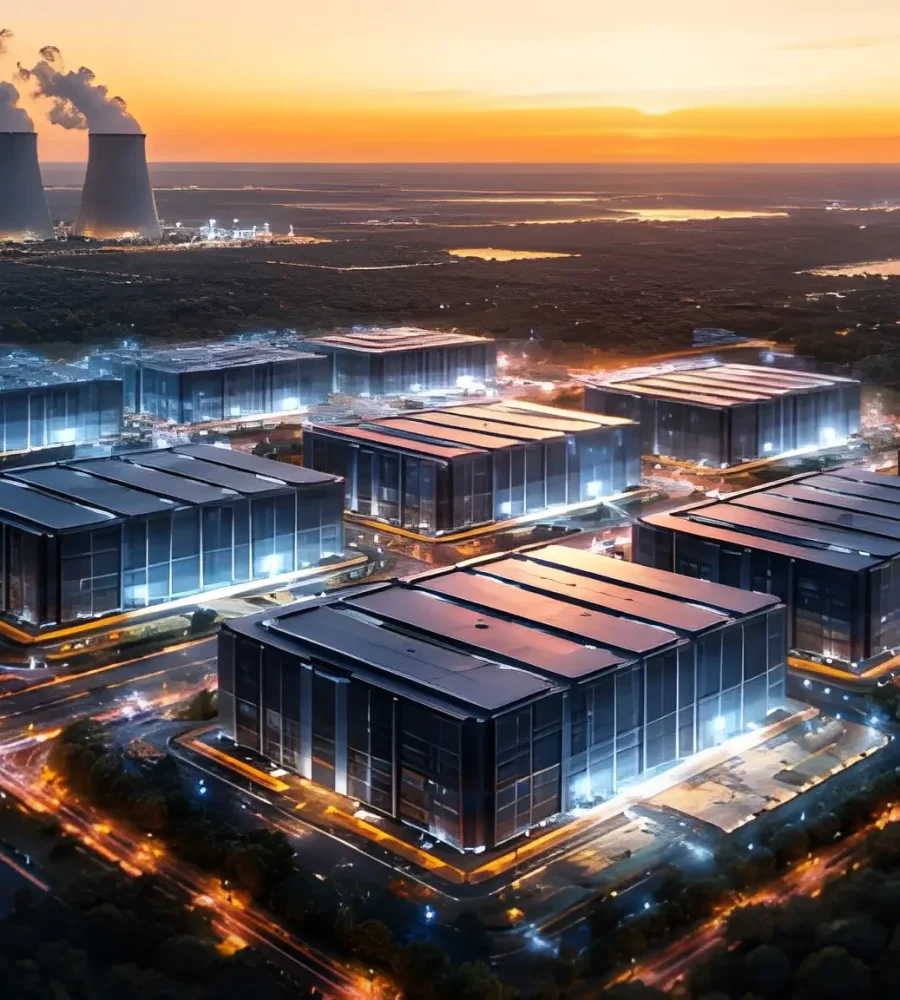
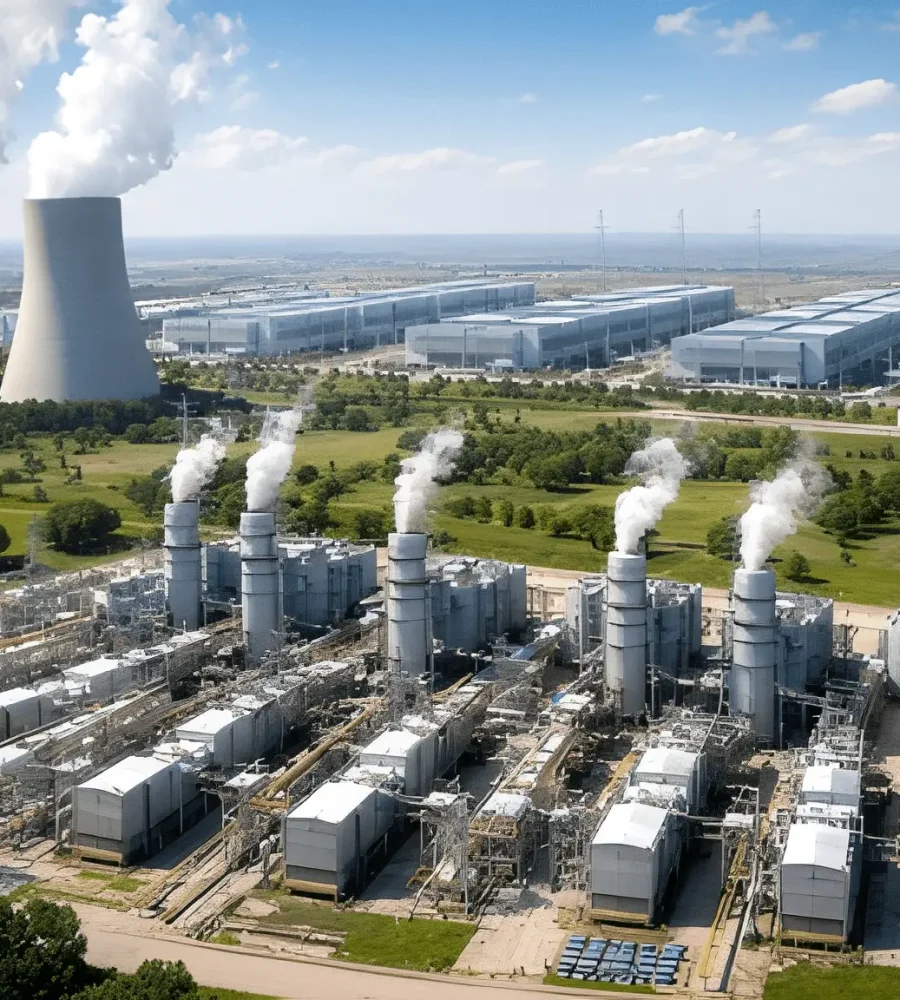
This is where “metal” enters the narrative. Not metaphorically, but literally, servers, chips, cooling systems, and energy grids. The future of AI no longer depends solely on software. It now relies on infrastructure.
Sovereign AI Is No Longer a Political Idea
The phrase “sovereign AI” has often sounded abstract, even ideological. But recent developments suggest it is becoming operational, something governments and enterprises are actively budgeting for.
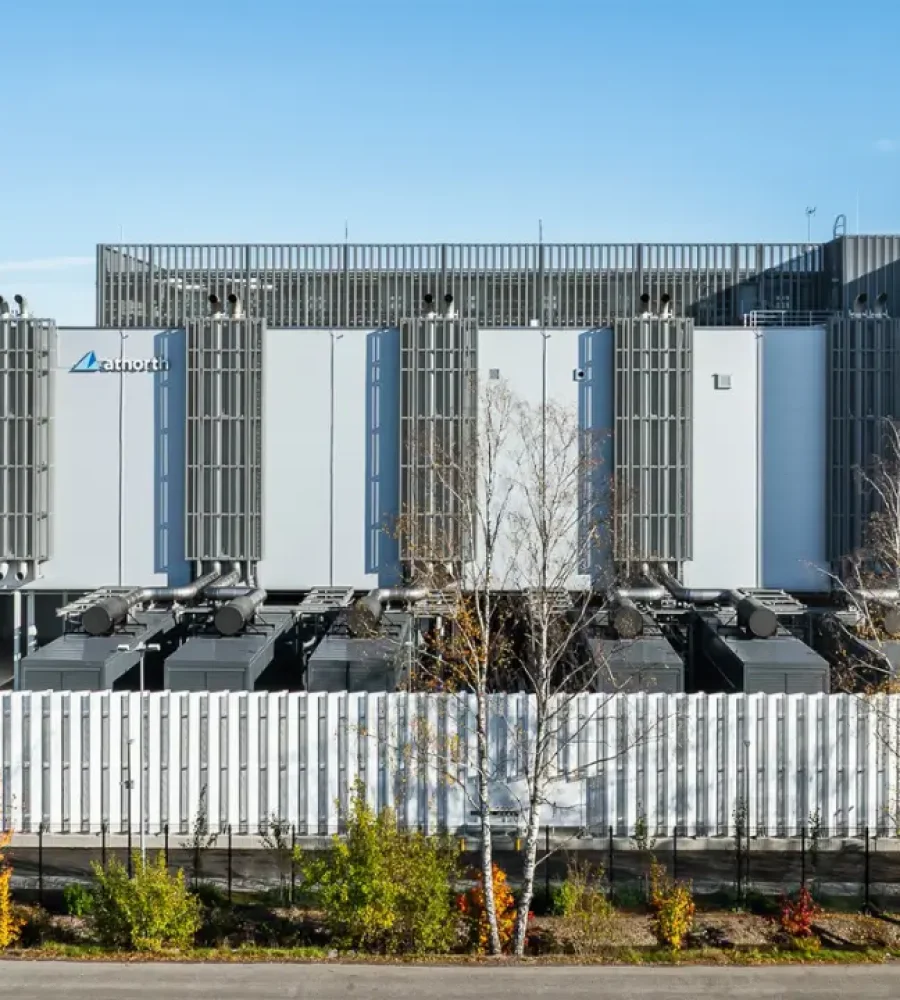
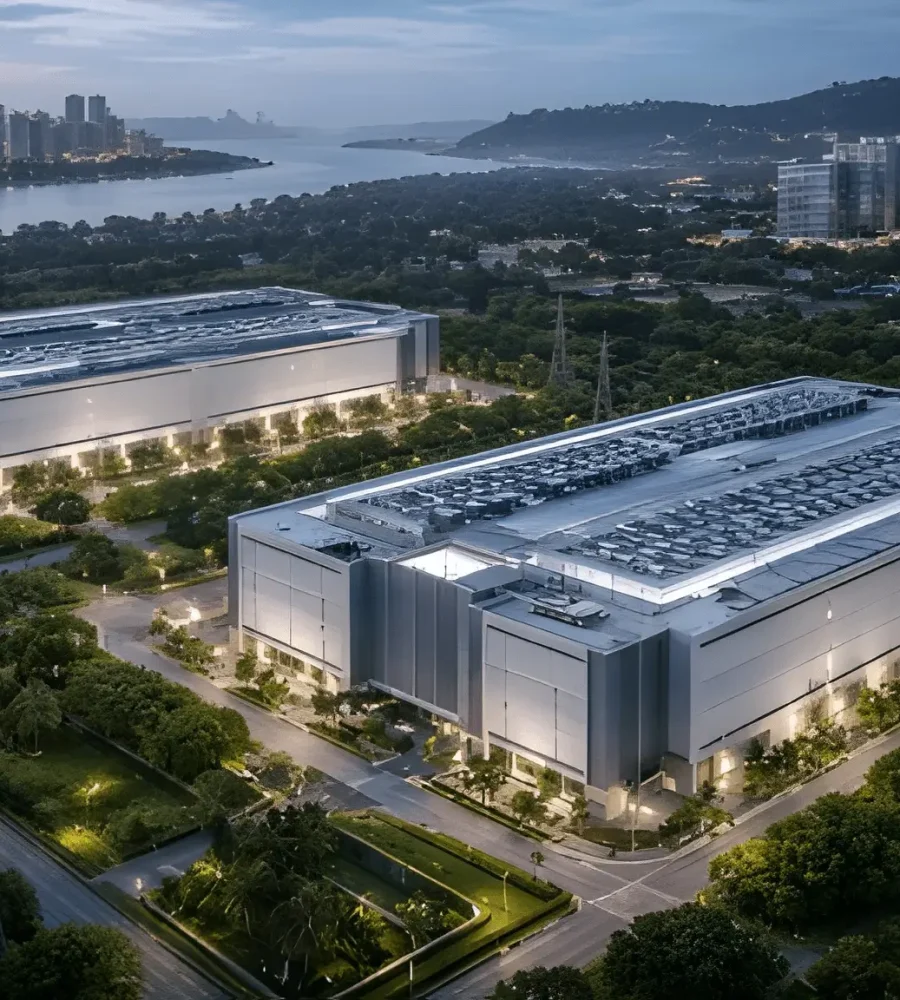
Mistral’s expansion plans across France and Sweden, aiming for 200 MW of compute capacity by 2027, align directly with this shift. Roughly half of its revenue already comes from Europe, where demand is being shaped not just by innovation goals, but by regulatory, geopolitical, and security considerations.
European institutions are no longer asking whether they should rely on U.S.-based providers like Microsoft, Amazon, or Google. Instead, they are asking how quickly they can reduce that dependence. This is a profound change. AI sovereignty no longer reflects national pride, it now centers on risk management.
Data residency, compliance frameworks, and strategic autonomy now push organizations to rethink their cloud dependencies. That rethink requires infrastructure, not just algorithms.
From Models to Metal: Why Compute Capacity Is the New Currency
Mistral’s decision to invest in Nvidia-powered data centers underscores a broader industry truth: It reflects an understanding that available compute resources will constrain future AI capabilities more than theoretical breakthroughs.
In this context, infrastructure now forms a competitive moat. Companies like OpenAI and Anthropic have already demonstrated what scale can achieve. But scale is expensive, and increasingly, it is financed not through venture capital alone, but through debt mirroring how utilities and telecom networks have historically been built.
This convergence is telling. AI now increasingly resembles a utility industry, where long-term capital expenditure, predictable demand, and infrastructure ownership define success.
The Economics Are Ambitious And Uncertain
Yet, beneath the momentum lies a layer of uncertainty that cannot be ignored.
Large-scale infrastructure investments, such as Mistral’s broader €4 billion ambition, inherently carry risks. Analysts have pointed to concerns around return on investment, while the pace of infrastructure expansion has sparked broader industry discussions about how quickly demand will absorb new computing capacity.
The AI market, while growing rapidly, is also showing signs of exuberance. If supply outpaces demand, the economics could become challenging. The Sweden project alone valued at €1.2 billion and expected to generate over €2 billion in revenue over five years illustrates both the opportunity and the gamble. These are long-cycle bets, dependent on sustained demand for AI workloads and continued enterprise adoption.
History offers a cautionary parallel. Telecom infrastructure booms have often led to periods of consolidation and recalibration. AI infrastructure may follow a similar trajectory.
Europe’s Structural Disadvantage and Its Strategic Opportunity
It would be unrealistic to suggest that Europe is suddenly on equal footing with the United States in AI. Companies like OpenAI and Anthropic still operate at a scale that Mistral has yet to reach. Capital availability, ecosystem maturity, and global reach remain asymmetrical. However, Europe’s approach may not need to mirror that of Silicon Valley to be effective.
Instead, it can differentiate. By focusing on regulatory alignment, ethical frameworks, and localized infrastructure, Europe can carve out a distinct position in the global AI ecosystem. Sovereign AI, in this sense, becomes less about competing head-on and more about creating an alternative model.
Mistral’s full-stack positioning from models to infrastructure fits neatly into this narrative. It suggests an ambition not just to participate in the AI race, but to redefine how it is run within a European context.
Debt-Fueled AI: A New Financial Playbook Emerges
Another notable dimension of this development is financial.
The use of debt financing at this scale marks a departure from the traditional venture-backed growth model of tech startups. It aligns AI infrastructure with industries that rely on heavy upfront capital investment and long-term returns.
Mistral is not alone in this approach. Tech giants like Meta, Amazon, and Google are also tapping into debt markets to fund AI expansion. This shift has implications beyond balance sheets. It suggests that AI is transitioning from a speculative frontier to a capital-intensive sector with infrastructure-like characteristics. Investors are no longer just betting on innovation, they are underwriting capacity.
The Nvidia Effect: Hardware as the Hidden Gatekeeper
At the same time, growing industry discourse around increasingly capable AI systems continues to amplify the urgency of building infrastructure that can support next-generation workloads.
The company’s chips have become the de facto standard for high-performance AI workloads, giving it a unique position in the ecosystem. Mistral’s reliance on Nvidia hardware reflects a broader industry dependence that raises its own set of questions.
If AI sovereignty is the goal, can it truly be achieved while relying on a single dominant hardware supplier? This is not a critique of Nvidia, but rather an observation about systemic dependencies emerging as AI infrastructure scales globally.Europe’s push toward sovereign AI may eventually need to address not just cloud providers, but also semiconductor supply chains.
Beyond Hype: What This Moment Actually Represents
It is tempting to view Mistral’s $830 million raise as another headline in the ongoing AI boom. But doing so would miss the deeper significance. This moment represents a structural shift in how AI is being built, financed, and governed.
The emphasis is moving away from isolated model breakthroughs toward integrated ecosystems that combine software, hardware, and energy infrastructure. It reflects a recognition that AI, at scale, is not just a technological challenge, it is an industrial one.
And in industrial transformations, geography matters. Europe’s investment in infrastructure signals a desire to anchor AI capabilities within its own borders. It is a move toward resilience, even if it comes with higher costs and execution risks.
A Calculated Bet on Control
Ultimately, Mistral’s strategy can be understood as a bet on demand, on regulation, and on the value of control. Control over data. Control over compute. Control over the trajectory of innovation.
Whether this bet pays off will depend on factors that extend beyond any single company: market dynamics, policy decisions, and technological evolution. But the direction is clear.
Europe is no longer content to be a consumer in the AI economy. It wants to be a builder. And building, as it turns out, requires more than models. It requires metal.